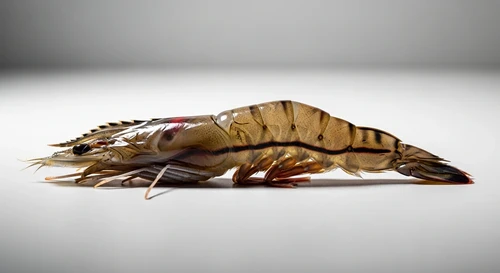
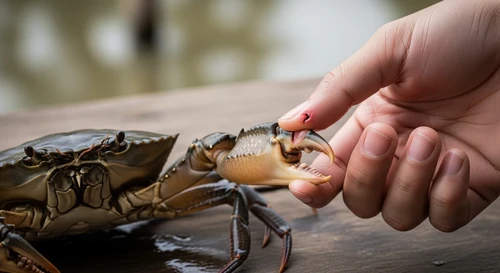
" The succulent, sweet flesh of lobster. It’s a culinary indulgence, a symbol of celebration. But when it comes to our smallest diners, the equation shifts from pleasure to prudence. "
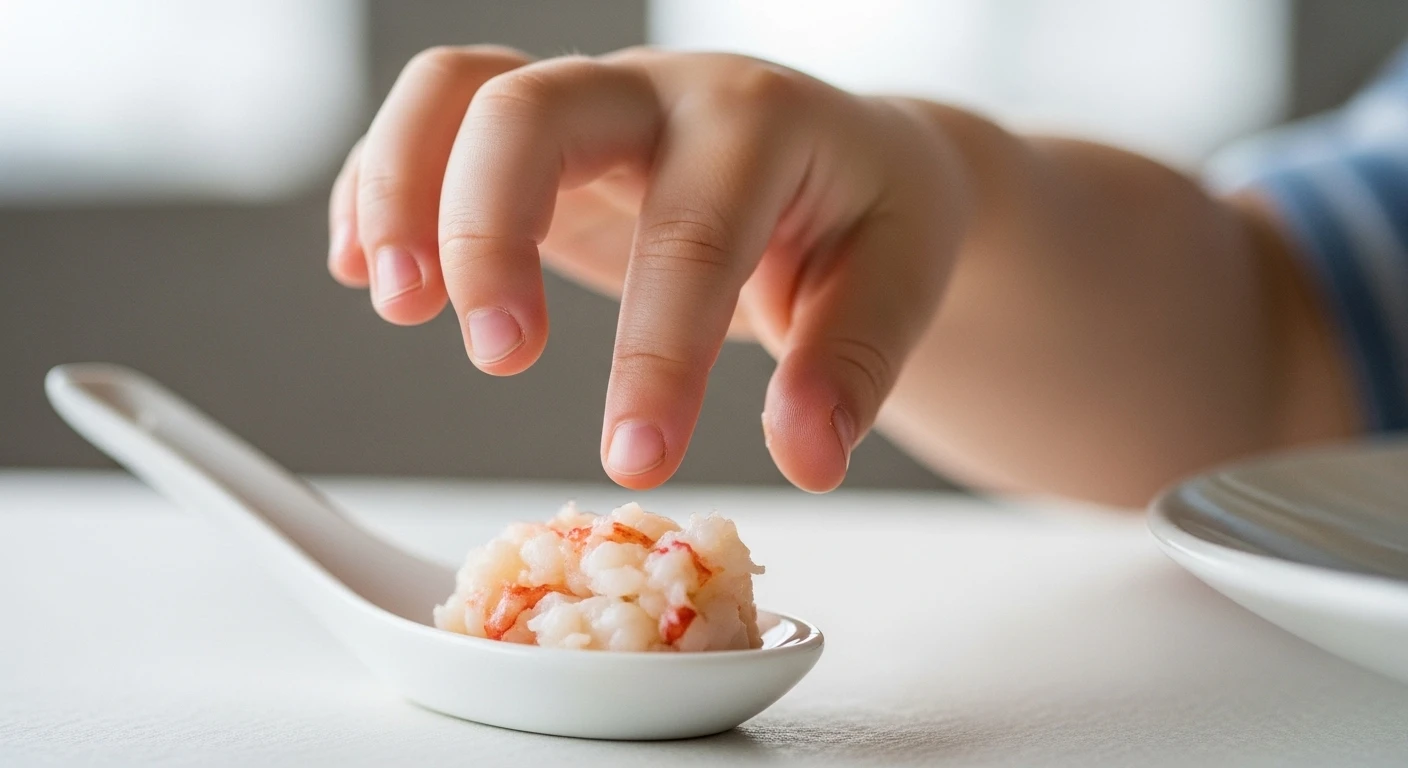
📸 Delicate introduction: Small, manageable portions are key.
1 Decoding Infant Nutrition: Protein's Role
As parents, we're constantly bombarded with advice on what our little ones should eat. From first purees to toddler meals, the focus is on providing essential nutrients for growth and development. Protein, the building block of life, is paramount. It’s crucial for muscle development, immune function, and overall growth.
Lobster, a crustacean celebrated for its lean, high-quality protein, seems like a natural fit. It’s packed with essential amino acids, vitamins, and minerals like zinc and selenium. However, when it comes to introducing such a nutrient-dense food to infants and toddlers, particularly those under two years of age, we need to tread carefully.
Why Protein is Key
Essential for growth, muscle repair, enzyme production, and immune system strength. A cornerstone of a balanced diet.
Lobster's Nutritional Bounty
Rich in lean protein, omega-3 fatty acids, vitamins B12, and essential minerals. A nutrient-dense powerhouse.
2 Wisdom from the Experts: Portion Control is Paramount
The primary concern pediatricians raise regarding feeding high-protein seafood like lobster to infants and toddlers revolves around the digestive system's capacity. A young child's digestive tract is still developing, and an overload of protein can be difficult to process, potentially leading to:
- Indigestion and Discomfort: Difficulty breaking down large protein molecules can cause gas, bloating, and stomach pain.
- Nutrient Imbalance: While protein is vital, an excessive intake can displace other essential nutrients like carbohydrates and healthy fats that are also critical for development in early years.
- Potential for Allergies: Though not exclusive to high-protein foods, introducing new allergens (like shellfish) requires careful observation.
Dr. Evelyn Reed, a pediatrician with over 15 years of experience, emphasizes, "It's not about *if* they can eat it, but *how much* and *how often*. For babies under one, breast milk or formula should still be their primary source of nutrition. For toddlers, we're looking at adding nutrient-dense foods in moderation. Lobster, being so rich, needs to be introduced in very small, manageable portions, typically once they have a well-established diet of other proteins and solids."
The recommended portion size for a toddler (1-3 years) is generally about a quarter to half of an ounce of protein per meal. For lobster, this translates to a tiny flake or two, finely chopped. Think of it as a "taste" rather than a "meal."
3 From the Rivers to Their High Chairs: A Glimpse into Mekong Seafood Culture
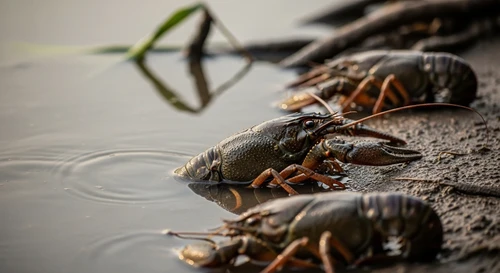
The Mekong Delta, a vast network of rivers, swamps, and islands in Southwestern Vietnam, is a treasure trove of seafood. Generations have relied on its bounty, from the iconic Ca Mau mud crab to plump freshwater prawns. While direct feeding of lobster to very young children isn't a traditional Vietnamese practice due to its cost and specific preparation, the underlying principle of respecting and moderating seafood intake for the young is deeply ingrained.
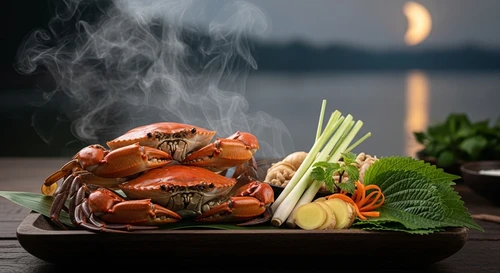
In the bustling floating markets or quiet riverside villages, you'll see families skillfully prepare and share a wide array of seafood. The emphasis is often on freshness and natural flavors, mirroring the approach needed when introducing premium ingredients to little ones. Think of the delicate, sweet meat of a Ca Mau Jumbo Mud Crab – its quality is best appreciated with minimal intervention. Similarly, when considering lobster for a toddler, the focus should be on purity and small, digestible quantities, much like appreciating the clean flavor of a perfectly steamed prawn.
Heritage Ingredient
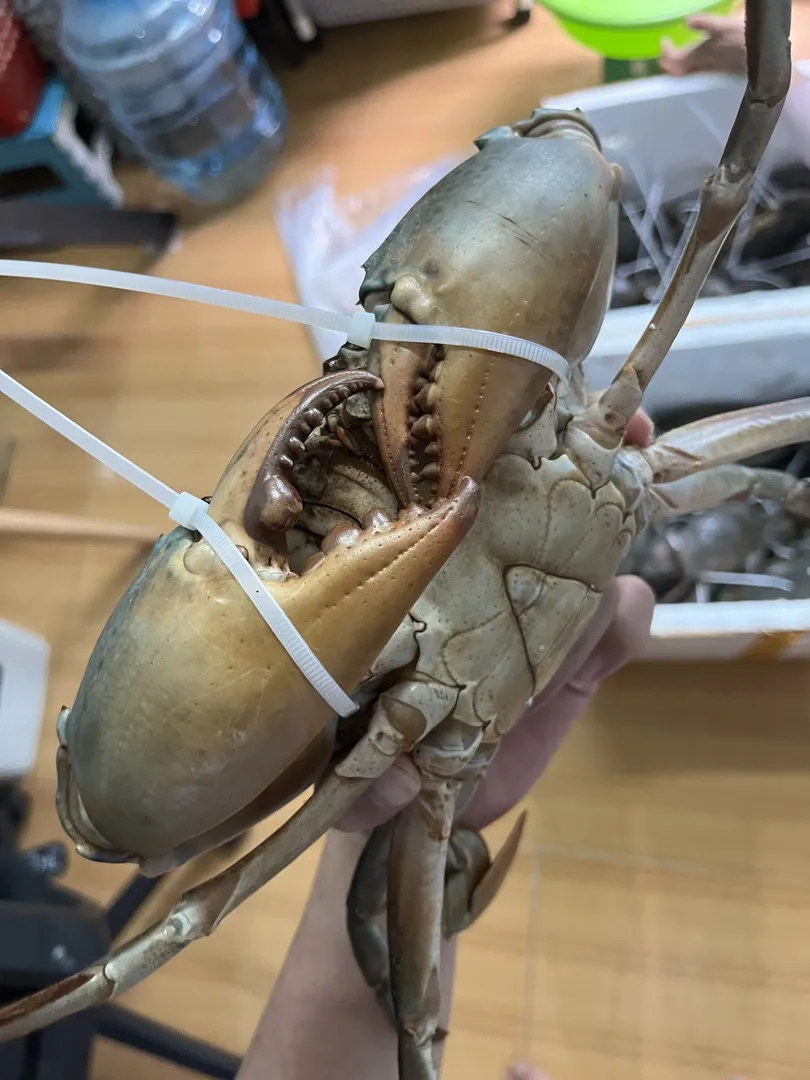
Ca Mau Jumbo Mud Crab
Ca Mau Jumbo Mud Crab
A large male mud crab prized for dense, sweet meat and thick claws, commonly used in steamed crab and grilled crab dishes across the Mekong Delta.
An icon of coastal culinary heritage, featuring firm, sweet meat that captures the raw power and freshness of Ca Mau's tides.
Heritage Ingredient
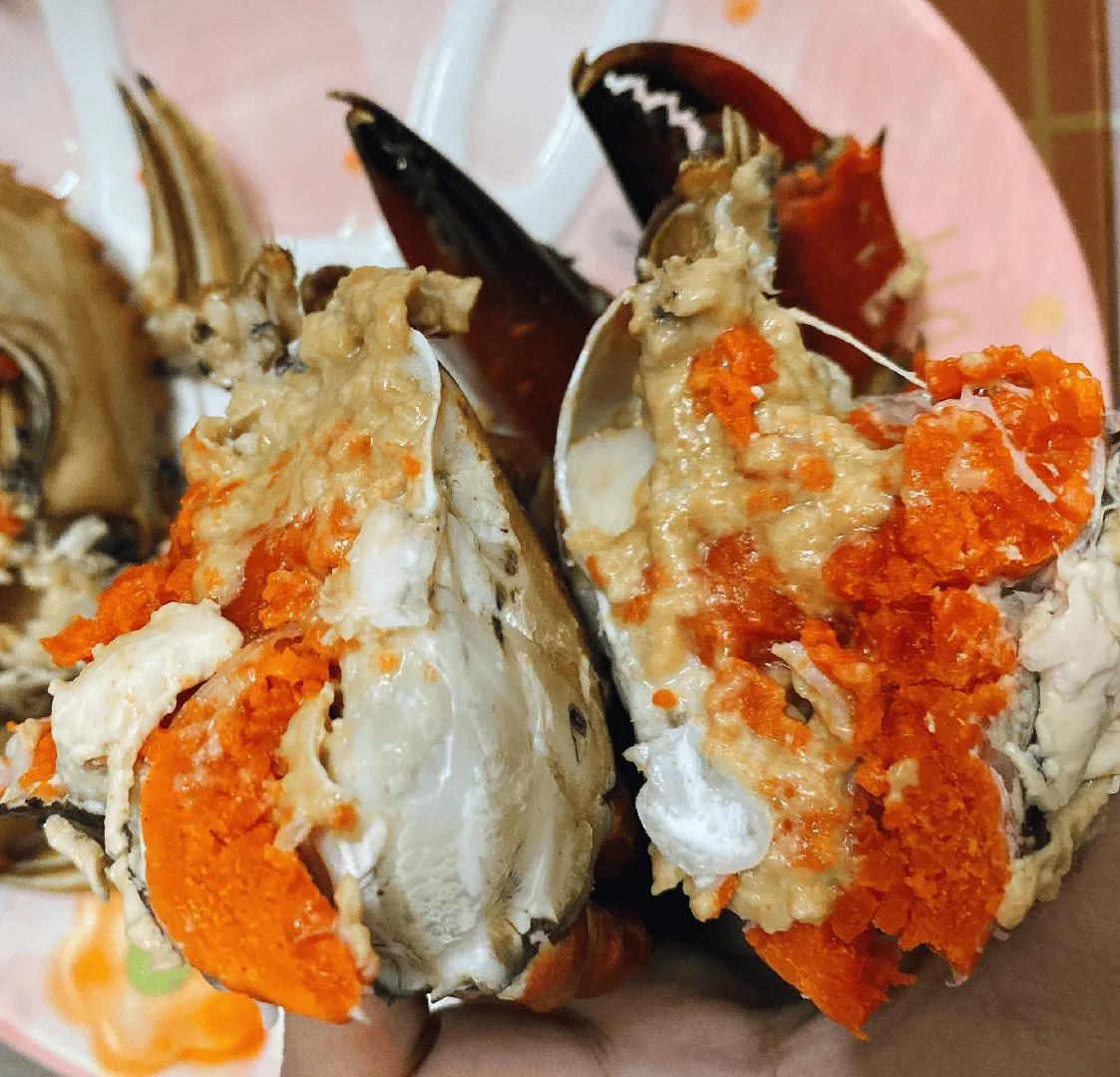
Ca Mau Roe Mud Crab
Ca Mau Roe Mud Crab
A female mud crab known for deep orange roe and a rich, creamy finish, often featured in celebratory Southern Vietnamese seafood meals.
A crimson treasure hidden within a shell, boasting rich, creamy roe that melts on your tongue like a golden sunset over the delta.

Heritage Ingredient
Mekong Giant Freshwater Prawn
Mekong Giant Freshwater Prawn
A river prawn with long blue claws and rich head fat, common in grilled prawn dishes and hotpot traditions across the Mekong basin.
Majestic blue-clawed warriors of the Mekong, famous for their rich, fatty heads and a savory depth that captures the essence of the delta's rivers.
The cultural reverence for high-quality, fresh ingredients in the Mekong Delta serves as a gentle reminder: even the most luxurious foods must be introduced thoughtfully, especially to the most vulnerable members of the family.
4 The "How-To" Guide: Serving Lobster Safely
When to Introduce?
- Post 1 Year: It’s generally advised to wait until after your child's first birthday.
- Allergy Awareness: Introduce one new potential allergen at a time and wait 2-3 days before introducing another to monitor for reactions.
Preparation is Key
- Cook Thoroughly: Ensure the lobster is fully cooked to eliminate any bacterial risks. Steaming or boiling are excellent, simple methods.
- No Shell, No Chunks: Remove all shell and cartilage. Finely mince or puree the meat.
- Plain is Best: Avoid added salt, butter, or spices. Let the natural flavor of the lobster shine.
5 The Devil is in the Details: Tiny Portions
As a rule of thumb, start with a quantity no larger than your thumbnail. Yes, that small. For a first introduction, even a few tiny flakes of pureed lobster are sufficient. Observe your child closely for any signs of digestive upset or allergic reaction (hives, swelling, vomiting, difficulty breathing).
Example Serving Size (First Introduction):
1-2 teaspoons of very finely minced or pureed cooked lobster meat.
Serve mixed with a familiar food, like their usual rice cereal or vegetable puree, to ease acceptance.
Debunking Myths
❓ Myth: Lobster is a magical brain food for babies.
❓ Myth: Bigger lobster means more nutrients.
❓ Myth: Toddlers can eat lobster like adults (e.g., in stir-fries).
Allergy Alert
Shellfish allergies are common and can be serious. If you suspect your child may have an allergy, or if they exhibit any symptoms after consuming lobster (or any new food), contact your pediatrician or an allergist immediately. Do not attempt to reintroduce the food until cleared by a medical professional.
Signs of an allergic reaction can include:
- Hives or rash
- Swelling of the lips, tongue, or face
- Vomiting or diarrhea
- Wheezing or difficulty breathing
- Anaphylaxis (a severe, life-threatening reaction)
Always err on the side of caution and consult with your healthcare provider before introducing any new food, especially common allergens.
A Balanced Approach
Introducing premium foods like lobster to toddlers is a delicate balancing act. It’s about understanding their developmental stage, respecting pediatric advice on portion control and preparation, and recognizing the immense nutritional value without overwhelming their system.
The goal is to foster a healthy relationship with food, introducing a variety of textures and flavors in a safe and digestible manner. So, while that succulent lobster tail might be a treat for you, for your little one, a few tiny, pureed morsels of its goodness, offered with careful observation, might just be the perfect introduction to the rich flavors of the sea.
Always remember to consult your pediatrician for personalized advice regarding your child's diet and introduce new foods one at a time.