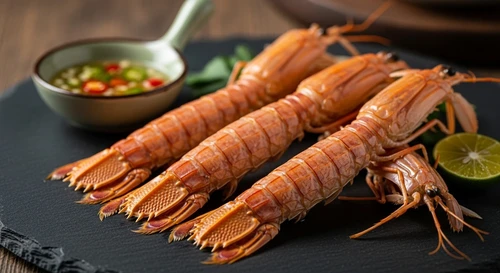
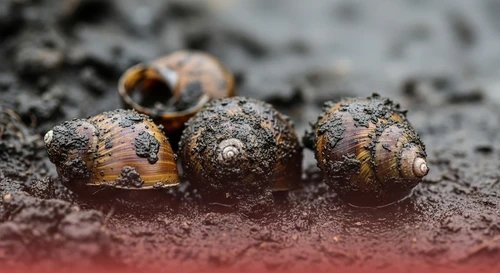
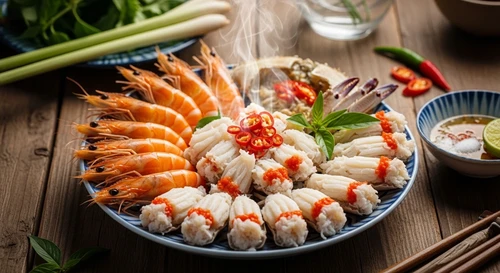
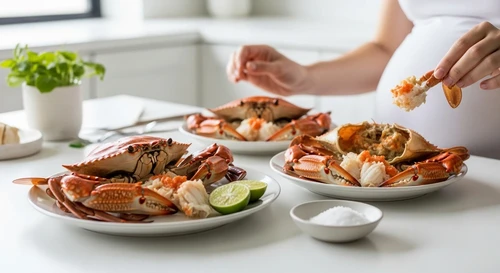
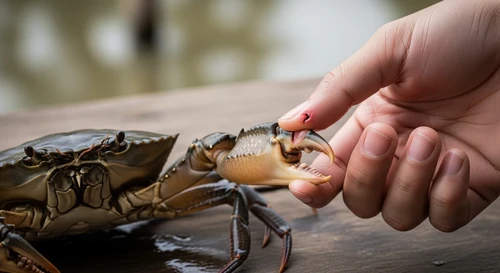
" In the vast tapestry of the Mekong Delta, where life pulses with the rhythm of tides and river currents, lie hidden treasures. Not of gold, but of sustenance. "
1 The Crimson Secret Within
Forget what you think you know about mollusks. Among the countless species that thrive in the brackish waters and mangrove-rich coastlines of Vietnam's southwestern tip, there exists a gem that holds a peculiar and potent secret: the Blood Cockle. Unlike its paler cousins, this humble bivalve carries within its shell a rich, ruby-red fluid. This isn't just any seafood juices; it's packed with hemoglobin, the very protein that gives our blood its color and carries precious oxygen throughout our bodies.
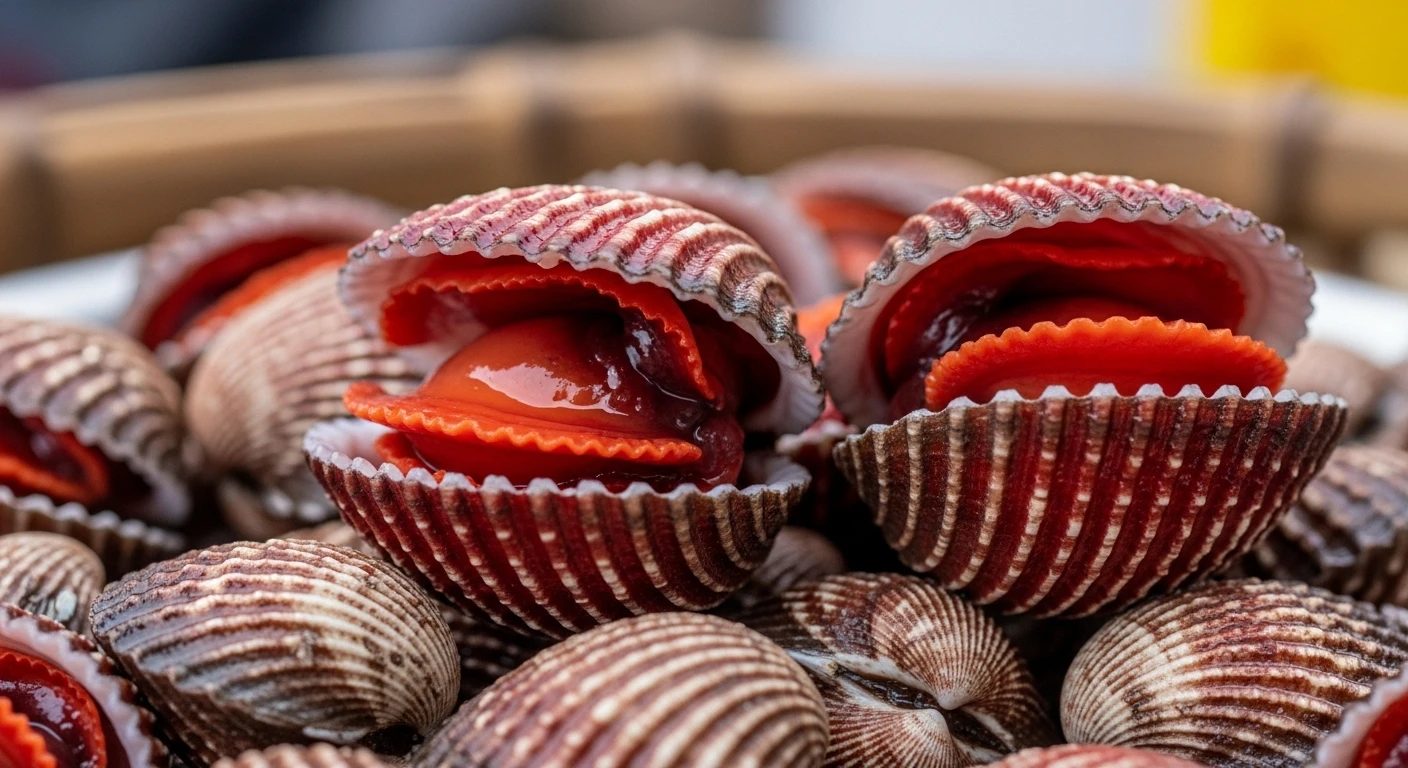
📸 The startling crimson hue of cooked blood cockles, hinting at their iron-rich nature.
This "blood" is precisely what makes blood cockles (known locally as Sò Huyết) a nutritional powerhouse, especially for those battling iron deficiency. In the heart of the Mekong Delta, where livelihoods are often tied to the water, these cockles are not just food; they are a vital source of natural medicine, a traditional remedy passed down through generations.
2 The Silent Struggle: Understanding Anemia
Iron deficiency anemia is a widespread condition, particularly affecting women due to menstrual blood loss and the demands of pregnancy. Symptoms can be debilitating: chronic fatigue, pale skin, shortness of breath, headaches, and persistent dizziness. It's a condition that can steal your energy, your focus, and your zest for life.
The Role of Iron (Fe)
Iron is a fundamental trace element crucial for producing hemoglobin, the protein in red blood cells responsible for transporting oxygen from your lungs to the rest of your body. Without sufficient iron, your body can't produce enough healthy red blood cells, leading to that familiar feeling of being drained.
While modern medicine offers supplements, there's an undeniable power in nourishing your body with whole, natural foods. For women in the Mekong Delta, the blood cockle has long been a readily available, delicious, and effective solution. The high concentration of heme iron in these cockles is readily absorbed by the body, making it more bioavailable than non-heme iron found in plant-based foods.
3 From Mudflats to Market Stalls
The harvest of blood cockles is deeply intertwined with the coastal communities of the Mekong Delta, particularly in provinces like Ben Tre, Soc Trang, and Ca Mau. These regions, characterized by expansive mangrove forests and intricate river networks, provide the ideal habitat for Sò Huyết to flourish. Fishermen, often working from small wooden boats or wading through the muddy intertidal zones, carefully harvest these mollusks.
The Ecosystem
The health of the mangrove ecosystem is paramount. These unique environments filter water, protect coastlines, and provide crucial nurseries for marine life, including the blood cockle. Sustainable harvesting practices are essential to ensure this vital food source and livelihood continue for generations.
Local Wisdom
Locals have always known the secret of Sò Huyết. Beyond its iron content, it's revered for its supposed blood-nourishing properties. It's commonly recommended for women recovering from childbirth, the elderly, and anyone feeling weak or rundown. This is knowledge born from observation and sustained tradition.
The journey from the muddy sea floor to the bustling local markets is a testament to the resilience and resourcefulness of the Mekong people. The sight of fresh blood cockles, still glistening with sea water, is a common and welcome one in these parts.
4 A Taste of Life: Simple, Pure, Potent
The beauty of the blood cockle lies in its preparation. To best preserve its delicate flavor and its precious iron content, simplicity is key. Overcooking can diminish both. The most traditional and revered methods highlight the natural essence of the mollusk:
Steamed (Hấp)
- Method: Briefly steamed, just until the shells open and the inner fluid turns a vibrant crimson.
- Accompaniments: Typically served with a dipping sauce made from fresh lime juice, salt, and chili. The acidity of the lime enhances the flavor and aids in nutrient absorption.
Grilled (Nướng)
- Method: Grilled over charcoal, often with a light basting of garlic or chili oil.
- Flavor Profile: A smoky char complements the natural sweetness and iron-rich interior.
The Dipping Sauce is Crucial
A simple mixture of lime juice, finely chopped chili, and a pinch of salt is the classic pairing. The freshness cuts through the richness and ensures every bite is a burst of flavor.
5 Sourcing Wisely: Health & Environment
As with any shellfish harvested from coastal waters, sourcing is key. For the best health benefits and to ensure environmental responsibility, opt for blood cockles from reputable sources. In Vietnam, look for those harvested from established mangrove farms or coastal areas known for clean waters. Local knowledge and recommendations are invaluable here.
Key Considerations:
- Freshness: Blood cockles must be alive when purchased. Live shells will be tightly closed or close when tapped.
- Origin: Prefer cockles from aquaculture farms or areas with good water quality reports. The Mekong Delta's coastal regions are primary sources.
- Preparation: Thoroughly rinse and scrub the shells before cooking.
- Consumption: Cook them briefly. Overcooking will make them tough and can reduce their nutritional value.
6 A Modern Prescription for Wellness
While the blood cockle remains a staple in Vietnamese cuisine, its incredible iron content is gaining recognition globally. For individuals worldwide struggling with iron deficiency, particularly women, seeking natural and whole-food-based solutions, the Sò Huyết offers a compelling alternative. It's a reminder that sometimes, the most potent remedies are found in the simplest of nature's gifts.
So, the next time you have the opportunity, whether in the vibrant markets of the Mekong or perhaps a well-stocked Asian market abroad, consider the humble blood cockle. It's more than just a meal; it's a taste of the delta's vitality, a crimson promise of renewed energy, and a natural ally in the fight against anemia.