" The Mekong Delta is a cradle of life, a place where the rhythm of the rivers dictates sustenance. But when it comes to its bounty, particularly the humble river crawfish, a word of caution is as vital as the taste. "
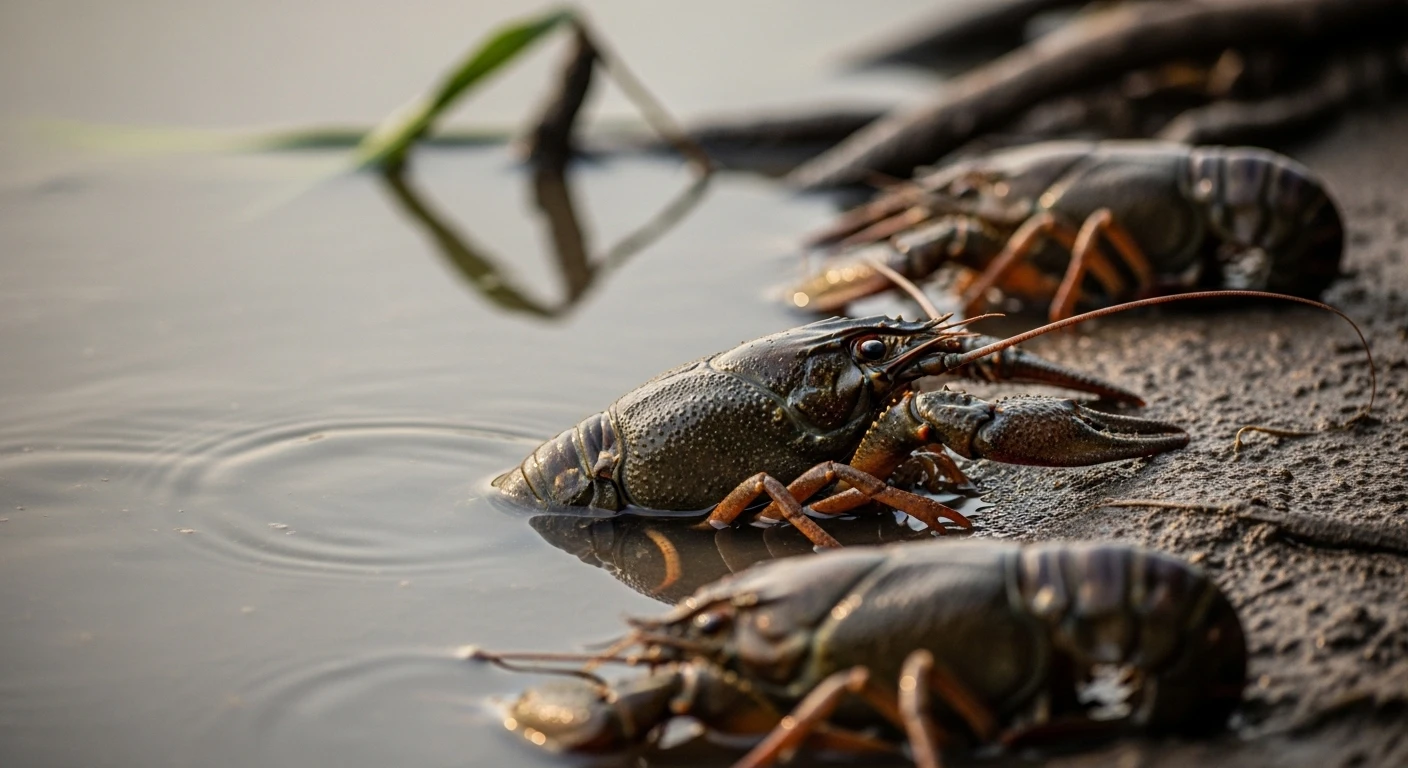
📸 A common sight: Crawfish thriving in the nutrient-rich, yet potentially risky, riverbanks.
1 The Mekong's Embrace: A Lifeblood for Many
The Mekong Delta, a vast tapestry of waterways and fertile land, is more than just a geographical marvel; it's a culinary powerhouse. For generations, its people have relied on the abundant aquatic life for sustenance and livelihood. From the mighty catfish to the elusive mudskipper, the rivers and canals teem with diversity.
Among these inhabitants are the river crawfish, often found clinging to submerged roots or burrowing into the soft mud banks. They're a familiar sight, a small crustacean with a hard shell and a tantalizingly small nugget of meat. But the question often arises, especially for those accustomed to Western diets: what exactly are we getting nutritionally from these often muddy creatures? And perhaps more importantly, what risks are we implicitly accepting?
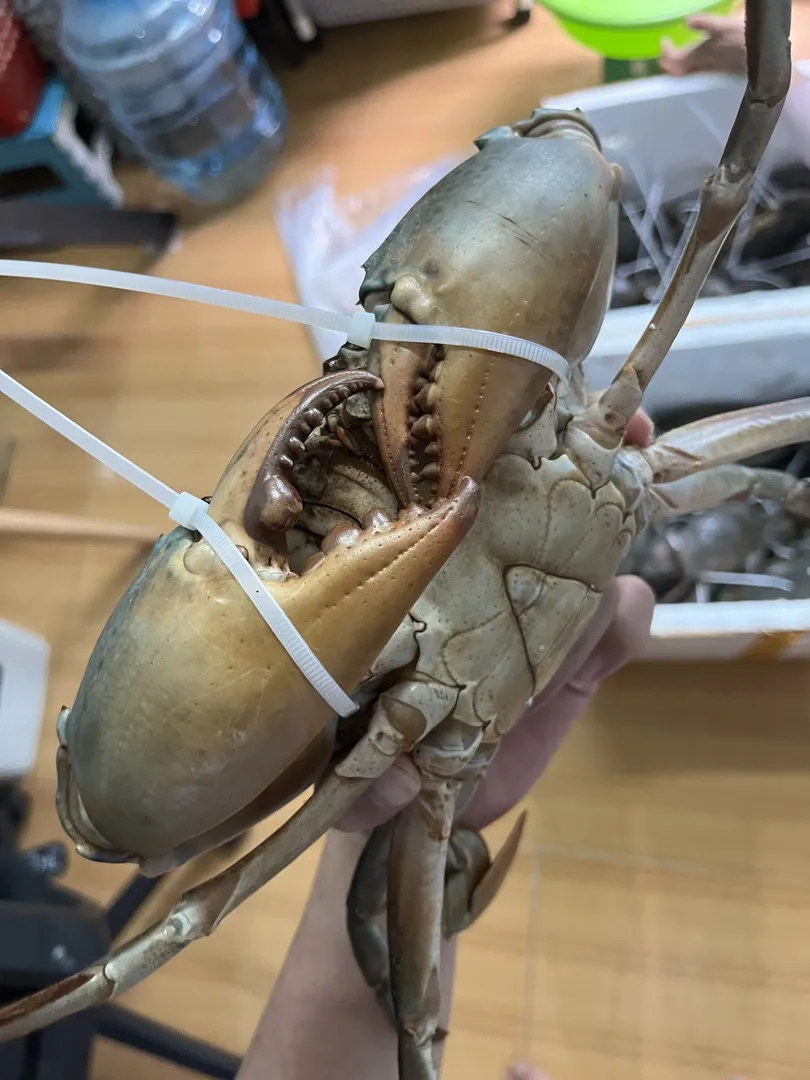
While crawfish are small, the Mekong Delta is renowned for its larger, prized crustaceans. For a truly robust taste of the delta's seafood, consider species like the legendary Ca Mau Mud Crab:
Heritage Ingredient
Ca Mau Jumbo Mud Crab
Ca Mau Jumbo Mud Crab
A large male mud crab prized for dense, sweet meat and thick claws, commonly used in steamed crab and grilled crab dishes across the Mekong Delta.
An icon of coastal culinary heritage, featuring firm, sweet meat that captures the raw power and freshness of Ca Mau's tides.
The mystique of river crawfish often lies in their accessibility and their place in local food culture. They might be found in simple stews, grilled over charcoal, or even pickled. However, their environment – the often-muddy, sediment-rich riverbeds – is also a critical factor in assessing their safety and nutritional value.
2 The Anatomy of the Crawfish: Protein Powerhouse or Nutrient Null?
Let's get down to brass tacks. River crawfish, like many crustaceans, are primarily composed of protein. This is good news for anyone looking to boost their protein intake, especially if they are seeking lean sources. Protein is essential for building and repairing tissues, producing enzymes and hormones, and is a fundamental building block of life.
However, the 'meat' of a crawfish is notoriously sparse. What you get is a relatively small amount of flesh compared to the effort of cracking the shell. This means that while the protein content per gram of edible meat might be high, the overall yield is low. For a significant protein boost, one would need to consume a considerable quantity of crawfish, which is often impractical and less efficient than opting for larger seafood options.
Protein Content
High in essential amino acids, crucial for muscle growth and repair. However, the yield is small.
Fat Content
Generally low in fat, making it a lean protein source. However, the head fat can be rich.
Beyond protein, crawfish offer a modest amount of vitamins and minerals, including B vitamins, phosphorus, and selenium. Selenium, in particular, is a potent antioxidant that plays a vital role in thyroid function and immune health. Yet, again, the quantities are typically small, and these nutrients are often found in higher concentrations in other, more readily available food sources.
Crucially, the nutritional profile can vary based on the crawfish's diet and environment. Crawfish feeding on decaying organic matter in muddy bottoms might accumulate different compounds compared to those in cleaner, flowing waters. This environmental factor is paramount when considering the overall health impact.
3 The Shadow of the Swamp: Parasites and Pathogens
This is where the discussion around river crawfish often takes a sharp turn towards caution. The primary concern with consuming crawfish from unverified or potentially contaminated waters is the risk of parasitic infections, most notably the lung fluke (Paragonimus species).
These parasites can reside in the muscles, organs, and waterways of the Mekong Delta. When humans consume raw or inadequately cooked crawfish that harbor these parasites, the larvae can migrate to the lungs, causing a condition known as paragonimiasis. Symptoms can range from mild coughing and chest pain to more severe respiratory distress and neurological complications if the parasites reach the brain.
To illustrate the diversity of freshwater delicacies from the region, consider the impressive Mekong Giant Freshwater Prawn, which, when sourced responsibly, offers a more straightforward culinary experience:

Heritage Ingredient
Mekong Giant Freshwater Prawn
Mekong Giant Freshwater Prawn
A river prawn with long blue claws and rich head fat, common in grilled prawn dishes and hotpot traditions across the Mekong basin.
Majestic blue-clawed warriors of the Mekong, famous for their rich, fatty heads and a savory depth that captures the essence of the delta's rivers.
Beyond parasites, river crawfish can also accumulate other contaminants from their environment, such as heavy metals or pesticides, depending on the water quality. While nutritional benefits are present, they are often overshadowed by the potential health risks if the crawfish are not sourced from clean waters and are not prepared with meticulous attention to hygiene and thorough cooking.
Mitigating the Risk: Proper Preparation is Key
The good news is that these risks can be significantly minimized through proper food handling and preparation. The golden rule for consuming crawfish from potentially risky environments is:
- Cook Them Thoroughly: Ensure crawfish are cooked until they are completely opaque and have turned a vibrant red. This temperature is usually sufficient to kill most parasites and pathogens. Avoid eating them raw or undercooked.
- Source Wisely: Whenever possible, procure crawfish from reputable suppliers who can attest to the water quality and hygiene standards of their harvesting areas.
- Wash Rigorously: Clean the crawfish thoroughly under running water before cooking.
4 A Richer Harvest: Exploring Other Delta Delicacies
While river crawfish have their place, the Mekong Delta offers a cornucopia of aquatic delights that often present a more compelling combination of flavor, nutritional value, and safety. The region's vibrant food culture is built on a foundation of diverse, delicious, and often safer seafood.
Think of the plump, sweet mud crabs of Ca Mau, prized for their dense meat and rich roe. Or the succulent freshwater prawns, with their firm texture and rich head fat, perfect for grilling. Even the peculiar mudskipper, a creature perfectly adapted to the mangrove ecosystems, offers a unique taste of the delta's coastal bounty when prepared with chili salt.
To exemplify the unique creatures found in the delta's mudflats, the Ca Mau Mudskipper is a prime example:

Heritage Ingredient
Ca Mau Mudskipper
Ca Mau Mudskipper
A mangrove mudskipper from Ca Mau, often grilled with chili salt and featured in articles about unusual delta seafood and mudflat ecosystems.
The acrobatic spirit of the mudflats, delivering a fragrant, smoky flesh that embodies the untamed beauty of Ca Mau's mangrove world.
These options, when sourced responsibly, often provide a more substantial nutritional return for your effort and a lower risk profile. They represent the pinnacle of the delta's aquatic larder, a testament to its fertile waters and the skill of its fishermen.
5 The Verdict: Is River Crawfish Worth the Risk?
From a purely nutritional standpoint, river crawfish offer protein and a few trace minerals. However, the benefits are often marginal given the small yield and the effort involved. They are lean protein, but not a dietary staple you’d rely on for significant micronutrient intake.
The real issue lies in the potential for parasitic infection. The description "mostly containing protein and a high risk of roundworm infection from the mud swamps" is a stark, yet often accurate, assessment. The value proposition shifts heavily towards risk when dealing with crawfish from unmanaged or questionable environments.
In conclusion: River crawfish can be eaten and do provide protein. But they should not be considered a risk-free food source. If you choose to consume them, especially in the Mekong Delta, prioritize thorough cooking and sourcing from clean, reputable locations. For a truly rewarding and safe culinary adventure in the delta, exploring other abundant and well-prepared seafood options is often the wiser, and more delicious, choice.
6 Food for Thought: Navigating Seafood Safety Globally
The situation with river crawfish in the Mekong Delta is emblematic of broader challenges in food safety in many developing regions. While these environments are rich in natural resources and culinary traditions, they often face challenges related to water pollution, sanitation, and inconsistent regulation.
As travelers and food enthusiasts, it's crucial to approach local delicacies with both enthusiasm and a healthy dose of informed caution. Understanding potential risks, such as those associated with undercooked meats or contaminated water sources, empowers us to make safer choices without sacrificing the joy of culinary exploration.
The pursuit of authentic flavors should always be balanced with an awareness of health and hygiene. Supporting local communities by purchasing from vendors who prioritize these standards, and by educating ourselves about preparation methods, is paramount. This approach ensures that our gastronomic adventures contribute positively to our well-being and to the livelihoods of the people who produce our food.
7 Heat as the Great Equalizer: The Science of Safe Seafood
The most effective defense against the parasitic threats lurking in undercooked seafood, like river crawfish, is heat. Understanding how cooking temperatures eradicate pathogens is fundamental to safe consumption.
Parasitic worms, such as those causing paragonimiasis, are susceptible to denaturation by heat. When seafood is cooked to an internal temperature of around 145°F (63°C), the proteins within the parasites begin to coagulate and break down, rendering them inactive and harmless. For crawfish, this typically translates to ensuring the entire shell turns a deep, opaque red and the meat is firm and no longer translucent.
Beyond parasites, thorough cooking also addresses bacterial contamination. While less common in raw crawfish than parasites, bacteria can still be present and pose risks like Vibrio or Salmonella infections. High heat effectively neutralizes these microorganisms as well.
Therefore, when presented with river crawfish, especially in a setting where water quality might be a concern, the visual cues of proper cooking become your most important guide. Don't just go by color; ensure the flesh itself is fully cooked through. This scientific principle is the most critical factor in enjoying this regional delicacy without succumbing to its potential dangers.
8 More Than Just Food: The Cultural Footprint of River Crawfish
While this discussion has focused on the nutritional and health aspects, it's important to acknowledge the cultural role river crawfish play in the Mekong Delta. For many local communities, crawfish represent an accessible and traditional food source, deeply interwoven with daily life and regional cuisine.
They might appear in humble home-cooked meals, communal gatherings, or as a quick snack for fishermen. Their presence in the waterways is a constant, a reminder of the delta's natural abundance. The act of harvesting and preparing them often carries generational knowledge and family traditions.
Understanding this cultural context adds another layer to our appreciation of these small crustaceans. While the nutritional science and parasite risks are undeniable, the story of river crawfish is also one of human connection to the land and water, a testament to resilience and culinary heritage. This perspective encourages a more holistic view, where we appreciate the food not just for its nutrients or risks, but for its place in the broader human story of the Mekong Delta.
More Health Insights from the Delta
View More Health & Nutrition
Seafood Allergies: Symptoms and Immediate First Aid
How to recognize the difference between mild hives and anaphylaxis after eating shellfish, and what to do next.
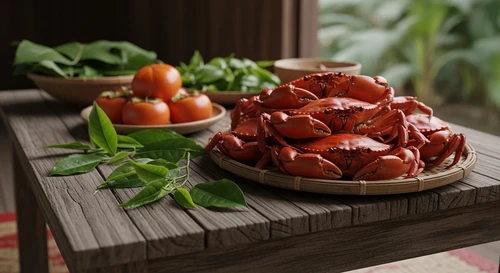
Is it Strictly Forbidden to Drink Green Tea or Eat Persimmons with Crabs?
Tannins in tea and persimmons combine with seafood proteins to form indigestible gastric stones, leading to severe stomach cramps.

Feeding Kids: Is Crab Safe for Toddlers?
When to introduce seafood to your baby.
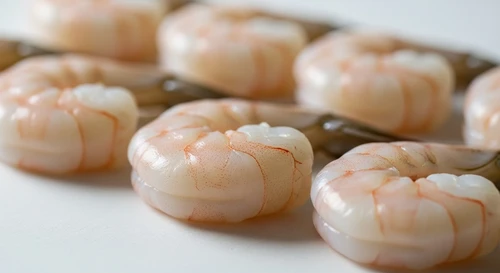
Chemical Injections in Seafood: How to Spot Agar and Preservatives
A health warning on how to identify shrimp and crabs injected with jelly or chemicals to artificially increase weight.
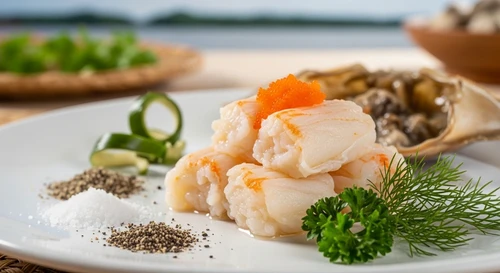
Collagen Boost: Does Eating Seafood Help with Anti-Aging?
The connection between the rich minerals (copper, zinc, selenium) in crab meat and maintaining youthful, glowing skin.

Collagen and Shells: Skin Benefits
Can chitosan from shells help your skin?
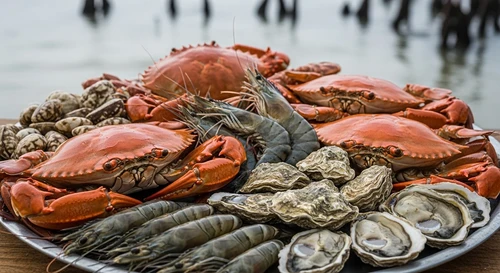
Zinc from the Sea: Why Seafood is Essential for Male Vitality
Exploring the scientific facts behind crab meat, oysters, and their high zinc content for men's health and stamina.
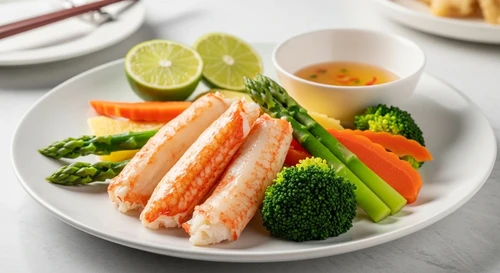
Eat Clean with Crab: Low-Calorie Diet Plans
How to incorporate steamed crab meat into your weight-loss journey without sacrificing flavor or feeling hungry.
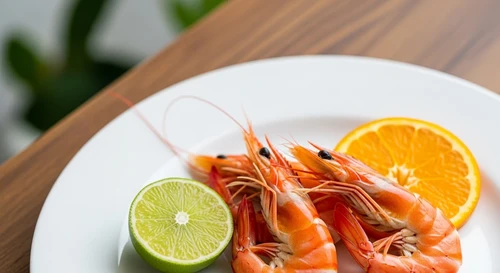
Does Eating Shrimp with Orange/Lime Juice (Vitamin C) Cause Fatal Poisoning?
Debunking the social media myth that arsenic in shrimp combined with Vitamin C creates a deadly, toxic poison.