" The ocean gifts us with incredible bounty, but it also harbors potent defenses. Some of the most delicate-looking creatures pack the most dangerous punches. "
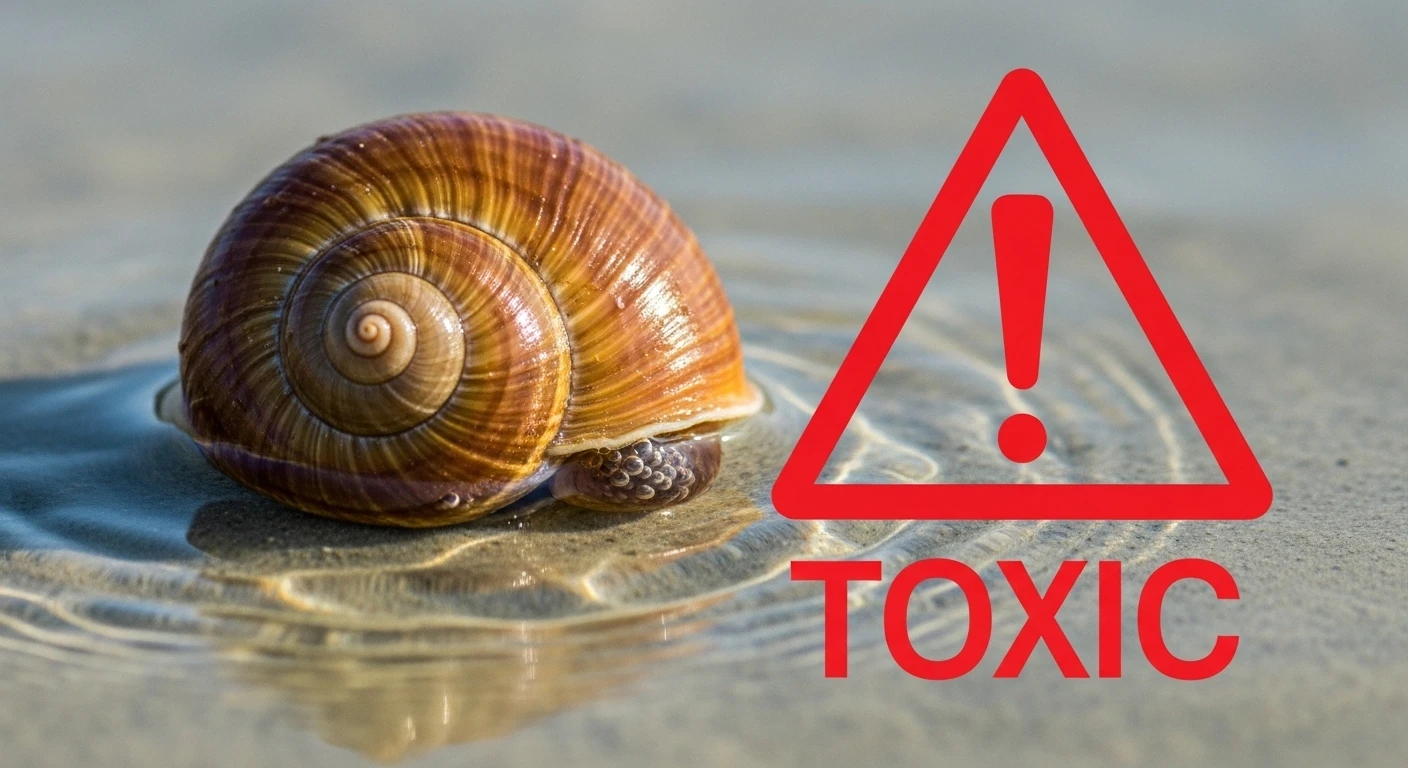
📸 The subtle beauty of marine life can mask potent toxins.
1 Beyond the Shell: Understanding Marine Neurotoxins
When we talk about allergies, we usually think of hives, itching, or anaphylaxis. But certain marine creatures, particularly some sea snails, can cause reactions that mimic neurological distress, and it's crucial to differentiate. These aren't true "allergies" in the immunological sense of an overreactive immune response to a protein. Instead, they are often poisonings caused by potent neurotoxins present in the snail's tissues.
These toxins, such as tetrodotoxin (TTX) found in some species like pufferfish but also present in certain gastropods, or other complex peptide toxins, directly interfere with the nervous system. They can block nerve signals, leading to a cascade of alarming symptoms.
What are Neurotoxins?
These are toxins that act specifically on the nervous system. They can disrupt nerve cell function, leading to paralysis, numbness, respiratory failure, and even death. The mechanism is often by blocking ion channels essential for nerve impulse transmission.
Why Sea Snails?
Many marine invertebrates produce toxins as a defense mechanism or to subdue prey. Sea snails, especially certain predatory species or those that consume toxic algae, can accumulate these harmful compounds within their bodies. The toxins are often concentrated in specific organs, but can be present throughout.
2 The Mekong's Bounty: A Gastronomic Landscape
The Mekong Delta, a vast labyrinth of rivers, canals, and fertile floodplains in Southern Vietnam, is a paradise for seafood lovers. From the brackish waters of the coast to the freshwater arteries inland, life teems. Ca Mau, the southernmost province, is particularly renowned for its incredibly rich seafood culture, driven by extensive mangrove forests and coastal aquaculture.
While the region is celebrated for its succulent mud crabs (like the prized Ca Mau Jumbo Mud Crab or the rich Ca Mau Roe Mud Crab), abundant black tiger shrimp, and countless varieties of fish, the diversity also includes less common species. The casual diner might encounter various shellfish, including local snails. Most are harmless and delicious, often prepared in savory stir-fries with coconut milk or chili and garlic. However, the sheer biodiversity means one must always be aware of what ends up on the plate.
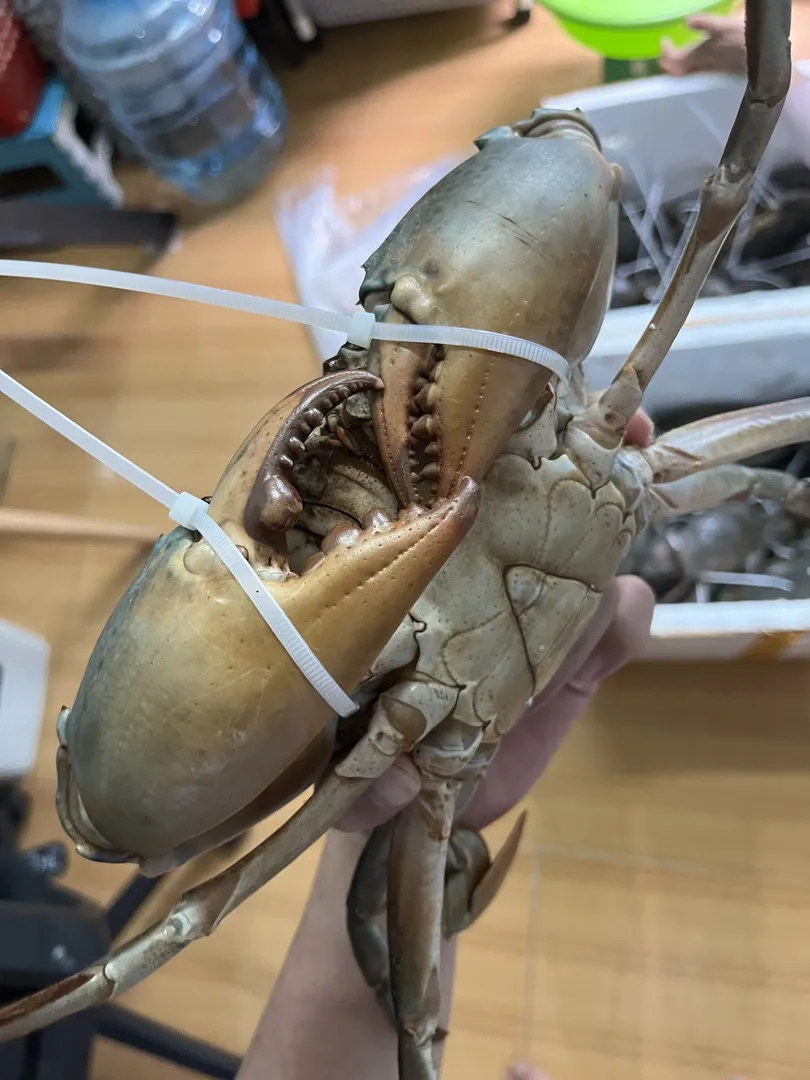
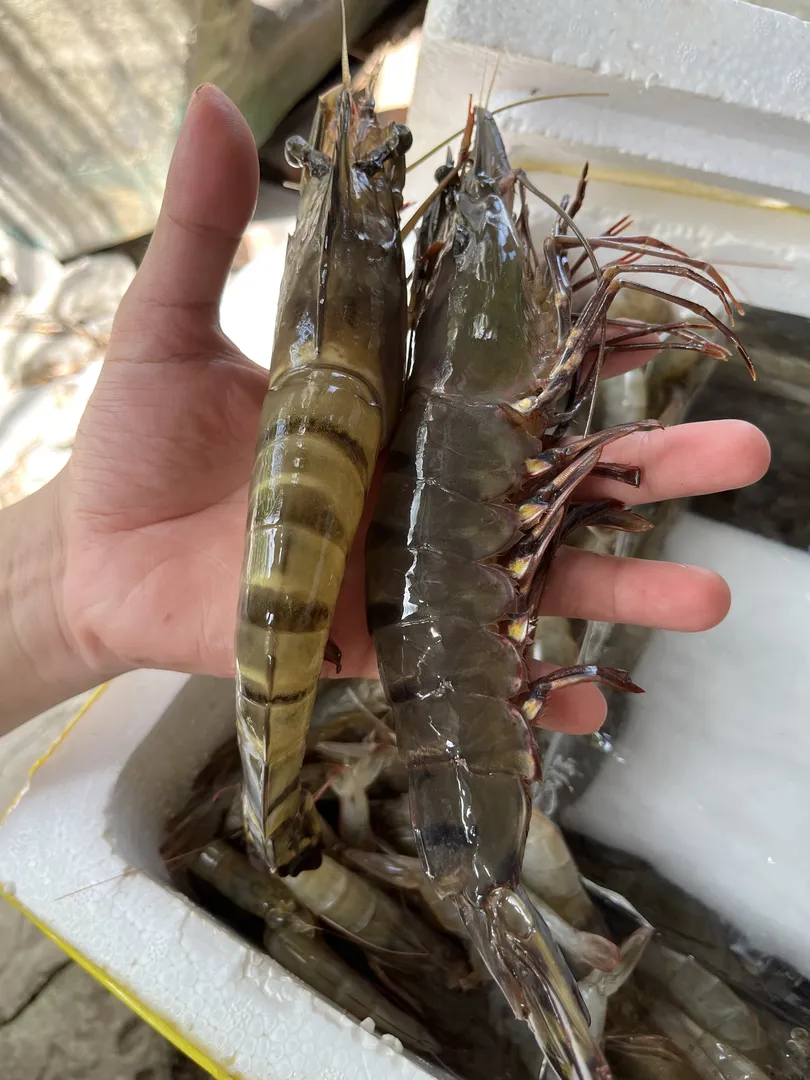

The important takeaway is not to fear the Mekong's seafood, but to approach unfamiliar species with caution and to trust reputable sources. This article focuses on a specific, dangerous reaction, not a general warning about all shellfish.
3 The Alarming Signs: It's More Than Just an Allergy
A typical allergic reaction might manifest as itching, swelling, or hives. But when dealing with neurotoxins from certain marine organisms, the symptoms can escalate rapidly and affect critical bodily functions. It's vital to recognize these signs:
- Lip and Mouth Numbness: A tingling or dead sensation on the lips, tongue, or inside of the mouth, often the first warning sign.
- Numbness Spreading: This can extend to the face, neck, and even extremities.
- Difficulty Speaking or Swallowing: Due to numbness and potential muscle weakness.
- Shortness of Breath / Respiratory Distress: This is the most dangerous symptom, indicating that the neurotoxin is affecting the respiratory muscles.
- Dizziness or Vertigo: A feeling of disorientation.
- Nausea or Vomiting: Though less specific, it can accompany other symptoms.
- Muscle Weakness or Paralysis: In severe cases.
When to Seek Emergency Help 🚑
If you experience any of the symptoms listed above after consuming sea snails or other unfamiliar shellfish, **do not wait**. This is a medical emergency.
1. Call your local Emergency Services (e.g., 911, 112) IMMEDIATELY.
2. Inform them of what you ate and your symptoms.
3. If possible, bring any remaining food sample to the hospital.
Healthcare professionals can provide supportive care, which may include respiratory support and monitoring. There is often no specific antidote for marine neurotoxins, making prompt medical attention crucial for survival.
5 A Closer Look: Toxins and Their Sources
While this article doesn't aim to be an exhaustive toxin guide, understanding the general categories can be helpful:
Ciguatera Fish Poisoning (CFP):
Though more commonly associated with large predatory reef fish, the dinoflagellates that cause ciguatera can be consumed by smaller organisms, including some shellfish. This toxin affects both nervous and gastrointestinal systems.
Tetrodotoxin (TTX):
Famous in pufferfish, TTX is a potent neurotoxin that can block sodium channels. Certain species of sea snails, particularly those in the family Muricidae (murex snails), have been found to contain TTX, sometimes acquired from their prey (like pufferfish or sea stars). Symptoms include numbness, paralysis, and respiratory failure.
Saxitoxin and Paralytic Shellfish Poisoning (PSP):
Produced by certain dinoflagellates, saxitoxin is another potent neurotoxin that causes PSP. Shellfish filter these algae and accumulate the toxin. Symptoms are very similar to TTX poisoning, including tingling, numbness, and respiratory paralysis. Some sea snails can also accumulate PSP toxins.
Other Peptides and Amines:
Various other complex toxins can be present in marine invertebrates, impacting nerve function, muscle control, and other physiological processes. The exact nature of toxins in specific snail species can vary greatly and is an area of ongoing scientific research.
It's important to note that not all sea snails are toxic, and even in toxic species, the concentration of toxins can vary based on geography, season, and the snail's diet.
6 Enjoying Marine Delicacies Responsibly
The beauty of the Mekong Delta's culinary scene lies in its diversity, and seafood is central to it. While this article highlights a specific danger, it's not intended to scare you away from enjoying the region's food.
General Guidelines for Safer Seafood Consumption:
- Source Wisely: Always buy seafood from reputable vendors and markets. In regions like the Mekong Delta, this means understanding local fishing practices and relying on established suppliers.
- Identify Your Food: If you're unsure about a specific type of shellfish or snail, do not consume it. Ask locals or your guide for identification.
- Know Local Warnings: Be aware of any local advisories regarding toxic species or red tides, which can indicate high toxin levels in shellfish.
- Cook Thoroughly? (Limited Protection): While cooking can degrade some toxins, it is ineffective against potent neurotoxins like TTX and saxitoxin. Do not rely on cooking alone to neutralize these poisons.
- Avoid Unfamiliar Snails: Unless you are with an expert or are certain of the species' safety, it is best to avoid consuming unknown sea snails, especially if they are predatory.
7 Geography, Seasonality, and Toxin Levels
The presence and concentration of marine toxins are not static. They can vary significantly based on several factors, making even familiar species potentially risky at certain times or in certain locations:
Geographic Location:
Different marine environments support different toxic algae blooms and have different predator-prey relationships. What might be safe in one coastal area or river mouth could be hazardous in another.
Seasonal Factors:
Algal blooms, which are the primary source of many marine toxins, are often seasonal. This means that shellfish and the snails that consume them can become toxic during specific times of the year.
Diet of the Snail:
As mentioned, many snails accumulate toxins from their diet. If a snail preys on or scavenges from toxic organisms, it can become toxic itself. This bioaccumulation is a key factor.
Species Identification:
Accurate identification is paramount. Even within the same genus, species can have vastly different toxicological profiles. Misidentification is a common pathway to accidental poisoning.
8 A Word on Misdiagnosis
It's crucial for both individuals and medical professionals to recognize that numbness, tingling, and respiratory issues after seafood consumption may not be a typical allergy. Anaphylaxis typically involves histamine release and IgE-mediated responses, leading to different symptoms like widespread hives, bronchoconstriction, and vasodilation. Marine neurotoxin poisoning, however, is a direct assault on the nervous system.
Promptly informing medical personnel about the specific food consumed is critical for accurate diagnosis and effective treatment. While supportive care is the mainstay for neurotoxin poisoning, avoiding treatments for allergic reactions that could be ineffective or even harmful is essential.
Remember: Lip numbness, tongue tingling, and difficulty breathing after eating sea snails are signs for the ER, not for antihistamines.