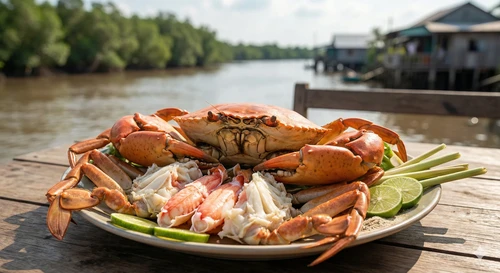
" In the digital age, misinformation travels faster than a Mekong river current. One of the latest victims? The humble prawn. A dark line running along its belly has sparked a panic: is it toxic? "
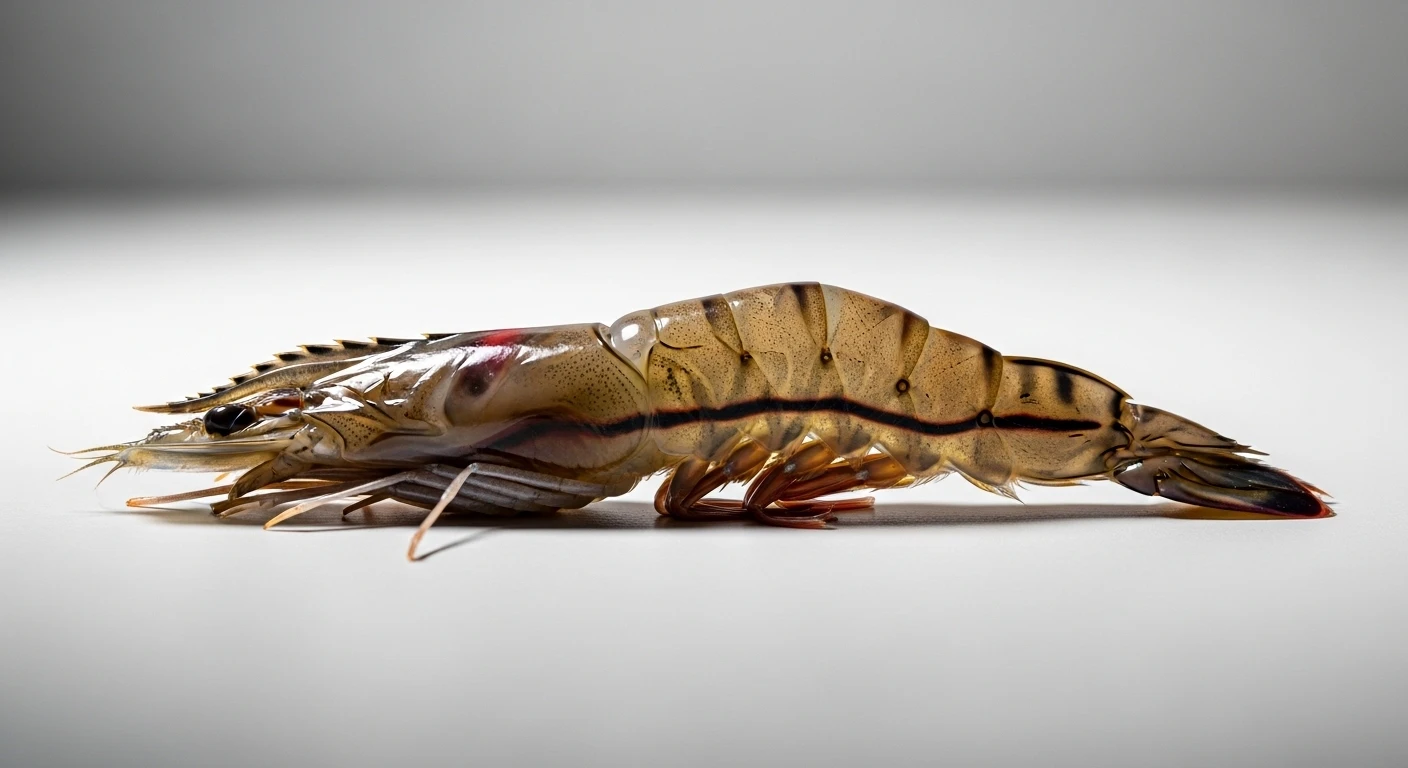
📸 Clarity in focus: A fresh prawn, highlighting the anatomy we're discussing.
1 The Mekong Delta: A Prawn Paradise
For many, the journey of a prawn begins not in a sterile lab, but in the vibrant, muddy waters of Vietnam's Mekong Delta. Here, shrimp farming, particularly of Black Tiger Prawns and Giant Freshwater Prawns, is a way of life, a crucial part of the regional economy and diet. Generations have harvested and cooked these crustaceans, developing an intimate understanding of their nature. So, when internet whispers start about toxicity, it's a conversation that needs to be grounded in the reality of this rich aquatic ecosystem.
Imagine the endless network of canals, the brackish waters where mangroves thrive, and the coastal communities that depend on the bounty of the sea and rivers. In places like Ca Mau, the southernmost province, shrimp cultivation is paramount. This isn't just about food; it's about livelihoods, tradition, and a deep-seated knowledge of the ingredients that grace every meal. The idea that a natural anatomical feature could be "toxic" often stems from a lack of familiarity with the creature itself.
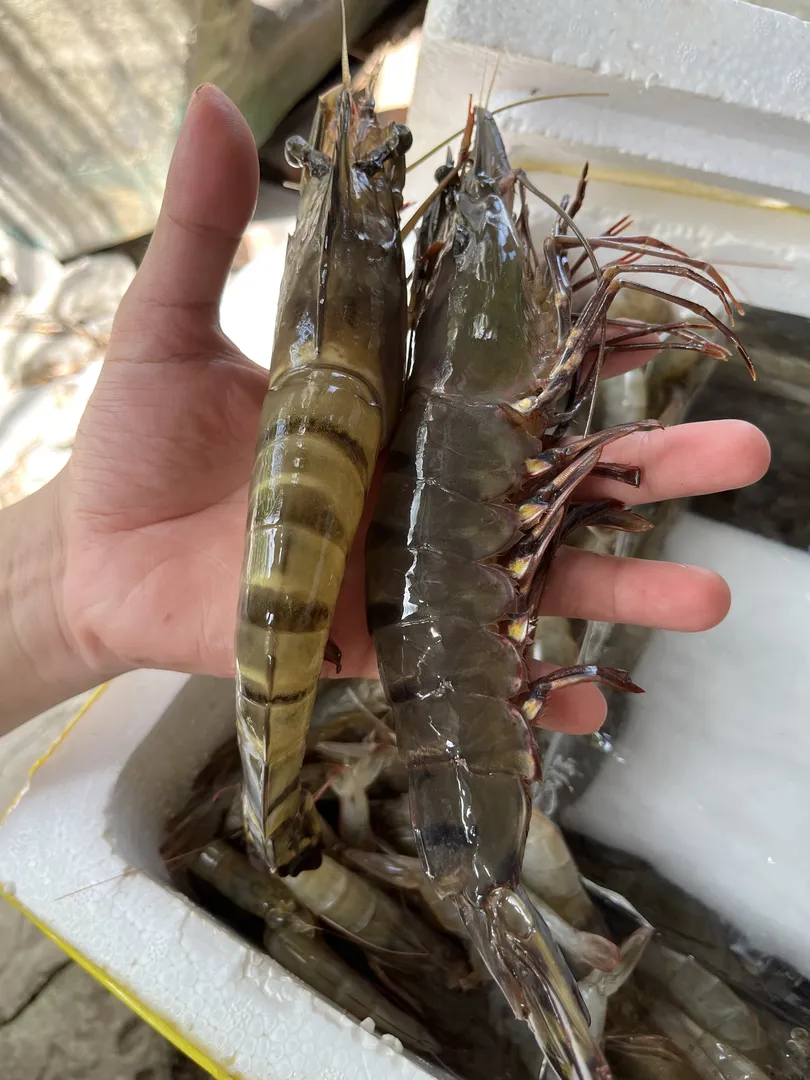
Ca Mau Black Tiger Shrimp
Prized for their firm flesh and clean, sweet taste, these prawns are a staple in the region, often grilled or used in hearty noodle soups.
Heritage Ingredient
Ca Mau Black Tiger Shrimp
Ca Mau Black Tiger Shrimp
Large black tiger shrimp associated with mangrove aquaculture in Ca Mau, known for firm flesh and a cleaner, sweeter finish than intensively farmed shrimp.
Wild spirits of the mangroves, these black-banded gems deliver a firm, snappy texture and a sweetness that echoes the forest's vibrant life.
Mekong Giant Freshwater Prawn
Distinguished by their long blue claws and rich head fat, these are a delicacy, often enjoyed grilled, showcasing their substantial size and flavor.

Heritage Ingredient
Mekong Giant Freshwater Prawn
Mekong Giant Freshwater Prawn
A river prawn with long blue claws and rich head fat, common in grilled prawn dishes and hotpot traditions across the Mekong basin.
Majestic blue-clawed warriors of the Mekong, famous for their rich, fatty heads and a savory depth that captures the essence of the delta's rivers.
2 Anatomy 101: The "Toxic Vein" Revealed
Let's get straight to the point. The dark line you see running along the underside of a prawn's tail is NOT a toxic digestive tract, nor is it poison. It's commonly referred to as the prawn's digestive tract or intestinal tract. However, to be more precise, it's a combination of the dorsal nerve cord and a blood vessel (part of the circulatory system) that runs through the prawn's body. Think of it as the prawn's spinal cord and a major vein.
What it IS
- Nerve Cord: The central nervous system of the prawn.
- Blood Vessel: Part of the circulatory system, carrying hemolymph (prawn "blood").
- Digestive Tract: While the digestive tract is also present and carries waste, the visible dark line is primarily the nerve and major vessel.
What it is NOT
- Toxic: It contains waste, but no more so than the waste in any animal's digestive system that is routinely cooked and consumed.
- Poisonous: Absolutely not. Cooking renders any waste harmless.
- A Reason to Discard: Unless the prawn is very old, poorly handled, or has other visible signs of spoilage, this line is a natural part of its anatomy.
The "darkness" itself comes from the waste material passing through the digestive tract, or in some cases, the blood's color. It's a natural process, not a sign of danger. In many cultures, including Vietnamese cuisine, this part is often removed for aesthetic reasons or simply because it can be slightly gritty, but it's not a health hazard.
3 From Mud to Plate: Practical Preparation
Understanding the anatomy leads to better cooking. In the bustling markets of the Mekong Delta, and in kitchens across Vietnam, the preparation of prawns is a practiced art. While the dark line isn't toxic, most chefs and home cooks will remove it for a cleaner presentation and a smoother texture.
The Simple Snip (or Pull)
For deveining, a small paring knife or kitchen scissors can be used. Make a shallow cut along the top of the prawn's back, exposing the dark vein. Then, gently pull it out with the tip of the knife or your fingers.
The 'Butterfly' Cut
For larger prawns, a common technique is to butterfly them. Cut them lengthwise through the back and belly, but not all the way through. This opens them up for even cooking and allows for easy removal of the vein.
Rinsing is Key
After deveining, a quick rinse under cold water ensures any remaining debris is washed away. This step is crucial for a clean, pure prawn flavor, especially when preparing delicate dishes.
Nutritional Powerhouse: The True Value of Prawns
Far from being toxic, prawns are nutritional powerhouses. Let's talk about what they *actually* bring to your plate.
Lean Protein
Excellent source of high-quality protein, essential for muscle repair and growth.
Vitamins & Minerals
Rich in B vitamins (especially B12), selenium, phosphorus, and iodine.
Omega-3 Fatty Acids
Contain beneficial omega-3 fatty acids, known for heart and brain health.
The presence of the nerve cord and digestive tract does not diminish these nutritional benefits. The key is freshness and proper handling, hallmarks of Mekong Delta seafood.
Debunking Internet Folklore
Myth: The dark vein means the prawn is old or spoiled.
Myth: You must remove the dark vein because it's "dirt" or "toxins".
Myth: Eating the dark vein will make you sick.
6 A Culinary Trust Earned
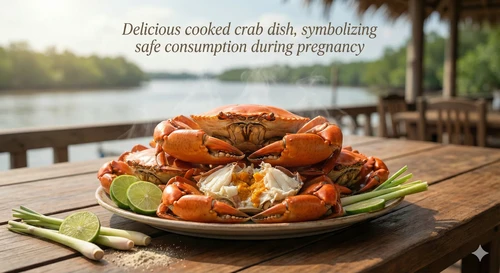
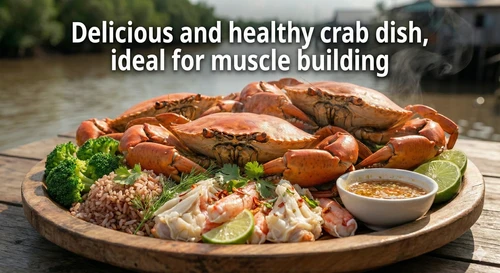
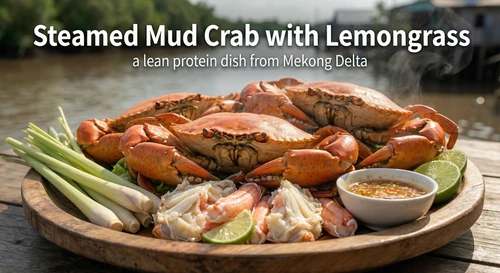
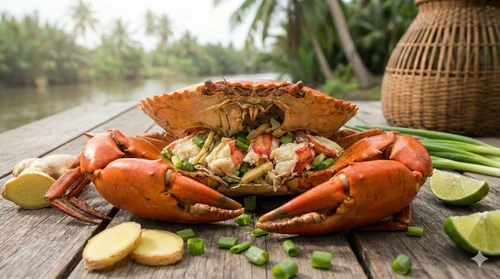
The seafood traditions of the Mekong Delta are built on generations of knowledge and respect for the ingredients. From the iconic Ca Mau mud crabs to the abundant prawns, the emphasis is always on freshness and understanding the nature of the creature. This dark line on a prawn's belly is simply a natural part of that creature's biology, a testament to its life in the fertile waters.
When you encounter prawns, whether at a floating market in Can Tho or in a restaurant specializing in Southern Vietnamese cuisine, trust the experience of those who have lived and worked with these ingredients for centuries. The "toxic vein" is a myth, a misunderstanding. The reality is a delicious, nutritious, and safe ingredient waiting to be enjoyed.
So, the next time you see that dark line, don't recoil. Appreciate the anatomy, prepare it with care, and savor the true taste of the Mekong's bounty.
Pro Tips from the Delta
- Smell is Paramount: Fresh prawns smell like the sea – clean and slightly briny. Any strong "fishy" or ammonia-like odor indicates spoilage.
- Firmness Test: The prawn's body should be firm and the shell should be intact. Avoid prawns that are mushy, soft, or have black spots (unless they are natural markings).
- Clarity of Shell: The shell should be somewhat translucent and firm. A dull, slimy shell is a sign of age.
- Head Attachment: For whole prawns, the head should be firmly attached to the body. A detached head can be a sign of decomposition.
- Color: While color can vary by species, a vibrant, natural color (e.g., greyish-green to pinkish-red for cooked) is usually a good sign of freshness.
8 The Unsung Anatomy
The humble dark line on a prawn's belly is not a sign of toxicity, but a natural part of its anatomy – a nerve cord and blood vessel. In the rich culinary landscape of the Mekong Delta, where prawns are a cornerstone of diet and economy, understanding this is key to appreciating the ingredient fully. Let's move past internet myths and embrace the delicious reality: prawns are safe, nutritious, and a true gift from the waters.