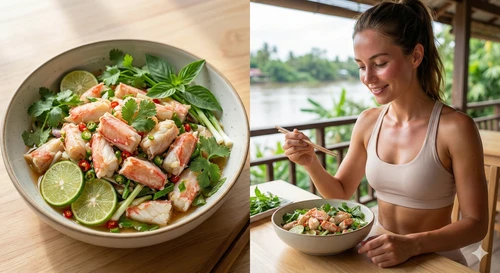
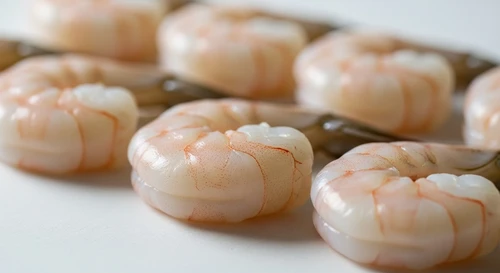
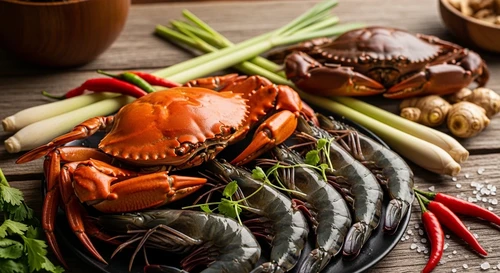
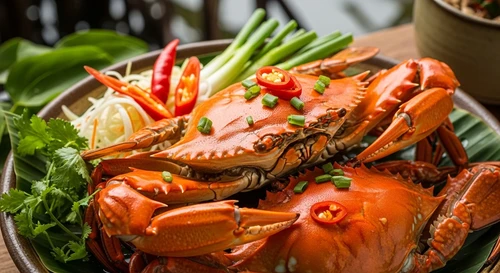
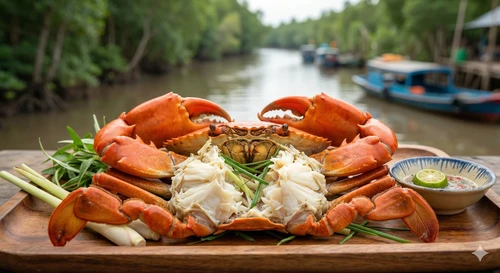
" That fiery red hue of dried shrimp, so common along the Mekong's banks, can be a siren's call to disaster. It's a visual shortcut that often bypasses quality and safety for mere aesthetics. "
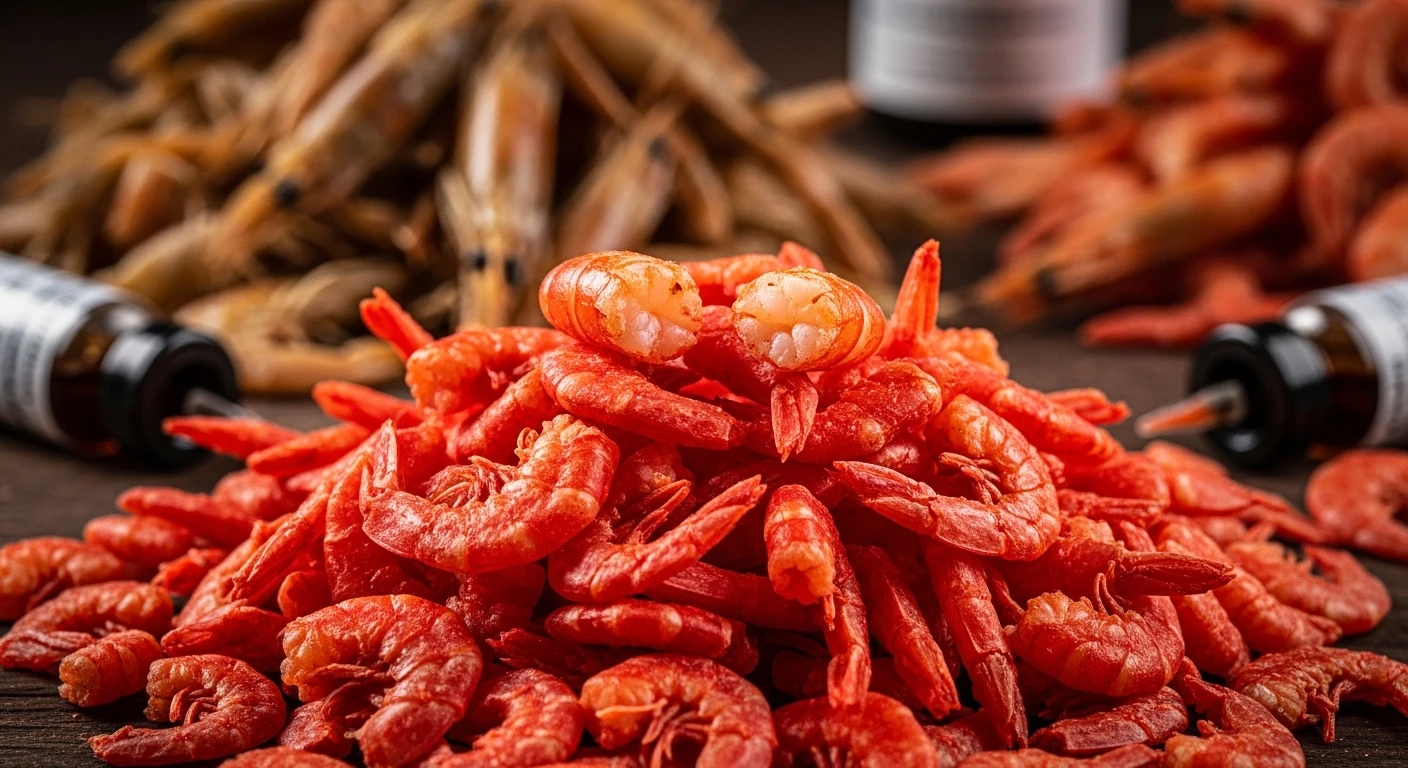
📸 The deceptive allure of artificial color.
1 The Mekong's Legacy: From Sun-Kissed Shrimp to Chemical Hues
The Mekong Delta, a sprawling labyrinth of waterways, has always been a cradle of life and sustenance. For centuries, its people have harvested the incredible biodiversity of its rivers and coastal waters. Dried shrimp, or tôm khô, is a cornerstone of this culinary heritage. These small, sun-dried crustaceans are prized for their concentrated sweetness and umami, forming the backbone of countless Vietnamese dishes, from humble noodle soups like bún mắm to vibrant salads and savory stir-fries.
Traditionally, the color of dried shrimp is a natural phenomenon, a gradient from pale pink to a rustic reddish-brown, depending on the species and the drying process. The natural sugars and proteins in the shrimp caramelize under the sun, creating a depth of color that speaks of careful preparation and quality ingredients.
The Traditional Way
Natural drying, sun-kissed, rich in flavor, subtle color variations. A testament to patience and the bounty of the delta.
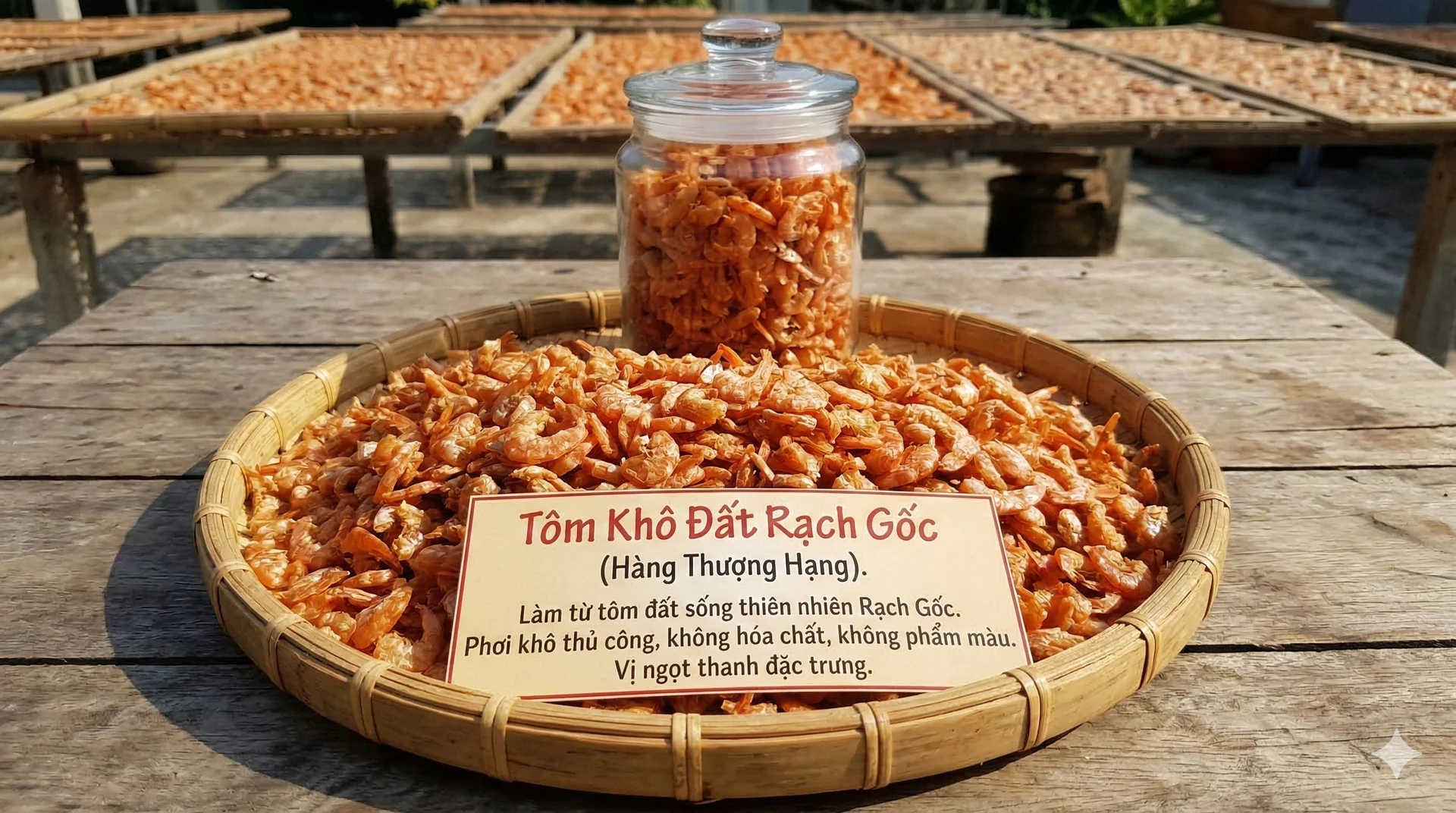
Heritage Ingredient
Sun-Dried Wild Shrimp from Rach Goc
Sun-Dried Wild Shrimp from Rach Goc
Traditional dried shrimp made from small wild shrimp, valued for natural sweetness and commonly used in Vietnamese salads, soups, and festive dishes.
Concentrated sunlight and sea salt in every bite, these crimson gems offer a deep, umami sweetness that whispers tales of Rach Goc's golden shores.
The Deceptive Shortcut
Artificial dyes and preservatives replace natural sun-drying, creating an unnaturally vibrant, uniform color.
2 Beyond the Color: A Chemical Cocktail
The brilliant, almost neon red that often adorns black-market dried shrimp is rarely a sign of quality. More often, it's a warning. This vivid coloration is typically achieved through the illegal and dangerous use of industrial food dyes, such as Sudan dyes or Rhodamine B, and excessive amounts of nitrate salts. These are not your grandmother's culinary spices; they are industrial chemicals with little to no place in food.
Industrial Red Dyes
- Sudan Dyes (e.g., Sudan I, II, III, IV): These are primarily used in coloring plastics, waxes, and gasoline. They are potent carcinogens and can cause severe allergic reactions. Their presence in food is strictly prohibited in most countries.
- Rhodamine B: Another synthetic dye, known for its intense fluorescence. It can lead to liver and kidney damage with prolonged exposure.
Nitrate Salts
- While some nitrites are used in food preservation (like curing meats), excessive amounts, particularly in conjunction with unregulated dyes, can be converted into harmful nitrosamines.
- These compounds are strongly linked to an increased risk of various cancers, particularly of the gastrointestinal tract.
3 A Slow Poison: The Path to Kidney Damage
Cumulative Damage
The harm isn't usually acute. It's the consistent, prolonged exposure to these toxic chemicals, often consumed over years, that slowly erodes kidney function.
Kidney Strain
Kidneys are responsible for filtering waste products and toxins from the blood. When overwhelmed by industrial dyes and excessive nitrates, their filtering capacity diminishes. This leads to a build-up of toxins in the body.
Other Health Risks
Beyond kidney issues, these chemicals are linked to liver damage, increased cancer risk, and severe allergic reactions. The problem is compounded when these toxic dyes are used alongside high levels of preservative nitrates.
Spotting the Imposters: A Consumer's Guide 🕵️
In markets from rural Mekong villages to bustling city stalls, distinguishing the natural from the synthetic requires a discerning eye and a healthy dose of skepticism.
1. Unnatural Vibrancy
If the red is too uniform, too bright, or looks like painted-on color, it's a red flag. Natural dried shrimp have a more muted, varied, and often slightly duller hue.
2. Consistent Coloration
Real dried shrimp will have slight variations in color and texture. If every single piece looks identical, it's highly suspect.
3. The 'Dye Test'
If possible, wet a piece of the shrimp slightly. If dye rubs off onto your fingers or a paper towel, it's been chemically treated. (Be cautious doing this in a market).
Always try to buy from trusted vendors, especially those who specialize in traditional methods. Look for shrimp that appears naturally dried, perhaps with small imperfections. The taste will be far superior and, more importantly, safer.
The Delicate Balance
The issue of chemically dyed dried shrimp is a stark reminder of the challenges faced in food safety, particularly in regions with vast artisanal food production like the Mekong Delta. While tradition holds immense value, it must not be sacrificed at the altar of profit or convenience when it comes to health.
Consumers have the power to drive change by demanding transparency and safety. By choosing naturally colored, traditionally processed dried shrimp, we not only safeguard our health but also support the authentic culinary heritage of the Mekong.
Why We Must Be Vigilant
- Protecting our kidneys from cumulative damage.
- Avoiding the risk of carcinogens and severe allergic reactions.
- Ensuring we are consuming food, not industrial waste.
Supporting Authentic Producers
- Choosing vendors committed to natural drying methods.
- Prioritizing taste and safety over artificial vibrancy.
- Preserving the true essence of Mekong Delta cuisine.
6 A Wider Lens: Food Safety in the Delta
The issue of chemically dyed dried shrimp is unfortunately not an isolated incident. In many parts of the world, including in Vietnam, food safety remains a critical concern. Various practices, driven by cost-cutting or attempts to mimic premium products, can compromise the integrity and safety of food items.
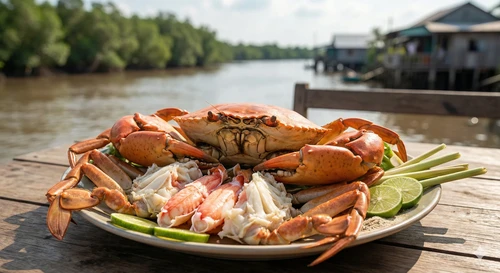
For instance, the use of illegal preservatives in fermented seafood products, like certain types of ba khia (fermented mangrove crab) or mam tom chua (fermented sour shrimp paste), can pose health risks if not handled and processed according to strict guidelines. While these traditional ferments are delicious and culturally significant, ensuring their production adheres to safety standards is paramount.
Fermented Delicacies
Authentic Mekong Delta fermented seafoods like ba khia and mam tom chua offer unique, pungent flavors. However, unsrupulous producers might use prohibited chemicals to speed up fermentation or enhance preservation.
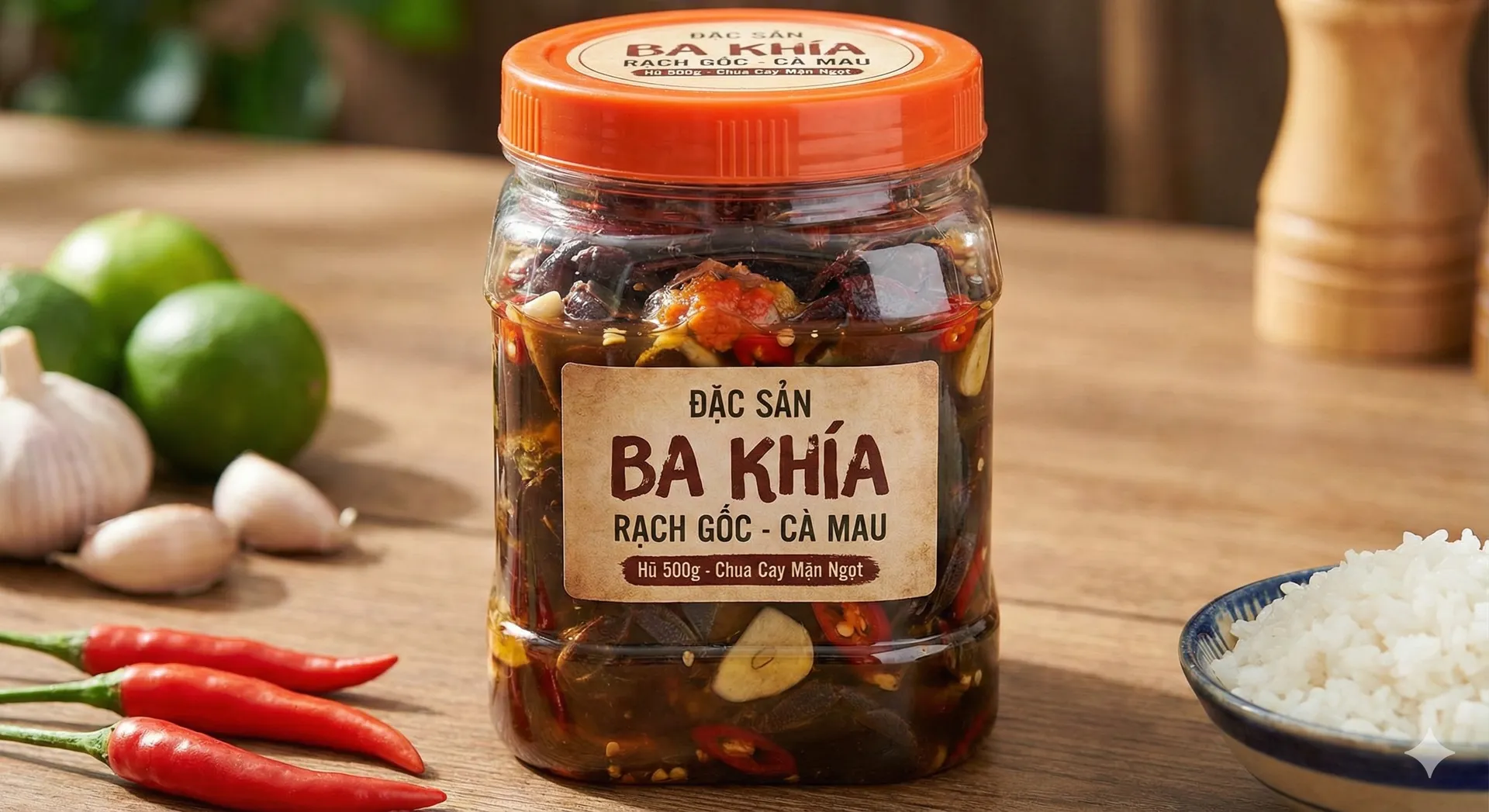
Heritage Ingredient
Fermented Mangrove Crab (Ba Khia)
Fermented Mangrove Crab (Ba Khia)
A traditional fermented crab specialty from the mangrove region of Rach Goc, often cited in articles about rustic Mekong Delta flavors and preserved seafood culture.
The salty-sour heartbeat of the wild south, where traditional fermentation turns forest crabs into a nostalgic explosion of rustic Mekong soul.
The Importance of Sourcing
When exploring these traditional tastes, it's vital to source from reputable establishments that prioritize quality control and traditional, safe preparation methods. The risk of adulteration means a higher price might, in this case, reflect actual safety and quality.

Heritage Ingredient
Fermented Sour Shrimp (Mekong Style)
Fermented Sour Shrimp (Mekong Style)
A Southern Vietnamese fermented shrimp preserve made with garlic, chili, and shredded green papaya, often served with boiled pork, rice paper, or plain rice.
A vibrant dance of flavors—sour, spicy, and sweet—where tender shrimp and crunchy papaya create a masterpiece of Southern preserved heritage.
The Unseen Cost
The allure of a cheap, vibrantly colored snack can be strong, but the long-term health consequences are incalculable. What seems like a bargain at the market can lead to a lifetime of regret and medical bills. Choose wisely, be informed, and always prioritize your health and the integrity of your food. The true taste of the Mekong is found in its natural bounty, not in its artificial colors.