" Life on the Mekong Delta is a dance with nature – beautiful, abundant, and sometimes, a little perilous. The same muddy waters that nourish the land also teem with life, and not all of it is friendly. "
1 The Muddy Embrace of the Mekong
The Mekong Delta, a vast network of rivers, canals, and mangrove forests, is Vietnam's rice bowl and a treasure trove of seafood. Among its most prized catches are the mud crabs, particularly those from the coastal province of Ca Mau. These crustaceans thrive in the brackish waters, their claws formidable tools for survival and, as anyone who has handled them knows, capable of delivering a painful nip.
But beyond the immediate pain, there's a more insidious risk. These waters are alive with bacteria, some of which can turn a minor pinch into a serious health concern if not treated promptly. Understanding this risk is part of understanding life in the delta – appreciating its bounty while respecting its inherent dangers.
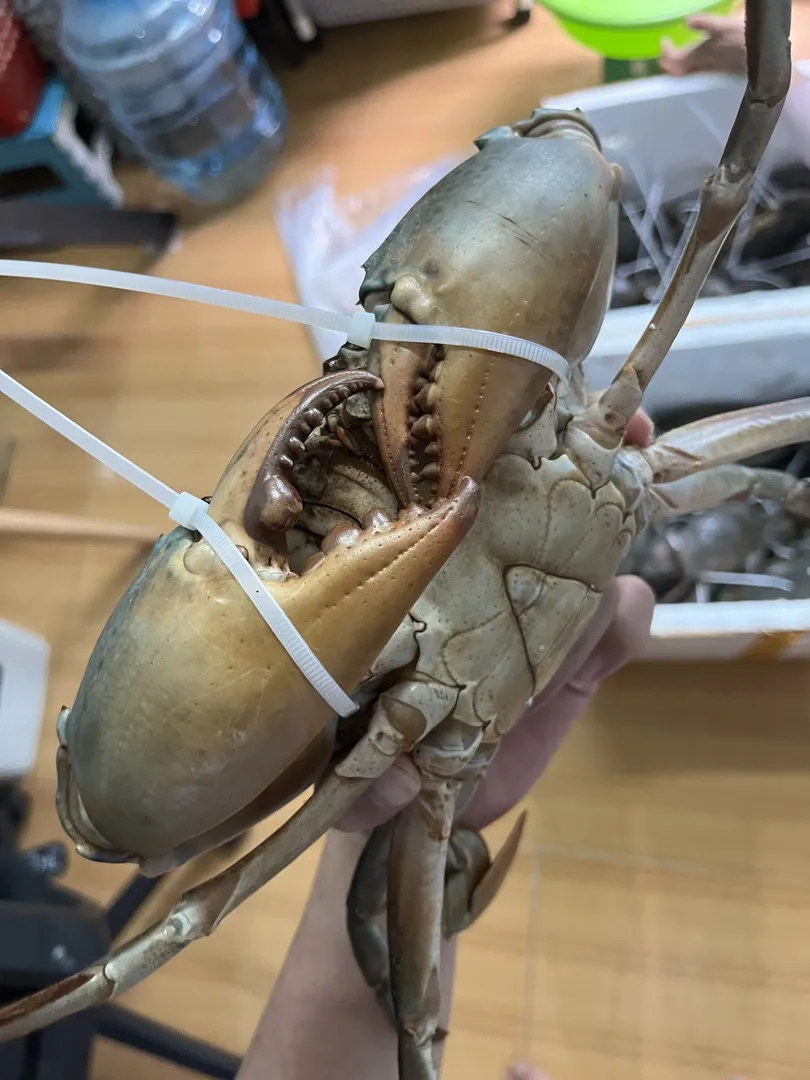
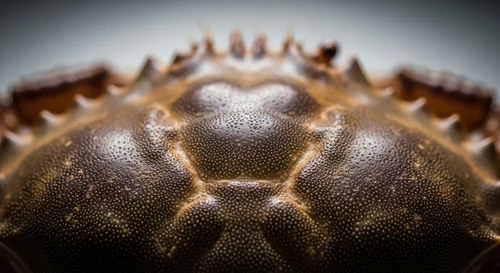
Ca Mau Jumbo Mud Crab: Nature's armored delicacy.
For the locals, dealing with crabs is as natural as navigating the waterways. But for visitors or those less accustomed, a moment of carelessness can lead to a throbbing hand and a nagging worry about infection. That’s where proper first aid comes in.
2 The Unseen Invaders: Marine Bacteria and Their Threat
Mud crabs, like all marine life, are carriers of various bacteria. While many are harmless, certain species prevalent in brackish and estuarine environments can cause significant issues if they enter the bloodstream through a break in the skin. The primary concerns are:
Vibrio Vulnificus
This is perhaps the most notorious. Found in warm coastal waters, it can cause severe wound infections, septicemia (blood poisoning), and necrotizing fasciitis (flesh-eating disease) in susceptible individuals, particularly those with liver disease or compromised immune systems.
Aeromonas Hydrophila
Another common inhabitant of aquatic environments, it can cause skin and soft tissue infections. While generally less severe than Vibrio, it can still lead to painful, inflamed wounds.
Furthermore, the crab's own exoskeleton can harbor bacteria. Even a seemingly minor puncture wound from a claw edge can introduce these microbes deep into the tissues. The resulting infection can manifest as swelling, redness, increasing pain, warmth, pus, and fever. In the most severe cases, it can lead to tetanus, a potentially fatal bacterial disease.
This is why understanding the immediate response to a crab pinch is not just about pain relief, but about critical infection prevention. In the remote parts of the Mekong Delta, where immediate medical attention might be hours away, these first aid steps are your first line of defense.
3 The First Few Minutes: Your Critical Window
Step 1: Stay Calm, Assess the Wound
First, don't panic. Take a deep breath. Examine the wound carefully. Is it a clean puncture, a scrape, or a tear? Note the depth and any bleeding. While some bleeding is good (it helps flush out contaminants), don't try to induce excessive bleeding.
Step 2: Gentle Washing
The absolute priority is to clean the wound. As soon as possible, wash the affected area thoroughly with clean, running water and mild soap. Gently lather and rinse. If you are near the coast or a river, using fresh water is ideal. Avoid salt water for the initial cleaning as it can be irritating and potentially introduce more pathogens if not handled carefully.
Step 3: Antiseptic Application
After washing, apply an over-the-counter antiseptic solution. Povidone-iodine (Betadine) or chlorhexidine are excellent choices. These help kill any remaining bacteria on the surface of the skin and within the wound. Do not use alcohol directly on an open wound, as it can cause stinging and damage tissue.
Step 4: Cover and Protect
Apply a sterile, non-stick bandage or dressing to the wound. This protects it from further contamination and allows it to begin healing. Change the dressing daily, or more often if it becomes wet or dirty.
4 Red Flags: When to Call in the Experts
While good first aid can prevent many issues, it's crucial to recognize when a crab pinch requires professional medical attention. Don't hesitate to seek help if you experience any of the following:
- Severe Pain or Swelling: Pain that is unmanageable or swelling that rapidly increases.
- Signs of Infection: Increased redness spreading from the wound, warmth, pus, red streaks leading away from the wound, or a foul odor.
- Fever or Chills: These are systemic signs that the infection might be spreading.
- Deep Puncture Wounds: Especially if the crab claw penetrated deeply or broke off inside the wound.
- Tetanus Concerns: If your tetanus vaccination is not up-to-date (typically booster shots are recommended every 10 years). A doctor can administer a tetanus booster if needed.
- Underlying Health Conditions: If you have diabetes, liver disease, or a compromised immune system, you are at higher risk for severe infections and should seek medical advice promptly.
In rural Mekong Delta communities, local clinics or larger town hospitals are the places to go. Early intervention is key, especially for Vibrio infections, which can progress alarmingly fast.
5 The Ghost of Tetanus: Why Your Shot Matters
Tetanus, often called "lockjaw," is caused by the bacterium Clostridium tetani, which can be found in soil, dust, and manure, as well as in the gut and feces of animals. While mud crabs themselves don't cause tetanus, a puncture wound from their claws can easily become contaminated with these spores from the environment.
The good news is that tetanus is highly preventable through vaccination. The standard tetanus shot (often combined with diphtheria and pertussis – DTaP or Tdap) provides robust protection.
If you've been injured by a crab claw or any other potentially contaminated object, and it's been more than 5 years since your last tetanus booster, or if you are unsure of your vaccination status, consult a healthcare professional immediately. They can assess your risk and administer a booster shot if necessary. This simple precaution can save you from a life-threatening illness.
6 Wisdom from the Waterways: Respecting the Wild

Ca Mau Mudskipper: A creature of the intertidal zone.
The Mekong Delta offers an immersive experience, a chance to connect with nature and traditions that have sustained communities for centuries. Seafood, a cornerstone of this culture, is deeply respected. Fisherfolk and market vendors alike handle their catch with practiced ease, a testament to years of interaction with the region's marine life.
For visitors, it’s a reminder to approach this environment with respect and caution. When handling live seafood, always use appropriate tools and techniques. Observe local customs and heed their advice. The mud crab's pinch is not an act of malice, but a defense mechanism born of its wild nature. Understanding and respecting this wildness is part of the true delta experience.
So, as you savor the sweet, succulent meat of a Ca Mau mud crab, remember the journey it took from the muddy depths to your plate. And be prepared, just in case, with the knowledge to handle its formidable defenses.
7 Packing for Protection: Your Delta First Aid Kit
Traveling through the Mekong Delta means embracing adventure, but it also means being prepared for the unexpected. A small, well-stocked first aid kit can make a world of difference, especially when you're far from immediate medical facilities. Here are essentials relevant to potential seafood-related injuries:
- Antiseptic Wipes or Solution: Povidone-iodine or chlorhexidine.
- Sterile Gauze Pads and Adhesive Bandages: Various sizes for different wounds.
- Medical Tape: To secure dressings.
- Antibiotic Ointment: For minor cuts and scrapes after cleaning.
- Pain Relievers: Ibuprofen or acetaminophen for pain and inflammation.
- Tweezers: For removing splinters or debris.
- Hand Sanitizer: For when soap and water aren't readily available.
- Small Scissors: For cutting tape or gauze.
- Your Vaccination Records: Especially for tetanus.
Keep this kit easily accessible during your travels. Knowing you have the tools to handle minor injuries can alleviate anxiety and allow you to fully immerse yourself in the incredible experiences the Mekong Delta offers.
8 From Claw to Table: The Taste of Ca Mau Crab
Despite the risks associated with handling them, the reward of enjoying a perfectly cooked Mekong Delta mud crab is undeniable. Whether steamed with lemongrass, grilled over charcoal, or incorporated into savory hotpots, the crab meat is sweet, tender, and richly flavored. The culinary traditions of the region celebrate this ingredient in its purest form, allowing its natural essence to shine.
The resilience and abundance of these crabs, and the communities that depend on them, are a powerful testament to the delta's unique ecosystem. While it's wise to be prepared for the occasional pinch, it should never deter you from experiencing the incredible flavors and vibrant culture of this extraordinary part of Vietnam.
Heritage Ingredient
Ca Mau Jumbo Mud Crab
Ca Mau Jumbo Mud Crab
A large male mud crab prized for dense, sweet meat and thick claws, commonly used in steamed crab and grilled crab dishes across the Mekong Delta.
An icon of coastal culinary heritage, featuring firm, sweet meat that captures the raw power and freshness of Ca Mau's tides.
Heritage Ingredient
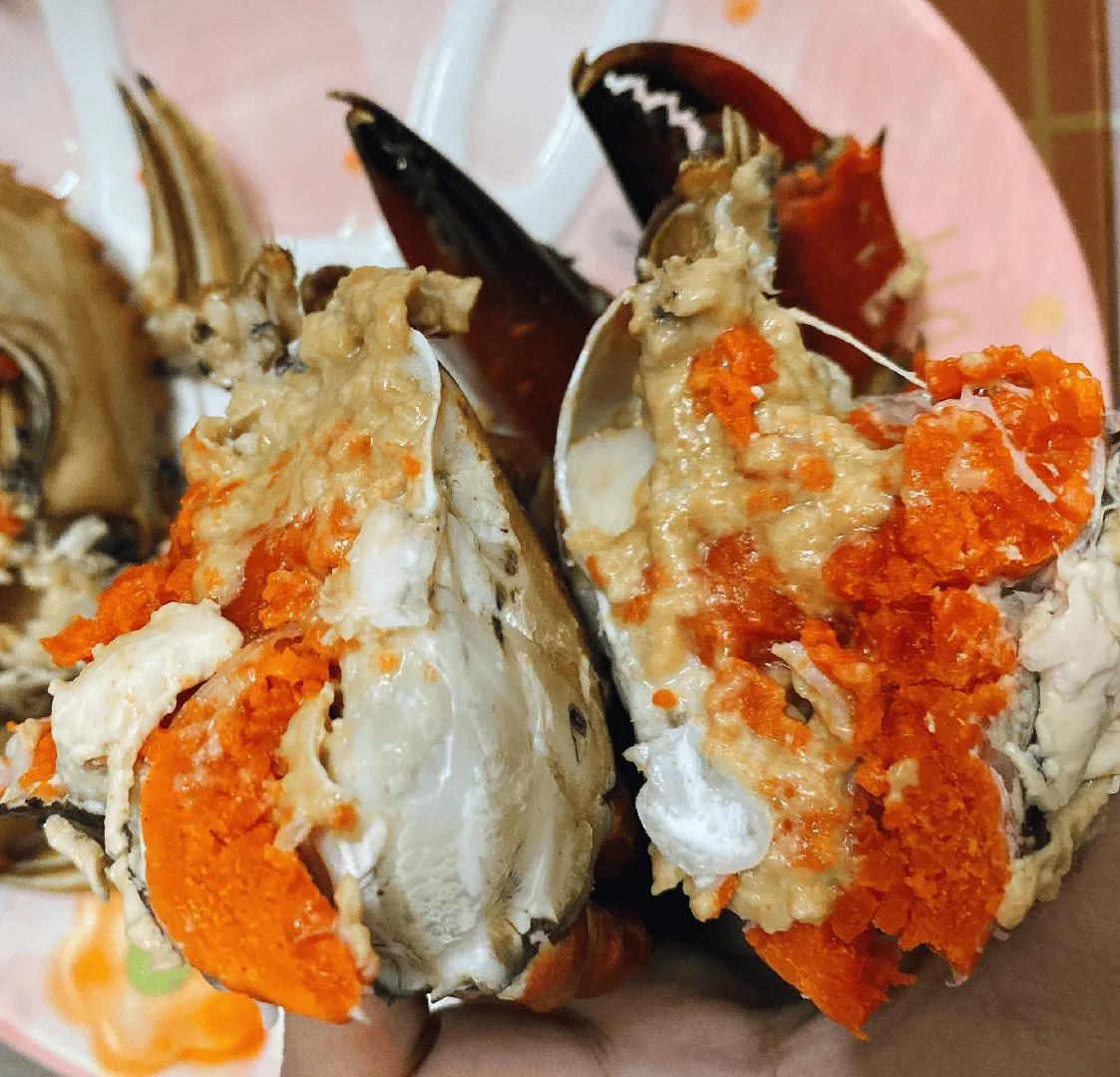
Ca Mau Roe Mud Crab
Ca Mau Roe Mud Crab
A female mud crab known for deep orange roe and a rich, creamy finish, often featured in celebratory Southern Vietnamese seafood meals.
A crimson treasure hidden within a shell, boasting rich, creamy roe that melts on your tongue like a golden sunset over the delta.
More Health & Safety
View More Health & Nutrition
Can Toddlers Eat Lobster? Managing High-Protein Seafood Diets
Pediatricians advise on portion control to prevent protein overload and indigestion when feeding premium lobster to babies under two.
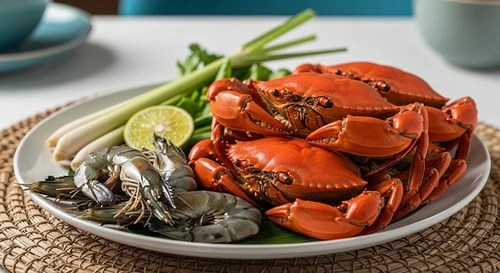
Should Diabetics Limit Their Intake of Crabs and Seafood?
Blood sugar management menu: Seafood is rich in protein, but one must pay attention to the cholesterol intake.
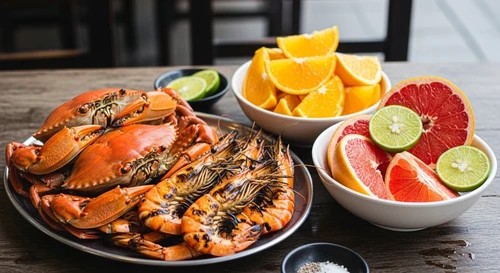
Should You Eat Sour Fruits Immediately After a Seafood Feast?
The acid in oranges and grapefruits precipitates with the calcium and proteins in crabs, causing bloating. Experts advise waiting 2 hours.
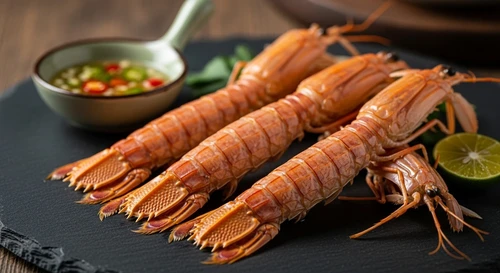
Are People Suffering from Gout Flare-ups Allowed to Eat Mantis Shrimp?
Mantis shrimp has extremely high Purine levels. Doctors advise gout patients experiencing a flare-up to avoid it entirely.
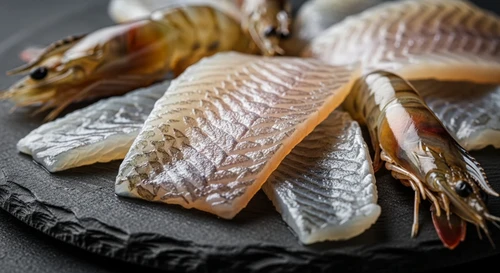
The Mucus Membrane on Fish Skin and Shrimp Shells: A Forgotten Natural Collagen Goldmine
Scientific discoveries regarding the collagen peptide structure in the epidermis of seafood, which is easily absorbed to plump up facial skin.

Bizarre Sea Snail Allergy causing Lip Numbness: Go to the ER Immediately
Many sea snails have neurotoxins that cause numbness in the mouth, tongue, and shortness of breath. Do not confuse this with a normal allergy.
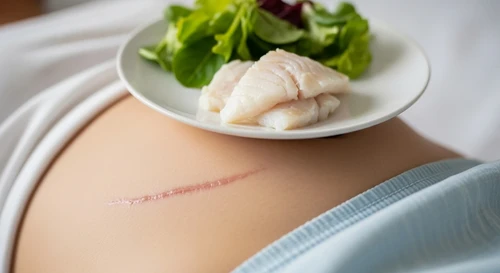
How Long After a C-Section Can Mothers Eat Lobster to Avoid Keloid Scars?
Answering the question about the abstinence period for hard-shelled seafood for postpartum women to ensure scars heal smoothly without itching.
Allergic to the Shell, Not the Meat? The Science Behind It
Why some people experience contact dermatitis from handling raw crab shells but can eat the cooked meat without issues.

Field Crab, Malabar Spinach, and Luffa Soup: The Ultimate Heat-Relieving Remedy
A perfect combination from nature that helps cool the liver and detoxify the body during the peak heatwaves of summer.