" The Mekong Delta is a realm where the ebb and flow of tides, seasons, and even the sun's position dictate the very nature of its culinary gifts. And when it comes to seafood, especially those treasures from the brackish waters and coastlines, a little bit of ancient wisdom goes a long way. "
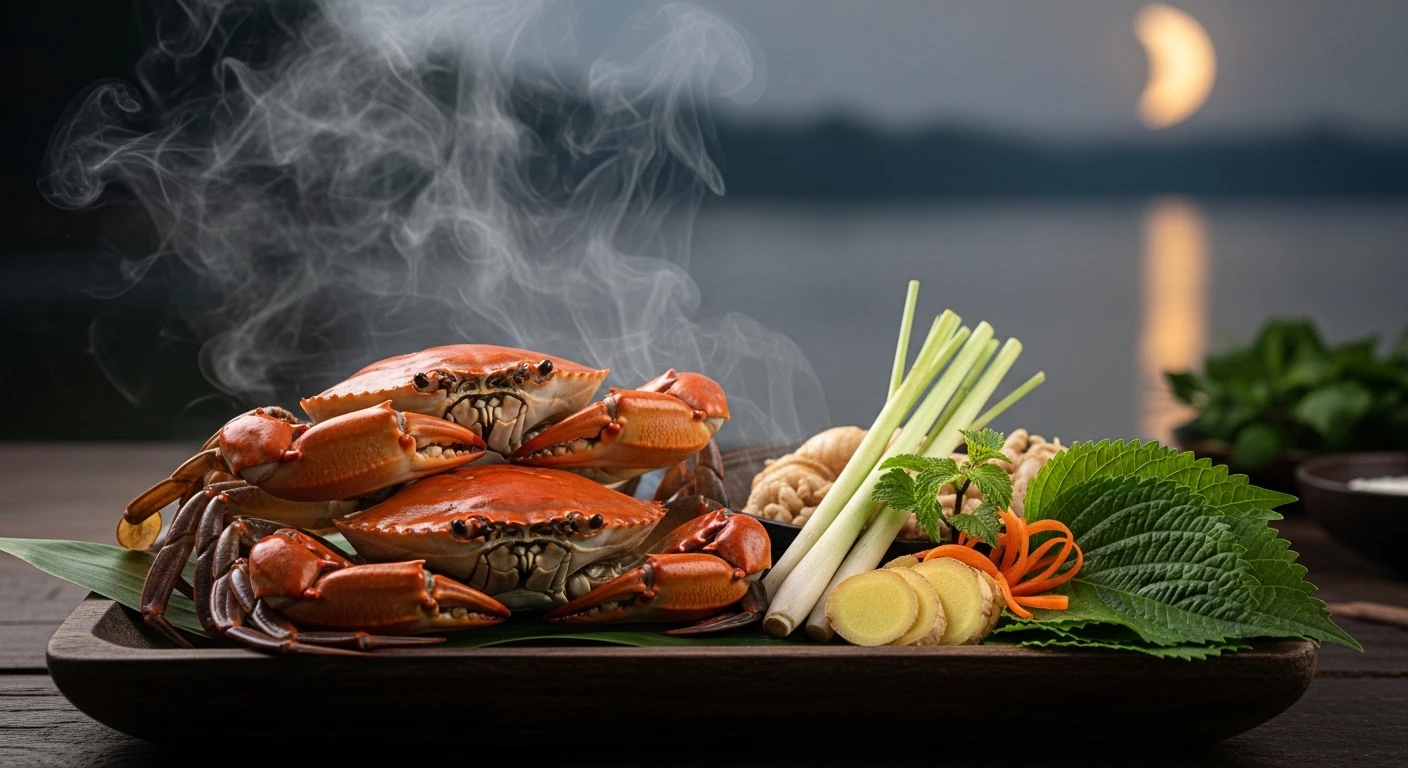
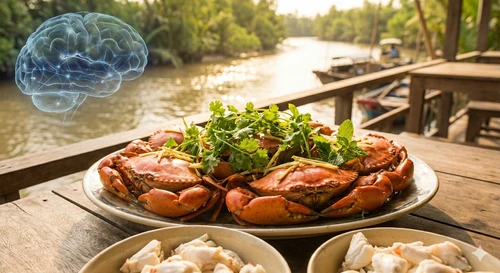
📸 The subtle chill: Evening's embrace and the delicate balance of seafood.
1 Understanding "Cold Nature" in Eastern Medicine
In Traditional Eastern Medicine, every food possesses a thermal property – it can be ‘cooling,’ ‘neutral,’ or ‘warming.’ This isn't about the food's temperature when served, but its inherent effect on the body's internal energy (Qi).
Seafood, particularly shellfish like crabs, is generally categorized as ‘cold’ or ‘cool.’ This means it has a descending, inhibitory, or cooling effect on the body. While this can be beneficial in hot weather or for certain conditions, it can become problematic when consumed excessively, especially at times when the body is naturally becoming more yin (cool and receptive).
The Body's Rhythm
The human body follows circadian rhythms. As evening approaches and night falls, our bodies naturally transition to a cooler, more receptive state – the yin phase. This is when digestive fire (the ‘spleen’ in TCM) might be at its lowest.
The Cooling Combo
Consuming ‘cold nature’ foods like seafood during this natural cooling phase can amplify the cooling effect, potentially overwhelming the digestive system and leading to discomfort like a ‘cold stomach’ (weak digestion) or diarrhea.
2 Treasures from the Mekong's Shores
The Mekong Delta, especially its southern reaches near Ca Mau and the coast, is a powerhouse of seafood. From the dense, sweet meat of mud crabs to the rich, prized roe of female counterparts, these waters offer a bounty that forms the backbone of regional cuisine. Imagine vast mangrove forests where crabs thrive, providing livelihoods and essential sustenance.
The inhabitants of this region, long attuned to the rhythms of nature, have developed culinary traditions that respect the inherent qualities of their ingredients. Their approach to seafood, particularly at the close of day, is steeped in generations of empirical knowledge passed down through families and local communities.
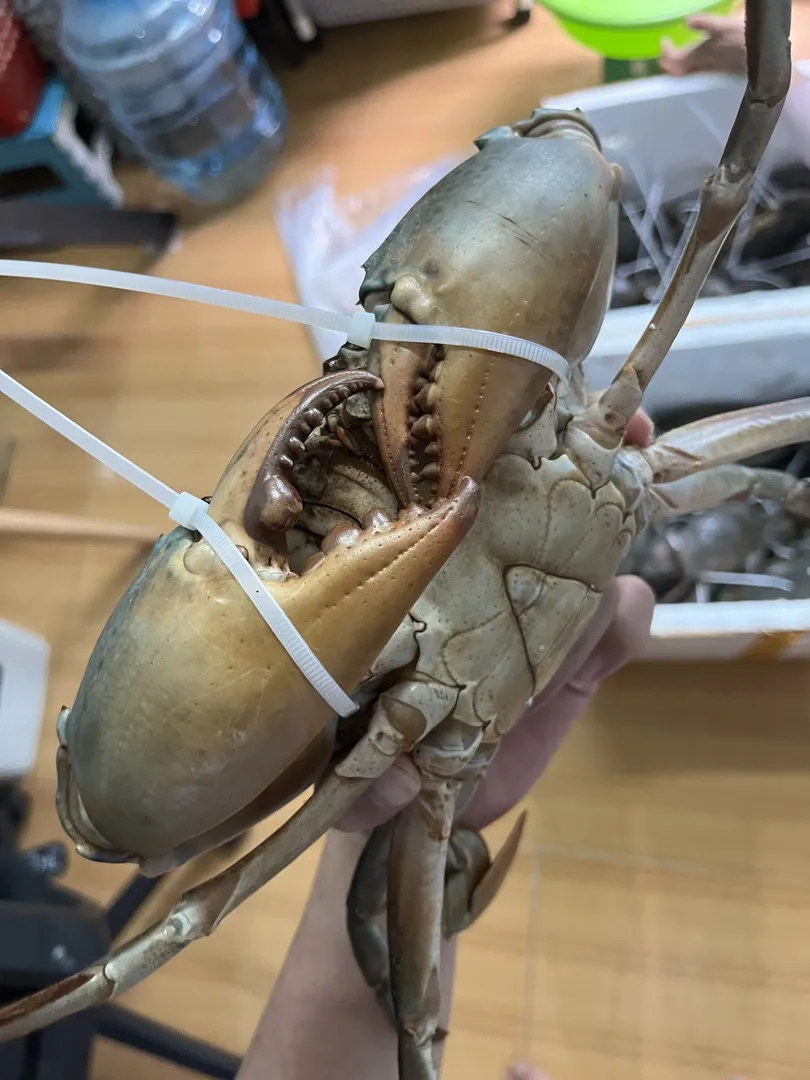
Heritage Ingredient
Ca Mau Jumbo Mud Crab
Ca Mau Jumbo Mud Crab
A large male mud crab prized for dense, sweet meat and thick claws, commonly used in steamed crab and grilled crab dishes across the Mekong Delta.
An icon of coastal culinary heritage, featuring firm, sweet meat that captures the raw power and freshness of Ca Mau's tides.
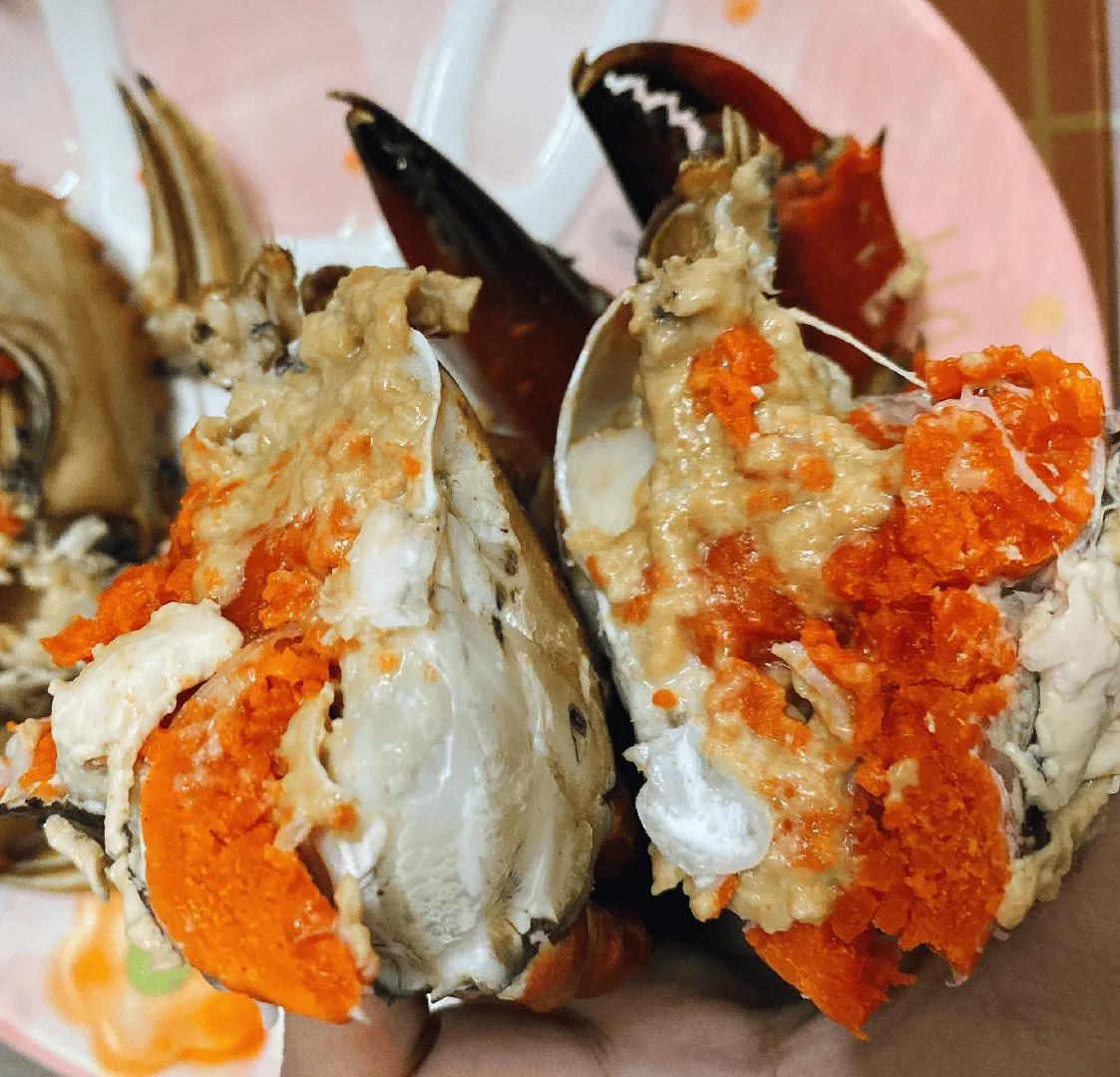
Heritage Ingredient
Ca Mau Roe Mud Crab
Ca Mau Roe Mud Crab
A female mud crab known for deep orange roe and a rich, creamy finish, often featured in celebratory Southern Vietnamese seafood meals.
A crimson treasure hidden within a shell, boasting rich, creamy roe that melts on your tongue like a golden sunset over the delta.
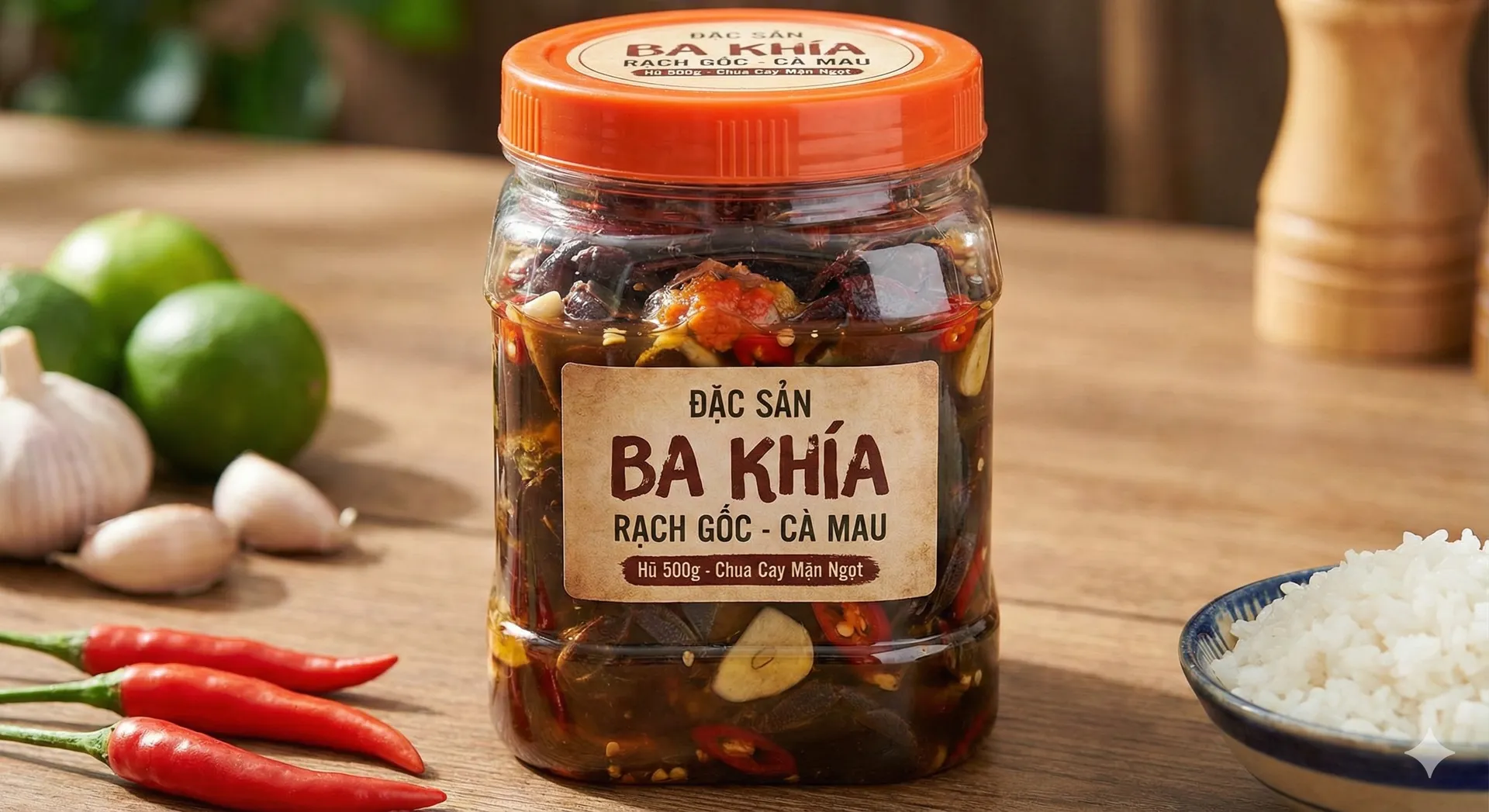
Heritage Ingredient
Fermented Mangrove Crab (Ba Khia)
Fermented Mangrove Crab (Ba Khia)
A traditional fermented crab specialty from the mangrove region of Rach Goc, often cited in articles about rustic Mekong Delta flavors and preserved seafood culture.
The salty-sour heartbeat of the wild south, where traditional fermentation turns forest crabs into a nostalgic explosion of rustic Mekong soul.
3 The Counterbalance: Warming Spices
To mitigate the ‘cold nature’ of seafood and support digestion, especially in the evening, Eastern culinary traditions emphasize pairing cooling foods with warming ingredients. This is where the magic of spices comes in, transforming a potentially problematic meal into a harmonious one.
Garlic (Bạc Hà)**:**
Warming, pungent, and known for its digestive-stimulating properties.
Ginger (Gừng):
A potent warming herb that aids circulation and combats digestive coldness.
Perilla (Tía Tô):
This aromatic herb is particularly prized in Vietnamese cuisine for its ability to balance seafood, especially its ‘cold’ aspect.
When you steam crabs with lemongrass, ginger, and perhaps even a touch of perilla leaf, you’re not just adding flavor; you’re creating a culinary synergy that respects the body’s needs. These aromatics help to ‘cut through’ the coldness, warm the digestive tract, and promote a more balanced assimilation of the meal.
4 Wisdom on the Plate: Evening Meals in the Delta
In the homes and humble eateries of the Mekong Delta, this practice is deeply ingrained. While daytime meals might feature simple steamed seafood, as dusk settles and the air cools, meals become more thoughtful. A common approach is to incorporate these warming elements directly into the cooking process.
Steaming crab with a generous bundle of smashed lemongrass stalks, slices of fresh ginger, and sometimes even a few bruised perilla leaves isn't just a traditional recipe; it's a health practice. The fragrant steam imbues the crab meat with subtle, aromatic notes while simultaneously working to neutralize its cooling properties. Think of it as nature’s own digestive aid, elegantly served.

📸 The art of balance: Aromatic steam transforming simple crab.
5 A Broader Perspective: Other "Cooling" Foods
This principle of balancing ‘cold nature’ foods extends beyond just seafood. Many fruits, vegetables, and even certain grains are considered cooling. Examples include:
- Fruits: Watermelon, cantaloupe, bananas, citrus fruits (though lemon/lime in moderation can aid digestion).
- Vegetables: Cucumber, bitter gourd ( khổ qua), lettuce, most leafy greens.
- Beverages: Green tea, herbal teas (unless specifically warming).
The key isn't to avoid these foods entirely – they are vital for health, especially in warmer climates. Instead, it’s about mindful consumption. For instance, enjoying a refreshing watermelon on a scorching afternoon is ideal. However, consuming large quantities of watermelon right before bed, especially if you have a sensitive digestive system, might lead to similar discomfort as eating cold seafood late at night.
6 What is a "Cold Stomach"?
A 'cold stomach' in the context of Eastern medicine refers to a state of weakened digestive function, often associated with insufficient digestive heat or ‘fire.’ Symptoms can include:
- Bloating and abdominal distension, especially after eating.
- A feeling of fullness or heaviness in the stomach.
- Indigestion and poor nutrient absorption.
- Loose stools or diarrhea, particularly with cold or raw foods.
- Aversion to cold foods or drinks.
- General fatigue or lack of energy.
When ‘cold nature’ seafood is consumed at night, when the body's digestive fire is naturally lower, it can exacerbate these symptoms. The coldness of the food clashes with the body's waning warmth, leading to digestive upset and the common complaints of stomach ache and diarrhea that some people experience.
7 Responsible Indulgence
The goal isn't to fear or avoid the incredible bounty of the Mekong Delta. It's about understanding how to best harmonize with nature's cycles and your own body's needs. Here are a few simple guidelines:
- Mind the Time: If you're sensitive, consider enjoying large portions of seafood earlier in the day.
- Embrace the Aromatics: Always pair cooling foods, especially seafood at night, with warming spices like garlic, ginger, black pepper, and herbs like perilla.
- Cook Thoroughly: Ensure seafood is cooked through to support digestion.
- Portion Control: Especially for a late meal, moderation is key.
- Listen to Your Body: Pay attention to how different foods make you feel at different times of the day.
The rich culinary heritage of the Mekong Delta, with its emphasis on fresh ingredients and balanced flavors, offers a blueprint for enjoying its abundant seafood not just for taste, but for holistic well-being.
8 A Taste of Harmony
Eating is more than sustenance; it's an interaction with the world around us. In the Mekong Delta, this interaction is often guided by a deep respect for nature's rhythms and a practical wisdom that has sustained communities for centuries. By understanding the principles of ‘cold nature’ and ‘warming spices,’ you can unlock the full, delicious, and healthful potential of its incredible seafood, especially when the moon is high and the river breeze is cool.
Discover More:
More on Health & Mekong Flavors
View More Health & Nutrition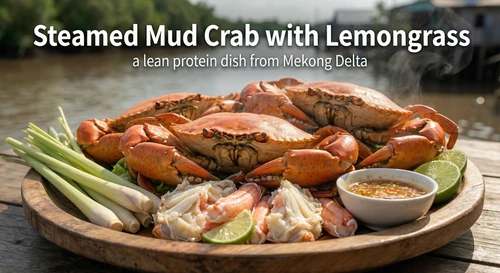
Weight Loss: Crab as a Lean Protein
Feeling full longer with low calorie intake.
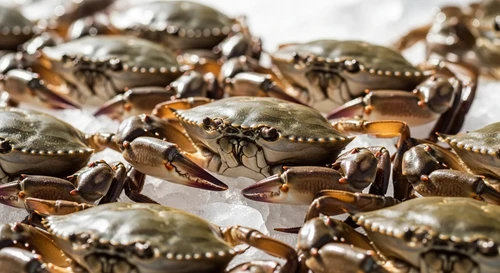
Acute Food Poisoning Risk from Eating Crabs Dead for Several Days
A warning about the Histamine toxin produced from decomposing crabs, which causes vomiting and diarrhea and cannot be destroyed by boiling.
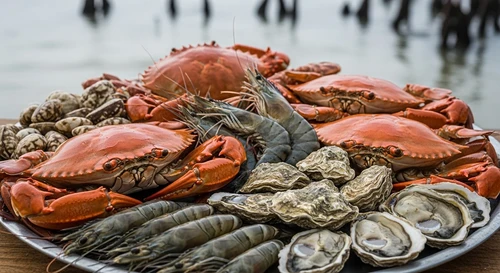
Zinc from the Sea: Why Seafood is Essential for Male Vitality
Exploring the scientific facts behind crab meat, oysters, and their high zinc content for men's health and stamina.
Allergy Alert: Signs of Shellfish Allergy
What to look for if you feel itchy after eating.
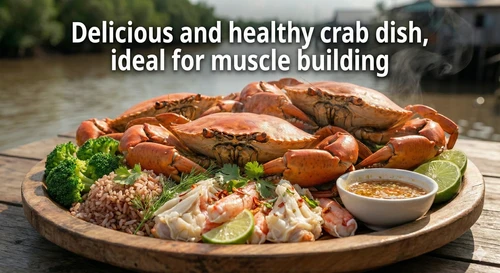
Building Muscle with Crab Meat
Why bodybuilders should add crab to their meal prep.
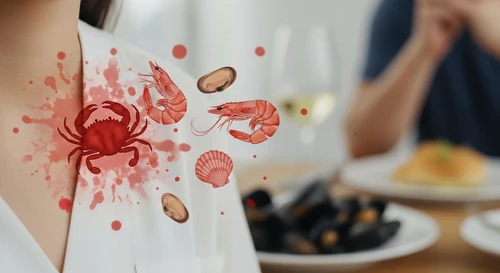
Seafood Allergies: Symptoms and Immediate First Aid
How to recognize the difference between mild hives and anaphylaxis after eating shellfish, and what to do next.
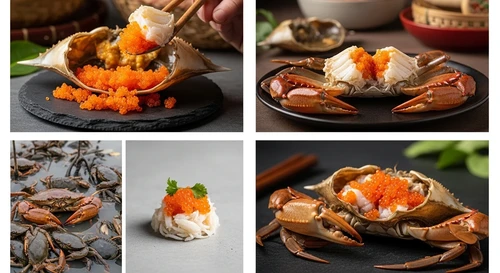
High Cholesterol and Crab Roe: A Warning for Heart Patients
While crab meat is lean, the delicious orange roe is packed with cholesterol. How to portion your seafood safely.
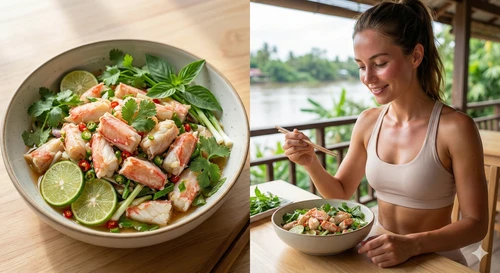
Post-Workout Meal: Crab Salad
Rapid recovery with high quality amino acids.
Crab for Brain Health: Vitamin B12
Improving memory and nerve function with seafood.