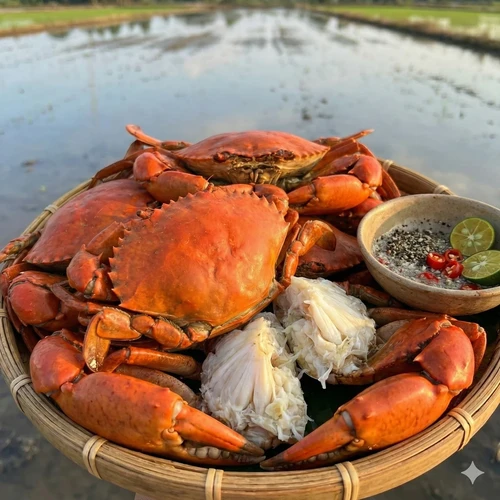
" The allure of the sea, particularly its most prized treasures like lobster, can be a powerful craving for any new mother. But after the delicate journey of a C-section, our focus shifts. We must ensure that every bite supports not just healing, but a smooth, scar-free recovery. "
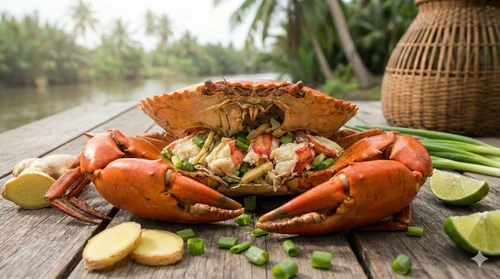
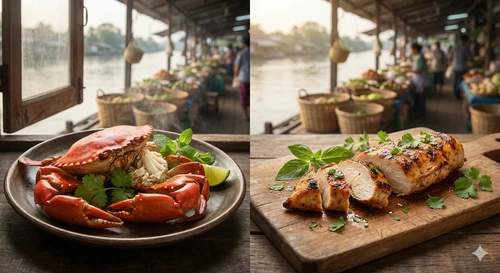
📸 The bounty of the Mekong: A glimpse into the rich seafood heritage.
1 The Scar's Story: Understanding Healing After Surgery
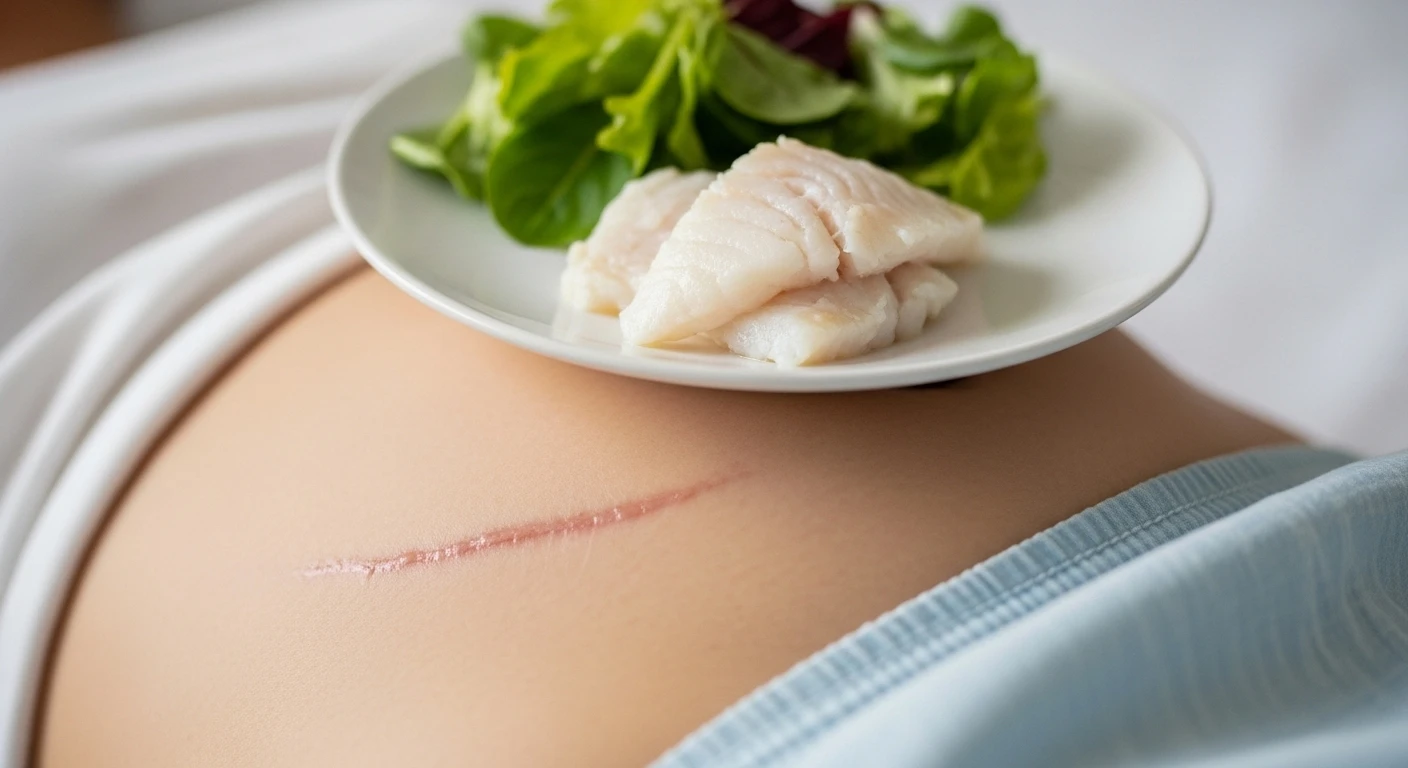
A Cesarean section, while a life-saving procedure, is a significant surgical event. The abdominal wall, including skin, fascia, muscle, and uterus, is cut. The healing process is complex and extends over many months. For the external incision, the goal is for the wound to close cleanly and without excessive inflammation. This is where diet plays a crucial role.
Scar tissue formation is a natural part of wound healing. However, some individuals are genetically predisposed to developing hypertrophic scars or keloids – raised, often itchy, and sometimes disfiguring scars. While genetics are a major factor, external influences can exacerbate or mitigate their appearance. Diet, particularly in the early postpartum weeks, can impact inflammation levels and the body's ability to repair tissue smoothly.
2 Seafood, Scars, and the Allergy Question
Allergies: A Direct Route to Inflammation
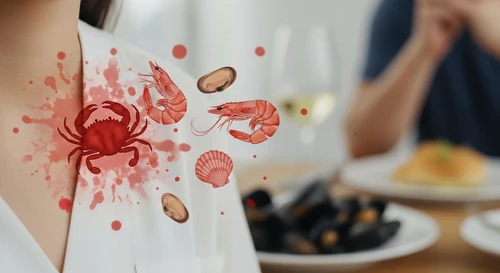
Shellfish, including lobster, shrimp, and crab, are common allergens. Allergic reactions manifest as inflammation, itching, hives, and sometimes more severe systemic responses. For a healing surgical wound, introducing a known allergen can trigger a localized inflammatory response, potentially delaying healing and increasing the risk of scar tissue issues like keloids or hypertrophic scarring.
The "Heatiness" Factor: Traditional Chinese Medicine View
In traditional Asian food philosophies, certain foods are considered "heating" or "cooling." Shellfish, especially crabs and shrimp, are often categorized as "heating." Postpartum recovery, particularly after a C-section, is viewed as a period of cooling down and replenishing. Consuming too many "heating" foods is believed to exacerbate inflammation and hinder the body's return to balance, potentially impacting scar quality.
This isn't just folklore; it aligns with modern understanding of inflammation. While not everyone is allergic to shellfish, they can still provoke a stronger inflammatory response in some individuals compared to other protein sources, especially during a sensitive healing period.
3 From the Mekong's Waters: Seafood in the Vietnamese Postpartum Diet
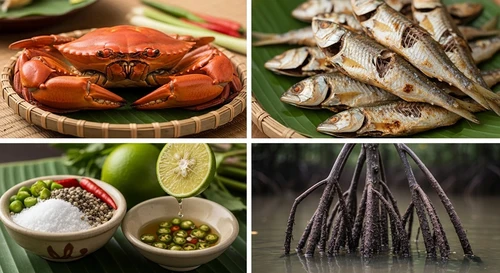
In the Mekong Delta, the fertile region known as Vietnam's 'rice bowl,' seafood is a staple. Communities along the coast and rivers have a deep culinary relationship with crustaceans and fish. For generations, traditional postpartum diets in Southern Vietnam often emphasize easily digestible, nutrient-rich foods to aid recovery. This includes lean proteins and bone broths.
While the Vietnamese approach is generally balanced, the cautious introduction of potentially allergenic or inflammatory foods like hard-shelled seafood is a common theme. The general consensus, echoing both traditional wisdom and modern medical advice, is to wait until the initial, most critical healing phase has passed.

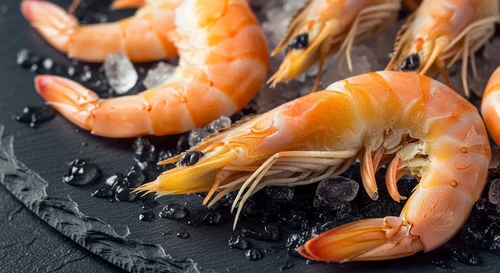
Illustrative: Ca Mau Black Tiger Shrimp, a common sight from the region's aquaculture.
For mothers, especially those who have undergone a C-section, the rule of thumb is to delay the introduction of hard-shelled seafood for at least 6 to 8 weeks. This period allows the abdominal incision to heal significantly and the body's inflammatory response to normalize.
Heritage Ingredient
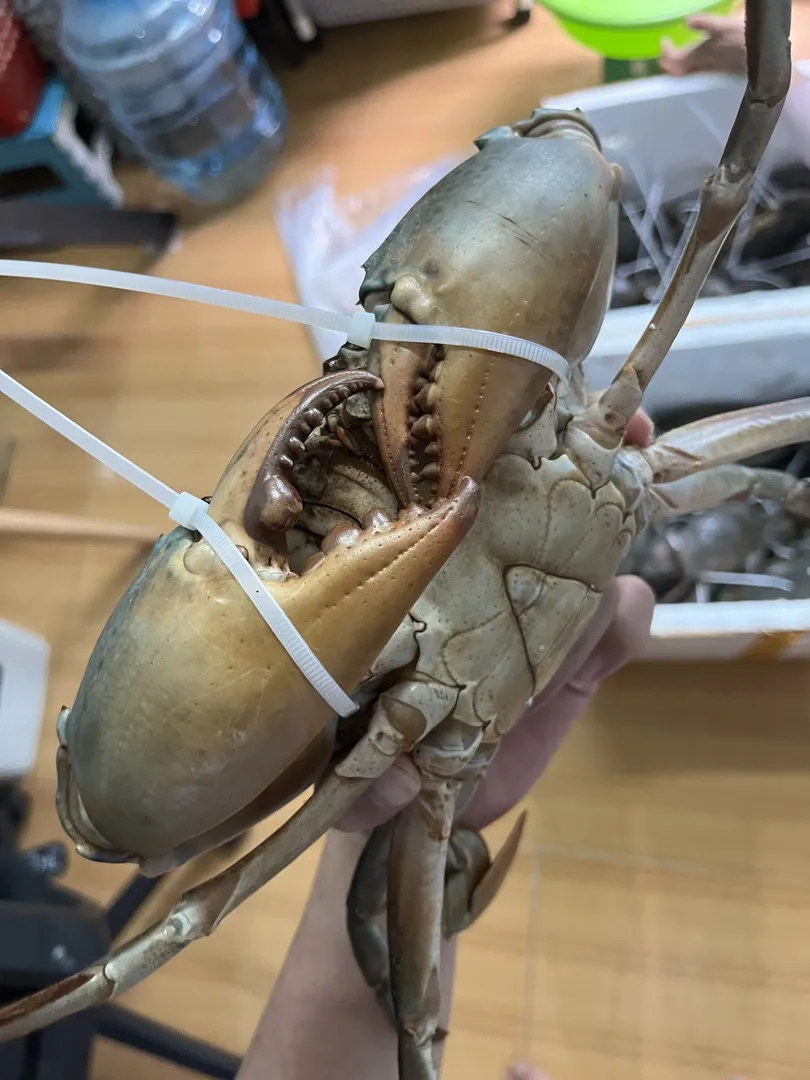
Ca Mau Jumbo Mud Crab
Ca Mau Jumbo Mud Crab
A large male mud crab prized for dense, sweet meat and thick claws, commonly used in steamed crab and grilled crab dishes across the Mekong Delta.
An icon of coastal culinary heritage, featuring firm, sweet meat that captures the raw power and freshness of Ca Mau's tides.
Heritage Ingredient
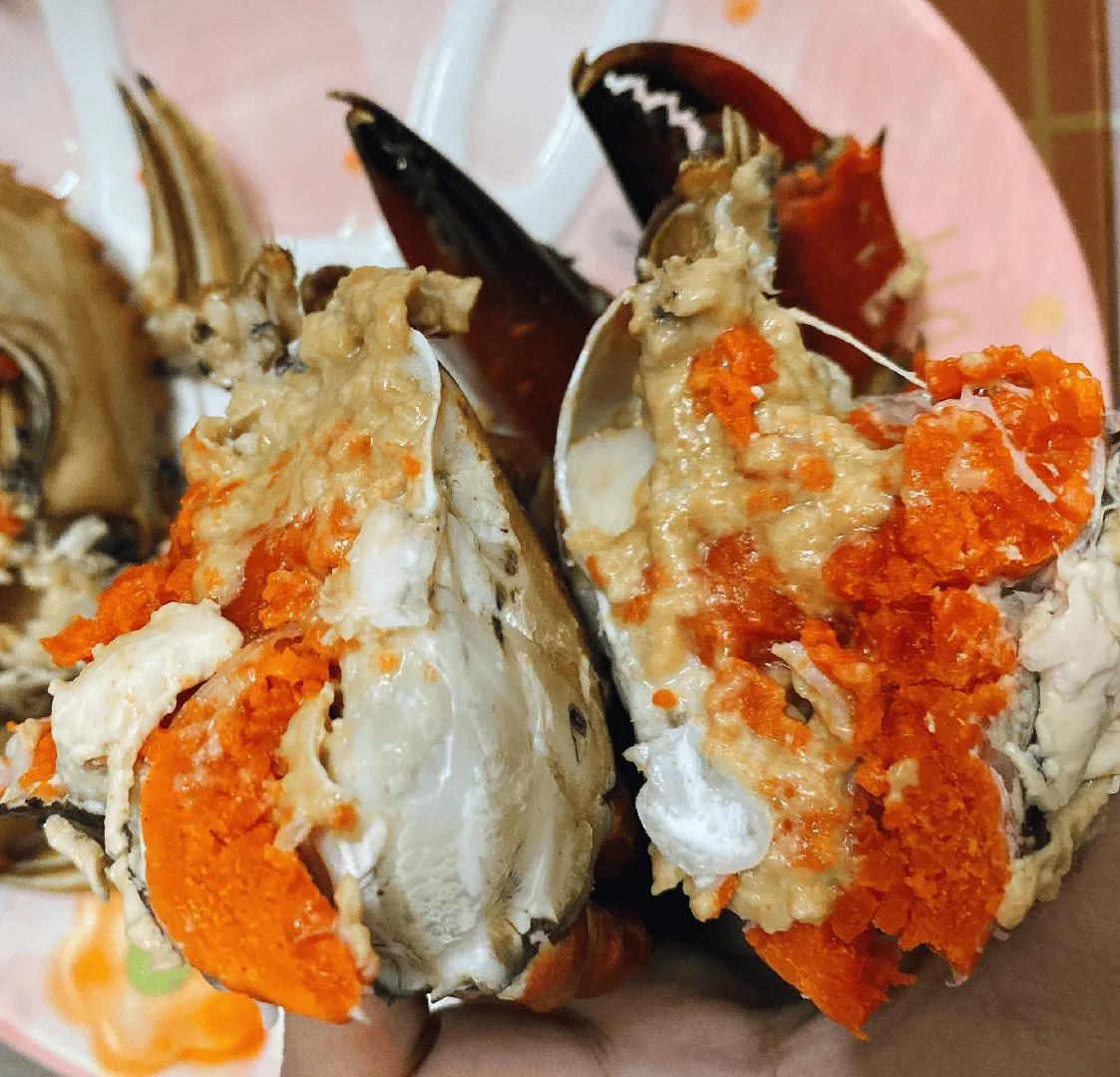
Ca Mau Roe Mud Crab
Ca Mau Roe Mud Crab
A female mud crab known for deep orange roe and a rich, creamy finish, often featured in celebratory Southern Vietnamese seafood meals.
A crimson treasure hidden within a shell, boasting rich, creamy roe that melts on your tongue like a golden sunset over the delta.
4 Patience is a Virtue: The Healing Timeline
The initial 6-8 weeks post-C-section are critical for wound closure and the beginning of tissue repair. During this time, the body is working hard to rebuild. Introducing foods that can trigger inflammation or allergic reactions might:
- Increase Inflammation: Potentially hindering the smooth, flat healing of the scar.
- Cause Itching: Which can lead to scratching, opening the wound, and increasing infection risk or scarring.
- Trigger Allergic Reactions: Which can be systemic and put undue stress on a recovering body.
After this initial period, if there are no known individual allergies to shellfish, a gradual reintroduction can be considered. It's wise to start with smaller portions and observe for any adverse reactions.
5 A Gentle Return: Safely Reintroducing Lobster
Once you've passed the 6-8 week mark, and your healthcare provider gives the go-ahead, here’s how to approach that delicious lobster meal:
Start Small
Don't dive into a whole lobster feast. Begin with a small portion – perhaps a few bites of cooked lobster meat.
Monitor Your Body
Pay close attention to how your body reacts. Watch for any signs of itching, rashes, digestive upset, or increased scar sensitivity over the next 24-48 hours.
If All Clear, Gradually Increase
If you experience no negative effects, you can slowly increase your intake over subsequent meals and days.
6 Nourishing Alternatives: Safe & Beneficial Foods
While waiting for the all-clear, focus on nutrient-dense foods that actively support healing and recovery without posing an allergy risk. These are readily found in the Mekong Delta's rich culinary landscape:
Lean Proteins
- Fish: Especially fatty fish rich in Omega-3s (though some Vietnamese traditions advise against very 'fishy' fish initially). Fish like tilapia, snapper, or catfish are often considered milder.
- Chicken and Duck: Lean poultry is excellent for protein.
- Pork: Lean cuts of pork.
Vitamins & Minerals
- Leafy Greens: Spinach, bok choy, water spinach (rau muong) – rich in iron and vitamins.
- Root Vegetables: Sweet potatoes, carrots – excellent sources of Vitamin A.
- Fruits: Berries, citrus fruits (in moderation), and locally available tropical fruits.
- Bone Broth: A staple in many cultures for its collagen and mineral content.
7 Holistic Healing: More Than Just Food
While diet is crucial, scar healing is influenced by several factors:
- Hydration: Drinking plenty of water supports overall bodily functions, including healing.
- Rest: Adequate sleep is vital for tissue repair.
- Wound Care: Following your doctor's instructions for keeping the incision clean and dry.
- Avoiding Strain: Limiting heavy lifting and strenuous activity in the initial postpartum weeks.
- Scar Massage: Once cleared by a doctor, gentle scar massage can help improve flexibility and reduce adhesion.
Consulting with your obstetrician or a registered dietitian is always the best course of action to personalize your postpartum recovery plan. They can provide tailored advice based on your individual health history and the specifics of your C-section.
8 A Word from the Rivers and Coasts
The Mekong Delta offers a spectrum of life and flavors, from the humble fish in its tributaries to the magnificent crustaceans of its coastlines. The rhythm of the river teaches us patience, and the bounty of the land and sea rewards careful cultivation and thoughtful consumption. When it comes to postpartum recovery, this same wisdom applies. Embrace the nourishing, healing foods, and when the time is right, you can savor the taste of the ocean without worry. Let the journey of motherhood be as smooth and radiant as a well-healed scar.