" The Mekong Delta is a place of vibrant life and potent flavors. But sometimes, the most alluring tastes hide the most insidious dangers. This is the story of "tom nhay," a dish that can haunt you long after the last fiery bite. "
1 A Taste of the Wild Mekong
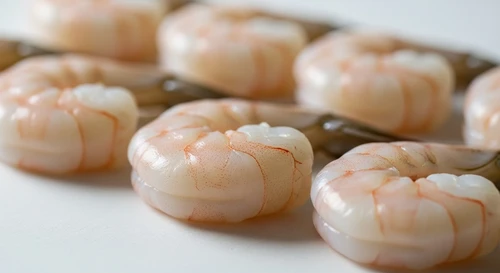
Imagine a bustling roadside stall, the air thick with humidity and the scent of chili. Before you sits a small bowl, brimming with tiny, translucent shrimp, still twitching ever so slightly, bathed in a fiery concoction of lime juice, fish sauce, and mountains of bird's eye chilies. This is 'tom nhay' – "jumping shrimp." It's a regional delicacy found in parts of the Mekong Delta, particularly near coastal or brackish waters where these shrimp are harvested.
For those seeking an intense culinary adventure, 'tom nhay' promises an explosion of flavor: the sweet, briny pop of the shrimp, the searing heat of the chilies, and the sharp tang of lime. It’s a raw, primal experience that speaks to the untamed spirit of the Delta. I've seen seasoned travelers, myself included, drawn in by its reputation and the sheer audacity of its preparation. The vibrant colors, the audacious presentation, the promise of an unforgettable taste – it's a siren song for the adventurous eater.
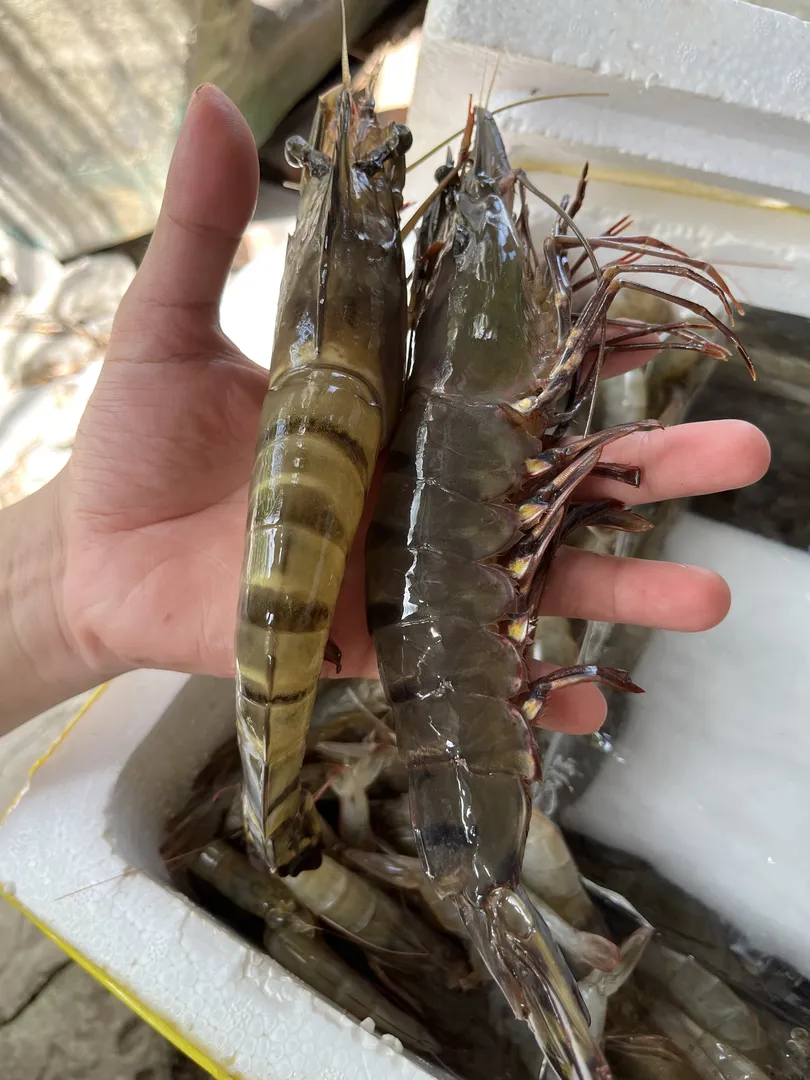
Heritage Ingredient
Ca Mau Black Tiger Shrimp
Ca Mau Black Tiger Shrimp
Large black tiger shrimp associated with mangrove aquaculture in Ca Mau, known for firm flesh and a cleaner, sweeter finish than intensively farmed shrimp.
Wild spirits of the mangroves, these black-banded gems deliver a firm, snappy texture and a sweetness that echoes the forest's vibrant life.
2 The Unseen Hitchhikers
The danger, however, lies not in the spice, but in what the shrimp might be carrying. These small, often wild-caught shrimp, especially those from brackish or freshwater environments, can be intermediate hosts for a variety of parasites. Among the most concerning is Paragonimus, a genus of lung flukes.
When these raw or undercooked shrimp are consumed, the metacercariae (the infective larval stage of the fluke) can excyst in the digestive tract. They then burrow through the intestinal wall and migrate, eventually finding their way to the lungs, where they mature into adult flukes. These flukes can lay eggs in the lung tissue, causing a condition known as paragonimiasis, or lung fluke disease.
While often associated with Southeast Asia, reports of parasitic infections from raw seafood consumption, including lung flukes, have surfaced globally. Multiple cases have been documented in travelers and locals alike who have indulged in dishes like 'tom nhay' without proper understanding of the risks. The liver can also be affected during the migration phase.

Heritage Ingredient
Fermented Sour Shrimp (Mekong Style)
Fermented Sour Shrimp (Mekong Style)
A Southern Vietnamese fermented shrimp preserve made with garlic, chili, and shredded green papaya, often served with boiled pork, rice paper, or plain rice.
A vibrant dance of flavors—sour, spicy, and sweet—where tender shrimp and crunchy papaya create a masterpiece of Southern preserved heritage.
3 When the Fiery Bite Turns Deadly
The symptoms of paragonimiasis can vary greatly depending on the number of flukes and their location in the body. Initially, after consuming infected raw shrimp, there might be a period of latency. However, as the flukes establish themselves in the lungs, common symptoms can include:
- Chronic cough, often producing rusty-colored or blood-tinged sputum.
- Chest pain.
- Shortness of breath.
- Fever.
- Fatigue.
- Loss of appetite and weight loss.
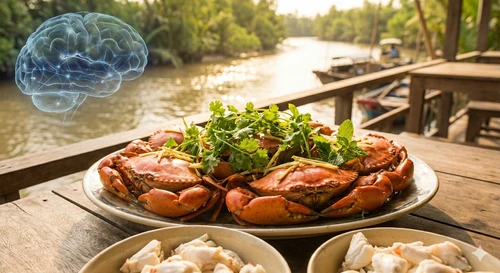
In more severe or chronic cases, the flukes can migrate to other organs, including the brain, spinal cord, or abdomen, leading to more serious neurological or gastrointestinal issues. Misdiagnosis is also a concern, as symptoms can mimic tuberculosis or other lung conditions. The thought of these parasites not only residing but actively laying eggs within your lungs is, frankly, chilling.
4 Life on the Water: A Delicate Balance
The Mekong Delta, a vast labyrinth of rivers, canals, and mangrove forests, is a region where life and livelihood are intrinsically tied to the water. For generations, communities have relied on its bounty, from the prolific rice paddies to the diverse aquatic life. Seafood, in its myriad forms, is a cornerstone of the regional diet and economy.
Dishes like 'tom nhay' are born out of necessity and local tradition, utilizing the freshest available ingredients. The brackish waters and fertile riverbeds are ideal habitats for a rich variety of crustaceans, including the small shrimp that become this fiery delicacy. However, these same environments can also be reservoirs for parasites. The very nature of riverine and coastal life means that ensuring the safety of raw foods requires an understanding of the local ecosystem and potential risks, which can be overlooked in the pursuit of authentic, bold flavors.
While modern aquaculture practices aim for higher safety standards, wild-caught or casually harvested seafood from less controlled environments carries a greater inherent risk. The fishermen and families who live and work on the water may have a higher tolerance or a different understanding of these risks, but for the uninitiated traveler, the experience can be a gamble.

Heritage Ingredient
Ca Mau Mudskipper
Ca Mau Mudskipper
A mangrove mudskipper from Ca Mau, often grilled with chili salt and featured in articles about unusual delta seafood and mudflat ecosystems.
The acrobatic spirit of the mudflats, delivering a fragrant, smoky flesh that embodies the untamed beauty of Ca Mau's mangrove world.
5 Playing it Safe: Cooking is Key
The most effective way to eliminate the risk of parasitic infections from shrimp and other shellfish is through proper cooking. Heat kills these organisms.
Thoroughly cooking shrimp to an internal temperature of 145°F (63°C) will neutralize any parasites. This means steaming, boiling, frying, or grilling until the shrimp are opaque and firm, not translucent. For dishes like 'tom nhay', the traditional preparation using raw shrimp is inherently risky. If you are offered this dish, it is advisable to politely decline or ask if a cooked version is available.
Beyond cooking, sourcing seafood from reputable suppliers who practice safe handling and aquaculture is crucial. In a bustling street food environment, discerning the origin and safety of raw ingredients can be nearly impossible.
6 The Temptation of the 'Authentic' Bite
In our globalized world, the desire for "authentic" culinary experiences is stronger than ever. Food writers and travelers often seek out the most traditional, the most daring, the most "local" dishes. 'Tom nhay' fits this bill perfectly – it's raw, it's spicy, it's from a specific region, and it promises a story.
However, this pursuit of authenticity must be tempered with an awareness of health and safety. What might be a time-honored tradition for one community can pose a significant health risk to outsiders, especially when consumed without understanding the underlying dangers. The allure of a daring dish can sometimes blind us to the potential consequences. The raw flavors might be exhilarating, but the lingering effects of parasitic infestation are anything but.
7 When to Seek Medical Advice
If you have recently traveled to the Mekong Delta or other regions where raw seafood consumption is common, and you develop symptoms such as a persistent cough, chest pain, or fever, it is crucial to consult a medical professional. Be sure to inform your doctor about your dietary habits and travel history, as this information is vital for accurate diagnosis and treatment. Early detection and treatment of paragonimiasis are key to preventing serious long-term complications.
The Prudent Palate
The Mekong Delta offers an incredible tapestry of flavors, many of which are safe, delicious, and deeply rooted in culture. Embrace the cooked delicacies, the expertly prepared dishes, and the vibrant culinary heritage. But when faced with the prospect of 'tom nhay' or other raw aquatic delicacies, remember that the most authentic experience is often one that allows you to return home healthy and eager to share your stories, rather than burdened by unseen passengers.
Always prioritize safety and informed choices. A truly unforgettable meal is one that nourishes both body and soul.