" In the labyrinthine waterways of the Mekong Delta, where life teems and flavors explode, lurks a creature of exquisite taste and potential peril: the mantis shrimp. "
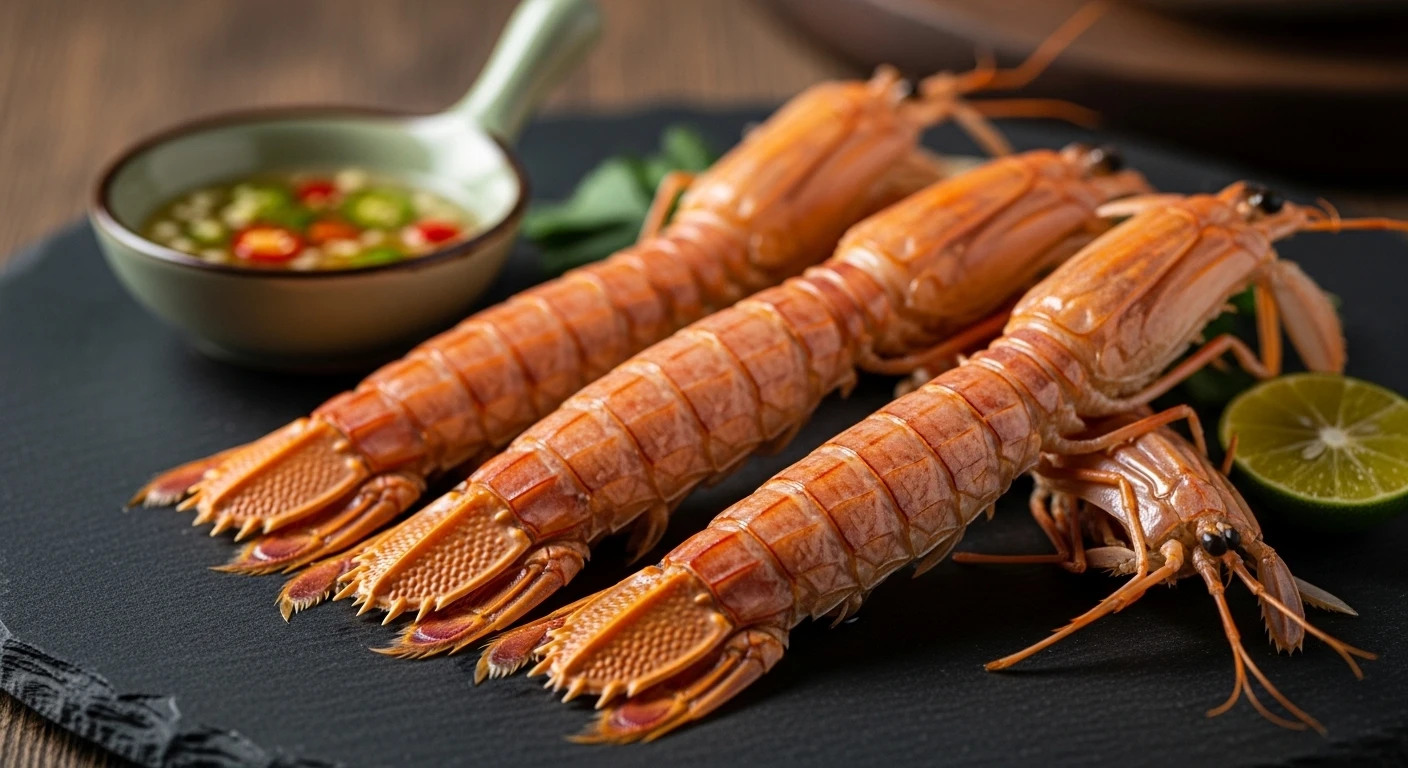
📸 The elusive allure of the 'Tom Hum' - a true taste of the sea.
1 A Taste of the Mangroves: Mantis Shrimp in the Mekong
The Mekong Delta, a vast tapestry of rivers, canals, and coastal plains, is a treasure trove of seafood. Among its less heralded but equally prized inhabitants is the mantis shrimp, often referred to as 'Tom Hum' or 'Pe Kung' locally. These marine marvels, with their striking coloration and segmented bodies, are more than just a visual spectacle; they are a culinary cornerstone in the region's vibrant food scene.
Found in the brackish waters and along the sandy bottoms of Vietnam's southern coastline, from Ca Mau to the islands, these crustaceans are typically harvested by local fishermen. Unlike their more common shrimp and crab cousins, mantis shrimp possess a distinctively firm, sweet flesh that carries the very essence of the sea. They are often simply prepared – steamed, grilled, or stir-fried with garlic and chili – to let their natural, intense flavor shine through. This minimalist approach is characteristic of Mekong Delta cuisine, which prizes ingredient integrity above all else.
This direct connection to the coastal ecosystem means that for communities in provinces like Ca Mau or Kien Giang, mantis shrimp are not just a delicacy but a livelihood, a part of the daily rhythm dictated by the tides and the catch.

While mantis shrimp are not explicitly listed in the provided product data, their culinary significance in the Mekong Delta is immense. The region is celebrated for its diverse seafood, including various species of crabs and shrimp that share this spirit of simple, impactful preparation. For instance, the Ca Mau Jumbo Mud Crab, known for its dense, sweet meat, embodies the same principle of letting natural flavors take center stage.
Heritage Ingredient
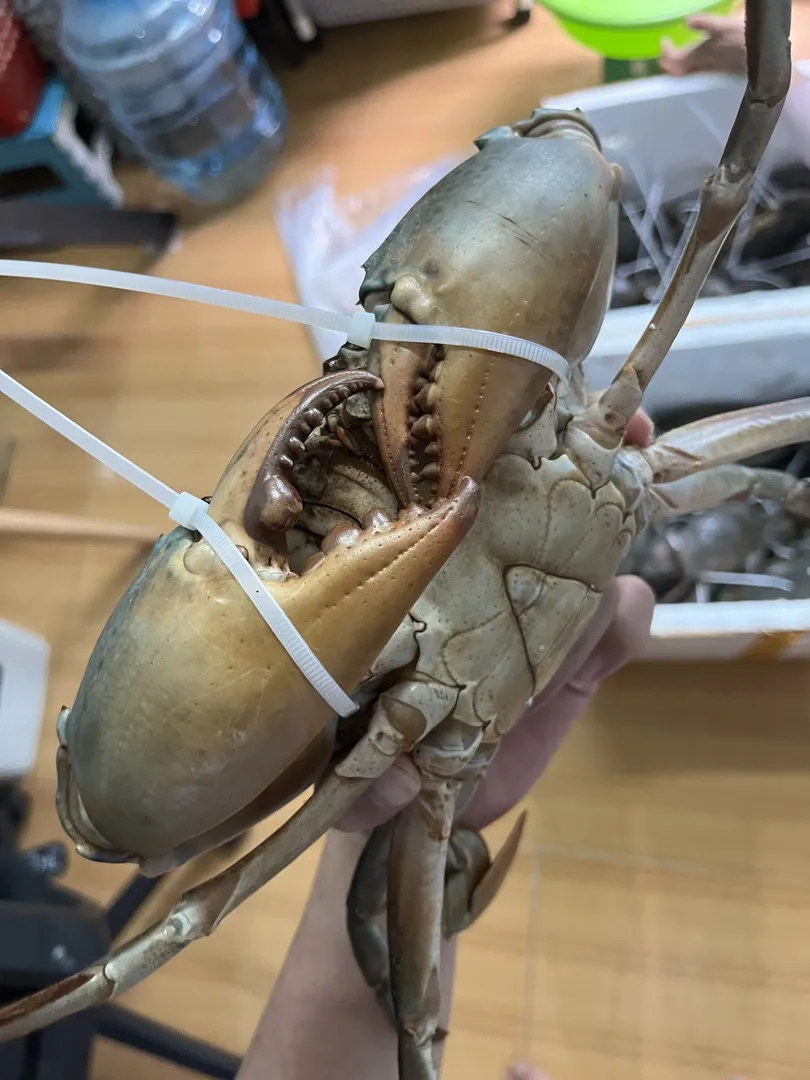
Ca Mau Jumbo Mud Crab
Ca Mau Jumbo Mud Crab
A large male mud crab prized for dense, sweet meat and thick claws, commonly used in steamed crab and grilled crab dishes across the Mekong Delta.
An icon of coastal culinary heritage, featuring firm, sweet meat that captures the raw power and freshness of Ca Mau's tides.
2 The Purine Predicament
Now, let's address the elephant in the room, or rather, the high purine content in the crustacean. For individuals managing gout, understanding purines is paramount. When your body metabolizes purines, it produces uric acid. In gout sufferers, the body either produces too much uric acid or doesn't excrete enough, leading to a buildup of urate crystals in the joints, causing inflammation, intense pain, swelling, and redness – the dreaded gout flare-up.
Seafood, particularly shellfish, is often on the list of high-purine foods. And mantis shrimp, unfortunately, are notoriously high on this list. While specific figures can vary, they are generally classified alongside other high-purine seafood like anchovies, sardines, and scallops. Their rich, intense flavor is a direct indicator of their nutrient density, which unfortunately includes a significant purine load.
3 Doctor's Orders: The Flare-Up Rule
When it comes to gout, especially during an active flare-up, medical advice is unequivocal: avoid high-purine foods entirely. This is not a time for moderation; it's a time for strict avoidance to allow the inflammation to subside and prevent further crystal formation.
Doctors and rheumatologists universally advise patients experiencing a gout attack to steer clear of shellfish, including mantis shrimp, organ meats, red meat, and sugary drinks. The focus shifts from enjoyment to recovery. Consuming high-purine foods like mantis shrimp during a flare-up can exacerbate symptoms, prolong the attack, and increase the likelihood of future episodes. It's a short-term pleasure that can lead to prolonged pain.
Key Takeaway:
If you are currently suffering from a gout flare-up, mantis shrimp should be completely off your plate. Your joints will thank you.
4 Navigating the Gout Diet: Safer Delights from the Delta
The good news is that the Mekong Delta's culinary bounty offers plenty of delicious options for those managing gout. While mantis shrimp might be off-limits during flare-ups, other local specialties can satisfy your craving for fresh, flavorful seafood without the purine penalty.
Many white fish species, common in the delta's rivers and lakes, are lower in purines and can be prepared simply. Dishes like steamed featherback fish ('Ca Thac Lac') or grilled snakehead fish are excellent choices. These lean proteins are rich in omega-3 fatty acids, which can even help reduce inflammation.

Heritage Ingredient
Hau Giang Featherback Fish Cake
Hau Giang Featherback Fish Cake
A hand-scraped featherback fish cake known for natural bounce and clean fish flavor, often used in soups, hotpot, and stuffed bitter melon dishes.
A testament to Hau Giang's artistry—silky, springy, and pure, these hand-scraped fish cakes are the bouncy heart of every clear soup.
Furthermore, vegetables are your best friend. The Mekong Delta is a garden of Eden, overflowing with leafy greens, fresh herbs, and an array of vibrant produce that are not only gout-friendly but also packed with vitamins and antioxidants. Think of fresh salads with minimal dressing, or stir-fried greens with garlic.
While all seafood carries some purine, certain types of shrimp and crab might be considered in moderation *outside* of a flare-up, always under medical guidance. For instance, smaller, whiteleg shrimp or certain types of young roe crab from Ca Mau are part of the local diet. However, it's crucial to consult with your doctor or a dietitian for personalized advice, as individual tolerances vary greatly.
Heritage Ingredient
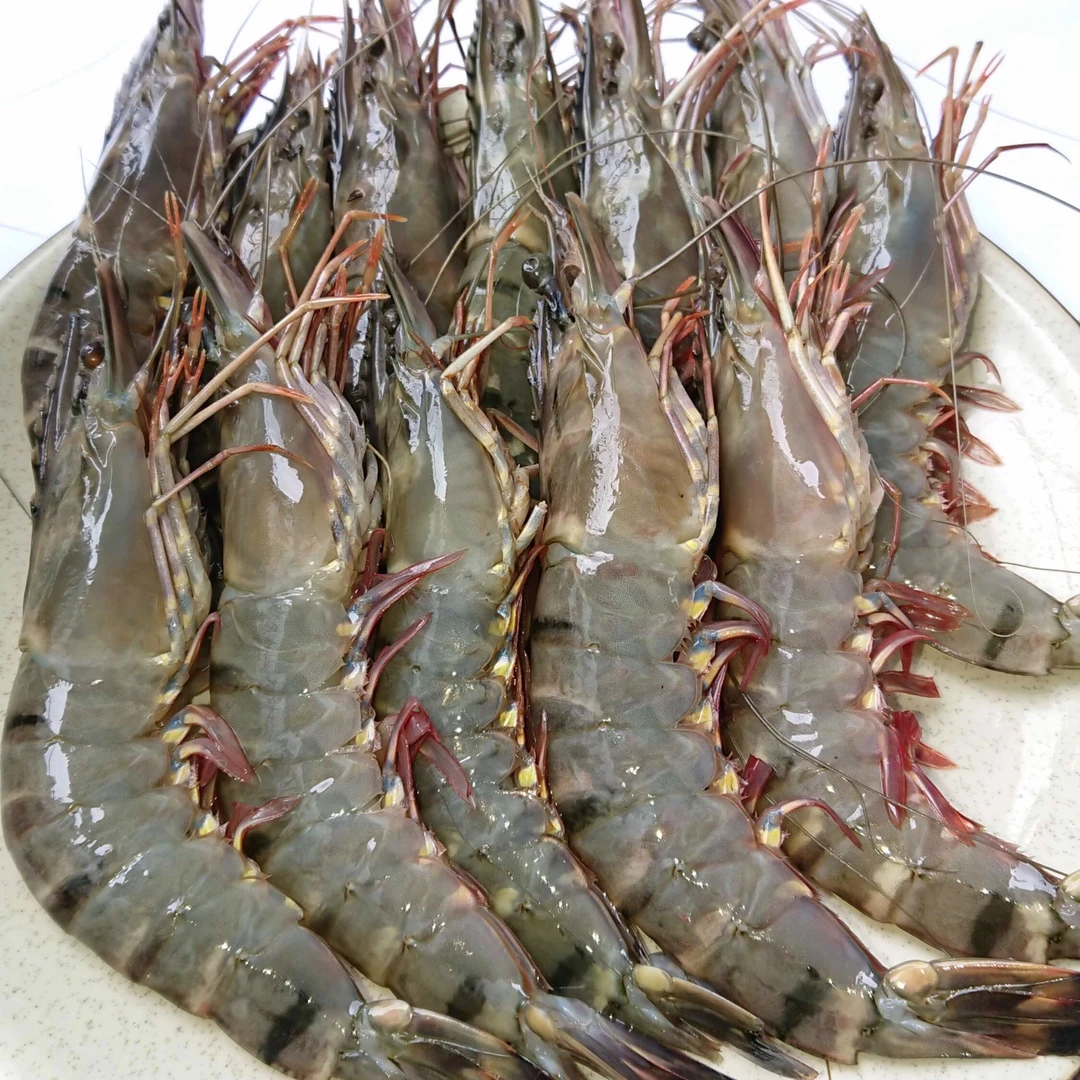
Whiteleg Shrimp
Whiteleg Shrimp
A widely used shrimp in Vietnamese home kitchens, suitable for stir-fries, soups, steamed dishes, and practical cooking articles that need a familiar shrimp reference.
Translucent jewels of the coast, thin-shelled and remarkably sweet, making every simple home meal feel like a seaside celebration.
Heritage Ingredient
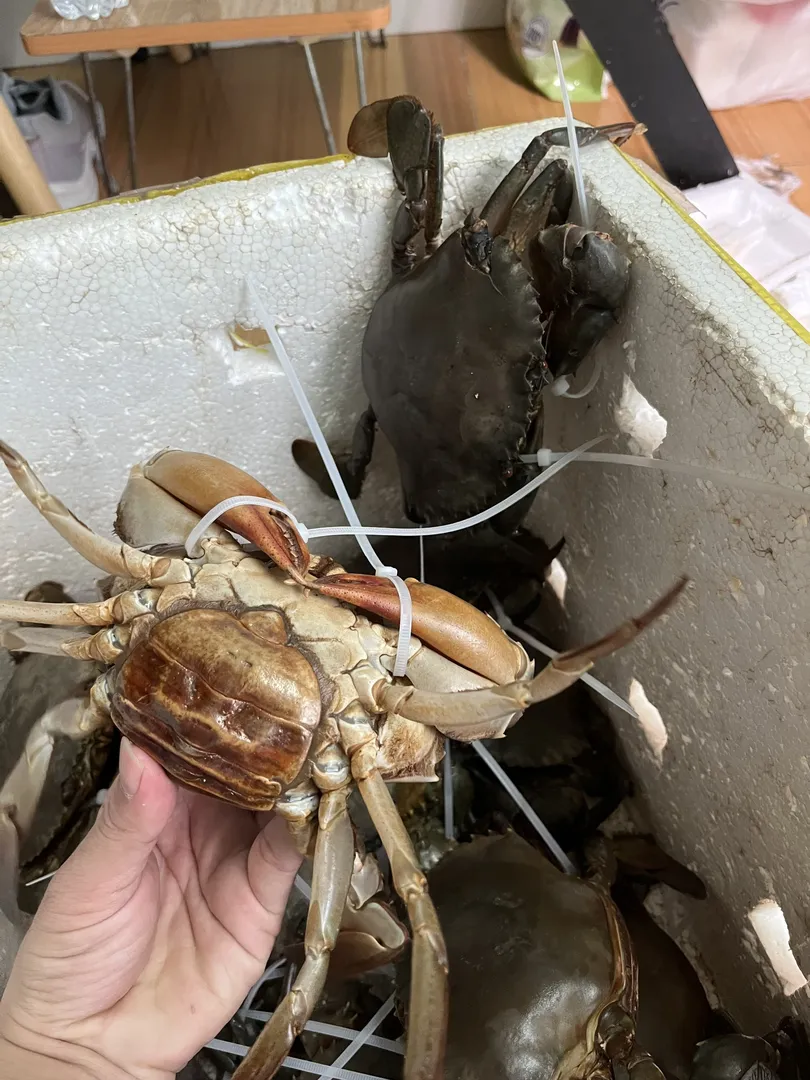
Young Roe Mud Crab (Virgin Crab)
Young Roe Mud Crab (Virgin Crab)
A young female mud crab identified before full spawning, offering a balance of sweet meat and light roe that sits between meat crab and roe crab styles.
A graceful balance of sweetness and creaminess, where tender meat meets a hint of light, buttery roe for a truly refined palate.
The key is to embrace the spirit of Mekong cuisine – fresh, vibrant, and ingredient-focused – while making informed choices that support your health.
5 A Glimmer of Hope: Remission and Moderation
The question on every gourmand's mind is: "Does this mean never again?" For many, the answer is not a definitive 'no,' but a qualified 'rarely and with extreme caution.'
Once gout is under control and you are in remission, with uric acid levels managed through medication and diet, your doctor might allow for occasional, small portions of moderate-purine foods. This is where personalization is key. Some individuals can tolerate a small serving of mantis shrimp once or twice a year without triggering a flare, while others find even a tiny amount is enough to set them off.
If you decide to experiment, do so under strict supervision and when you are feeling perfectly well. Pay close attention to portion size – think one or two small mantis shrimp, not a feast. Pair it with gout-friendly foods like vegetables and complex carbohydrates. Hydration is also crucial; drink plenty of water. And be prepared to stop immediately if you feel any twinges or discomfort.
6 The Cultural Dance: Pleasure vs. Pain
In Vietnamese culture, food is deeply intertwined with celebration, family, and hospitality. Sharing a plate of exquisitely prepared mantis shrimp is often a social ritual, a moment of shared indulgence. For someone living with gout, this can create a complex emotional landscape. The desire to participate fully in these culinary traditions, to savor the unique flavors of home and heritage, clashes with the harsh reality of physical consequences.
This is where understanding the science behind the food becomes empowering. It allows individuals to make informed decisions, to balance their love for flavor with the imperative of their health. It's not about deprivation; it's about mindful enjoyment. It means finding joy in the many gout-friendly dishes that are equally representative of the Mekong's rich culinary tapestry, and perhaps, savoring that one precious mantis shrimp experience once every few years, rather than making it a regular indulgence.
7 A Word from the Coastal Kitchens
The vibrant waters of the Mekong Delta offer a universe of flavors, each with its own story and character. Mantis shrimp, with its intense oceanic taste, is undoubtedly a jewel in this crown. However, for those who live with gout, this particular jewel comes with a significant caveat.
Always prioritize your health. Consult with your healthcare provider for personalized dietary advice. While the allure of that unique, rich flavor is undeniable, the severe pain of a gout flare-up is a stark reminder that some culinary risks are simply not worth taking, especially during an active episode. Embrace the diverse and delicious gout-friendly options the Mekong Delta has to offer, and savor them with the peace of mind that comes from making a choice that nourishes both your body and your spirit.
8 Beyond the Mantis: Other Mekong Delights
The Mekong Delta is not just about one type of seafood. Its rivers and coastline teem with a variety of ingredients that can be enjoyed more safely by those managing gout.
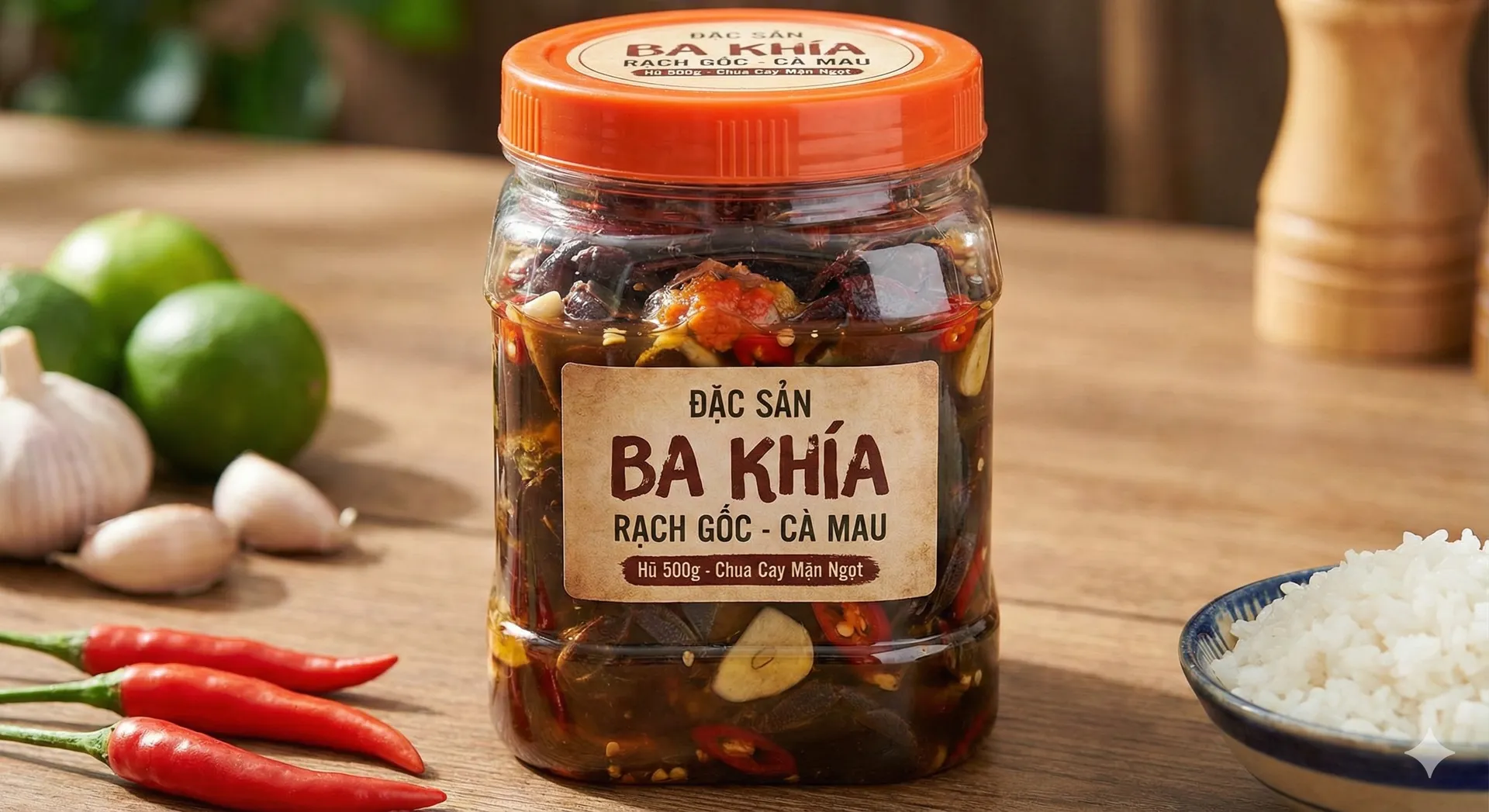
For instance, traditional fermented seafood like 'Ba Khia' (fermented mangrove crab) offers a complex salty-sour profile. While processed, the purine levels are generally considered more manageable than fresh, high-purine seafood, but moderation and physician consultation are still key.
Heritage Ingredient
Fermented Mangrove Crab (Ba Khia)
Fermented Mangrove Crab (Ba Khia)
A traditional fermented crab specialty from the mangrove region of Rach Goc, often cited in articles about rustic Mekong Delta flavors and preserved seafood culture.
The salty-sour heartbeat of the wild south, where traditional fermentation turns forest crabs into a nostalgic explosion of rustic Mekong soul.
Also, consider the vast array of freshwater fish and other aquatic life unique to the region. Many are staples in healthy Vietnamese diets and can be prepared with minimal fuss.
Trending Tags:
More Health & Nutrition Insights
View More Health & Nutrition
The Calcium Myth: Do Shrimp Shells Actually Build Strong Bones?
Stop chewing hard shells. Science proves that shrimp shells are mostly indigestible chitin, not a viable source of dietary calcium.
Is the Dark Vein Underneath a Prawn's Belly Toxic?
Dispelling internet rumors: the line running along the belly is a nerve cord and blood vessel, not a toxic digestive tract.
Should the Elderly Drink Crab Steaming Broth? A Gout Warning
The broth is delicious but contains highly concentrated purines. Why it's a dangerous 'poison' for those with weak kidneys or arthritis.
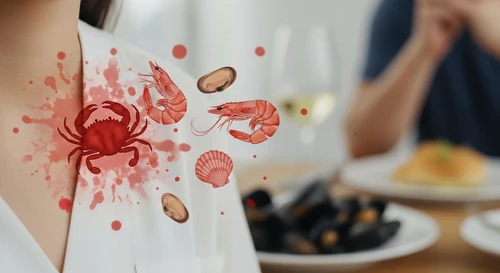
Seafood Allergies: Symptoms and Immediate First Aid
How to recognize the difference between mild hives and anaphylaxis after eating shellfish, and what to do next.
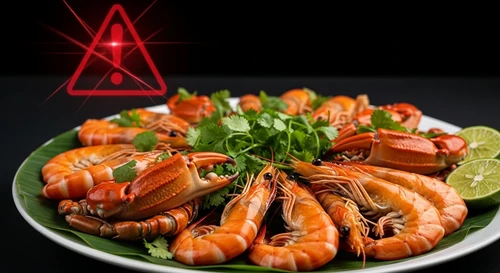
Allergy Alert: Signs of Shellfish Allergy
What to look for if you feel itchy after eating.
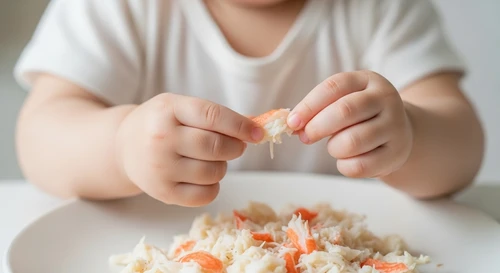
Introducing Crab to Your Baby's Diet: When and How?
Pediatrician guidelines on the safe age to introduce shellfish to toddlers to avoid choking and monitor for allergies.
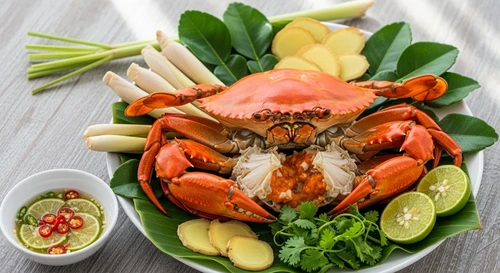
Low Sodium Options for Crab Lovers
How to cook crab without raising blood pressure.
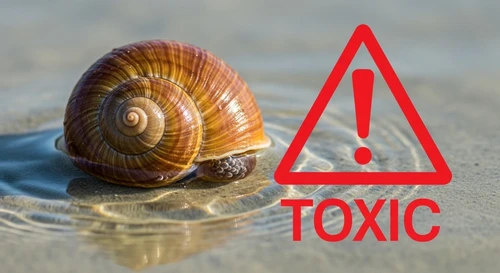
Bizarre Sea Snail Allergy causing Lip Numbness: Go to the ER Immediately
Many sea snails have neurotoxins that cause numbness in the mouth, tongue, and shortness of breath. Do not confuse this with a normal allergy.
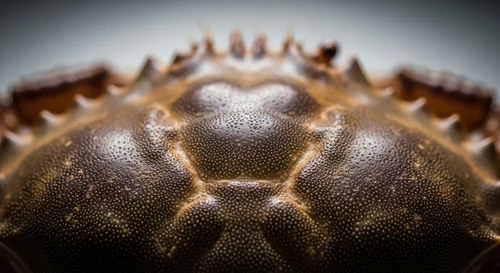
Allergic to the Shell, Not the Meat? The Science Behind It
Why some people experience contact dermatitis from handling raw crab shells but can eat the cooked meat without issues.