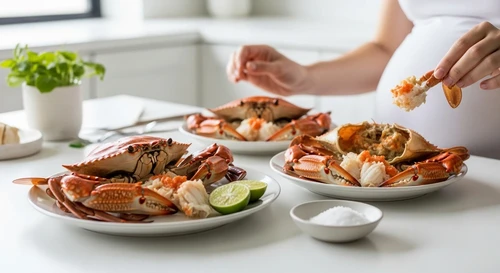
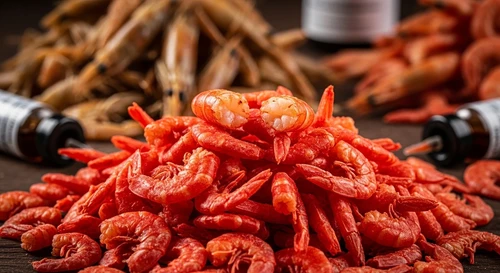
" In the labyrinthine world of blood sugar management, certain foods spark more debate than others. Seafood, a jewel of the ocean and the Mekong, often sits at the crossroads of health benefits and dietary concerns. "
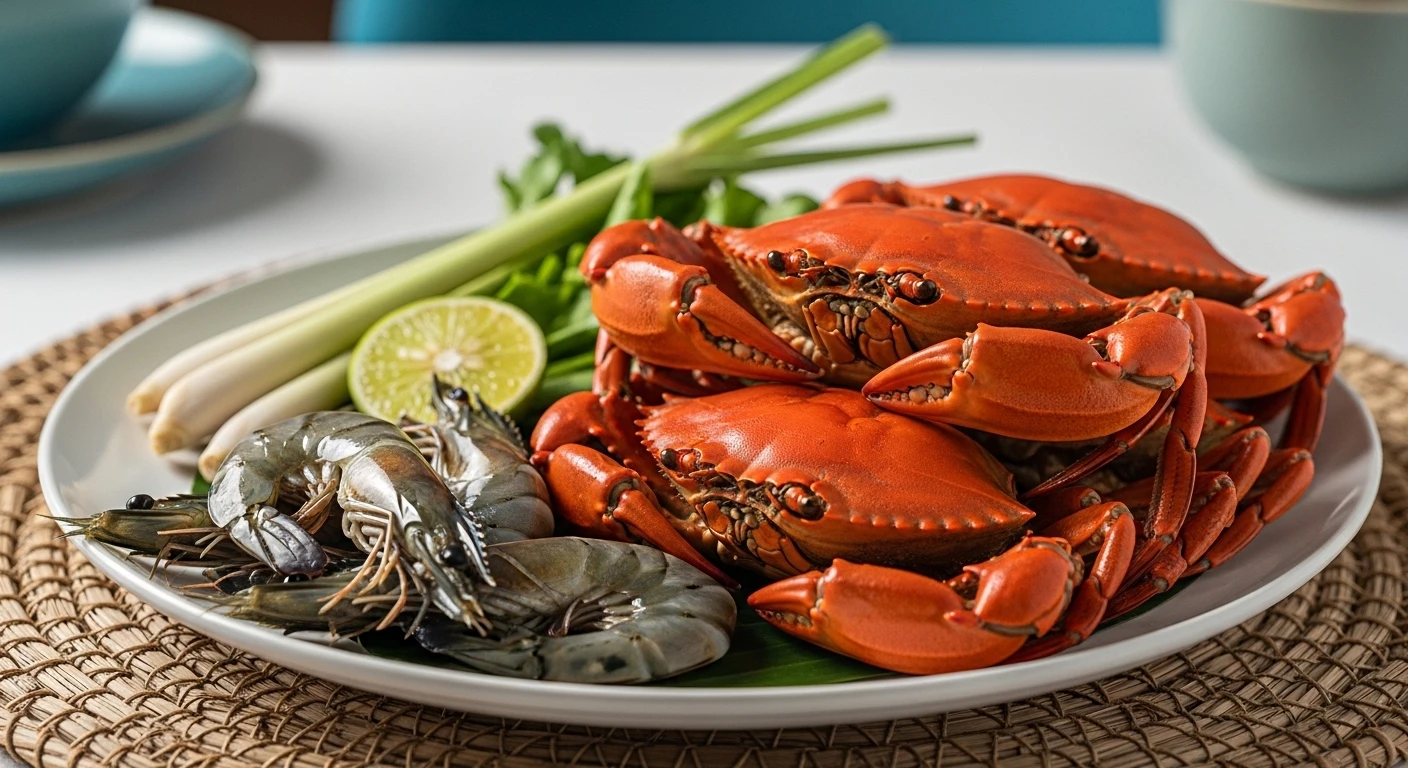
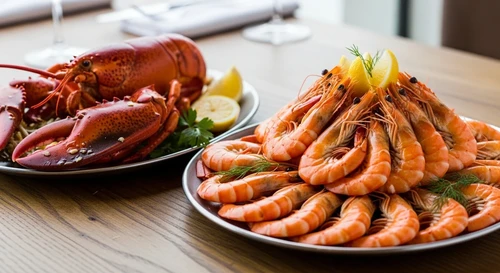
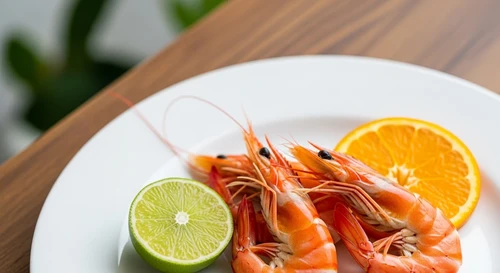
📸 A healthy indulgence: Seafood offers a wealth of nutrients.
1 Why Seafood is a Health Darling
For anyone, not just those managing diabetes, seafood represents a nutritional goldmine. It's a complete protein source, meaning it provides all the essential amino acids your body needs. This is crucial for muscle repair, immune function, and overall satiety.
Lean Protein King
Seafood generally contains less saturated fat than red meat, making it a heart-healthier alternative for protein intake, vital for stable energy levels.
Omega-3 Fatty Acids
Fatty fish are lauded for EPA and DHA, potent anti-inflammatories linked to improved cardiovascular health, brain function, and potentially better insulin sensitivity.
Beyond protein and healthy fats, seafood is packed with essential minerals like iodine, selenium, and zinc, as well as vitamins D and B12. These nutrients play vital roles in metabolism, thyroid function, and nerve health.
2 The Ca Mau Crab: A Taste of the Delta
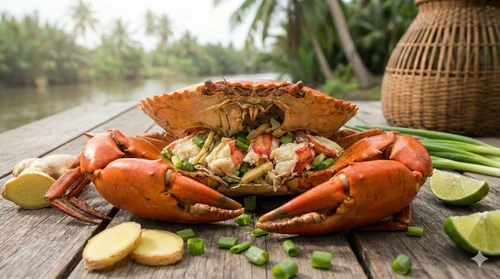
From the verdant, mangrove-rich coastlines of Ca Mau, Vietnam's southernmost province, comes some of the world's finest mud crabs. These crustaceans are renowned for their dense, sweet meat and vibrant roe. Imagine the rich, briny air of the Mekong Delta's coastal farms, where these magnificent creatures thrive.

Heritage Ingredient
Ca Mau Jumbo Mud Crab
Ca Mau Jumbo Mud Crab
A large male mud crab prized for dense, sweet meat and thick claws, commonly used in steamed crab and grilled crab dishes across the Mekong Delta.
An icon of coastal culinary heritage, featuring firm, sweet meat that captures the raw power and freshness of Ca Mau's tides.
Heritage Ingredient
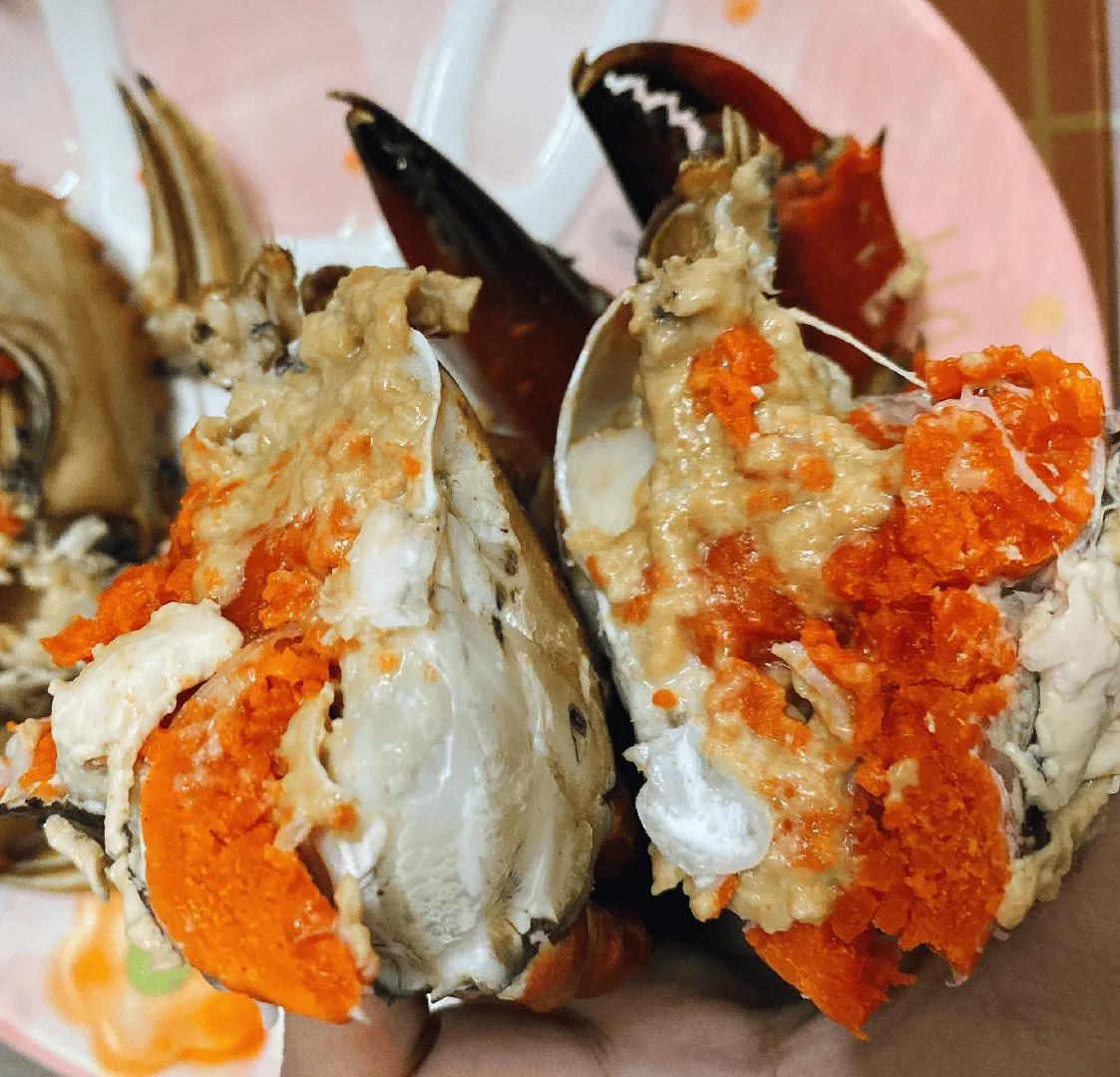
Ca Mau Roe Mud Crab
Ca Mau Roe Mud Crab
A female mud crab known for deep orange roe and a rich, creamy finish, often featured in celebratory Southern Vietnamese seafood meals.
A crimson treasure hidden within a shell, boasting rich, creamy roe that melts on your tongue like a golden sunset over the delta.

Heritage Ingredient
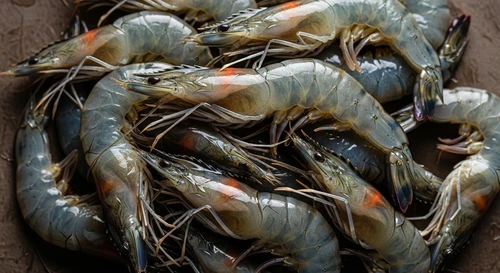
Ca Mau Black Tiger Shrimp
Ca Mau Black Tiger Shrimp
Large black tiger shrimp associated with mangrove aquaculture in Ca Mau, known for firm flesh and a cleaner, sweeter finish than intensively farmed shrimp.
Wild spirits of the mangroves, these black-banded gems deliver a firm, snappy texture and a sweetness that echoes the forest's vibrant life.
In the Mekong Delta, crab is more than just food; it's a way of life. Fishermen navigate intricate waterways, and families gather for communal meals featuring these ocean treasures. Whether steamed, grilled, or simmered in fragrant broths, crab represents a pure, unadulterated flavor of the region.
3 Navigating Cholesterol Concerns
The conversation around seafood and diabetes often circles back to cholesterol. Historically, foods high in dietary cholesterol were viewed with suspicion, especially for individuals with diabetes who are at higher risk of heart disease.
Key Takeaways on Cholesterol:
- Dietary vs. Blood Cholesterol: It's crucial to distinguish between dietary cholesterol (from food) and blood cholesterol (in your bloodstream). For most people, dietary cholesterol has a less significant impact on blood cholesterol levels than saturated and trans fats.
- Seafood's Cholesterol Profile: While crabs and shrimp are higher in dietary cholesterol than many other proteins, they are very low in saturated fat. The body produces most of its cholesterol; saturated fats are the primary dietary culprits that raise LDL (bad) cholesterol.
- The Role of Preparation: How you cook seafood matters immensely. Steaming, grilling, or baking are far healthier than deep-frying, which adds unhealthy fats and calories.
- Current Guidelines: Major health organizations, including the American Diabetes Association, now suggest that moderate consumption of cholesterol-rich foods, like shellfish, can be part of a healthy diet for people with diabetes, provided they are low in saturated fat and prepared healthily.
4 Smart Choices for a Balanced Plate
Portion Control is Key
Even with healthy foods, moderation is essential. A typical serving of seafood for a diabetic meal plan is around 3-4 ounces. This ensures you get the protein and nutrients without overdoing the cholesterol or calories.
Prioritize Leaner Options
While crabs are delicious, consider incorporating more fish like salmon, mackerel, or sardines. These are rich in Omega-3s and generally lower in dietary cholesterol per serving compared to crab or shrimp. However, crab and shrimp can absolutely be enjoyed in moderation.
The Art of Preparation
This is where the magic truly happens. Steamed, baked, or grilled seafood is your best friend. Avoid: Deep-frying, creamy sauces, butter-heavy preparations. Embrace: Herbs, spices, lemon, garlic, and light broths. The pure, natural flavors of seafood shine best with simple cooking methods.
Pairing Wisely
Serve your seafood with non-starchy vegetables – think steamed broccoli, a fresh salad with a light vinaigrette, or stir-fried greens. This helps balance the meal and provides fiber.
5 A Mekong Delta Approach to Health
The Mekong Delta's culinary philosophy often emphasizes freshness and simplicity, a style that aligns beautifully with diabetic-friendly eating. Think of the quintessential "Cua Hấp" (Steamed Crab) – often prepared with just a touch of aromatics like lemongrass or ginger. Or the delicate "Canh Chua Cá" (Sour Fish Soup), brimming with fresh vegetables and herbs, where the fish is poached, not fried. These traditional preparations highlight the natural flavors and nutritional integrity of the ingredients. Even preserved items like "Ba Khia" (fermented mangrove crab), while salty, are consumed in small, deliberate portions as a condiment, showcasing a mindful relationship with intense flavors.
6 Can Diabetics Eat Crabs and Seafood?
The resounding answer is YES, with mindful consideration. The nutritional benefits of seafood – lean protein, essential fatty acids, vitamins, and minerals – are too significant to ignore. The key lies in understanding the cholesterol content within the broader context of a balanced diet.
Focus on healthy preparation methods, practice portion control, and pair seafood with non-starchy vegetables. By making informed choices, individuals with diabetes can absolutely incorporate the delicious and nutritious offerings of the sea, including the prized crabs of the Mekong Delta, into their meal plans without compromising their health goals.
Always consult with your healthcare provider or a registered dietitian for personalized dietary advice tailored to your specific health needs and management plan.
7 Insider Tips for the Diabetic Diner
Choose Wisely: Opt for whole seafood when possible, as processing can sometimes add unwanted ingredients.
Flavor, Not Fat: Experiment with herbs and spices for intense flavor without relying on heavy sauces or fats. Think Vietnamese herbs like cilantro, mint, and dill.
Read Labels: If purchasing pre-prepared or canned seafood, check for added sodium or sugar.
Listen to Your Body: Pay attention to how your body responds. Individual metabolic responses can vary.
8 The Human Element: Coastal Livelihoods
Understanding the journey of seafood from ocean or river to plate is also important. In regions like Ca Mau, the livelihoods of countless families depend on sustainable fishing and aquaculture. When we choose seafood, we're not just making a dietary decision; we're often supporting communities whose cultural heritage is deeply intertwined with the health of our planet's waters. This connection adds another layer of appreciation for the food we consume.