" When the Mekong sun beats down relentlessly, turning the emerald landscape into a shimmering haze, the body cries out for respite. Forget ice-cold beers and sugary drinks; the true antidote lies in the cooling embrace of nature’s pantry. "
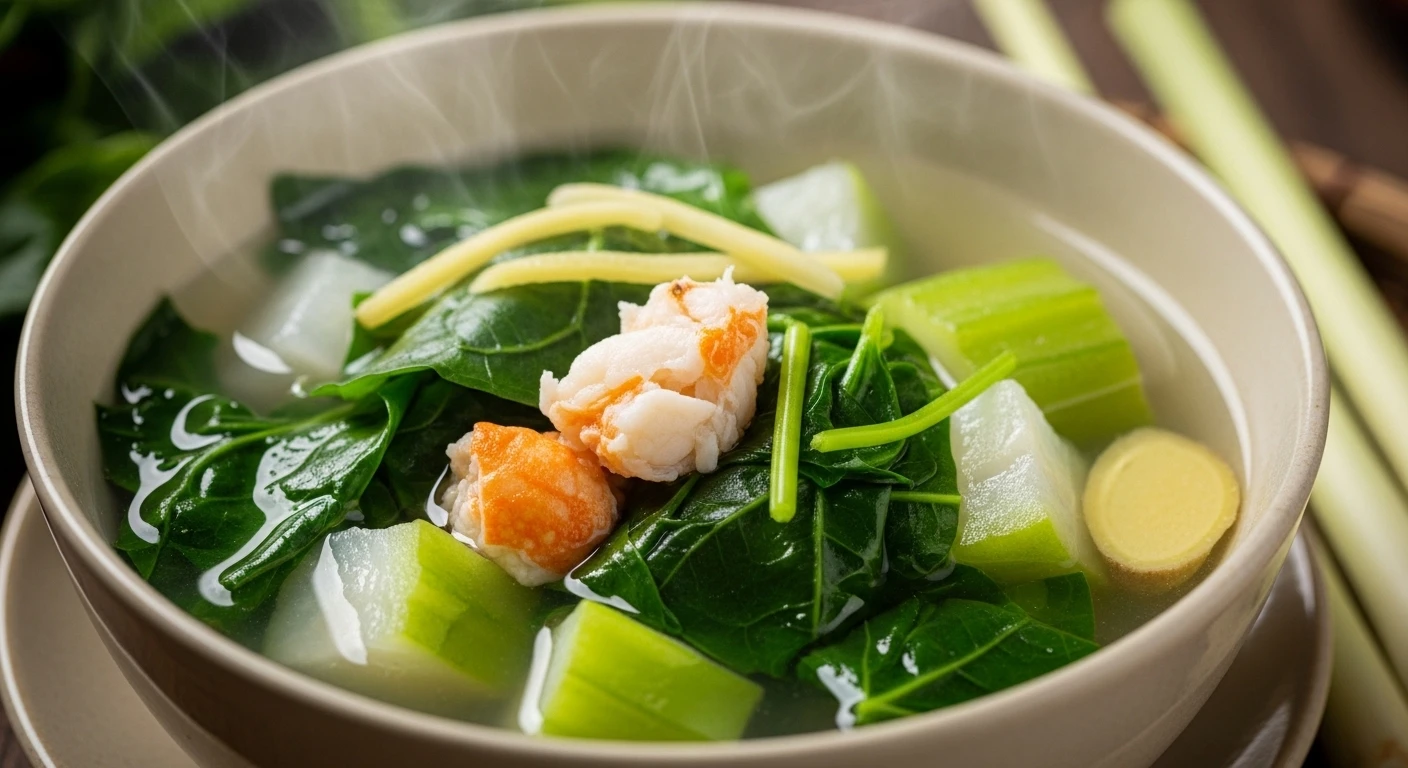
📸 The vibrant trio: A testament to fresh ingredients and nature’s bounty.
1 The Mekong's Summer Secret: A Confluence of Cooling Herbs
The Mekong Delta, a vast network of rivers, canals, and fertile floodplains, is a region where life has always been in sync with the rhythms of nature. During the oppressive heat of summer, when temperatures soar and humidity clings like a second skin, the delta’s people have long turned to the bounty of their land for sustenance and relief. This soup is not just a meal; it's a legacy, a tradition passed down through generations, a perfect harmony of ingredients designed by nature to cool the body, soothe the spirit, and detoxify from within.
At its heart lies the humble field crab. These aren't the colossal mud crabs of the coast, but smaller, sweeter crustaceans often found scuttling through the rice paddies and shallow waterways. Their delicate meat, when simmered gently, imparts a subtle oceanic sweetness that forms the soul of this broth.
Paired with the crisp, slightly mucilaginous leaves of Malabar spinach (rau mồng tơi) and the refreshing, watery flesh of luffa gourd (su su), this soup becomes a powerhouse of hydration and internal cooling. It’s a testament to the ingenuity of Mekong cuisine, where simple, readily available ingredients are transformed into something profoundly comforting and restorative.
2 Decoding the Detox Power: Nature's Liver-Cooling Elixir
In traditional Vietnamese herbal medicine, heat is often seen as a source of imbalance, leading to ailments like sluggishness, skin irritations, and general discomfort. This soup is designed to combat that excess heat, primarily by targeting the liver, which is believed to store anger and regulate 'qi' flow.
The Crab's Role
Crab meat itself is considered 'cooling' and rich in protein. Its subtle flavor doesn't overpower, allowing the other cooling ingredients to shine. It provides essential nutrients without adding to the body's heat load.
Malabar Spinach & Luffa
Malabar spinach, with its high water content and mucilaginous texture, acts as a natural humectant, hydrating the body. Luffa gourd is renowned in Asian cultures for its diuretic properties, helping flush out toxins and excess heat through the kidneys. Together, they create a deeply hydrating and cleansing broth.
The light, clear broth is crucial. Unlike heavy, oily soups, this preparation prioritizes the pure, essence-infused water. It’s about rehydration and gentle purification, making it the perfect antidote to the sweltering heat of a Mekong summer.
3 From Paddy to Pot: The Field Crab's Journey
Imagine the sun-drenched rice fields of the Mekong Delta. After the harvest, these fields often hold shallow, nutrient-rich water, becoming a temporary haven for a variety of aquatic life. It’s here that local villagers, often children or the elderly, gently trawl the waters with fine nets or simply reach into the muddy banks to collect small, freshwater crabs. These are the field crabs – hardy, abundant, and possessing a unique, delicate sweetness derived from their natural, unpolluted environment.
Unlike their larger marine cousins, field crabs are usually cooked whole, shell and all, in soups and stews. Their small size means the shells soften during cooking, adding a subtle depth and a touch of calcium to the broth. The careful cleaning and preparation are key – ensuring no mud remains, only the sweet, pure essence of the delta’s waterways. This connection to the land, this direct harvesting from the very rice paddies that feed the nation, makes this soup a true taste of place.
4 Crafting the Cooling Broth: Simplicity is Key
The beauty of this dish lies in its unpretentious approach. There are no complicated marinades or heavy spices. The goal is to let the inherent flavors of the ingredients sing.
Core Ingredients
- Field Crabs: About 200-250g, cleaned thoroughly.
- Malabar Spinach: A generous bunch (about 150g), roughly chopped.
- Luffa Gourd: 1 medium, peeled, deseeded, and cubed.
- Aromatics: A few slices of ginger, a stalk of lemongrass (lightly bruised).
- Broth Base: Water or light vegetable broth (about 1 liter).
- Seasoning: Fish sauce, salt, white pepper.
The Method
- Bring water/broth, ginger, and lemongrass to a boil in a pot.
- Add the cleaned field crabs and simmer for about 5-7 minutes, or until they turn pinkish-orange. Skim off any impurities.
- Add the cubed luffa and cook for another 5 minutes until slightly tender.
- Stir in the chopped Malabar spinach. Cook for just 1-2 minutes until wilted.
- Season with fish sauce, salt, and a pinch of white pepper to taste.
- Serve immediately in bowls.
5 The Art of Serving: A Taste of Tranquility
This soup is best enjoyed simply. Ladle it piping hot into individual bowls. The vibrant green of the spinach, the pale green of the luffa, and the delicate orange of the crab meat create a visually appealing dish that speaks of freshness and health.
Traditionally, it's served as a light lunch or dinner, often accompanied by a small bowl of steamed rice. Some might enjoy a side of chili fish sauce for dipping, but the soup’s delicate flavors are best appreciated on their own. The warmth of the broth penetrates the body, chasing away the oppressive heat, while the light, clean taste leaves you feeling refreshed and revitalized. It’s the culinary embodiment of finding peace amidst the summer storm.
6 Why It Works: The Science of Cooling
Beyond traditional beliefs, the combination of ingredients in this soup aligns with modern nutritional understanding of hydration and detoxification.
- High Water Content: Both luffa and Malabar spinach are rich in water, contributing significantly to daily fluid intake, which is essential for flushing toxins.
- Electrolyte Balance: The natural minerals from the crab and vegetables help maintain electrolyte balance, crucial for bodily functions, especially when sweating profusely.
- Antioxidant Properties: Many leafy greens like Malabar spinach contain antioxidants that help combat cellular damage caused by heat stress and environmental toxins.
- Gentle on the Digestive System: The soup is light, easily digestible, and doesn't tax the digestive system, allowing the body to focus on cooling and cleansing processes.
It's a gentle yet effective way to support the body’s natural detoxification pathways during periods of intense heat.
7 A Cultural Thread: Resilience in the Delta Heat
This soup is more than just a recipe; it's a narrative of the Mekong Delta's resilience and deep connection to its environment. In a region where life can be challenging, particularly under the intense summer sun, the people have developed culinary traditions that are not only nourishing but also deeply restorative. The availability of field crabs, the cultivation of leafy greens, and the understanding of Luffa's cooling properties are all woven into the fabric of delta life.
Sharing a bowl of this soup is an act of communal care, a way to offer comfort and relief during the hottest months. It represents a wisdom that understands that true well-being comes from working with, not against, nature. It’s a reminder that sometimes, the most profound solutions are the simplest ones, found right at our doorstep.
8 Beyond the Soup: More Mekong Cooling Strategies
The Field Crab and Luffa soup is a prime example, but the Mekong Delta offers a wealth of other cooling culinary practices:
- Watermelon Juice: Celebrated for its high water content and natural sugars.
- Fresh Spring Rolls (Goi Cuon): Filled with cooling herbs, vegetables, and lean protein, served with light dipping sauces.
- Bitter Melon (Muop Dang): Often stuffed and simmered in a light broth, its inherent bitterness is highly valued for clearing internal heat.
- Coconut Water: Drunk directly from young coconuts, it's nature's isotonic drink, perfect for replenishment.
- Herbal Teas: Infusions of chrysanthemum flowers, lotus seeds, or pandan leaves are common and have gentle cooling properties.
Embracing these traditional methods is not just about staying cool; it's about connecting with a way of life that respects the power of nature.
More Nourishing Recipes
View More Health & Nutrition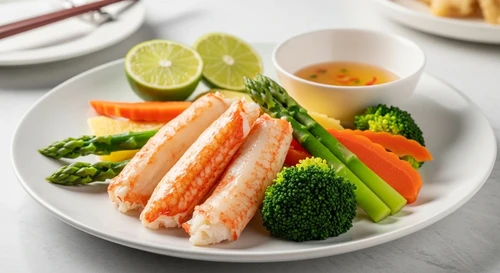
Eat Clean with Crab: Low-Calorie Diet Plans
How to incorporate steamed crab meat into your weight-loss journey without sacrificing flavor or feeling hungry.
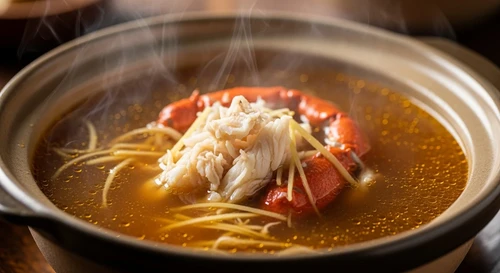
Should the Elderly Drink Crab Steaming Broth? A Gout Warning
The broth is delicious but contains highly concentrated purines. Why it's a dangerous 'poison' for those with weak kidneys or arthritis.
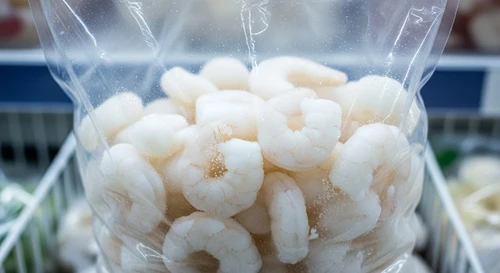
The Hidden Preservatives in Supermarket Frozen Peeled Shrimp
A health analysis of Sodium Metabisulfite (bleaching agents) used in processed shrimp and why you should rinse them well.
At What Age Can Babies Start Eating Mantis Shrimp?
A guide on how to extract and finely mash mantis shrimp meat for weaning porridge, providing DHA for babies from 8 months old.
If You Have a Cough or Sore Throat, Must You Completely Avoid Shrimp and Crab?
Actually, it's the hard shell of the shrimp that irritates the throat lining. If you eat the soft meat, it absolutely will not worsen a cough.
The Mucus Membrane on Fish Skin and Shrimp Shells: A Forgotten Natural Collagen Goldmine
Scientific discoveries regarding the collagen peptide structure in the epidermis of seafood, which is easily absorbed to plump up facial skin.
Calcium Myth: Does Eating Crab Shells Actually Strengthen Bones?
Many believe chewing hard shells provides calcium, but the human body cannot process chitin. Get your facts straight.
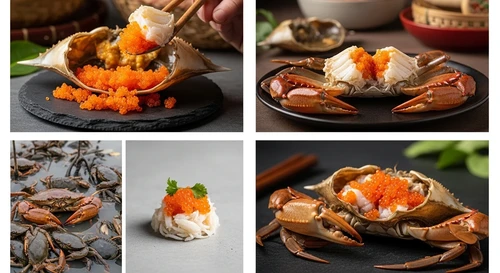
High Cholesterol and Crab Roe: A Warning for Heart Patients
While crab meat is lean, the delicious orange roe is packed with cholesterol. How to portion your seafood safely.

First Aid for Crab Claw Pinches to Prevent Infection
Mud crabs harbor marine bacteria. What to do immediately if a claw breaks your skin to prevent swelling or tetanus.