" We tend to discard what seems like waste. But in the Mekong Delta, where every part of the sea's bounty is respected, the true value of seafood byproducts is deeply understood. "
1 Beyond the Plate: The Unseen Edible Economy
For generations, the vibrant waters of the Mekong Delta have provided a cornucopia of seafood. We savor the sweet, succulent flesh of mud crabs from Ca Mau's mangrove forests and the firm, clean taste of Black Tiger shrimp from its coastal aquaculture. But what happens to the shells? The scales? The skins? In many parts of the world, they're considered mere byproducts, destined for landfill or animal feed.
Yet, beneath this discarded exterior lies a biological treasure chest, a rich source of natural collagen peptides. Scientific understanding is now catching up to what ancient cultures may have intuitively known: these parts are potent. The thin, translucent layer – that so-called "mucus membrane" – on fish skin and the chitinous layers of shrimp shells are remarkably concentrated with hydrolyzed collagen, a form of protein that’s easily absorbed by the human body.

📸 The raw materials: Shrimp exoskeletons and fish dermis, rich in natural collagen.
This isn't just about vanity; it's about holistic health. The collagen peptides extracted from these sources are vital building blocks for connective tissues throughout the body, playing a crucial role in skin elasticity, joint health, and bone strength. As we age, our natural collagen production declines, leading to visible signs like wrinkles and reduced skin plumpness. Replenishing this with a bioavailable source like that found in seafood epiderma offers a powerful, natural anti-aging solution.
2 The Mekong's Contribution: From Estuary to Elixir
The Mekong Delta, a vast network of rivers, canals, and fertile plains, is the lifeblood of Vietnam's seafood industry. Here, aquaculture and traditional fishing methods yield an unparalleled diversity and volume of marine life. The shrimp and fish processed in this region, from the vast shrimp farms of Ca Mau to the freshwater fish catches in the inland waterways, represent an enormous, often underutilized, resource for collagen extraction.
The Ca Mau Black Tiger Shrimp, for instance, is prized for its firm texture and rich flavor, a testament to the mangrove-rich waters where they are often raised. The shells of these magnificent crustaceans, when properly processed, yield a high-quality collagen. Similarly, various freshwater fish species found in the delta, such as the Featherback (identified by its distinctive shape and prized for its bouncy fish cake texture), possess skins and scales that are a natural wellspring of these valuable peptides.
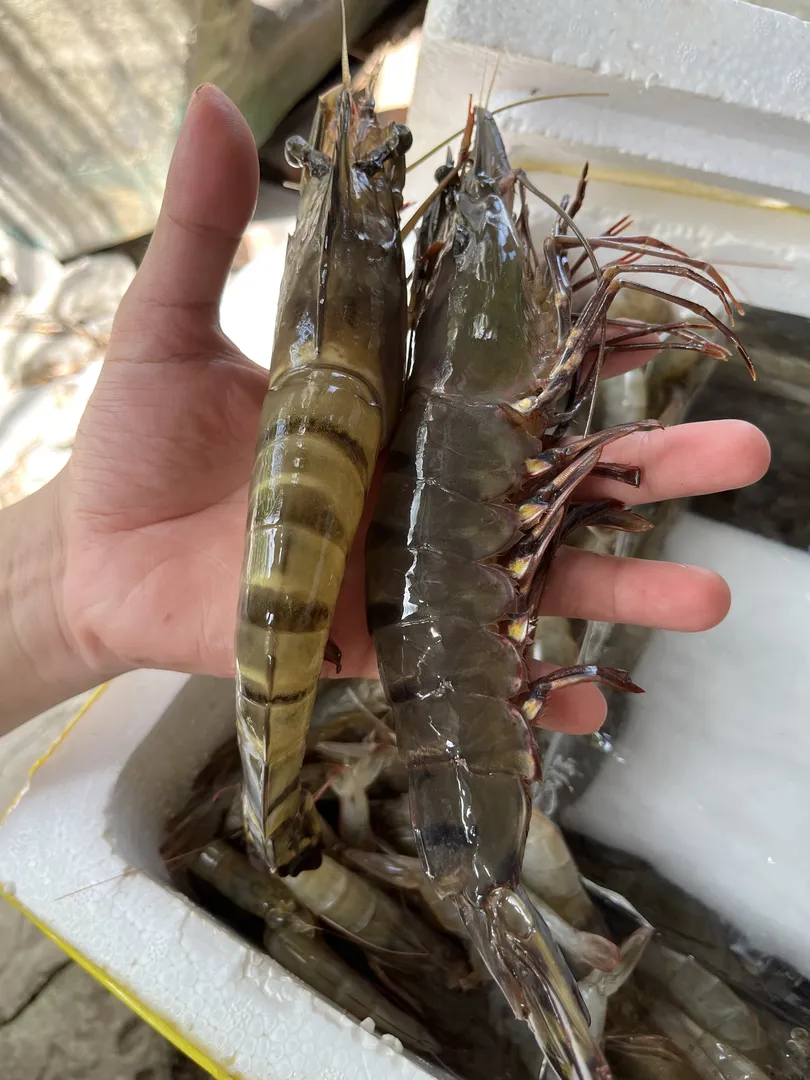
Heritage Ingredient
Ca Mau Black Tiger Shrimp
Ca Mau Black Tiger Shrimp
Large black tiger shrimp associated with mangrove aquaculture in Ca Mau, known for firm flesh and a cleaner, sweeter finish than intensively farmed shrimp.
Wild spirits of the mangroves, these black-banded gems deliver a firm, snappy texture and a sweetness that echoes the forest's vibrant life.
The processing of these byproducts into highly absorbable collagen peptides is a sophisticated scientific endeavor, often involving enzymatic hydrolysis. This process breaks down the larger collagen molecules into smaller peptides, significantly enhancing their bioavailability. The result is a powerful ingredient, clean and naturally sourced, that can be incorporated into supplements, topical skincare, and functional foods. It’s a beautiful synergy: the delta's natural abundance, refined by modern science, to create a product that enhances well-being and beauty from within.
3 Peptides: The Body's Preferred Form
You might ask: "Why is collagen from shrimp shells and fish skin so effective?" The answer lies in the molecular structure and the science of peptides. Native collagen, a large protein molecule, can be difficult for the body to break down and absorb efficiently when ingested whole. However, through a process called hydrolysis, large collagen proteins are broken down into smaller chains of amino acids known as collagen peptides.
These peptides, often referred to as hydrolyzed collagen, are significantly smaller and possess distinct properties that make them highly bioavailable. When consumed, they are readily absorbed into the bloodstream through the intestinal wall. From there, they are transported to various tissues, including the skin, where they can signal the body's own collagen-producing cells (fibroblasts) to increase their activity.
The specific amino acid profile of marine collagen peptides, particularly rich in glycine, proline, and hydroxyproline, mirrors the composition of human collagen more closely than bovine or porcine sources. This similarity means that when these peptides are absorbed, they can effectively support the skin's dermal matrix, helping to:
- Boost Skin Hydration: Peptides can help the skin retain moisture, leading to a plumper, more hydrated appearance.
- Enhance Skin Elasticity: By stimulating fibroblast activity, they promote the production of new collagen and elastin fibers, crucial for skin's suppleness.
- Reduce the Appearance of Wrinkles: Increased collagen density in the dermis can smooth out fine lines and wrinkles, contributing to a more youthful look.
- Support Wound Healing: Collagen is fundamental to tissue repair, and peptides can aid in this regenerative process.
This makes the collagen derived from the "mucus membrane" and exoskeletons of seafood not just a sustainable byproduct, but a powerful, scientifically validated ingredient for topical and internal skincare.
4 The Alchemical Transformation: From Shell to Skin Savior
The journey from a discarded shrimp shell to a potent collagen peptide powder is a marvel of modern food science and biotechnology. It’s a process that demands precision, hygiene, and a deep understanding of biochemical reactions.
It typically begins with the careful collection and cleaning of raw materials – shrimp exoskeletons and fish skins/scales. These are often sourced from processing plants that adhere to strict food safety standards, ensuring the purity of the starting material.
- Pre-treatment: The raw materials are often washed thoroughly and sometimes subjected to alkaline or acidic pre-treatments to remove impurities and break down the outer layers, making the collagen more accessible.
- Hydrolysis: This is the core step. The collagen is subjected to enzymatic hydrolysis, where specific enzymes are used to break the long collagen protein chains into smaller peptides. The choice of enzyme and reaction conditions (temperature, pH, time) are critical in determining the size and characteristics of the resulting peptides, influencing their solubility and biological activity.
- Purification: After hydrolysis, the peptide solution undergoes a series of purification steps, which may include filtration, decolorization, and demineralization, to remove any residual fats, minerals, or unwanted compounds. This ensures a clean, pure final product.
- Concentration & Drying: The purified peptide solution is then concentrated, often through evaporation. Finally, it is dried into a fine powder, typically using spray-drying technology, which preserves the integrity of the peptides while creating a stable, easy-to-handle product.
The result is a fine, often odorless and tasteless powder, rich in collagen peptides, ready to be formulated into a wide array of health and beauty products. This sophisticated process transforms what was once considered waste into a high-value, health-promoting ingredient.
5 From Delta to Derm: Skincare & Wellness Innovations
The potential applications of marine-derived collagen peptides are vast and growing, particularly within the skincare and wellness industries. Their biocompatibility and efficacy make them a sought-after ingredient for brands aiming to offer natural, high-performance solutions.
Topical Skincare
In serums, creams, and lotions, marine collagen peptides work on the surface and penetrate the epidermis to hydrate, improve elasticity, and reduce the appearance of fine lines. Their small peptide size allows for deeper delivery than larger, native collagen molecules, making them a star ingredient in anti-aging formulations.
Nutritional Supplements
Consumed as powders, capsules, or liquid shots, marine collagen peptides offer a systemic approach to beauty and health. They support skin health from the inside out, contributing to a radiant complexion and overall vitality. They are also increasingly recognized for their benefits to joint health and bone density.
The sustainability aspect is also crucial. By utilizing byproducts from the seafood industry, particularly from regions like the Mekong Delta with its abundant resources, the production of marine collagen aligns with growing consumer demand for eco-conscious and ethically sourced ingredients. It’s a win-win: reducing waste while providing a powerful, natural supplement for health and beauty.
6 A Legacy of Respect: Waste Not, Want Not
The appreciation for utilizing every part of nature’s bounty is deeply ingrained in the cultures of the Mekong Delta. While the scientific extraction of collagen peptides is a modern innovation, the underlying principle of minimizing waste and respecting all resources is ancient.
In traditional Mekong cuisine, ingredients that might be discarded elsewhere often find their way into flavorful dishes. Fish bones are simmered for rich broths, shrimp heads are often fried for crispy snacks or used to infuse oils, and crab shells are patiently picked for their sweet meat. This holistic approach to food is not just about resourcefulness; it’s a cultural reverence for the gifts of the river and sea.
The scientific valorization of seafood byproducts as a source of collagen is a modern extension of this philosophy. It transforms potential waste streams into valuable health and beauty products, creating economic opportunities while championing sustainability. It’s a powerful reminder that true value can often be found in the most unexpected places, particularly in the rich, biodiverse ecosystems of the Mekong Delta, where nature’s generosity is matched by a profound tradition of respect.
7 The Horizon: What's Next for Marine Collagen?
The understanding and application of marine collagen peptides are still evolving. As research deepens, we can expect even more targeted uses and enhanced extraction techniques. Areas of future focus might include:
- Personalized Nutrition: Tailoring peptide blends for specific individual needs, whether for skin, joints, or gut health.
- Advanced Delivery Systems: Developing novel ways to enhance absorption and efficacy, potentially through nanotechnology or synergistic ingredient formulations.
- Bioactive Compounds: Investigating other beneficial compounds found alongside collagen in seafood byproducts, such as chitin and chitosan, for their unique health properties.
- Circular Economy Models: Further integrating the sourcing and processing of marine collagen into a truly circular economy, maximizing resource utilization and minimizing environmental impact.
The journey of collagen peptides from the "mucus membrane" of a shrimp to a potent skincare ingredient is a testament to scientific innovation built upon a foundation of natural abundance and traditional respect for resources. It’s a narrative that continues to unfold, promising even more exciting discoveries at the intersection of nature, science, and wellness.
8 The Underrated Powerhouse
The next time you enjoy a plate of succulent shrimp or delicate fish, pause to consider the often-overlooked parts. The shells, the skin, the scales – these are not waste, but a natural, bioavailable source of collagen peptides. The Mekong Delta, with its rich aquatic life and ingrained respect for resources, stands as a prime example of where this incredible ingredient originates. Science is confirming what nature has long provided: a powerful tool for enhancing our skin's youthfulness, supporting our joints, and contributing to overall well-being. It’s time to recognize this hidden goldmine.
Trending Topics:
Dive Deeper
View More Health & Nutrition
Should Diabetics Limit Their Intake of Crabs and Seafood?
Blood sugar management menu: Seafood is rich in protein, but one must pay attention to the cholesterol intake.

Warning: Deadly Bacterial Infection from Eating Undercooked Sweet Snails
Vibrio vulnificus living in snail mud can cause necrotizing fasciitis if you prefer eating soft-boiled or undercooked snails.
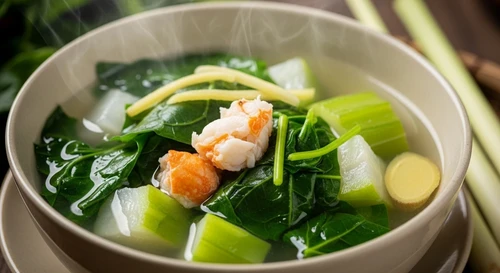
Field Crab, Malabar Spinach, and Luffa Soup: The Ultimate Heat-Relieving Remedy
A perfect combination from nature that helps cool the liver and detoxify the body during the peak heatwaves of summer.

Zinc and Immunity: Crab's Secret Weapon
How eating crab boosts your immune system.
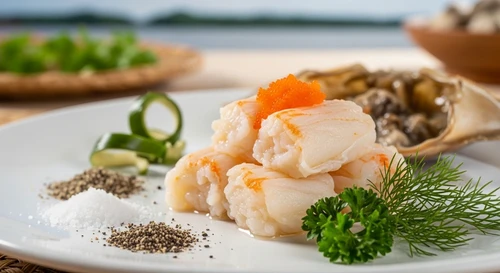
Collagen Boost: Does Eating Seafood Help with Anti-Aging?
The connection between the rich minerals (copper, zinc, selenium) in crab meat and maintaining youthful, glowing skin.
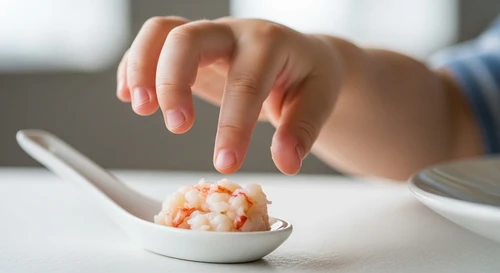
Can Toddlers Eat Lobster? Managing High-Protein Seafood Diets
Pediatricians advise on portion control to prevent protein overload and indigestion when feeding premium lobster to babies under two.

Does Eating Crab Cause Keloid Scars? Dermatologists Explain
Debunking the common Vietnamese myth that eating seafood after surgery or tattoos causes raised, itchy scars.

Eat Clean with Crab: Low-Calorie Diet Plans
How to incorporate steamed crab meat into your weight-loss journey without sacrificing flavor or feeling hungry.

Feeding Kids: Is Crab Safe for Toddlers?
When to introduce seafood to your baby.