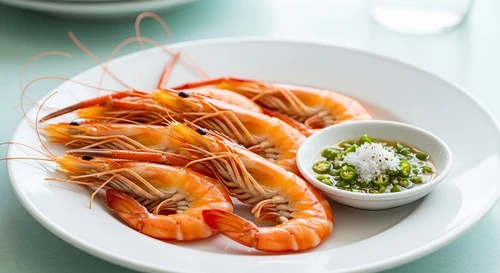
1 The Shell Game: When Reactions Don't Add Up
Imagine this: You're at a vibrant seaside market, the air thick with the briny scent of the ocean. You reach for a magnificent crab, perhaps one of the prized Ca Mau Jumbo Mud Crab, its shell a deep, rich hue. As you handle it, your skin erupts in an itchy, red rash. Panic sets in – a shellfish allergy! But then, the chef prepares the crab, and you eat the succulent meat without a second thought, experiencing no adverse effects. This isn't a trick; it's a common immunological puzzle.
This seemingly contradictory reaction points to a specific type of immune response: contact dermatitis, rather than a systemic food allergy. While both involve the immune system overreacting, the way they manifest and the triggers involved are distinct. Understanding this difference is key to navigating shellfish sensitivities without missing out on the delicious bounty the sea, and particularly the Mekong Delta's rich waters, has to offer.
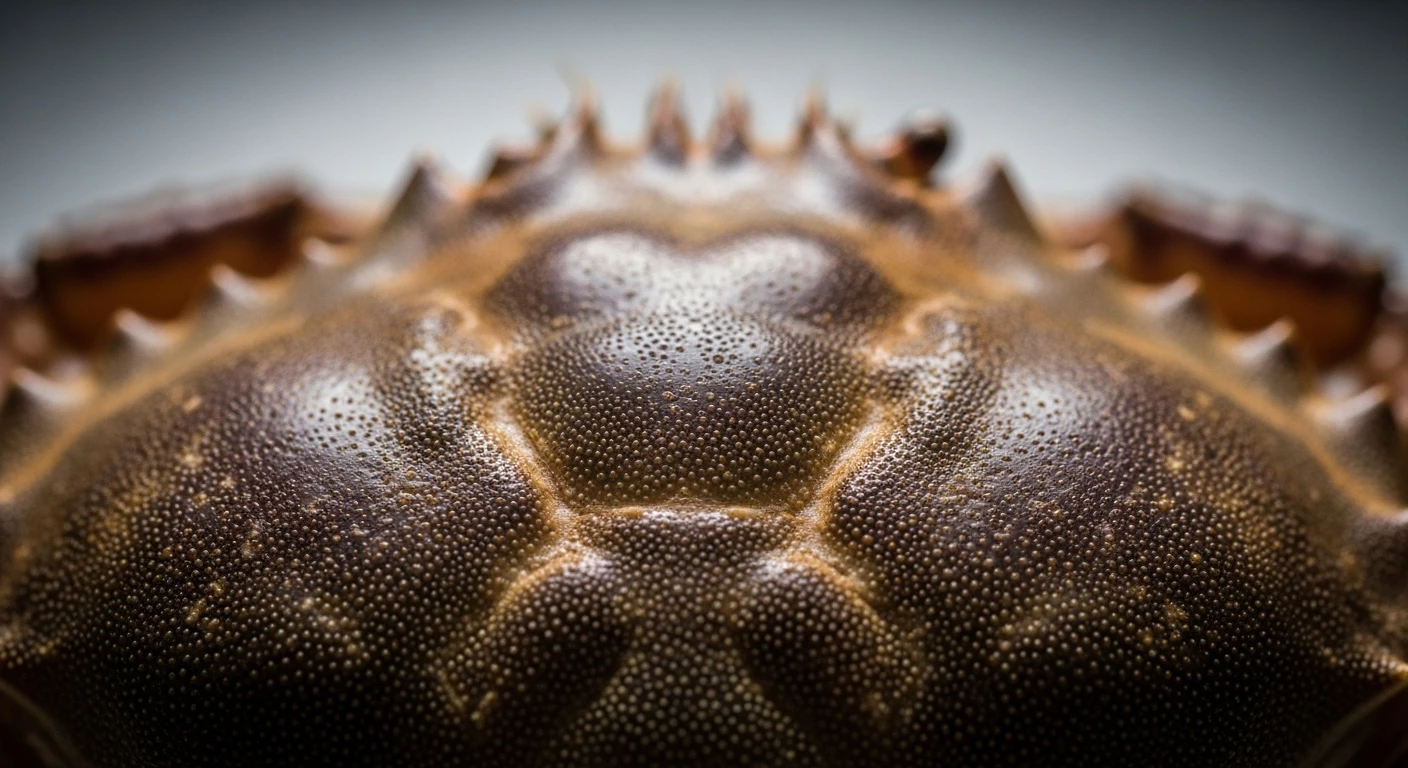
📸 The intricate patterns on a raw crab's shell.
For those living in or visiting regions like the Mekong Delta, where seafood is a cornerstone of the diet, understanding these nuances is crucial. From the bustling floating markets of Can Tho to the coastal mangroves of Ca Mau, crab is king. Yet, encounters with these crustaceans can sometimes lead to unexpected skin reactions.
2 When Skin Meets Its Match: An Immune System Skirmish
So, what exactly is happening when raw crab shells cause a reaction? It's typically a form of allergic contact dermatitis (ACD). This is a delayed hypersensitivity reaction where the skin, after direct contact with an allergen, becomes inflamed. Unlike immediate allergic reactions that can affect the whole body, ACD is localized to the area of contact.
The culprits in this scenario are often proteins or chemicals present in the crab's exoskeleton, the chitinous shell. These compounds, when they penetrate or interact with the skin's outer layers, can trigger an immune response in susceptible individuals. The immune cells, primarily T-cells, recognize these as foreign invaders and initiate an inflammatory cascade.
The Allergen
Proteins and other compounds found within the raw crab's shell matrix. These might be part of the cuticle or associated substances.
The Reaction Site
The skin. The reaction develops hours to days after exposure and can cause redness, itching, blistering, and dryness.
The key here is that these specific shell compounds may not be present in the crab's muscle tissue (the meat) in the same form or concentration, or they might be denatured by cooking. This is why consuming the cooked meat poses no issue for many individuals experiencing contact dermatitis from the shells.
3 Not All Reactions Are Created Equal
It's crucial to differentiate this from a true IgE-mediated food allergy to shellfish. In a systemic shellfish allergy, the immune system mistakenly identifies proteins in the crab's flesh (like tropomyosin) as harmful. When ingested, these allergens trigger the release of histamine and other chemicals throughout the body, leading to symptoms that can range from hives, swelling, and gastrointestinal distress to life-threatening anaphylaxis.
The reactions from handling raw shells are generally less severe and are confined to the skin. They are also typically a T-cell mediated response, not an IgE-mediated one. This means diagnostic methods and management strategies can differ.
Contact Dermatitis (Shells)
- Trigger: Direct skin contact with raw shell compounds.
- Symptoms: Localized rash, itching, redness, dryness, blistering at contact site.
- Onset: Delayed (hours to days).
- Consumption: Usually safe to eat cooked meat.
Food Allergy (Meat)
- Trigger: Ingestion of shellfish proteins.
- Symptoms: Hives, swelling, difficulty breathing, gastrointestinal issues, anaphylaxis.
- Onset: Immediate (minutes to hours).
- Consumption: Avoidance of all shellfish is usually necessary.
4 Anatomy of an Allergen: Shell vs. Meat
The crab's shell is a complex matrix primarily composed of chitin, a polysaccharide that provides structural support. Embedded within this chitinous framework are various proteins, lipids, and minerals. It's often these proteins, unique to the shell's structure or its outer cuticle, that act as the sensitizing agents in contact dermatitis.
The muscle tissue, the "meat" we savor, contains its own set of proteins. The most common culprits for true shellfish allergy are proteins like tropomyosin, which is abundant in muscle tissue but may be present in different forms or lower concentrations in the shell. When cooking occurs, heat denatures these proteins, altering their structure and making them less likely to be recognized as foreign by the immune system in a systemic reaction.
Shell Proteins
Specific proteins integral to chitin structure or cuticle formation. Often trigger contact dermatitis.
Tropomyosin
A common allergen in shellfish muscle tissue. Responsible for IgE-mediated food allergies.
Cooking Impact
Heat denatures proteins, altering their allergenicity, especially for systemic food allergies.
Consider the humble Ca Mau Roe Mud Crab, prized for its rich roe. The shell composition might differ slightly from a male crab like the Ca Mau Jumbo Mud Crab. While the core chitin structure is similar, the associated proteins can vary, influencing potential reactions.
5 Enjoying the Delta's Bounty: Practical Advice
For the adventurous traveler exploring the culinary wonders of the Mekong Delta, encountering shellfish sensitivities doesn't mean abstaining entirely. The key is awareness and careful handling.
Handling Raw Shellfish
- Wear Gloves: This is the most effective preventative measure. Disposable nitrile or latex gloves create a barrier between your skin and the shell proteins.
- Avoid Direct Contact: Use tongs or utensils to move raw shellfish when possible.
- Wash Hands Thoroughly: Always wash your hands with soap and water immediately after handling raw shellfish, even if you wore gloves.
- Rinse Shells: If preparing crab or oysters, rinsing the shells under cold water can remove surface proteins.
Cooking and Consumption
- Cook Thoroughly: Cooking denatures proteins and neutralizes potential contact allergens.
- Observe Your Body: Pay attention to how your body reacts. If you've only ever had skin reactions from shells, and eating cooked meat is fine, you are likely safe for consumption.
- Consult a Doctor: If you are unsure about your reaction or suspect a systemic food allergy, seek medical advice from an allergist for proper testing.
- Explore Cooked Dishes: Many Mekong Delta dishes feature pre-cooked or simmered seafood, minimizing raw shell exposure.
Think about how crabs are prepared for dishes like Cua Rang Me (Tamarind Crab). The crabs are typically cooked before being stir-fried in the sauce. By the time you enjoy the rich, tangy sauce coating the crab meat, any shell-related contact allergens have long been neutralized.
6 Beyond the Crab: Shrimp, Mussels, and More
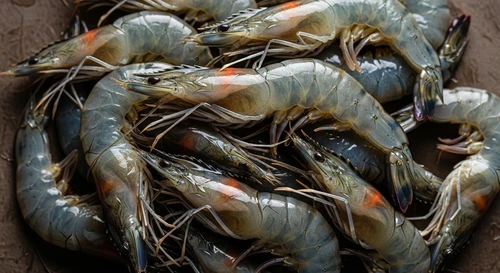
This distinction between contact dermatitis and systemic allergy isn't exclusive to crabs. Other shellfish, like shrimp, prawns, mussels, and oysters, also have exoskeletons or shells that can potentially cause contact reactions in sensitized individuals.
For example, handling raw export-grade Ca Mau roe crabs or preparing fresh Ca Mau Black Tiger Shrimp might lead to similar skin irritations if precautions aren't taken. However, the proteins responsible for IgE-mediated allergies in shrimp (like tropomyosin and arginine kinase) are also present in the meat and are the primary concern for those with true shrimp allergies.
The lesson remains consistent: if your reaction is confined to skin contact with raw shells and you experience no issues eating the cooked meat, you likely have contact dermatitis, not a systemic food allergy. However, always err on the side of caution and consult a healthcare professional.
7 The Doctor's Diagnosis
While understanding the science is empowering, self-diagnosis can be misleading. If you experience any of the following, it's essential to consult a medical professional:
- Severe skin reactions (extensive blistering, swelling that spreads).
- Symptoms beyond the skin, such as difficulty breathing, wheezing, or throat tightness.
- Gastrointestinal upset (vomiting, diarrhea) after eating shellfish.
- Any symptoms that suggest a systemic allergic reaction (anaphylaxis).
An allergist can perform diagnostic tests, such as patch testing for contact dermatitis or skin prick/blood tests for IgE-mediated allergies, to accurately identify the type of reaction and its triggers. This ensures you receive the most appropriate advice for managing your specific condition, allowing you to safely enjoy the incredible seafood diversity of Vietnam.
Savoring the Delta, Safely
The Mekong Delta is a treasure trove of culinary experiences, with its fresh seafood being a highlight. Understanding the science behind potential reactions allows for informed choices, ensuring you can fully immerse yourself in the flavors without undue concern.
Focus on Cooked Delicacies
Embrace dishes where seafood is cooked thoroughly, like grilled fish (Ca Nuong Da Don), flavorful soups (Bun Nuoc Leo), or steamed dishes. The preparation itself neutralizes many potential allergens.
Embrace Local Knowledge
Ask vendors and chefs about preparation methods. Local communities have navigated these ingredients for centuries.
Whether it's a delicate white shrimp from the coast or a robust mud crab from Ca Mau, the goal is to appreciate the quality and flavor. With the right knowledge and precautions, you can confidently explore the rich tapestry of Mekong Delta cuisine.