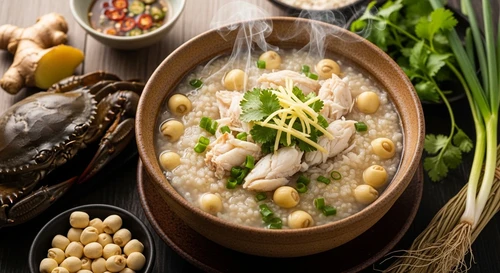
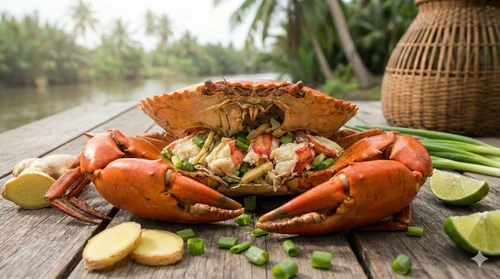
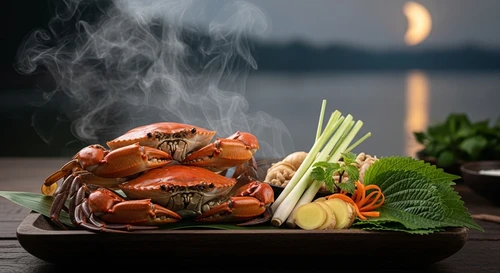
" The Mekong Delta is a tapestry of flavors. We celebrate the briny kiss of the sea with the sweet flesh of crabs and shrimp, but then comes the urge for that pucker-inducing, palate-cleansing zest. It's a dance as old as the river itself. "
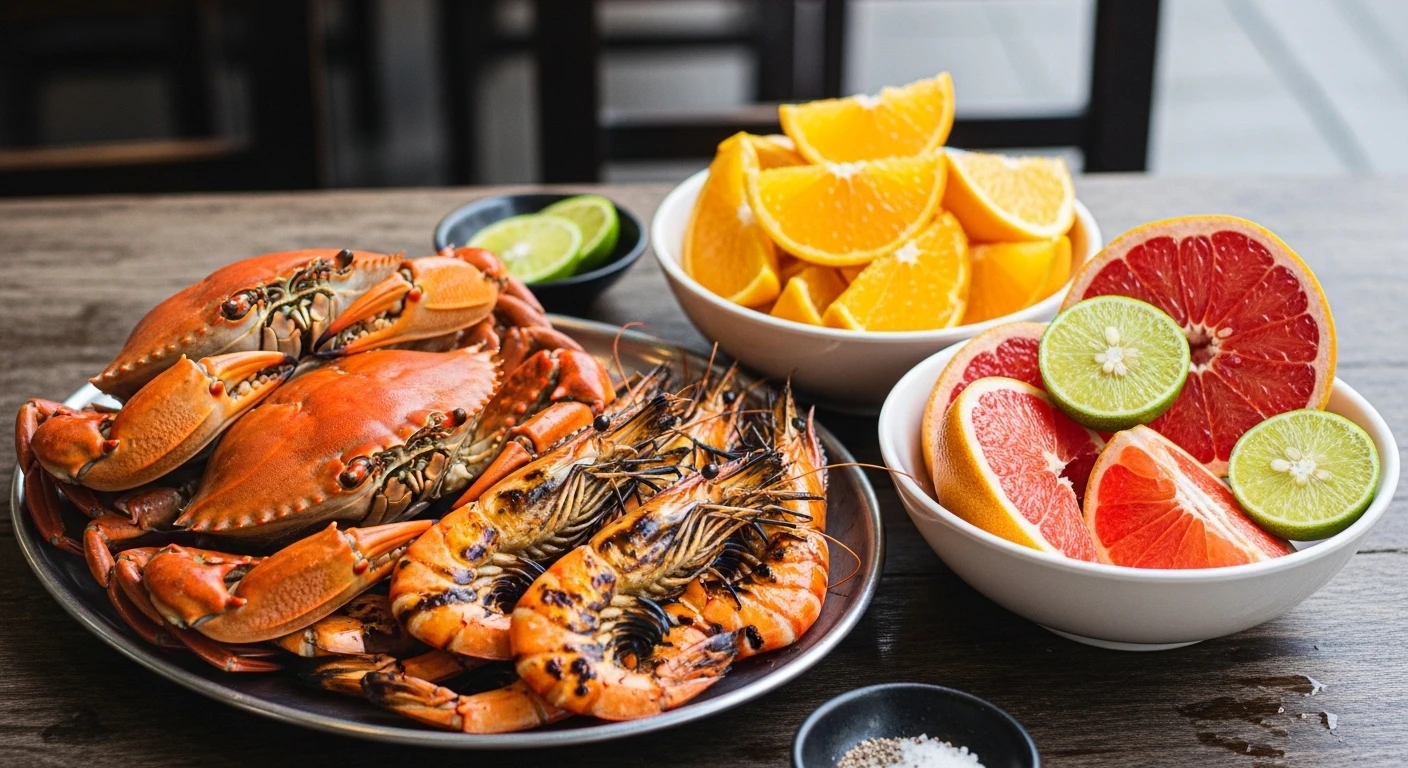
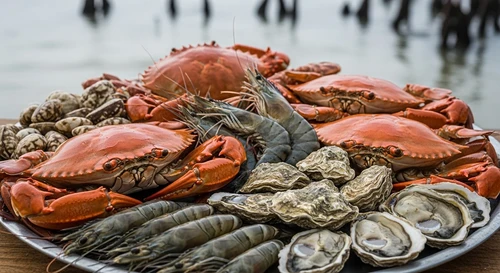
📸 A feast for the eyes: Fresh seafood awaiting its citrus finale.
1 The Delta's Bounty: From Mangrove to Plate
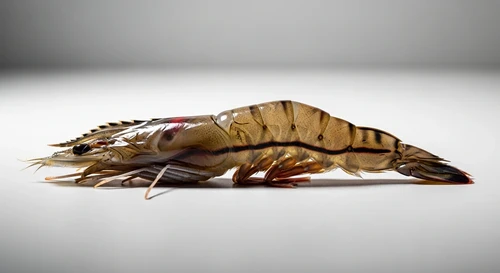
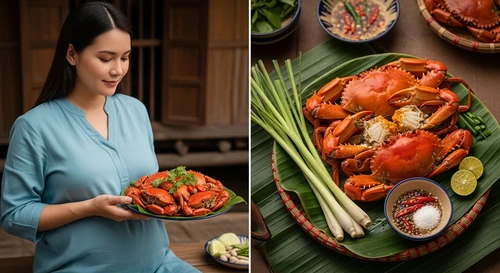
The Mekong Delta, a vast network of rivers, canals, and coastal plains, is an unparalleled source of aquatic life. Ca Mau province, the southernmost tip, is legendary for its mud crabs, their shells often thick and their meat dense and sweet. Further inland, freshwater prawns, plump and succulent, are staples. These creatures, often harvested from mangrove-rich ecosystems or brackish ponds, form the backbone of countless Southern Vietnamese meals. Imagine a spread: platters piled high with steamed Ca Mau Mud Crab, their crimson shells gleaming, or perhaps succulent Black Tiger Shrimp, grilled to perfection.
Seafood's Richness
Seafood, particularly crustaceans like crab and shrimp, is rich in protein and essential minerals like calcium and zinc. These elements are crucial for our bodies but can sometimes interact in unexpected ways with other foods.
The Citrus Urge
After a rich, savory meal of seafood, the natural inclination for many is to reach for something bright, acidic, and refreshing. This is where fruits like oranges, grapefruits, and pomelos come in, offering a delightful contrast.
2 The Chemistry of Bloating
The Precipitation Problem
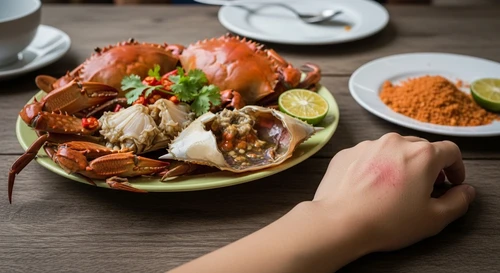
Here's where it gets interesting. Seafood, especially crabs and shrimp, contains a significant amount of calcium and protein. Many sour fruits, like oranges and grapefruits, are packed with citric acid. When these two meet in your digestive tract too quickly, the acid can cause the calcium and proteins to precipitate. Think of it like curdling milk, but on a molecular level within your gut.
This reaction doesn't just make for an unpleasant sensation; it can lead to a feeling of heaviness, discomfort, and that dreaded bloating. Your digestive system has a complex process, and introducing these elements in rapid succession can disrupt the efficient breakdown of food.
Our digestive systems, while robust, appreciate a well-paced culinary journey. The experts, both traditional and modern, often advise a waiting period.
The Expert Recommendation
The general consensus among food scientists and seasoned culinary practitioners is to allow at least two hours between finishing your seafood feast and indulging in those tart, citrusy delights. This gives your stomach ample time to break down the proteins and calcium from the seafood, minimizing the risk of that uncomfortable chemical reaction.
3 The Southern Mantra: Balance and Patience
Harmony on the Plate
Southern Vietnamese cuisine, especially in the Mekong Delta, is all about achieving a perfect balance of flavors and textures. It’s a delicate art, much like navigating the delta's intricate waterways.
The Rhythm of Eating
Our ancestors understood this rhythm intuitively. They knew that certain pairings, while delicious, required a moment of separation to ensure comfort and well-being. It’s a wisdom passed down through generations.
Beyond the Tastebuds
This isn't just about avoiding discomfort; it's about optimizing your body's ability to absorb the goodness from your meal. Allowing a pause ensures you get the most nutritional benefit from both the seafood and the subsequent fruit.
A Taste of Patience
So, if not now, when? And what else can you enjoy while you wait for that citrus craving?
1. Sip Your Tea
A warm cup of green tea or jasmine tea is a classic Vietnamese post-meal ritual. It aids digestion without any problematic interactions.
2. Enjoy Fresh Herbs
A small plate of fresh herbs, like mint or perilla leaves, can be a refreshing palate cleanser.
3. Simply Wait
Relax, converse, and let your body do its work. The anticipation makes the sour fruit taste even sweeter later.
While the seafood-acid interaction is a primary concern, it's worth noting that the general principle of letting one meal settle before consuming another very different one is a good digestive practice across the board.
The Stars of the Show
Imagine the freshness of the catch, the vibrant hues of the produce.
Heritage Ingredient
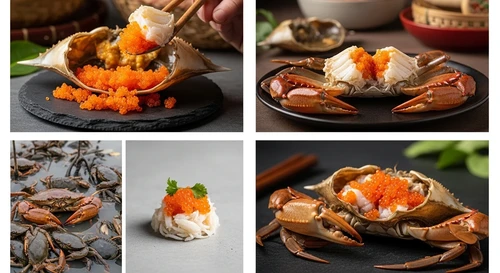
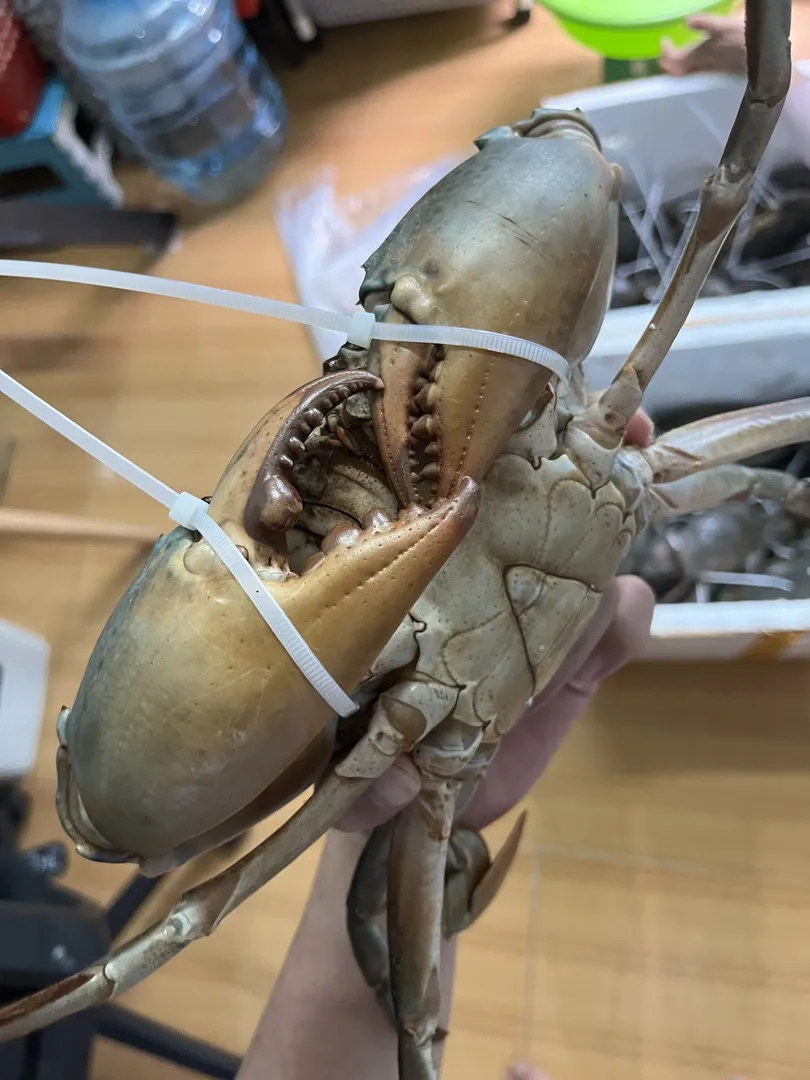
Ca Mau Jumbo Mud Crab
Ca Mau Jumbo Mud Crab
A large male mud crab prized for dense, sweet meat and thick claws, commonly used in steamed crab and grilled crab dishes across the Mekong Delta.
Where every ingredient captures the essence of the wind and tides, weaving a vibrant culinary tapestry of the Mekong region.
Heritage Ingredient
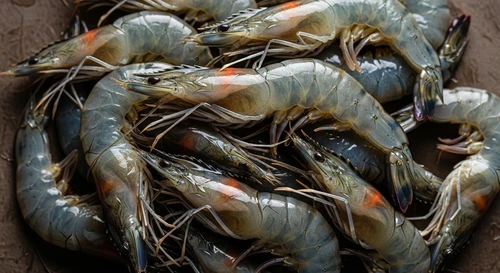
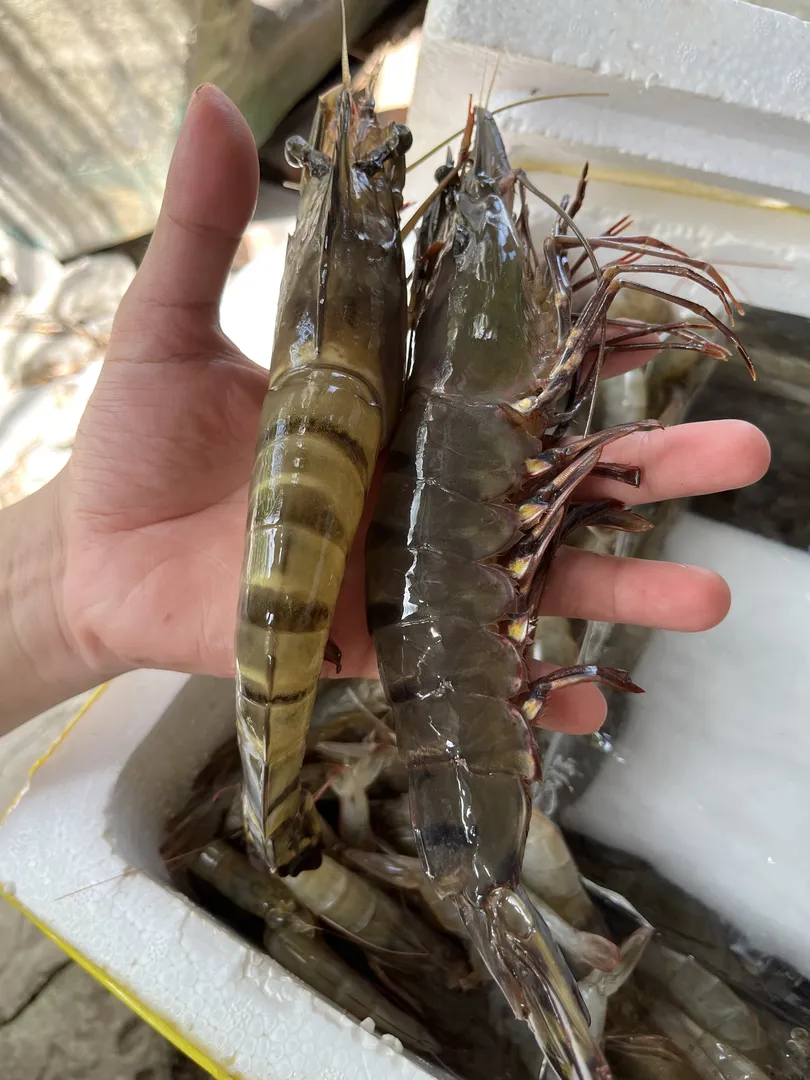
Ca Mau Black Tiger Shrimp
Ca Mau Black Tiger Shrimp
Large black tiger shrimp associated with mangrove aquaculture in Ca Mau, known for firm flesh and a cleaner, sweeter finish than intensively farmed shrimp.
Where every ingredient captures the essence of the wind and tides, weaving a vibrant culinary tapestry of the Mekong region.
Your Questions Answered
🥭 Are all sour fruits problematic?
🤔 Is this a proven scientific fact or folk wisdom?
🍚 What about other Vietnamese meals?
The Enduring Wisdom of the Delta
"In the Mekong Delta, we understand the rhythm of nature, and that includes the rhythm of our bodies."
The practice of waiting to enjoy sour fruits after a seafood meal isn't just about avoiding a tummy ache; it's a testament to the deep understanding of food and its effects that has been cultivated over centuries in the Mekong Delta. It’s about respecting the ingredients, honoring your body, and savoring each flavor at its optimal moment. So next time you're by the river, feasting on the freshest catch, remember to be patient with your palate. The sweet tang of citrus will be all the more rewarding after a gentle pause.
Final Word
While the allure of ending a seafood meal with a zesty fruit salad is strong, the scientific and traditional advice points towards a brief period of separation. A two-hour wait can make the difference between a comfortable, satisfying meal and one plagued by digestive woes. Embrace the waiting period, and your body will thank you.