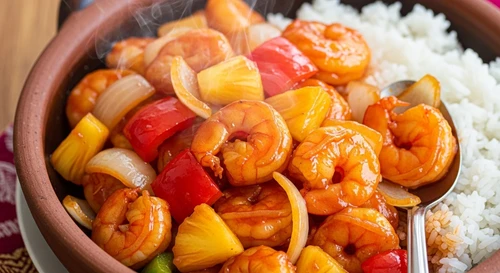
" You haven't truly *eaten* from the Mekong until you've experienced the primal satisfaction of cracking into something wild, then bathing it in rich, savory broth, only to scoop it up with a piece of rice that’s been toasted to the edge of oblivion. This isn't just food; it's a conversation with the land and the water. "
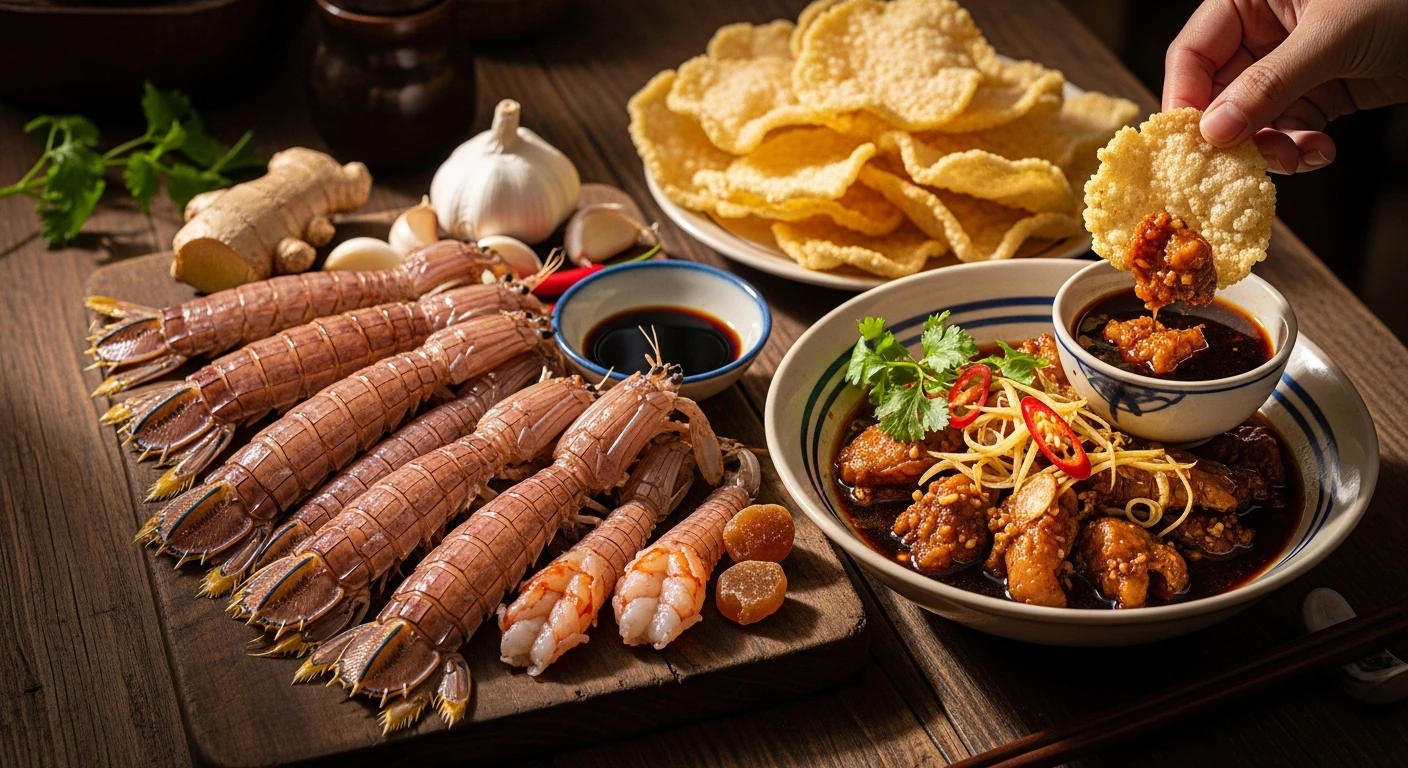
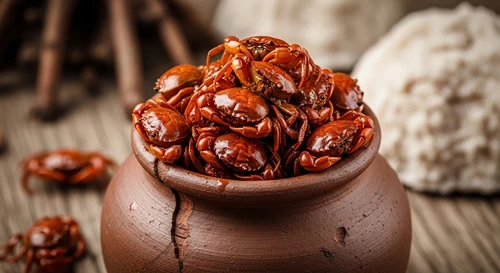
📸 The alluring glaze: Deep brown, promising a punch of savory flavor.
1 The Mekong's Primal Bite: Understanding Tom Tit
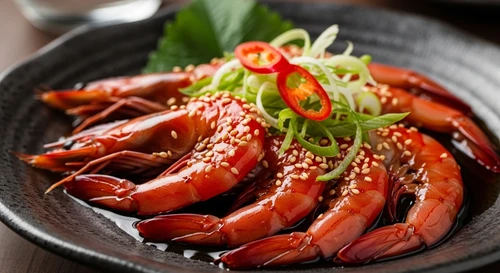
Forget the delicate, often bland, farmed shrimp you find in Western supermarkets. The Mekong Delta, a labyrinth of rivers, canals, and coastal estuaries, is a treasure trove of unique aquatic life. Among its lesser-known stars is the "Tom Tit," or Mantis Shrimp. These aren't your average prawns. They are compact, armored warriors of the shallow waters, known for their surprisingly sweet, firm flesh and an intense flavor that speaks of the brackish mangrove environments they inhabit.

The lifeblood of the region: Rivers like the Mekong are where culinary secrets are born.
Why Tom Tit?
These small crustaceans pack a disproportionate amount of flavor. Their unique texture, a delightful chewiness that’s never rubbery, makes them perfect for dishes where they are the star. Unlike larger shrimp, their intense sweetness doesn't get lost when cooked in robust sauces. They are a testament to the wild, untamed bounty of Vietnam's southern waters.
Sourcing fresh Tom Tit is key. Look for them at local markets in the Mekong Delta, preferably those bustling with life near the coast or along major waterways. Their vibrant colors and firm, unblemished shells are tell-tale signs of freshness. This dish is an ode to that freshness, a celebration of a creature that might seem intimidating but offers unparalleled rewards.

Heritage Ingredient
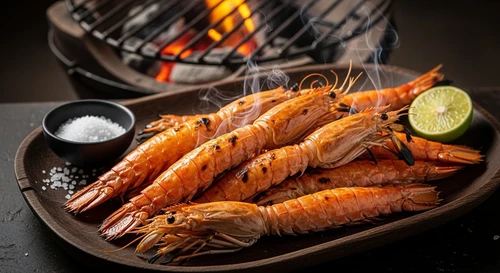
Ca Mau Mudskipper
Ca Mau Mudskipper
A mangrove mudskipper from Ca Mau, often grilled with chili salt and featured in articles about unusual delta seafood and mudflat ecosystems.
The acrobatic spirit of the mudflats, delivering a fragrant, smoky flesh that embodies the untamed beauty of Ca Mau's mangrove world.
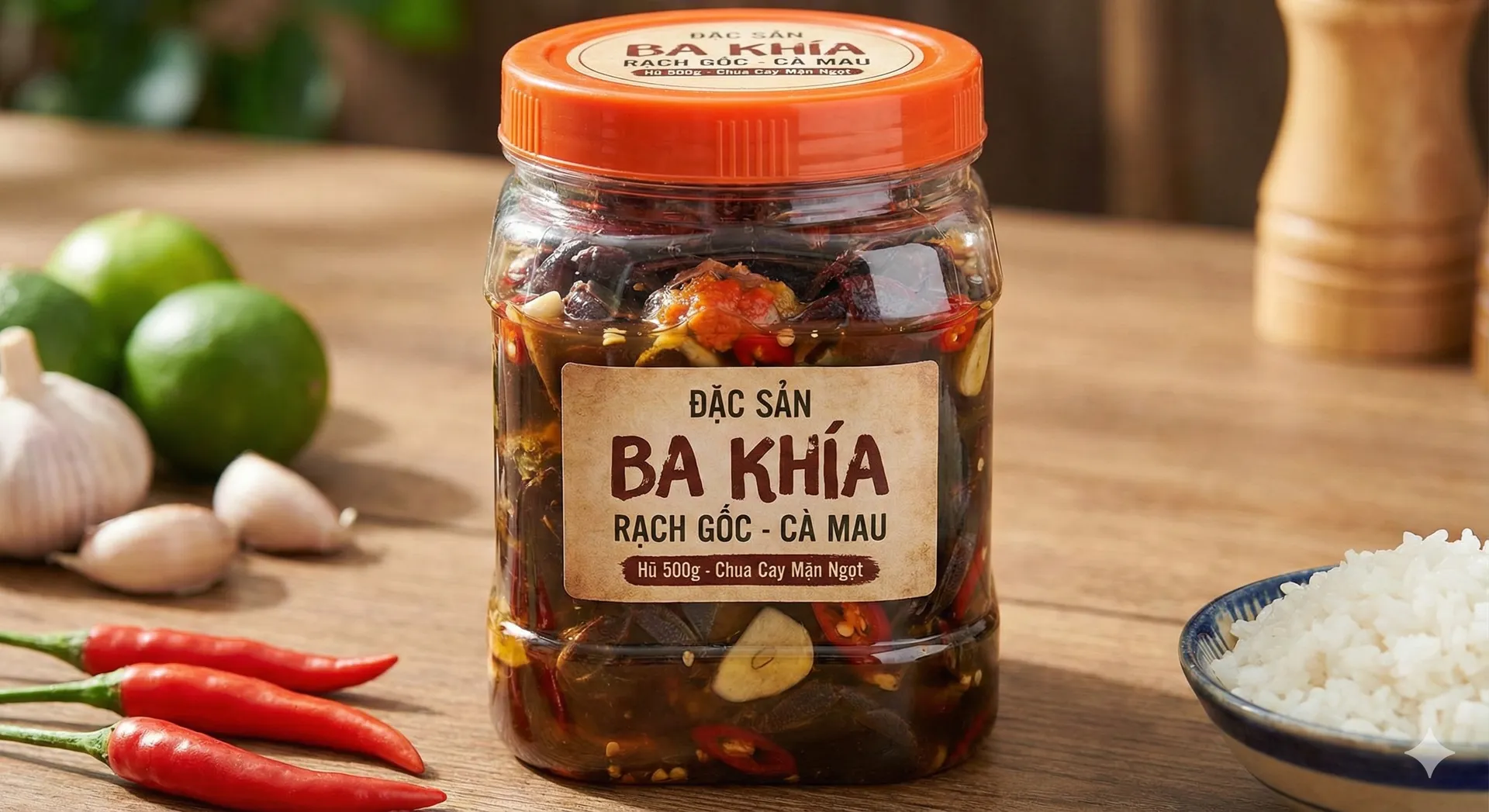
Heritage Ingredient
Fermented Mangrove Crab (Ba Khia)
Fermented Mangrove Crab (Ba Khia)
A traditional fermented crab specialty from the mangrove region of Rach Goc, often cited in articles about rustic Mekong Delta flavors and preserved seafood culture.
The salty-sour heartbeat of the wild south, where traditional fermentation turns forest crabs into a nostalgic explosion of rustic Mekong soul.
2 Alchemy in the Wok: Soy, Ginger, and the Sweet Whisper of Rock Sugar
The beauty of this dish lies in its elegant simplicity. The sauce isn't meant to overpower, but to enhance. It’s a delicate dance between salty, sweet, and aromatic.
The Flavor Pillars
- Soy Sauce: The umami backbone. Use a good quality Vietnamese or light soy sauce for a cleaner, less overpowering saltiness.
- Rock Sugar: Not granulated sugar. Rock sugar lends a pure, clean sweetness that melts slowly and harmonizes beautifully. It imparts a subtle depth and prevents the sauce from becoming overly sharp.
- Ginger: Sliced into thin, fiery strips. The ginger's pungency cuts through the richness, adding warmth and fragrance that's quintessentially Vietnamese.
- Garlic: Minced or thinly sliced, the garlic provides aromatic depth and a hint of sweetness as it softens in the simmering liquid.

The essential quartet that forms the heart of the simmer.
The process is a gentle simmer. The mantis shrimp are added to this fragrant broth, allowing them to absorb the flavors without cooking too quickly. The goal is a glossy, deeply flavored sauce that clings to the shrimp, not a thick, gloopy mess. It’s about balance – the salty soy is tempered by the rock sugar, while the ginger and garlic provide a warming, aromatic counterpoint. This is slow cooking at its finest, a testament to how simple ingredients, prepared with intention, can achieve culinary magic.
3 The Thrill of the Crackle: Scorched Rice
No dish from the Mekong Delta feels complete without a textural contrast, and this is where the "Cơm Cháy" or scorched rice comes in. It’s the perfect foil to the tender, savory shrimp.

The ultimate reward: A satisfying crunch in every bite.
From Humble Grain to Crispy Gold
Scorched rice is made by cooking rice, often with a bit of water and oil, until the bottom layer browns and crisps up. This browned layer is then often pressed or puffed into cracker-like forms. In its most rustic form, it's simply the crispy bottom of a rice pot. Here, it’s elevated.
The prepared rice is often then seasoned with a savory scallion-infused oil or a light sauce, adding another layer of flavor before it's baked or fried to an even more aggressive crisp. The key is that satisfying, almost explosive, crunch when you bite into it.
Dipping a piece of this crunchy, flavorful rice into the rich, savory mantis shrimp sauce is an experience. It’s the textural interplay that makes this dish unforgettable. The soft, yielding shrimp and the rich sauce are perfectly balanced by the sharp, delightful crackle of the rice. It’s a culinary harmony born from the simplest of staples and the most determined of crustaceans.
4 Where Flavor Meets the Tide: A Taste of Ca Mau
While this dish can be found across the Mekong Delta, its soul feels most at home in provinces like Ca Mau, Vietnam's southernmost frontier. Here, life is dictated by the rhythm of the tides and the bounty of the mangrove forests. The waters teem with an incredible variety of seafood, from the famed Ca Mau mud crab to the elusive butter crab, and of course, the very mantis shrimp we're celebrating.

The unique ecosystem that yields such rich flavors.
A Reflection of Livelihood
In Ca Mau, seafood isn't just food; it's a way of life. Families have fished these waters for generations, developing an intimate understanding of the ingredients and their subtle flavors. Dishes like this mantis shrimp simmer are born from this deep connection to the environment. They are practical, delicious, and often highlight the freshest available catches. The rich, dark sauce speaks of slow cooking by the water, while the crunchy rice is a nod to the region's agricultural heartland.
To taste this dish is to taste the very essence of the Mekong's coastal cuisine. It’s the salty kiss of the sea, the earthy sweetness of the rice paddies, and the fragrant warmth of the tropics, all harmonized in a single, unforgettable bite.
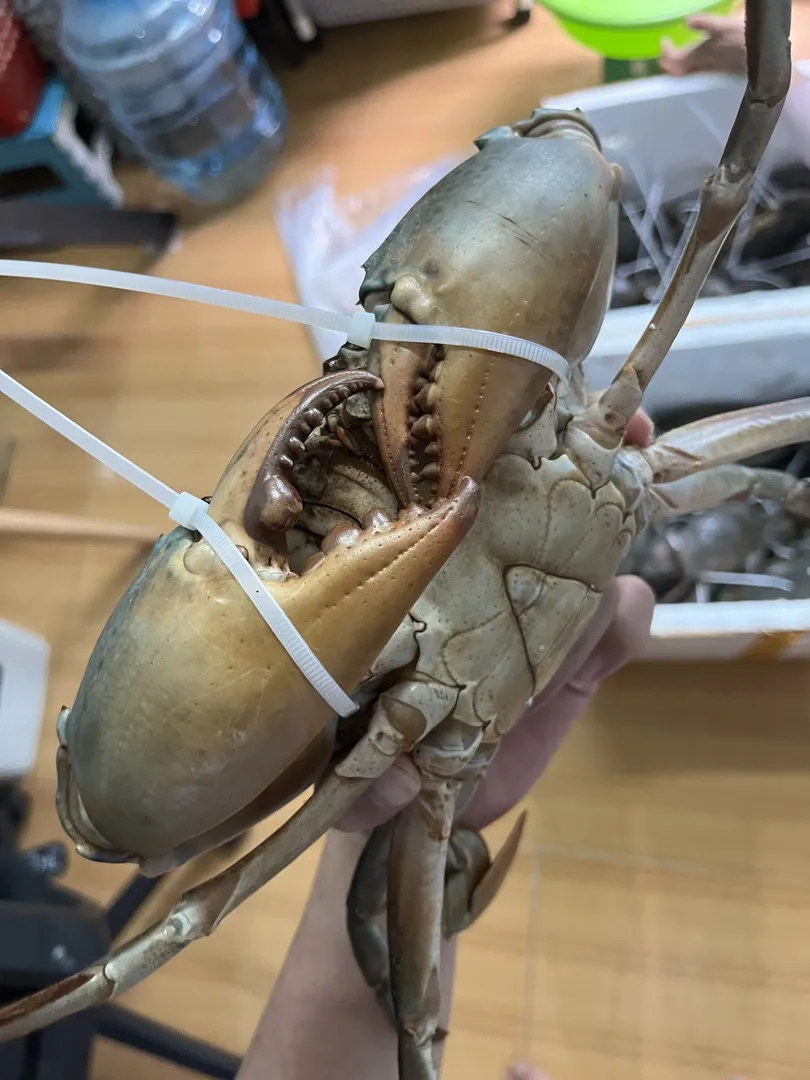
Heritage Ingredient
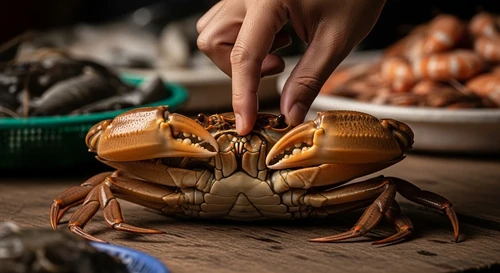
Ca Mau Jumbo Mud Crab
Ca Mau Jumbo Mud Crab
A large male mud crab prized for dense, sweet meat and thick claws, commonly used in steamed crab and grilled crab dishes across the Mekong Delta.
An icon of coastal culinary heritage, featuring firm, sweet meat that captures the raw power and freshness of Ca Mau's tides.
5 Recreating the Magic at Home
For the Mantis Shrimp Simmer:
- 1 lb (approx. 450g) fresh Mantis Shrimp (Tom Tit), cleaned
- 3-4 tbsp Vietnamese or Light Soy Sauce
- 2-3 tbsp Rock Sugar (or granulated sugar if rock sugar is unavailable)
- 1 inch Ginger, thinly sliced into strips
- 4-5 cloves Garlic, thinly sliced
- 1/4 cup Water (or as needed for sauce consistency)
- 1 tbsp Cooking Oil (for stir-frying aromatics)
- Optional: A few stalks of Lemongrass, smashed
For the Scorched Rice (Cơm Cháy):
- Cooked Rice (preferably day-old, slightly dry)
- 1 tbsp Cooking Oil
- 1-2 cloves Garlic, minced
- 1 Scallion, finely chopped (white and green parts)
- Pinch of Salt
Instructions:
Heat 1 tbsp oil in a non-stick pan over medium heat. Add minced garlic and chopped scallion, sauté until fragrant. Press the cooked rice firmly into the pan, forming a thin, even layer. Cook for 8-10 minutes, or until the bottom layer is golden brown and crispy. Carefully flip and crisp the other side. Alternatively, bake at 400°F (200°C) for 15-20 minutes until golden and crisp. Break into bite-sized pieces.
In a wok or deep pan, heat 1 tbsp oil over medium-high heat. Add sliced ginger and garlic (and optional lemongrass). Stir-fry for about 30 seconds until fragrant, being careful not to burn the garlic.
Add soy sauce and rock sugar to the pan. Stir until the sugar begins to dissolve. Add water and bring to a gentle simmer. Taste and adjust sweetness or saltiness as needed. The sauce should be rich and glossy.
Gently add the cleaned mantis shrimp to the simmering sauce. Ensure they are mostly submerged. Cover the pan and simmer for 5-8 minutes, or until the shrimp turn opaque and their shells turn bright red. Do not overcook, or they will become tough.
Serve the mantis shrimp hot, spooning extra sauce over them. Accompany with the crunchy scorched rice. This dish is best enjoyed immediately to appreciate the contrast in textures.
6 The Unspoken Rule: Freshness Above All
I cannot stress this enough: for this dish, the quality of your mantis shrimp is paramount. The simple preparation means there's nowhere for subpar ingredients to hide. If you can't find fresh Tom Tit, consider substituting with other firm-fleshed shellfish like large prawns or even crayfish, but the flavor profile will undoubtedly differ.
What to Look For
- Live is Best: If possible, buy them alive.
- Firm Shell: The shell should be smooth, intact, and free of blemishes.
- Bright Color: Even raw, they should have a vibrant hue.
- No Odor: Fresh seafood smells of the sea, not of ammonia or decay.

Markets like this are the heart of culinary discovery.
Don't be afraid to ask your fishmonger. In Vietnam, they are often knowledgeable and proud of their produce. Their advice can be invaluable in selecting the best specimens.
7 The Mekong's Culinary Philosophy
This dish, seemingly simple, embodies a broader culinary philosophy that I've come to adore about the Mekong Delta. It’s about respect for ingredients, a deep understanding of natural flavors, and the art of coaxing the best out of what the land and water provide. It’s not about masking or over-complicating; it's about highlighting the inherent quality of each component.
Harmony and Balance
The interplay of the savory, slightly sweet shrimp with the intensely crunchy rice is a perfect example of balance. It mirrors the larger agricultural landscape – the sweet fruits, the savory seafood, the starchy rice – all coexisting and complementing each other.

The vibrant tapestry of Mekong cuisine.
So, the next time you encounter mantis shrimp, or find yourself inspired to cook with the heart of the Mekong in mind, remember this dish. It’s a lesson in simplicity, a celebration of local flavor, and a deeply satisfying meal that will transport you, if only for a moment, to the sun-drenched riverbanks of Southern Vietnam.
8 To Drink With Dinner
This dish, with its rich umami and subtle sweetness, pairs beautifully with a crisp, light lager – think a Vietnamese Bia Saigon or Tiger. The carbonation and clean finish cut through the richness of the sauce. For a non-alcoholic option, a refreshing iced green tea or even a chilled young coconut water would be perfect. Avoid anything too sweet or too overpowering that would compete with the delicate flavors of the mantis shrimp.
Enjoy this taste of the Mekong. It's a journey in every bite.