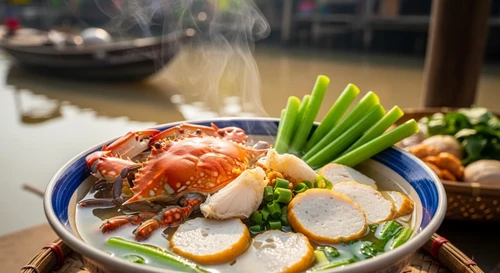
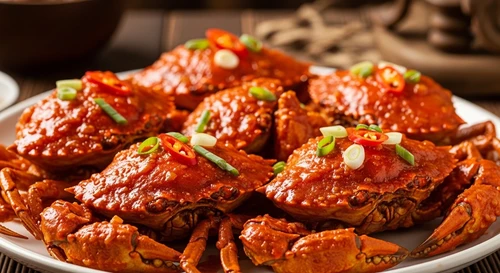
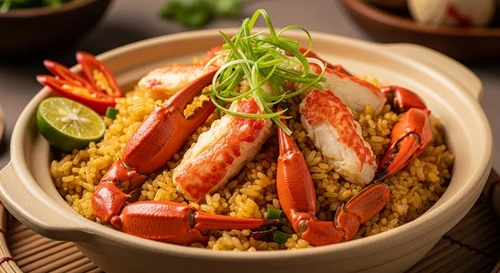
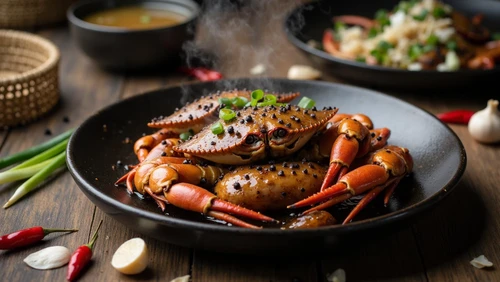
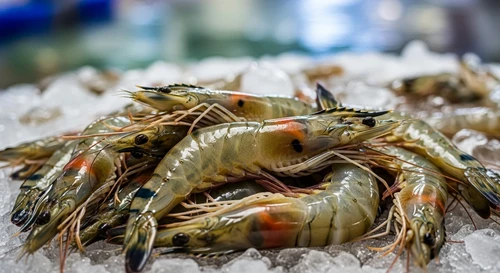
" Forget sushi-grade concerns for a moment. This isn't about raw fish. It's about harnessing the primal, succulent sweetness of perfectly fresh shrimp, tamed and transformed by a fermented, umami-rich marinade. Think of it as a bridge between the familiar comfort of soy sauce and the exhilarating thrill of the raw. "

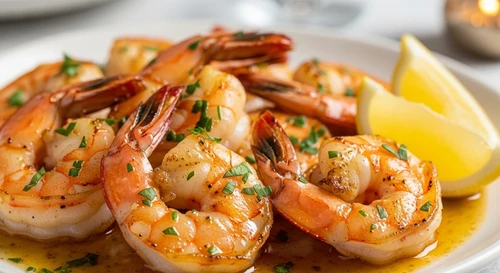
📸 The visual promise: Deep crimson shrimp glistening under a rich, dark glaze.
1 From Mekong's Bounty to Korean Tables
While Ganjang Saeu is undeniably Korean, its heart beats with the very essence of what makes seafood so revered across Asia. The secret lies not just in the marinade, but in the pristine quality of the shrimp itself. For us, it’s impossible to talk about shrimp without conjuring images of the Mekong Delta. Think of the sun-drenched aquaculture farms in Ca Mau, where brackish waters nurture plump, firm Ca Mau Black Tiger Shrimp, their shells shimmering like polished obsidian. Or the powerful Mekong Giant Freshwater Prawns, their heads laden with that coveted, rich fat, destined for grilling or hotpot.
The principles are universal: freshness is paramount. The delicate, sweet flesh of these delta gems provides the perfect canvas for the bold, layered flavors of Korean cuisine. The journey from our riverine shores to a Korean chef's mise en place is a testament to the shared appreciation for seafood's inherent perfection. This dish is a celebration of that raw, unadulterated flavor, elevated.
Heritage Ingredient
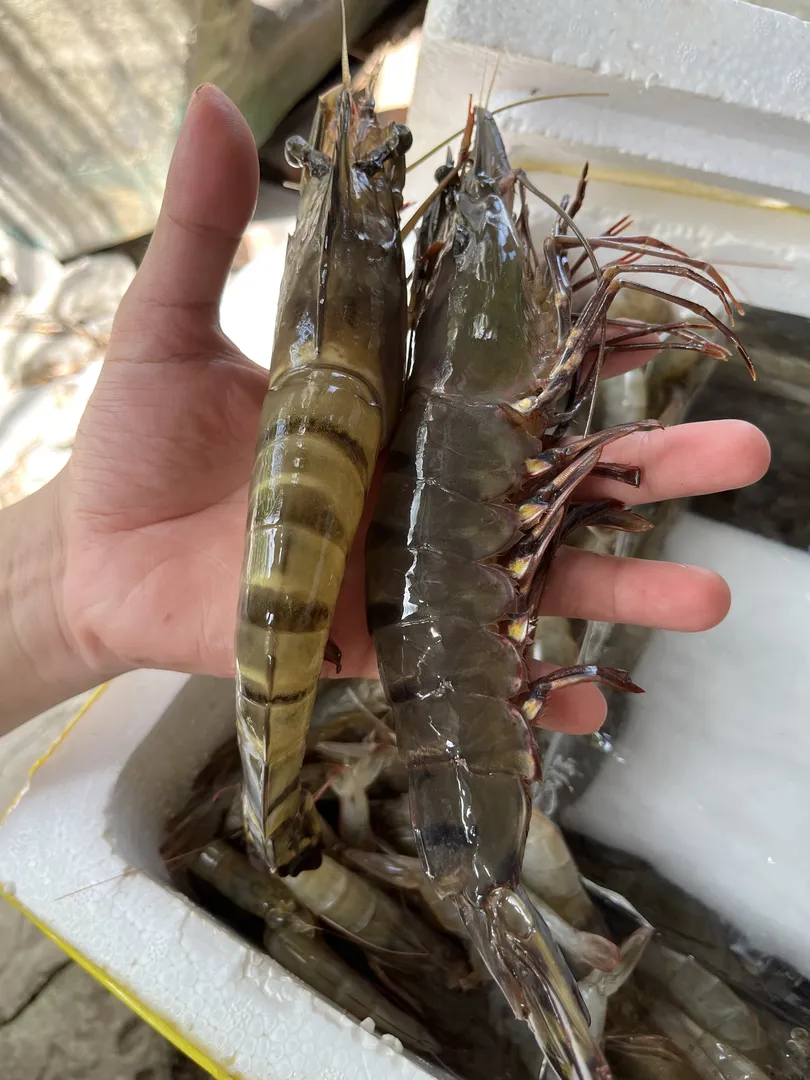
Ca Mau Black Tiger Shrimp
Ca Mau Black Tiger Shrimp
Large black tiger shrimp associated with mangrove aquaculture in Ca Mau, known for firm flesh and a cleaner, sweeter finish than intensively farmed shrimp.
Wild spirits of the mangroves, these black-banded gems deliver a firm, snappy texture and a sweetness that echoes the forest's vibrant life.

Heritage Ingredient
Mekong Giant Freshwater Prawn
Mekong Giant Freshwater Prawn
A river prawn with long blue claws and rich head fat, common in grilled prawn dishes and hotpot traditions across the Mekong basin.
Majestic blue-clawed warriors of the Mekong, famous for their rich, fatty heads and a savory depth that captures the essence of the delta's rivers.
2 The Alchemy of Fermentation & Fruit
At its core, Ganjang Saeu is a 'Jangajji'—a Korean preserved vegetable or seafood dish. But instead of pickling, we're marinating. The marinade is where the magic truly happens, a carefully balanced concoction designed to cure and flavor the raw shrimp simultaneously.
The Umami Base
- Soy Sauce (Ganjang): The salty, savory backbone. Use a good quality Korean soy sauce if possible, or a low-sodium Japanese equivalent.
- Sugar: Balances the saltiness, contributing to that signature sticky sweetness.
The Sweet & Tart Notes
- Apple/Pear: Crucial for natural sweetness and tenderizing. Pureed or finely grated, it adds a fresh, subtle fruitiness that cuts through the richness.
- Garlic: Minced finely, it provides a pungent depth.
The Kick
- Gochugaru (Korean Chili Flakes): Adds color and a gentle, lingering heat. Adjust to your spice tolerance.
- Optional: A splash of rice wine or Mirin for complexity.
The Aromatics
- Sesame Oil: Toasted sesame oil for that nutty aroma.
- Scallions/Green Onions: Chopped finely, for a fresh, oniony bite.
3 The Art of Curing Raw Seafood
Eating raw seafood carries inherent risks. This recipe is about curing, not eating shrimp straight from the ocean. The salt and sugar in the marinade draw out moisture and inhibit bacterial growth over time.
- FRESHNESS IS NON-NEGOTIABLE: Use only the absolute freshest, high-quality shrimp. If there's any doubt, cook it. Look for shrimp with clear, firm flesh and no ammonia smell. "Sushi-grade" or "sashimi-grade" isn't a regulated term everywhere, but aim for shrimp specifically intended for raw consumption if available.
- PROPER HANDLING: Devein and shell the shrimp carefully. Rinse thoroughly under cold water and pat completely dry. Moisture is the enemy of curing.
- MARINATION TIME IS KEY: This is not a quick dip. The shrimp needs to marinate in the refrigerator for at least 12-24 hours to cure properly. Over-marinating can make the texture mushy.
- REFRIGERATION IS MANDATORY: This dish MUST be kept chilled throughout the marination process and until serving.
- CONSUMPTION WINDOW: Ganjang Saeu is best consumed within 2-3 days of marinating. Discard any leftovers after that.
4 Recipe: Bold Flavors, Simple Assembly
Here’s a blueprint. Feel free to adjust the ratios to your palate. The goal is a harmonious balance.
Ingredients
- Shrimp: 1 lb (about 450g) large, fresh raw shrimp (tiger prawns recommended)
- For the Marinade:
- 1 cup Soy Sauce (Korean or Japanese)
- 1/4 cup Sugar (or honey/maple syrup for a different note)
- 1/2 large Apple or Asian Pear, peeled, cored, and pureed/grated
- 4-5 cloves Garlic, minced
- 1-2 tbsp Gochugaru (Korean chili flakes, adjust to taste)
- 1 tbsp Rice Wine or Mirin (optional)
- 1 tbsp Toasted Sesame Oil
- 2 Scallions (green parts only), thinly sliced
- 1/2 tsp Black Pepper (freshly ground)
- For Serving:
- Cooked rice
- Sesame seeds (toasted)
- Extra sliced scallions
- Optional: Sliced chilies, a drizzle of sesame oil
Instructions
- Prepare the Shrimp: Peel and devein the shrimp, leaving the tail on if desired. Rinse thoroughly under cold water and pat them bone dry with paper towels.
- Make the Marinade: In a medium bowl, whisk together the soy sauce, sugar, pureed apple/pear, minced garlic, gochugaru, rice wine (if using), sesame oil, sliced scallions, and black pepper until well combined.
- Marinate: Place the dried shrimp in a non-reactive container (glass or ceramic is ideal). Pour the marinade over the shrimp, ensuring all pieces are coated. Gently toss to distribute.
- Cure: Cover the container tightly and refrigerate for at least 12 hours, and preferably 18-24 hours. Toss gently once or twice during marination to ensure even curing. The shrimp should turn a deep red-orange color and the flesh should firm up slightly.
- Serve: To serve, drain off most of the excess marinade (you can reserve some for drizzling). Arrange the marinated shrimp on a plate. Garnish with toasted sesame seeds and fresh sliced scallions. Serve immediately with steamed rice.
5 A Symphony of Boldness
The first bite is an explosion. The initial saltiness of the soy sauce hits, followed by a wave of sweetness from the sugar and fruit. Then comes the gentle warmth of the chili, rounded out by the aromatic garlic and nutty sesame. The texture is key – firm, slightly yielding, and incredibly succulent. It’s not the delicate, melting texture of raw fish; it’s something altogether different, a delightful textural contrast.
Paired with a bowl of steaming hot rice, it's a complete meal, a flavor bomb that will keep you coming back for more. It’s the kind of dish that makes you understand why simplicity, when executed with quality ingredients and a thoughtful approach, can be so profound. It’s a dish best shared, savored slowly, perhaps with a chilled glass of soju or a crisp beer.
6 From Mekong's Soul to the Korean Table
This dish, Ganjang Saeu, might seem quintessentially Korean, but its very existence hinges on the quality of shrimp that often traces its lineage back to coastal regions and river systems like those found in the Mekong Delta. The careful curing process, the blend of sweet and savory, the vibrant color – these are elements that resonate deeply with food cultures across Asia, including our own in Southern Vietnam. We understand the profound difference that fresh, vibrant seafood makes. While the marinade is distinctly Korean, the appreciation for that pure, unadulterated shrimp flavor is something we share wholeheartedly. It’s a beautiful example of how ingredients and culinary philosophies can travel and converge, creating something new yet familiar, a taste that speaks to a shared love for the sea's bounty.
7 Pro Tips & Creative Twists
Spice Level Control
Adjust the gochugaru. For a milder flavor, use less or opt for a milder chili like Aleppo pepper flakes. For extra heat, add fresh sliced bird's eye chilies to the marinade or as a garnish.
Sweetener Swap
While sugar is classic, experimenting with honey or maple syrup can add subtle nuances. Be mindful that these might affect the final texture and curing time.
Citrus Zest
A tiny bit of grated lemon or lime zest added to the marinade can bring an extra layer of brightness, a nod to our Vietnamese palate.
Serving Suggestions
Beyond rice, this pairs wonderfully with lettuce wraps (like Vietnamese Gỏi Cuốn), over noodles, or as a vibrant appetizer for a Korean BBQ spread.
8 The Raw Truth
Ganjang Saeu is more than just a dish; it’s an experience. It’s a celebration of pristine ingredients, a dance of bold flavors, and a testament to the art of culinary transformation. It’s a dish that demands respect for its raw ingredients, a respect that is deeply ingrained in the food cultures of the Mekong and Korea alike. When prepared with care and consumed with appreciation, it offers a glimpse into the thrilling side of Asian cuisine that embraces the raw, the fermented, and the unforgettable.