" We've all been there. You crack open a crab, dreaming of sweet, succulent meat, only to find... emptiness. A hollow shell, a ghost of a meal. It's a seafood crime, especially here in the Mekong. "

📸 The critical moment of truth, right before it hits the kitchen.
1 The River's Bounty: More Than Just Seafood
The Mekong Delta, a vast labyrinth of rivers, canals, and rice paddies, is a treasure trove of culinary wonders. Among its most prized possessions are its crabs. From the brackish waters of Ca Mau to the freshwater arteries of Can Tho, crabs are not just food; they are a livelihood, a symbol of abundance, and a testament to the region's rich biodiversity.
Markets here teem with life. Fishermen haul in their nets, their catches glistening under the tropical sun. But amidst the vibrant chaos, the discerning buyer knows that not all crabs are created equal. A vendor might try to pass off a hollow crab, a sad specimen that leaves you feeling cheated and hungry. This is where the ancient art of the "Press Test" comes into play – a simple, yet incredibly effective, technique passed down through generations of delta cooks and market savvy shoppers.
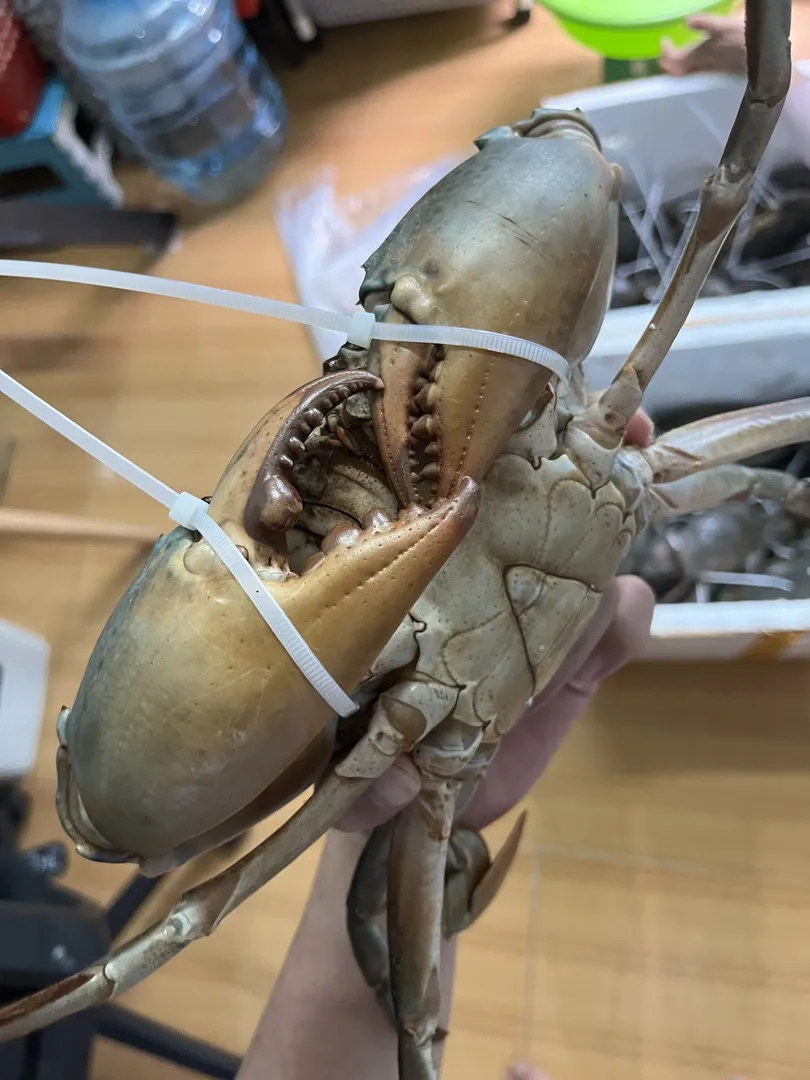
A typical Ca Mau Jumbo Mud Crab from Ca Mau, prized for its substantial meat.
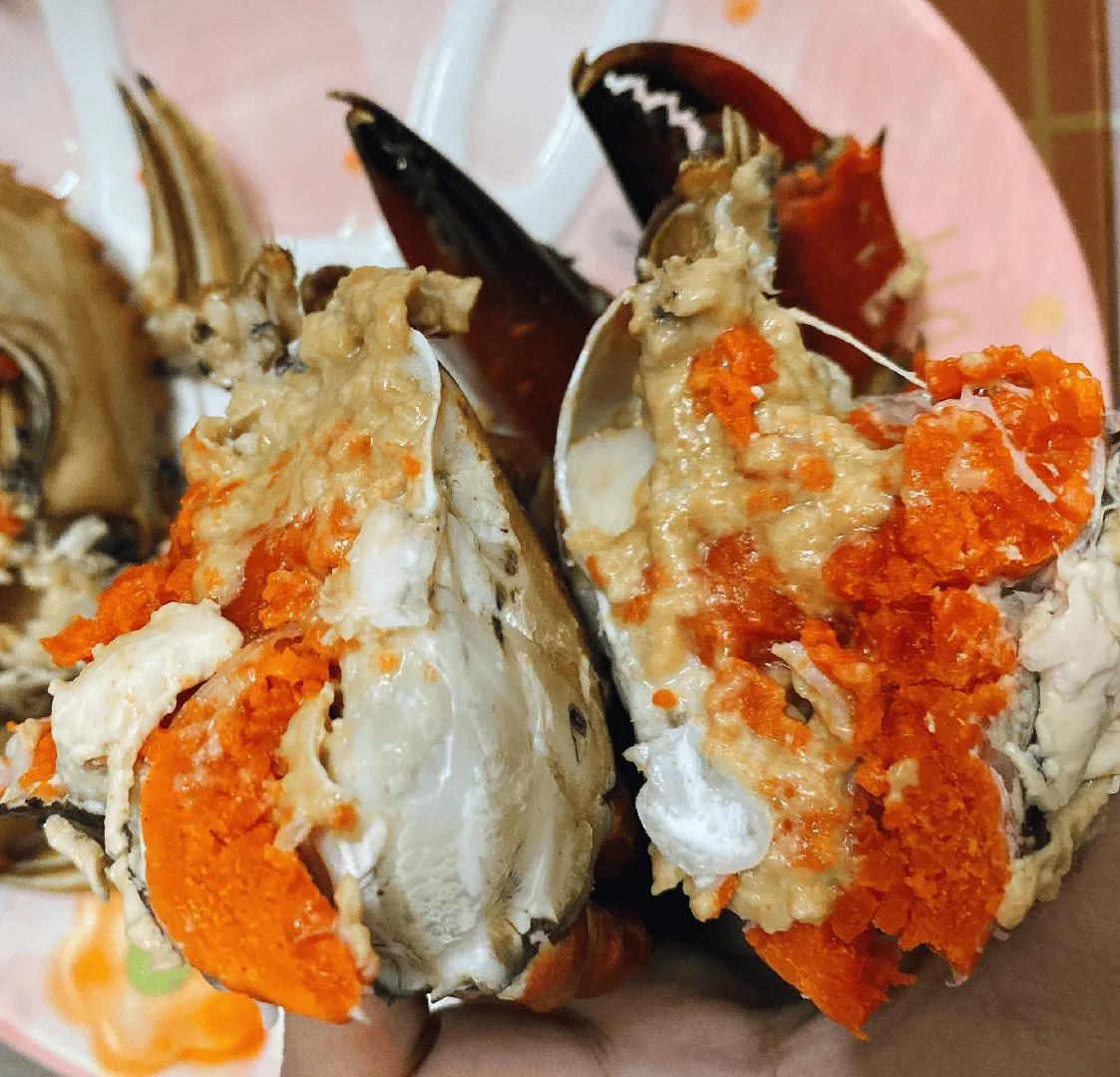
The esteemed Ca Mau Roe Mud Crab, known for its rich roe and sweet flesh.
2 Knowing Your Enemy (and Your Friend)
Before we delve into the technique, let's get a quick anatomy lesson. The key area we're interested in is the crab's underside, specifically the plastron – the hard, shell-like plate that covers its belly. This is where the crab's internal organs reside, and critically, where the density of its muscle mass can be gauged.
When a crab is healthy and well-fed, its muscles are dense and packed with sweet meat. If a crab has been through a tough molt, is sick, or hasn't fed properly, the space between its organs and the plastron will be filled with water or empty air, leading to that disappointing hollow feel.

Key Area: The Plastron
- This is the hard, plate-like structure on the crab's belly.
- It protects the vital organs.
- Its flexibility and the feel beneath it are direct indicators of meat density.
- Think of it as the crab's internal 'gauge'.
3 The Sacred Art of the Squeeze
This isn't about brute force; it's about subtle tactile feedback. You're looking for a firm, responsive feel. Here's the step-by-step:
Locate the Plastron
Gently turn the crab over. Identify the triangular-shaped plastron on its underside. You'll also see the crab's 'apron' or 'lid' – this is connected to the plastron.
The Gentle Press
Place your thumb and forefinger on either side of the plastron's center. Apply light, steady pressure. Don't jab or squeeze hard – you're not trying to break it, just feel its resilience.
Feel the Resistance
What to feel: A good crab will feel firm, almost like pressing on a firm sponge. It should resist your pressure slightly, indicating taut muscle beneath.
What to avoid: If the plastron feels soft, squishy, or gives way easily with no resistance, it's likely hollow. You might even feel a slight 'give' or a sloshing sound if it's very watery.
The Science Behind the Squeeze 🔬
The difference between a "meaty" crab and a "hollow" crab often comes down to two factors: the crab's recent feeding and its molting cycle.
Full Belly = Full Meat
A crab that has been feeding well will have dense muscle tissue filling the space. This makes the plastron feel firm and resistant to pressure.
Molting Cycles
Crabs molt to grow. During the soft-shell phase, their new shell forms underneath. If a crab is caught between molts or is in a post-molt recovery phase, its body might not have fully solidified, leading to a less dense feel.
Shell Hardness (Post-Molt)
A newly molted crab's shell can feel softer and more yielding, even if it's otherwise healthy. The press test helps distinguish this from a truly hollow crab.
While this test is primarily for meat crabs, female crabs with roe will feel different. The roe itself is dense. A roe crab will feel heavy and firm, but the texture under the plastron might be slightly less 'springy' than a prime meat crab due to the roe mass. Trust your instincts and knowledge of local crab types.
4 In the Heart of the Delta: Markets and Livelihoods
The best place to hone your press test skills is at the source: the bustling seafood markets of the Mekong Delta. From the floating markets of Cai Rang (Can Tho) to the daily markets in smaller towns like Rach Gia or Soc Trang, you'll find vendors selling their daily catch.
Don't be shy about asking to "press the crab." It's expected! A good vendor will appreciate your knowledge, as it shows you respect the product. They might even let you feel a few different crabs so you can compare the textures. Remember, these crabs are often harvested from local aquaculture farms or wild-caught from mangrove areas.
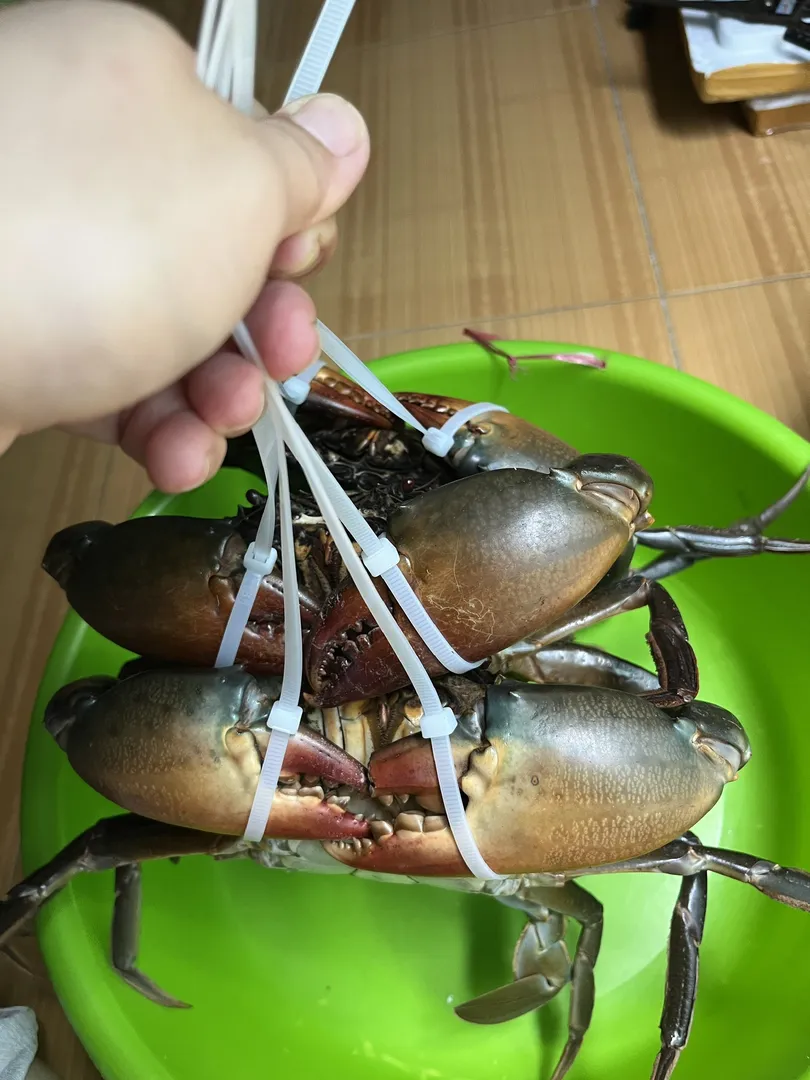
An Giant Ca Mau Mud Crab, often sorted for export and excellent for practicing selection.

A typical scene in a Mekong Delta market, where freshness is key.
5 Other Indicators of Quality
While the press test is paramount, a few other cues can signal a good crab:
- Weight: A heavy crab for its size usually means more meat.
- Leg Movement: Lively, active legs are a good sign of a healthy, recent catch.
- Shell Color & Shine: For mud crabs, a deep, rich shell color often indicates good health. A dull or damaged shell might mean it's older or has been through stress.
- Smell: Fresh crab should smell of the sea, not strong or ammoniac.
6 The Reward: A Feast of Substance
Mastering the press test is more than just a market hack; it's a gateway to experiencing the true essence of Mekong Delta crab cuisine. When you bring home a crab that passes the test, you're guaranteed a meal that's rich, satisfying, and brimming with natural sweetness.
Whether steamed with fragrant lemongrass, grilled over charcoal, or simmered in a rich stew, a meaty crab transforms a simple dish into a celebration. It's the foundation upon which the region's culinary identity is built – an identity that values freshness, quality, and the pure, unadulterated flavor of the river's gifts.

The ultimate reward: a plate piled high with succulent crab meat.
7 Respecting the Resource
In the Mekong Delta, where livelihoods are so intrinsically tied to the waterways, understanding seafood quality isn't just about a good meal; it's about respecting the resource. Wasting money on a hollow crab means less for the fishermen, less for the families who depend on this industry. The press test is a small act of informed consumption that supports sustainable practices and ensures the continued bounty of these fertile waters. It's about culinary integrity, a value deeply ingrained in the delta's food culture.
8 Your Next Crab Purchase
So, the next time you find yourself at a bustling seafood market, whether it's under the humid skies of the Mekong Delta or a specialty fishmonger halfway across the globe, remember the simple yet powerful "Press Test." It's your secret weapon for guaranteed meaty crab, a skill that will elevate every crab dish you prepare and ensure you're always getting the best the river has to offer. Happy hunting!
More Seafood Secrets
View More Food & Culinary
Boiled Chicken with Salted Crab Dip: A Southern Secret
Ditch the lime salt! Discover the mind-blowing combination of tender chicken dipped in a pungent Ba Khia and chili mash.
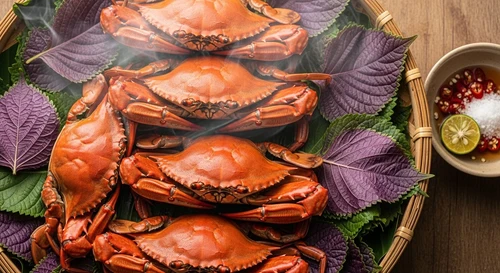
Steamed Blue Crab with Perilla Leaves to Ward off Cold
Steaming crabs with a handful of purple perilla leaves warms the stomach and prevents stomach aches when eating seafood.
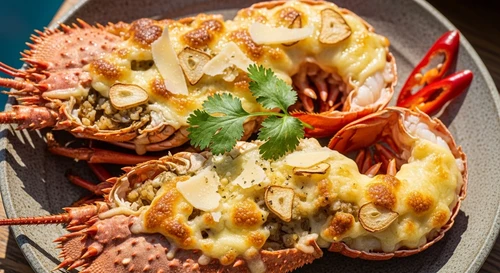
Slipper Lobster (Tom Mu Ni) Steamed with Garlic and Baked with Rich Cheese
A strange lobster wearing a giant hat on its head. Halved and baked with fragrant cheese, it beats even the expensive spiny lobsters.
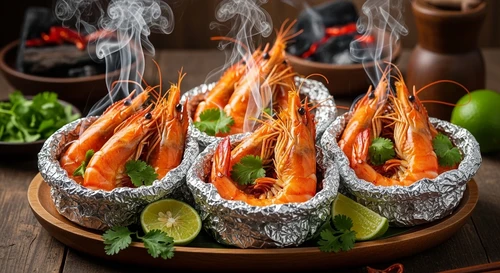
Foil Baked Tiger Prawns with Sa Te
Wrap tiger prawns and spicy horn chili Sa Te sauce in aluminum foil and grill over charcoal to keep the meat juicy.
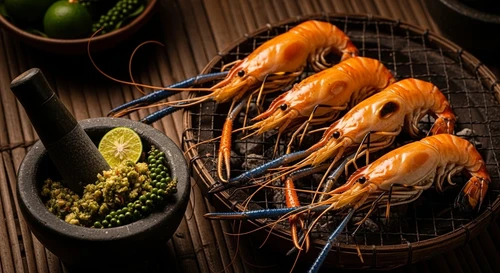
Charcoal Grilled Giant Freshwater Prawns with Green Peppercorn Dip
Whole giant prawns grilled over embers, dipped in a sour and spicy mashed green peppercorn salt.
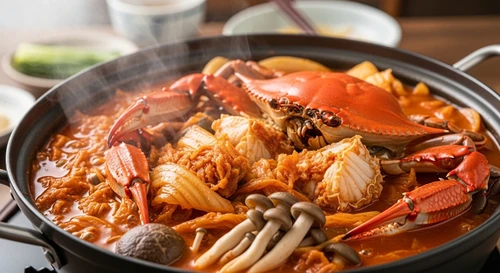
Kimchi & Oyster Mushroom Blue Crab Hotpot
A unique twist using the sharp sour-spicy flavor of Korean kimchi to balance the oceanic taste of fresh blue crabs.
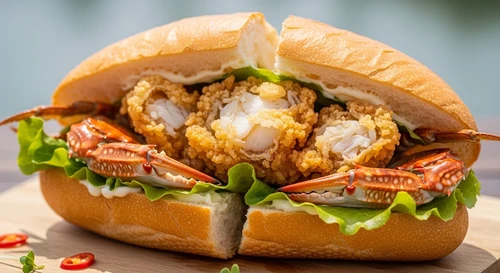
Crispy Fried Soft-Shell Blue Crab Sandwich
Molting, soft-bodied blue crabs battered and fried golden, sandwiched with lettuce and mayo in a crispy baguette.
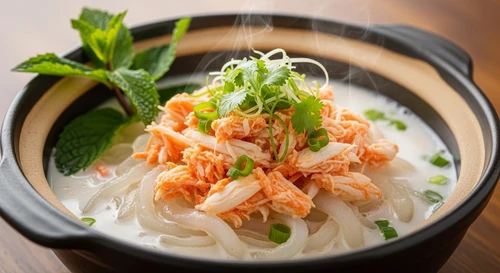
Mekong Coconut Milk Blue Crab Tapioca Noodles
A milky white broth rich with coconut milk aroma, featuring hand-cut chewy tapioca noodles and freshly shredded blue crab meat.
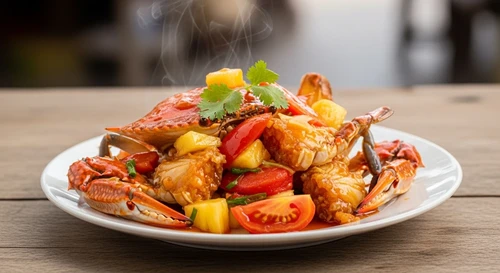
Sweet & Sour Blue Crab with Pineapple and Tomatoes
Sautéed pineapple, tomatoes, and onions create a natural sweet and sour sauce that evenly coats smashed blue crab claws.