" Forget the fancy sauces, the complex marinades. When you've got something this pure, this fresh from the ocean floor, you treat it with respect. And respect, out here in the Mekong, often means a roaring fire and a pair of calloused hands. "
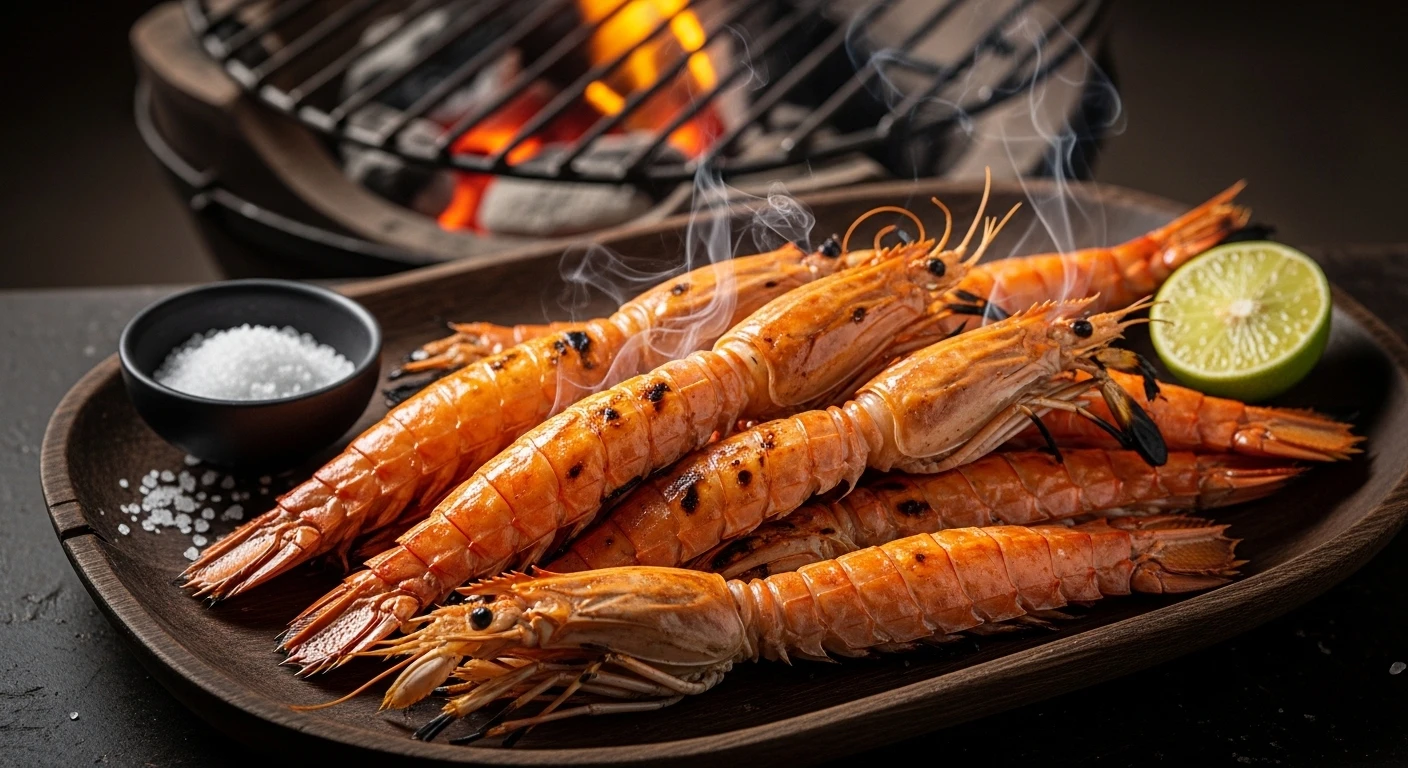
📸 The glow of the embers on these oceanic jewels.
1 From the Muck and the Mystique
The Mekong Delta's coastline is a cradle of life. Here, where freshwater rivers meet the salty embrace of the sea, the ecosystem is rich. And it's in these nutrient-rich waters, often around the mangrove fringes, that you find creatures like the mantis shrimp.
Don't let the name or the slightly alien appearance fool you. These are not the delicate, sweet prawns you might find elsewhere. Mantis shrimp, or "tôm tít" as they're known locally, possess a unique, assertive flavor. It's briny, deeply oceanic, with a firm, almost snappy texture that's incredibly satisfying.
Coastal Catch
Typically caught by small boats using specialized nets, or sometimes even by hand by local fishers venturing into shallow waters or near mangrove roots.
Flavor Profile
Bold, mineral-rich seafood taste. Less sweet than typical shrimp or prawns, with a satisfyingly firm, slightly chewy bite.
The secret to unlocking their true flavor? Simplicity. Over-complicating them is a culinary sin. They are at their absolute best when cooked as simply as possible, allowing that unique, wild ocean essence to sing.
2 The Charcoal Rite
In the Mekong Delta, outdoor cooking isn't just a method; it's a way of life. Whether it's a family gathering on a riverbank or a small roadside stall, the smoky aroma of charcoal is a constant companion. For seafood like mantis shrimp, charcoal grilling is more than just cooking; it's an elemental ritual.
The Heartbeat: Charcoal
- Type: Coconut shell charcoal or hardwood charcoal is preferred for a clean, long-lasting burn and minimal chemical taste.
- Heat: Aim for medium-high, glowing embers rather than leaping flames. Flames will scorch the shrimp before they cook through.
The Bare Essentials
- Fresh Mantis Shrimp: Absolutely critical. They should be lively if purchased alive, or vibrant and smelling purely of the sea if already processed.
- Salt: A coarse sea salt, for a simple sprinkle before or after grilling.
- Lime (for serving): A wedge of fresh lime is non-negotiable.
3 Naked and Unafraid
This is where the magic happens. No fuss, no marinades that mask the flavor. Just the raw, unadorned mantis shrimp meeting the primal heat.
The Catch Selection
Ensure your mantis shrimp are fresh. If they were live, give them a quick rinse. If processed, ensure no strong 'fishy' odor, just the clean scent of the sea.
The Seasoning (or lack thereof)
This is debated, but the purist method is to grill them completely bare. Some locals might add a whisper of coarse sea salt *after* grilling, or a tiny pinch of salt and chili flakes *before*. Experiment, but start naked!
The Grilling Dance
Place the mantis shrimp directly on the hot charcoal grill. Cook for 2-4 minutes per side, depending on size, until the shells turn a vibrant orange-red and become slightly brittle. They cook fast!
The Moment of Truth
Remove from grill. If you opted for post-grill salt, sprinkle a little now. Serve immediately with fresh lime wedges. The juices released during grilling mingle with the lime for an explosion of flavor.
Taste of the Delta Coast
Spotting these at a market or restaurant is your sign you're in the right place for authentic coastal flavors.
Coastal Markets
Places like Ca Mau, Rach Gia, or smaller fishing villages are your best bet. Look for vendors with fresh catches, often displayed on ice or still wriggling.
Riverside Stalls
As you travel through the Delta, keep an eye out for simple, open-air stalls, especially in the late afternoon or early evening, firing up their grills.
These aren't usually found in major city supermarkets but are the domain of local fishermen and their communities.
A Look at Coastal Bounty
The Mekong Delta is a treasure trove of diverse seafood. While mantis shrimp are unique, they exist alongside other prized catches that define the region's culinary identity.

Heritage Ingredient
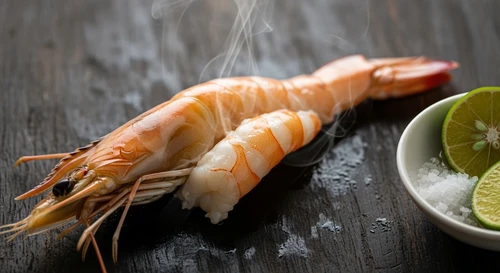
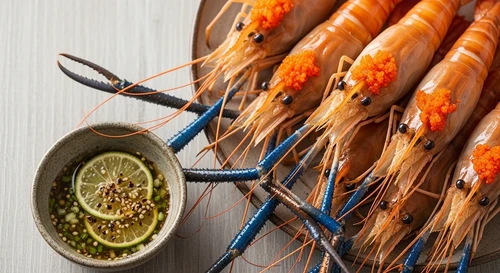
Mekong Giant Freshwater Prawn
Mekong Giant Freshwater Prawn
A river prawn with long blue claws and rich head fat, common in grilled prawn dishes and hotpot traditions across the Mekong basin.
Majestic blue-clawed warriors of the Mekong, famous for their rich, fatty heads and a savory depth that captures the essence of the delta's rivers.
Imagine the same meticulous sourcing, the same respect for freshness, applied to a giant river prawn like those found in the Mekong. That same philosophy of letting the ingredient's natural character shine is at the heart of Delta cuisine.
6 Life on the Water's Edge
The delta is a labyrinth of rivers and canals, shaping everything from agriculture to livelihoods. Seafood isn't just food; it's the lifeblood for many communities. Catching shrimp, crabs, and fish is more than a job; it's a tradition passed down through generations.
When you taste charcoal-grilled mantis shrimp here, you're tasting more than just seafood. You're tasting the salty air, the mangrove roots, the rhythm of the tides, and the sheer resilience of the people who call this watery world home. It's a flavor deeply connected to the landscape and the way of life here.
Serving Suggestions & Pairings
🍋 The Essential Dip
🍻 Perfect Beverage Pairings
🍚 Accompanying Dishes
8 Why "Bare Grill" Wins
In a world saturated with complex culinary trends, the simple act of grilling fresh ingredients over charcoal is a powerful statement. It's a return to basics, a celebration of pure flavor.
Charcoal grilled bare mantis shrimp embody this philosophy. They don't need masks; they are the stars. Their inherent oceanic salinity, their firm, satisfying texture, and the subtle smoky char from the fire create an experience that is both primal and deeply sophisticated. It’s a taste of the Mekong, raw and unapologetic.