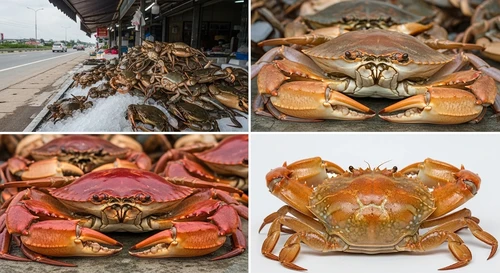
" This isn't your fine-dining caviar. This is the food of necessity, of sustenance, of generations clinging to the coast. It's a salty punch to the gut that tastes like home. "
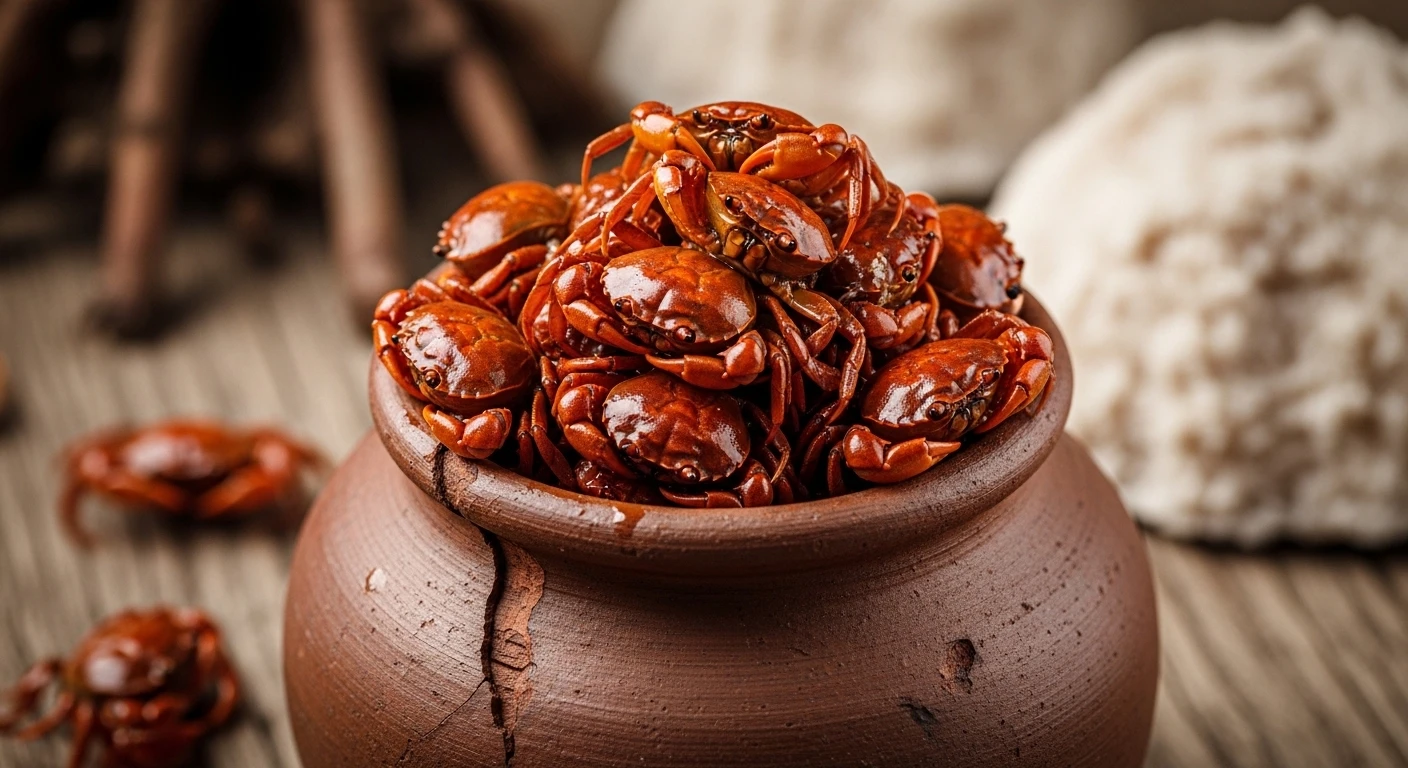
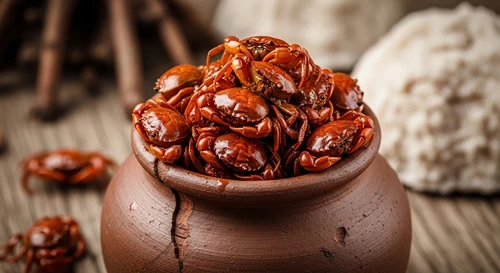
📸 The essence of preservation: Tiny Ba Khia, ready for their transformation.
1 Where the River Meets the Sea
Venture into the labyrinthine waterways and mangrove forests of Vietnam's southern coastline, particularly in provinces like Ca Mau, Kien Giang, and Bac Lieu. This is the domain of the ba khia, a tiny species of mangrove crab that thrives in the brackish waters. For generations, the people of these coastal communities have relied on ingenius methods of food preservation to see them through leaner times, and mam ba khia is a testament to that ingenuity. It's not just food; it's a historical marker, a taste of resilience.
Unlike the larger mud crabs prized for their meaty claws, ba khia are small, often no bigger than a thumbnail. Their appeal lies not in their size, but in their intense, concentrated flavor and the unique textural experience they offer when transformed through fermentation. This process, passed down from parent to child, is an art form that captures the very essence of the Mekong Delta's coastal ecosystem.
The Source: Rach Goc Mangroves
The village of Rach Goc, in Ngoc Hien district of Ca Mau province, is particularly famed for its traditional mam ba khia. Here, the art of preserving these tiny crabs has been perfected, creating a product known for its distinct salty-sour profile and deep, umami richness. It's a regional specialty that tells a story of life lived in harmony with the natural environment.
Beyond Preservation
While initially a method of preservation, mam ba khia has evolved into a beloved delicacy. Its pungent aroma and complex flavor profile make it a star ingredient, a condiment that can elevate simple dishes into something extraordinary. It's the taste that keeps people connected to their heritage.
2 The Rites of Salting and Waiting
The creation of mam ba khia is a patient craft, a dance with salt, time, and the natural enzymes within the crabs. It’s a process that requires keen observation and a deep understanding of the ingredients.
Step 1: The Harvest & Selection
- The ba khia are meticulously gathered, often by hand from the mangrove roots during low tide.
- Only fresh, lively crabs are chosen. The size is typically small, fitting comfortably between the thumb and forefinger.
Step 2: The Salting Ritual
- The crabs are thoroughly washed and then packed tightly into large earthenware jars or ceramic containers.
- A generous amount of coarse sea salt is layered between the crabs. The salt is the key: it draws out moisture, prevents spoilage, and kickstarts the fermentation process.
Step 3: The Patient Wait
- The jars are sealed, often with a layer of banana leaves or plastic wrap topped with a heavy stone to keep everything submerged.
- They are left to ferment in a cool, dark place for several months. During this time, natural enzymes and bacteria work their magic, transforming the crabs into a pungent, flavorful paste.
Step 4: The Maturation (or 'Mam')
- Some traditions involve adding a brine solution and other aromatics, like garlic and chili, in later stages to further develop the flavor.
- The final product is a rich, dark, intensely salty, and slightly sour concoction that is unmistakably mam ba khia.
3 Rach Goc's Signature Brine
While the core principles of salting and fermenting are universal, the specific techniques employed in Rach Goc give the local mam ba khia its renowned character. It’s a method that balances the raw power of fermentation with a nuanced flavor profile.
The "Mam Ba Khia Rach Goc" Difference
1. Brine Control
The density of the salt brine is carefully monitored. Too weak, and the crabs spoil; too strong, and they become overly salty, losing their natural sweetness.
2. Aromatic Infusions
Often, garlic, chili, and sometimes even a touch of sugar or rice wine are added to the brine towards the end of the fermentation, adding layers of complexity and cutting through the saltiness.
3. Gradual Aging
The crabs are sometimes allowed to mature in stages, with batches being removed and re-brined or re-seasoned over weeks and months to achieve the desired texture and flavor.
This meticulous approach ensures that mam ba khia from Rach Goc is not just preserved food, but a culinary masterpiece, a true reflection of the Mekong Delta's rich food heritage.
4 More Than Just a Condiment
Mam ba khia is not typically eaten on its own, much like how one wouldn't eat a jar of kimchi straight. It's a flavor enhancer, a powerful umami bomb that awakens the palate. The traditional way to enjoy it is by serving it alongside other dishes, allowing its potent taste to complement and elevate them.
With Rice and Simple Sides
The classic pairing. Serve a small dollop of mam ba khia alongside plain steamed rice, boiled pork belly, fresh herbs, and perhaps some pickled vegetables.
The Dipping Sauce Champion
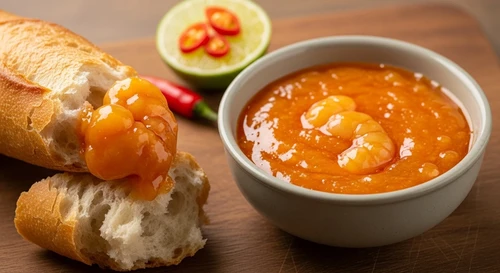
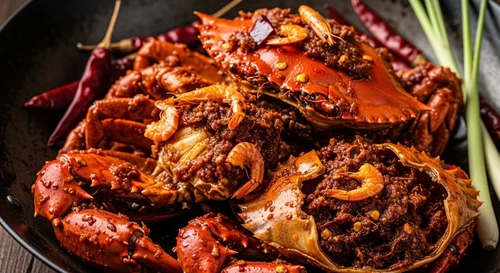
This is where mam ba khia truly shines. It's often mixed with fresh chili, garlic, lime juice, and sometimes a little sugar or fish sauce to create an intensely flavorful dipping sauce for grilled meats, seafood, or even fresh spring rolls.
Flavoring Soups & Stews
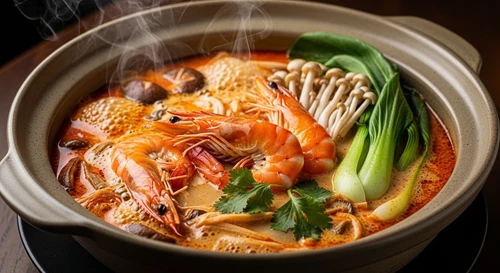
A spoonful of mam ba khia can add an unparalleled depth of flavor to seafood stews, noodle soups, or stir-fries, lending a rich, savory undertone.
5 More Tastes of the Southern Coast
The coastal regions of the Mekong Delta are rich with unique ingredients and traditional foods. Beyond the beloved mam ba khia, here are a few more examples of what makes this area a culinary frontier:
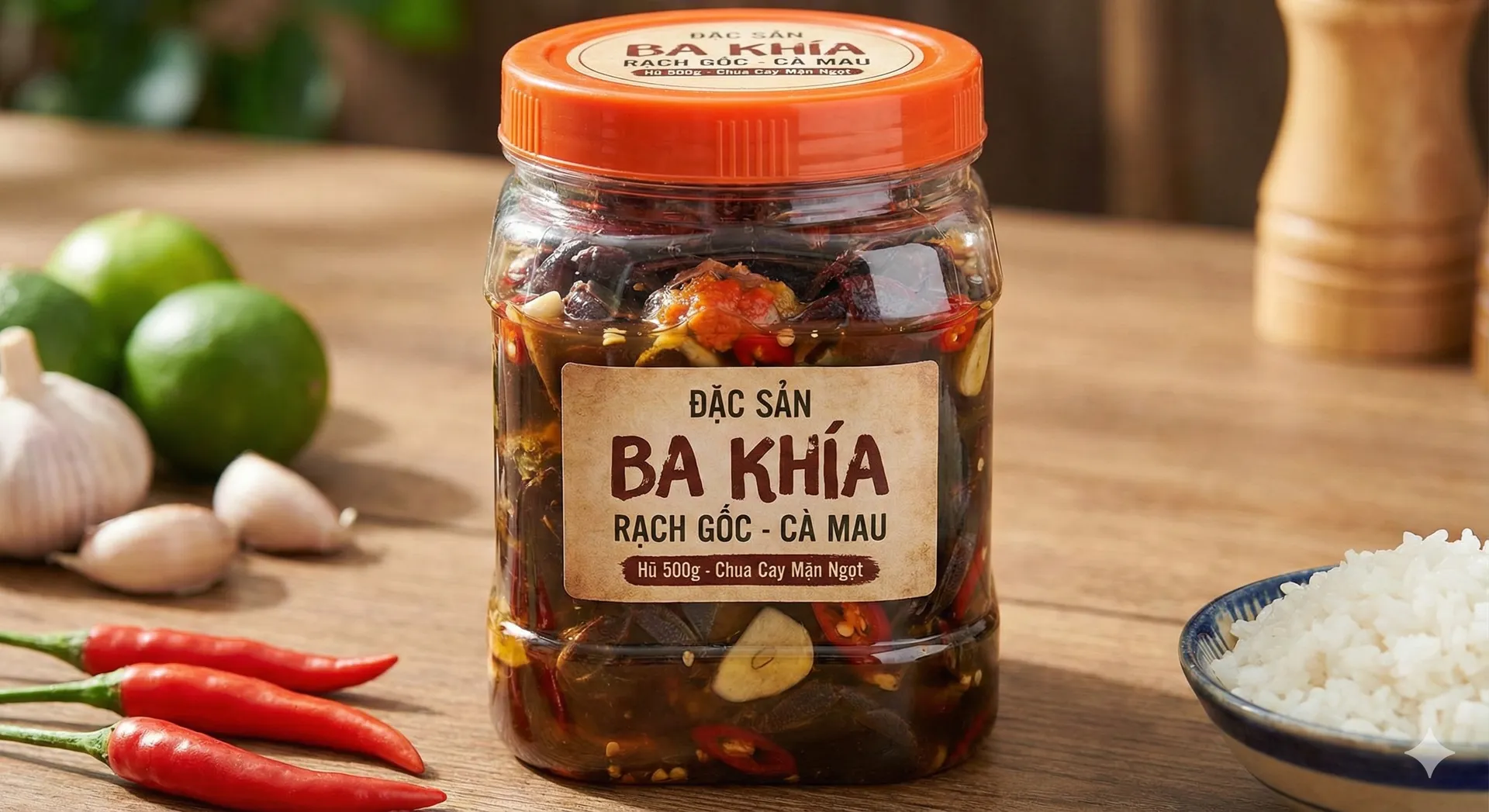
Heritage Ingredient
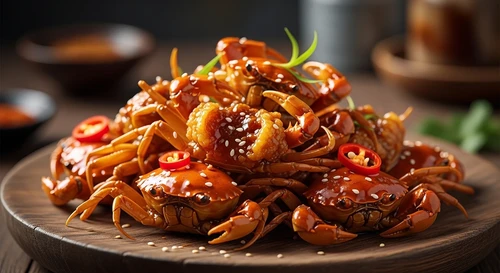
Fermented Mangrove Crab (Ba Khia)
Fermented Mangrove Crab (Ba Khia)
A traditional fermented crab specialty from the mangrove region of Rach Goc, often cited in articles about rustic Mekong Delta flavors and preserved seafood culture.
The salty-sour heartbeat of the wild south, where traditional fermentation turns forest crabs into a nostalgic explosion of rustic Mekong soul.
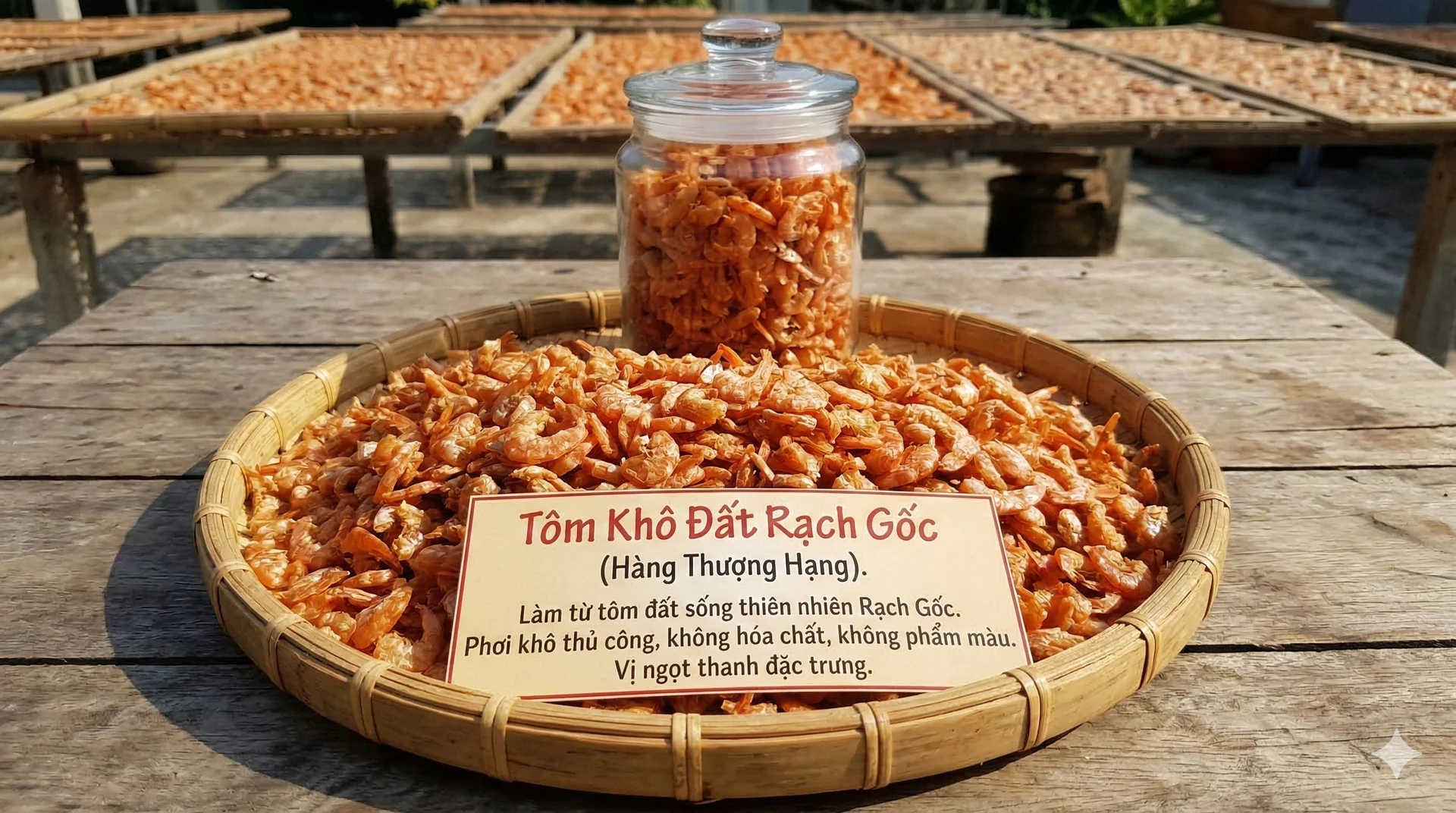
Heritage Ingredient
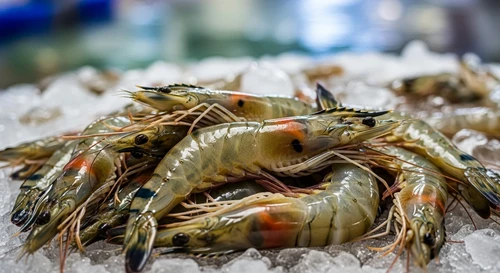
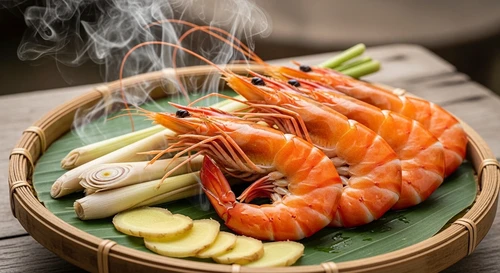
Sun-Dried Wild Shrimp from Rach Goc
Sun-Dried Wild Shrimp from Rach Goc
Traditional dried shrimp made from small wild shrimp, valued for natural sweetness and commonly used in Vietnamese salads, soups, and festive dishes.
Concentrated sunlight and sea salt in every bite, these crimson gems offer a deep, umami sweetness that whispers tales of Rach Goc's golden shores.

Heritage Ingredient
Ca Mau Mudskipper
Ca Mau Mudskipper
A mangrove mudskipper from Ca Mau, often grilled with chili salt and featured in articles about unusual delta seafood and mudflat ecosystems.
The acrobatic spirit of the mudflats, delivering a fragrant, smoky flesh that embodies the untamed beauty of Ca Mau's mangrove world.
Brace Yourself: An Acquired Taste
Let's be clear: mam ba khia is not for the faint of heart. Its intense aroma and saltiness can be polarizing. The first encounter might be challenging. It's a flavor that must be earned, appreciated with an open mind and a willingness to explore beyond conventional palates.
Expect a potent combination of salt, fermentation funk, a touch of sourness, and a deep, oceanic umami. It's a flavor that lingers, often described as intensely 'salty-sour-pungent-delicious'.
7 Keeping the Flavor Alive
Due to its high salt content and the nature of fermentation, mam ba khia is remarkably shelf-stable. However, proper storage ensures its quality and longevity.
- Unopened: The sealed jars can last for many months, even up to a year or more, in a cool, dark pantry. The flavor may continue to develop and deepen over time.
- Opened: Once opened, it's best to transfer the mam ba khia and its brine into a clean, airtight container. Refrigerate after opening. It will remain good for several weeks to months, though the aroma might become more pronounced.
- Signs of Spoilage: While rare due to the salt, if you notice an off-putting odor that is distinctly rotten (beyond the characteristic pungency) or mold growth on the surface (that isn't from harmless brine flora), it's best to discard it.
8 A Taste of Enduring Tradition
Mam ba khia is more than just a fermented crab product; it is a symbol of the Mekong Delta's enduring spirit. It speaks of resourcefulness, of deep cultural roots, and of a profound connection to the land and sea. In a world increasingly dominated by mass-produced, homogenized flavors, this rustic, pungent delicacy stands as a powerful reminder of the richness and diversity found in traditional foodways. It's a taste of history, a taste of home, and a taste of the untamed beauty of Vietnam's southern coast.
Craving Something Else?
From the coast to the heart of the Delta, the flavors of Vietnam are endlessly diverse. Explore another facet of its culinary landscape.
🥢 Learn about Nuoc Mam Kho To