" Sushi is a conversation between precision and palate. And at its heart, the simplest piece, nigiri, requires the most respect for the ingredients. For Ebi Nigiri, the journey begins before the rice, with the shrimp itself. "
1 The Soul of the Sea: Choosing Your Shrimp
For Ebi Nigiri, the shrimp isn't just an ingredient; it's the star. Quality matters. We're talking about that perfect snap, a clean oceanic aroma, and a vibrant color that promises sweetness.
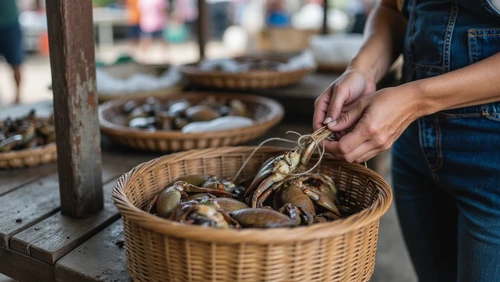
In the bustling markets of the Mekong Delta, particularly in coastal regions like Ca Mau, you'll find a bounty of shrimp. While many home cooks might reach for readily available Whiteleg Shrimp (Whiteleg Shrimp), for true Ebi Nigiri, you want something with more presence, more inherent sweetness.
Ca Mau Black Tiger Shrimp
Prized for their firm flesh and clean, sweet flavor, these Ca Mau Black Tiger Shrimp are a superb choice, offering a robust taste that holds up beautifully.
Mekong Giant Freshwater Prawn
While not traditional for nigiri, these impressive prawns (Mekong Giant Freshwater Prawn) have a rich, sweet meat. If used, select smaller specimens and be mindful of their distinct flavor profile.
Key characteristics to look for: Bright, firm shells, a clean smell (no ammonia or strong fishiness), and a vibrant, natural color.
2 The Butterfly Cut: Unveiling the Elegance
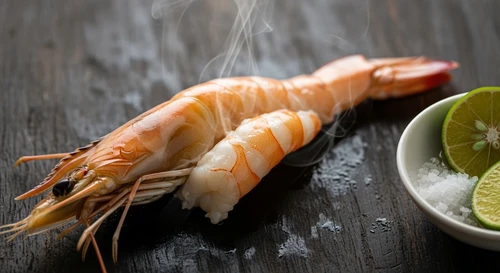
This is where the magic happens. The 'butterfly' cut, or shippo-giri (literally 'seven parts cut'), isn't just about aesthetics; it allows the shrimp to lie flat and present beautifully over the rice, while also ensuring it cooks evenly.
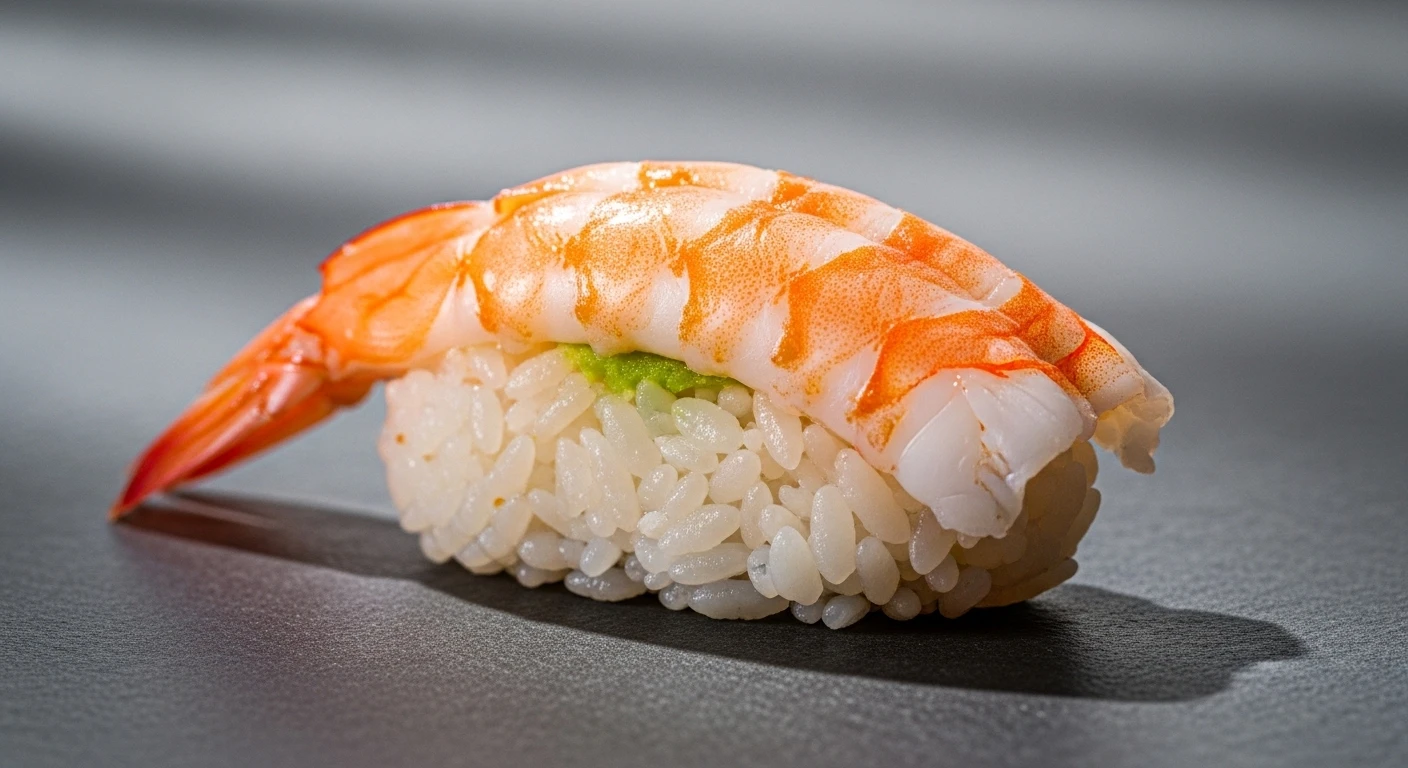
📸 The Art of the Cut: A single shrimp, precisely prepared.
Step-by-Step: The Butterfly Process
- Shelling & Deveining: Start by peeling the shrimp, leaving the tail intact for presentation. Carefully remove the vein using a small paring knife or a skewer. For a cleaner look, you can also remove the thin membrane from the underside of the shrimp.
- The Initial Cut: Place the shrimp on a clean cutting board, belly-side down. Make a shallow cut along the entire length of the underside of the shrimp, stopping just before you cut all the way through. You want to open it up like a book, but keep the two halves connected by the back.
- Flattening: Gently press down on the shrimp to flatten it. The cut on the underside will allow it to lie nearly flat.
- The Gentle Score (Optional but Recommended): For even flatter presentation and better texture, make a few shallow, diagonal scores on the flesh side of the shrimp. These scores help the shrimp relax and lie perfectly on the rice.
- Cooking: The preferred method is a brief boil or a quick blanch. Bring a pot of lightly salted water to a rolling boil. Add the prepared shrimp. They cook incredibly fast – usually 1 to 2 minutes, or until they turn pink and opaque. Overcooking is the enemy of tender shrimp! Immediately plunge them into an ice bath to stop the cooking process and preserve their firm texture and vibrant color.
3 The Bed of Pearls: Seasoned Sushi Rice
No nigiri is complete without perfectly seasoned sushi rice (shari). The slightly sticky, subtly vinegared rice provides the ideal counterpoint to the sweet shrimp.
- Rice Type: Use short-grain Japanese sushi rice.
- Washing: Rinse the rice thoroughly until the water runs clear. This removes excess starch.
- Cooking: Cook the rice according to your rice cooker's instructions.
- Seasoning: While the rice is still hot, gently fold in a mixture of rice vinegar, sugar, and salt. A common ratio is 5:2:1 (vinegar:sugar:salt), but adjust to your taste. Fan the rice as you mix to cool it quickly and give it a glossy sheen.
Allow the rice to cool to body temperature before forming nigiri. It should be pliable but not mushy.
4 The Final Touch: Forming the Nigiri
This is where intention meets execution. Work with slightly damp hands to prevent the rice from sticking.
Forming the Rice Base
Take a small amount of seasoned rice (about 2 tablespoons) and gently shape it into a compact, oblong mound in your palm. Don't pack it too tightly; it should still be airy.
For Ebi Nigiri, you might use a tiny dab of wasabi on top of the rice base, just before placing the shrimp. This adds a subtle kick and acts as a slight adhesive.
Placing the Shrimp
Carefully place the prepared, butterflied shrimp over the rice. The cut side should be facing upwards. Gently press the shrimp onto the rice, molding it to fit snugly. Ensure the tail of the shrimp elegantly drapes over the side.
5 The Moment of Truth
Serve Ebi Nigiri immediately for the best texture and flavor. Accompany it with a small dish of soy sauce (use sparingly, and dip the shrimp side, not the rice), pickled ginger (gari) to cleanse the palate, and of course, a touch of wasabi if you desire more heat.
The beauty of this technique is in its simplicity. You taste the sweet, firm shrimp, the perfectly seasoned rice, and the subtle hint of wasabi. It's a testament to the culinary philosophy of letting the quality of the ingredients speak for themselves.
From Mangrove to Masterpiece
While Ebi Nigiri is distinctly Japanese, the connection to the Mekong Delta is profound. The rivers and coastlines of regions like Ca Mau are the lifeblood, providing the very shrimp that form the soul of this dish. The dedication to quality, the respect for fresh seafood, and the understanding of how to prepare it to highlight its natural sweetness – these are principles shared across continents, from the bustling sushi counters of Tokyo to the humble fishing villages dotting Vietnam's southern tip. The journey of a shrimp from a Ca Mau mangrove to a perfectly formed piece of nigiri is a delicious testament to global culinary appreciation.
Imagine the pride of a fisherman in Ca Mau knowing his prized Black Tiger shrimp, nurtured in the unique brackish waters, is destined for an exquisite dish like Ebi Nigiri halfway across the world. It's a small world, connected by flavor.
Common Questions
🦐 Can I use cooked shrimp from the supermarket?
🔪 What's the best knife for cutting shrimp?
🍣 How much wasabi should I use?
6 A World of Sushi Flavors
While Ebi Nigiri is a fundamental piece, the world of sushi is vast and exciting. From the rich, fatty tuna (Toro) to the delicate sea bream (Tai), each fish offers a unique texture and flavor profile. Exploring different types of nigiri and rolls can be a lifelong culinary adventure.
The skills honed in preparing Ebi Nigiri – precise cutting, careful seasoning, and understanding ingredient freshness – are transferable to countless other sushi creations. It's about building a foundational understanding that respects the core elements of Japanese cuisine.
Keep exploring, keep tasting, and keep practicing. The journey to becoming a sushi master is one of dedication, a journey we believe starts with the humble, yet elegant, Ebi Nigiri.