" Dried shrimp. A taste of sunshine, salt, and the endless Mekong expanse. It's the umami bomb that gives depth to everything from a humble noodle soup to a celebratory salad. But leave it out, and you'll have a science experiment gone wrong. "
1 A Taste of the Mekong’s Soul
Think of the Mekong Delta. Picture the sprawling waterways, the emerald rice paddies, the intricate network of canals that are the lifeblood of this fertile region. Along the coast, particularly in provinces like Ca Mau and Bac Lieu, shrimp have always been king. But it’s not just about the fresh catch. The tradition of drying shrimp is as old as the delta itself.
These aren't just shriveled crustaceans; they are concentrated morsels of flavor. Sun-dried, they capture the essence of the sea breeze and the salty tang of the coastal waters. In Vietnamese kitchens, especially in the South, dried shrimp are a fundamental building block. They add a depth, a savory complexity that fresh ingredients can’t always replicate.
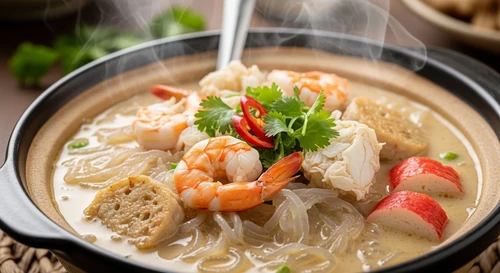
Imagine a simple bowl of Banh Canh (thick noodle soup) or a vibrant plate of Goi (salad). A sprinkle of finely chopped dried shrimp transforms them. It’s the secret ingredient that elevates the everyday into something truly special. But this magic is delicate. Its potent flavor and distinct aroma are a testament to its natural oils and compounds, which can degrade or spoil if not stored properly.
Heritage Ingredient
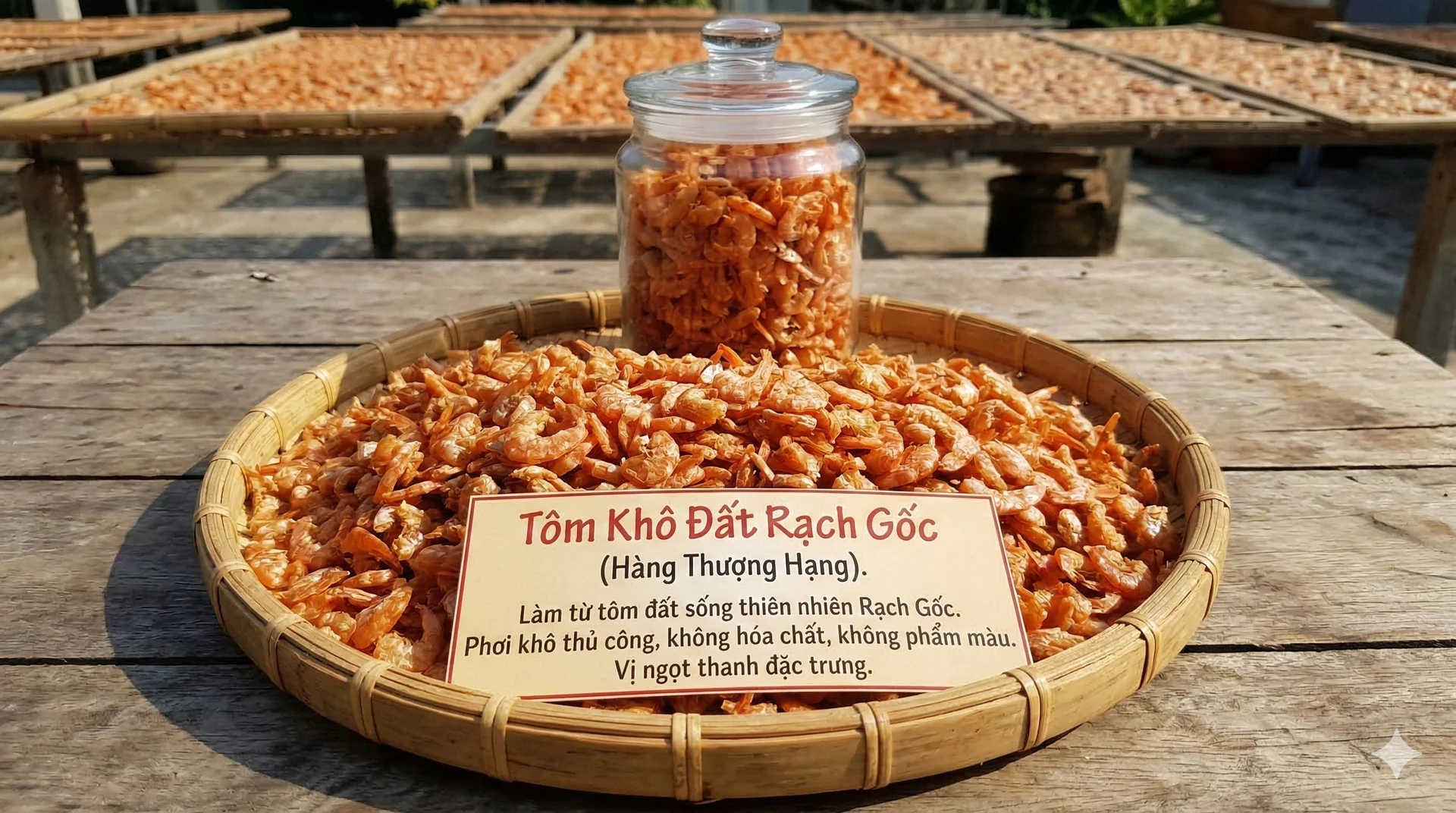
Sun-Dried Wild Shrimp from Rach Goc
Sun-Dried Wild Shrimp from Rach Goc
Traditional dried shrimp made from small wild shrimp, valued for natural sweetness and commonly used in Vietnamese salads, soups, and festive dishes.
Concentrated sunlight and sea salt in every bite, these crimson gems offer a deep, umami sweetness that whispers tales of Rach Goc's golden shores.
The Flavor Profile
Dried shrimp offer an intense umami punch, a concentrated sweetness, and a slightly briny finish. The smaller, wild-caught varieties often have the most complex flavor.
2 The Foes of Flavor Preservation
Before we talk solutions, let's understand the problems. Dried shrimp, despite their dryness, still contain residual moisture and natural oils. These are prime targets for hungry microscopic invaders and chemical reactions.
Molds
Given warmth and humidity, mold spores will happily set up shop. This is the most common culprit for spoilage, often appearing as fuzzy green, white, or black patches.
Mites & Pests
Tiny insects (like warehouse beetles or mites) can infest dried goods if not properly sealed. They can ruin the texture and flavor.
Oxidation
Exposure to air and light causes the natural oils to oxidize. This leads to rancidity, an unpleasant 'off' flavor, and a dulling of the vibrant orange color.
The goal, then, is to create an environment hostile to these threats. This means minimizing moisture, blocking air and light, and keeping the product at a consistently cold temperature.
3 Your Defense Strategy
There are a few reliable methods, each with its own advantages. The key is always creating a barrier against the elements.
The Gold Standard: Vacuum Sealing
- Method: Use a vacuum sealer machine to remove all air from a food-grade bag containing the dried shrimp.
- Why it Works: This is the most effective method for eliminating oxygen, which prevents oxidation and deters pests. It also keeps out moisture.
- Best Practice: Ensure the shrimp are completely dry before sealing. Even a little residual moisture can cause problems over time.
The Old School Charm: Newspaper Wrap & Freezer
- Method: Wrap the dried shrimp tightly in several layers of newspaper. Then, place the wrapped bundle inside a heavy-duty freezer bag or an airtight container.
- Why it Works: Newspaper is surprisingly effective at absorbing any latent moisture and acts as a light barrier. The freezer provides the crucial cold temperature.
- Best Practice: Use fresh newspaper (not recycled) and ensure the outer layer is truly airtight to prevent freezer burn and absorption of odors.
4 Cold is King
While vacuum sealing or newspaper wrapping are excellent barriers, the true hero of long-term preservation for dried shrimp is temperature. The colder, the better.
The Freezer: Your Best Friend
For maximum longevity and to preserve that beautiful, natural orange color, the freezer is your ultimate destination. When properly sealed, dried shrimp can last for up to 6 months, sometimes even longer, in the freezer. The extreme cold halts all biological activity (mold, mites) and significantly slows down oxidation.
The Refrigerator: A Temporary Stay
If you plan to use the dried shrimp within a few weeks, a tightly sealed container in the refrigerator is acceptable. However, condensation can still be an issue, and the lifespan will be considerably shorter, perhaps 1-2 months at best. Always ensure the container is completely airtight to minimize exposure to fridge odors and moisture.
5 The Pre-Storage Ritual
Before you even think about sealing or wrapping, preparation is key. This is where many people slip up, leading to spoilage.
✅ Ensure Absolute Dryness
🔍 Inspect for Quality
6 Releasing the Flavor
When you're ready to bring that Mekong magic back to your kitchen, retrieval is simple.
If using vacuum-sealed shrimp from the freezer, let them come to room temperature first. If using the newspaper method, unwrap them and let them air out for a few minutes.
For most recipes, you'll want to rehydrate them slightly. A quick soak in warm water for 10-15 minutes is usually enough. Drain them well before chopping or using them whole. The soaking water, while not as potent as the shrimp themselves, carries some flavor and can be added to broths or sauces for an extra layer of depth.
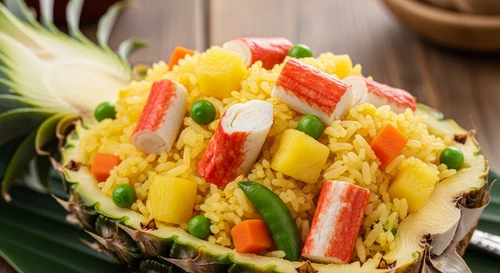
From adding depth to a savory Cơm Chiên (Fried Rice), providing a textural contrast in a refreshing Goi Du Du (Green Papaya Salad), or forming the savory base of a complex Banh Canh broth, your carefully stored dried shrimp will continue to be a star ingredient.
7 From the Markets of Ca Mau
In the bustling, often water-bound markets of the Mekong Delta, you'll see mounds of dried shrimp displayed proudly. Vendors understand the value of their product and the importance of keeping it fresh. They often sell smaller quantities, encouraging frequent purchases. For larger amounts, they’ll commonly use sturdy, multi-layered plastic bags, sealed by hand, and emphasize immediate consumption or transfer to a freezer at home.
The truly premium dried shrimp, especially the smaller, wild-caught varieties known for their intense sweetness, are often kept in very tight, almost industrial-grade plastic wraps and stored in cool, dark places. You might even see them displayed in less humid, air-conditioned shops within larger towns. The careful handling is a direct reflection of the respect these small but mighty ingredients command.
8 The Short & Sweet (and Salty) Guide
- Dry Them Out: Ensure shrimp are thoroughly dry before storage.
- Seal Out Air: Vacuum sealing is best. Otherwise, multiple layers of newspaper in an airtight container work well.
- Go Cold: The freezer is ideal for long-term storage (up to 6 months) and color preservation.
- Refrigerate Temporarily: For short-term use (weeks), a well-sealed container in the fridge suffices.
- Inspect & Rehydrate: Check for quality, and rehydrate before use to bring back their potent flavor.