1 The Call of the Mangroves: Understanding Ba Khia
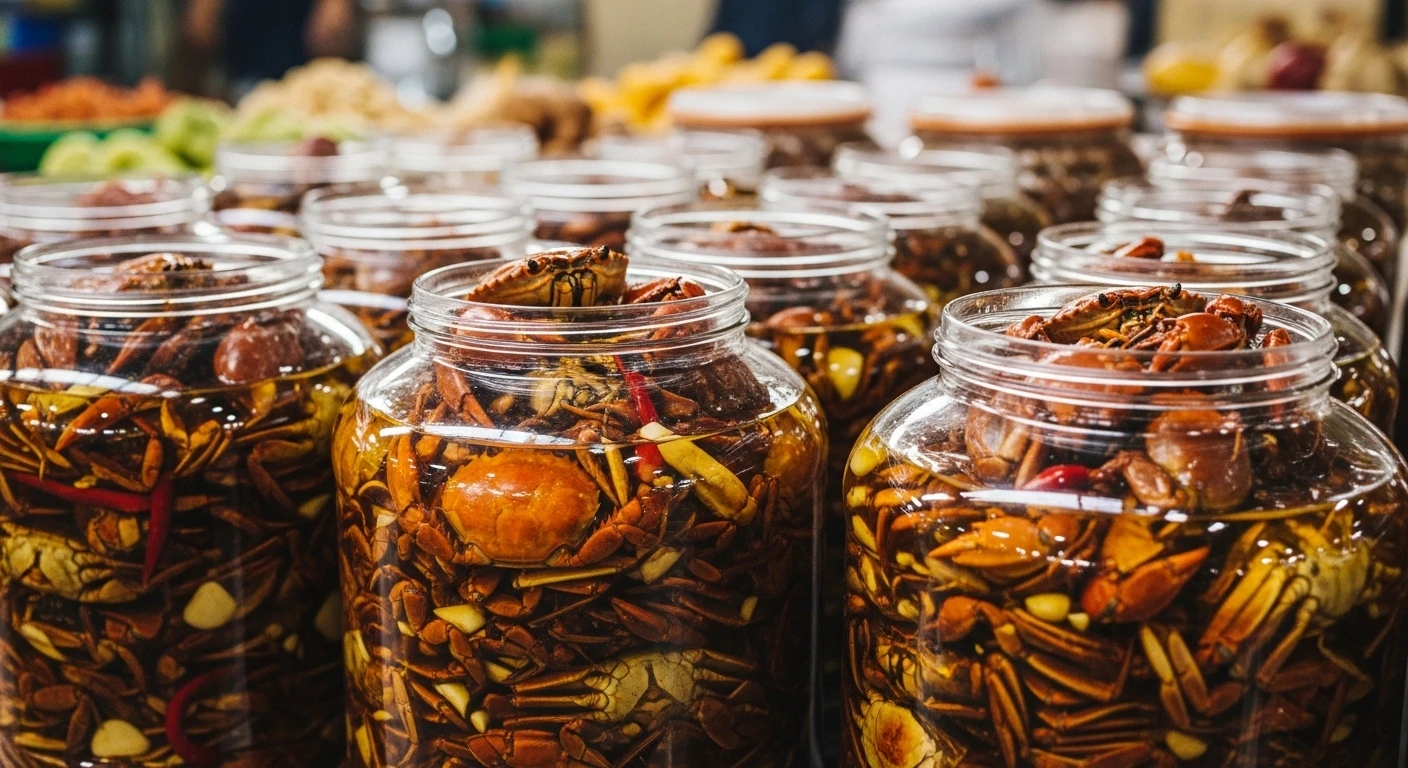
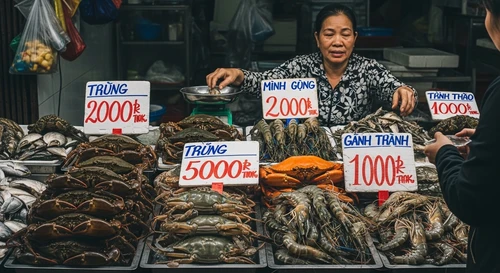
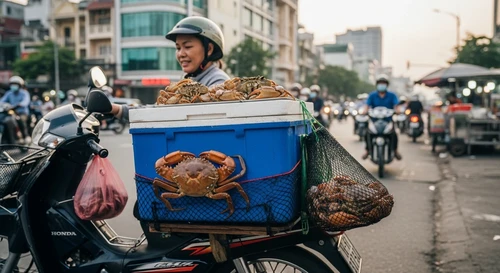
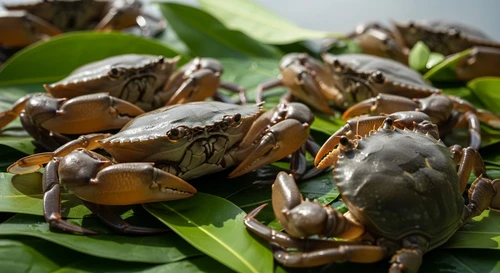
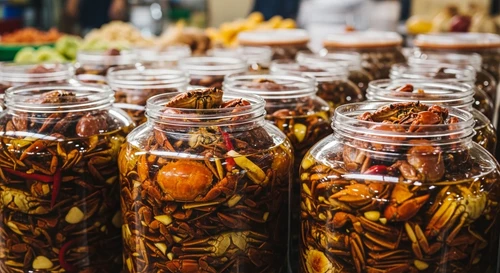
📸 The bounty of the brackish waters: A common sight in Western Vietnamese markets.
Venture into the heart of Vietnam’s Mekong Delta, where life pulses to the rhythm of its intricate waterways. Here, nestled within the protective embrace of dense mangrove forests, a tiny, tenacious crustacean becomes a culinary icon: Ba Khia, the fermented mangrove crab. These aren't the hefty mud crabs of Ca Mau, destined for steaming or grilling. Ba Khia are smaller, more numerous, and their magic lies in a centuries-old art of preservation.
Salted and fermented, often with potent chili and pungent garlic, Ba Khia transforms into a flavor bomb – a salty, sour, and subtly sweet delight that defines rustic Southern Vietnamese cuisine. For the adventurous traveler, understanding the market prices is key to unlocking this authentic taste directly from the source. Forget tourist traps; this is about connecting with the real deals in bustling local markets.
This guide isn't just about numbers; it’s a glimpse into the livelihood of the coastal communities and the flow of goods in vibrant Western Vietnamese hubs like Rach Gia, Ca Mau, or the smaller towns along the Hau River.
2 Where the Deals Are Made: Key Market Hubs
The wholesale price of Ba Khia isn't uniform across the Delta. Like any commodity, it's influenced by supply, demand, season, and geographical proximity to the harvesting grounds. For bulk buyers and savvy tourists seeking the best value, focusing on specific regions known for Ba Khia production and trade is paramount.
Coastal Provinces: The Epicenter
Regions like Ca Mau (especially areas near the coast and mangrove-rich districts like Dam Doi or Ngoc Hien), Bac Lieu, and Soc Trang are prime locations. These provinces have direct access to the mangrove ecosystems where Ba Khia are caught. You'll find primary processing and wholesale activities here.
The specific specialty product, Ba Khia Rach Goc, hails from the coastal communes of Tan Thuan, Tan Trieu in Dam Long (Cam Long), Phu My (Phu Tan) in Phu Tan District, Ca Mau Province. This is where some of the most traditional and highly-regarded fermentation processes occur.
Inland Trading Posts
While coastal areas are primary, larger inland cities like Rach Gia (Kien Giang Province) and even parts of Can Tho act as distribution hubs. Prices here might be slightly higher due to transportation costs but offer convenience and a wide selection from various suppliers.
Local markets within these cities, particularly those specializing in dried and preserved goods, are excellent places to inquire. Don't shy away from asking vendors about their sourcing and "gia si" (wholesale prices).
3 The Pricing Matrix: What to Expect (Current Estimates)
This is where it gets practical. Wholesale prices are typically quoted per kilogram (kg) or per large jar. It’s crucial to remember these are estimates and can fluctuate. Always bargain respectfully, especially when buying in larger quantities.
Small Ba Khia (Juicy/Roe-rich)
₫70,000 - ₫120,000 / kg
(Approx. $2.80 - $4.80 USD)
Medium Ba Khia (Balanced)
₫100,000 - ₫180,000 / kg
(Approx. $4.00 - $7.20 USD)
Large Ba Khia (Meaty/for direct eating)
₫150,000 - ₫250,000 / kg
(Approx. $6.00 - $10.00 USD)
*Prices are indicative and subject to market fluctuations, season, and seller. Larger wholesale quantities may secure better rates.
When buying by the jar, a standard large jar (around 1kg nett weight of crab) might range from ₫80,000 to ₫200,000 depending on the crab size, quality, and the vendor’s reputation.
4 The Currents of Commerce: Factors Affecting Price
Seasonality: The Crab's Cycle
Ba Khia populations fluctuate naturally. The peak season typically runs from the late rainy season into the dry season (roughly August to February), when the mangroves are most productive. Outside these months, supply may dwindle, pushing prices up. Lunar New Year is also a high-demand period.
Quality & Preparation: More Than Just Salt
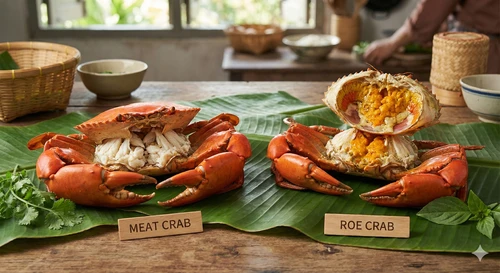
The taste of Ba Khia is heavily influenced by the fermentation process. Jars made with fresh, high-quality crabs, well-balanced brine, and aromatic additions like garlic, chili, and a touch of sugar command higher prices. Artisanal, small-batch producers often charge more for their superior product. The presence of roe (gạch) in female crabs also adds value.
The Source: Direct vs. Middleman
Buying directly from fishermen or small processing units in remote coastal areas will almost always yield the best prices. As Ba Khia move through distributors and reach larger city markets, each layer adds a markup.
Demand & Export Trends
While Ba Khia is largely a domestic delicacy, any uptick in demand for export or from high-end restaurants within Vietnam can influence wholesale figures. The rise of gourmet preserved seafood in Vietnam means premium Ba Khia is increasingly sought after.
An Example: The Authentic Jar
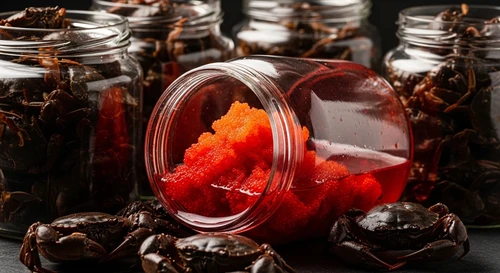
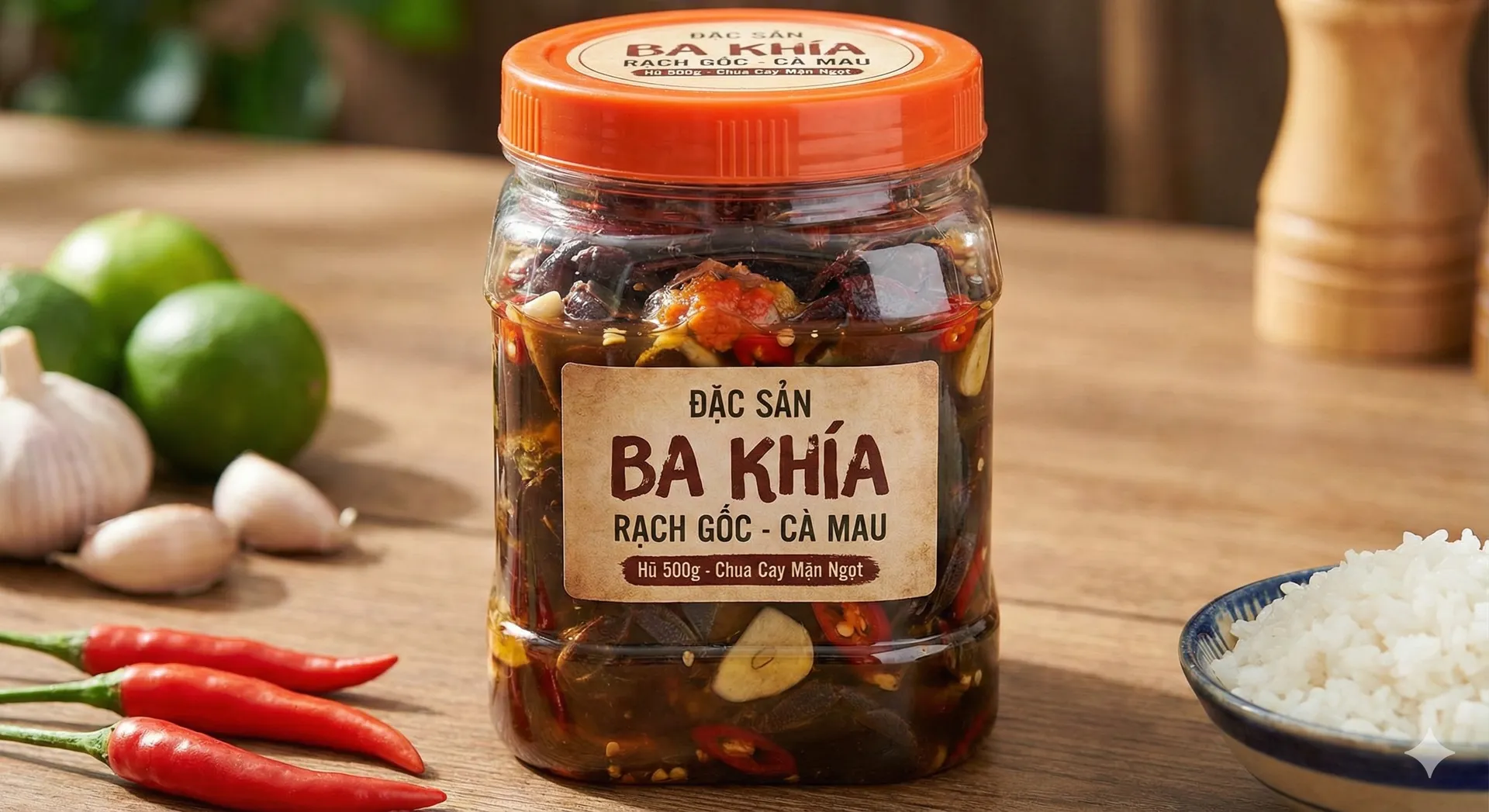
To give you a visual, here's an example of the kind of authentic Ba Khia you might find, ready to be savored.
Heritage Ingredient
Fermented Mangrove Crab (Ba Khia)
Fermented Mangrove Crab (Ba Khia)
A traditional fermented crab specialty from the mangrove region of Rach Goc, often cited in articles about rustic Mekong Delta flavors and preserved seafood culture.
The salty-sour heartbeat of the wild south, where traditional fermentation turns forest crabs into a nostalgic explosion of rustic Mekong soul.
This traditional preparation captures the essence of the Mekong Delta's coastal culinary heritage.
6 Navigating the Market: Insider Tips
🗣️ Speak a Little Vietnamese
🤝 Build Relationships
🧐 Inspect Before You Buy
⚖️ Compare Prices
7 Beyond the Price Tag: The Taste of the Delta
So, what do you do with these tangy, salty morsels? Ba Khia are traditionally eaten with rice, often accompanied by fresh herbs, sliced chili, lime, and sometimes boiled pork belly. The intense flavor is a perfect counterpoint to plain steamed rice. They are also fantastic in salads, particularly with shredded green papaya or unripe mango.
Experiencing Ba Khia is more than just a meal; it’s an immersion into the authentic flavors and resilient spirit of the Mekong Delta's coastal communities. Understanding the wholesale prices empowers you to engage with this tradition more deeply and affordably.

When you’re next in the Mekong Delta, armed with this knowledge, seek out these markets. Engage with the vendors, savor the complex flavors, and know you’re tasting a true piece of this unique region.
8 Dive Deeper into Mekong Flavors
The Mekong Delta is a treasure trove of unique seafood and preserved goods. If Ba Khia has piqued your interest, you might also want to explore other local specialties.
Fermented Shrimp Pastes (Mắm)
From the pungent Mắm Tôm to the sweet and tangy Mắm Chua, these fermented pastes are the soul of many Southern Vietnamese dishes. They offer a complex umami that is utterly addictive.
Dried Seafoods
Sun-dried shrimp, fish, and even small crabs are staples, preserving the bounty of the sea for leaner times or for use in flavorful broths and salads.