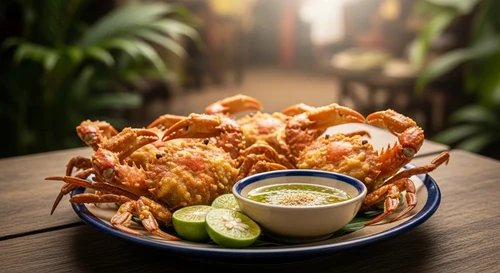
1 The Grind of Mekong Mobility
The Mekong Delta, a sprawling labyrinth of waterways and fertile land, is the engine of Vietnam’s seafood production. But getting that bounty from the source – the brackish waters of Ca Mau or the coastal markets of Ben Tre – to the bustling streets of Ho Chi Minh City is a complex logistical ballet. For many, especially in the post-pandemic era, traditional market stalls have given way to a more agile, mobile approach. The humble motorbike, ubiquitous in Vietnamese cities, transforms into a vibrant, rolling market stall.
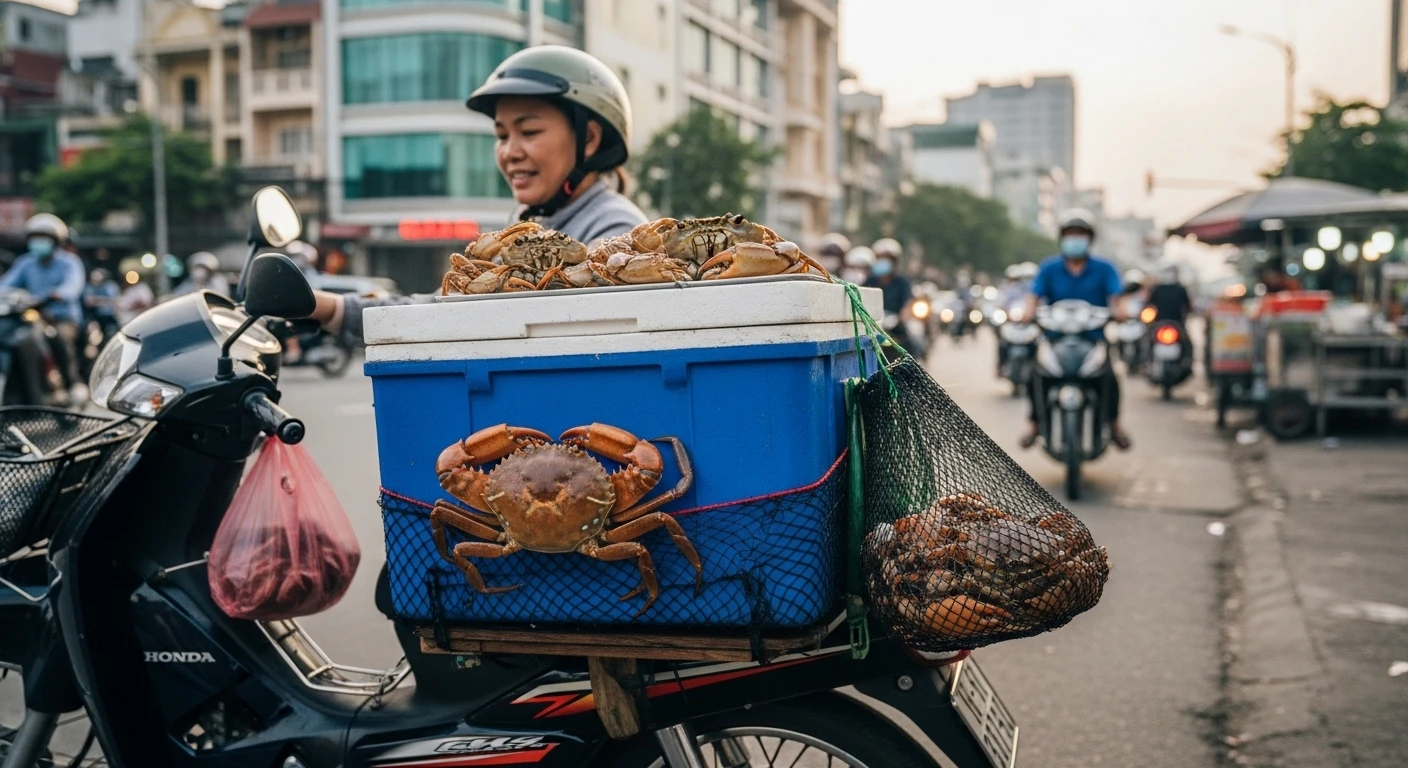
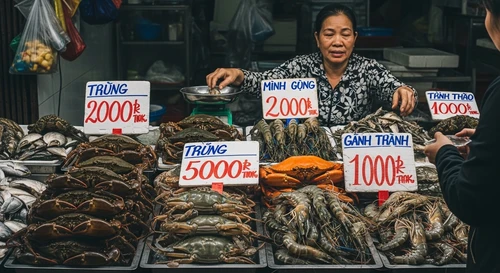
📸 A mobile fishmonger's setup, showcasing the day's catch.
Picture this: dawn breaks, not over rice paddies, but over the smoky haze of a city still waking up. The air is thick with the promise of the day’s trade. These vendors, often women, are the unsung heroes of Saigon's informal economy. They navigate traffic, weather the heat, and face constant competition, all to bring the freshest seafood directly to consumers’ doorsteps or street corners. Their vehicles, laden with insulated boxes or netted live catches, become temporary hubs of commerce.
This isn't just about selling crabs. It's about a micro-enterprise, a direct connection between producer and consumer, bypassing layers of middlemen. It’s a testament to resilience and the entrepreneurial spirit that defines urban Vietnam. The economics are stark: buy low at the source, sell at a reasonable markup on the street, and survive another day.
2 The Crab Economy: From Mud to Motorbike
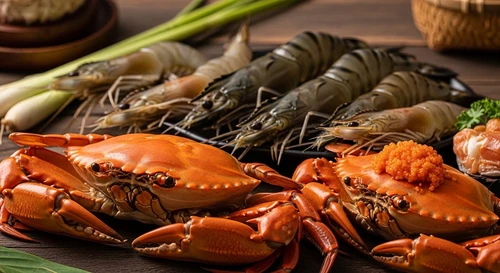
The star of this particular show is often the mud crab, particularly the prized varieties from the southern provinces like Ca Mau. These aren't just any crabs; they are a symbol of the Mekong's rich biodiversity and the livelihoods it supports. Understanding the economics means understanding the crab itself.
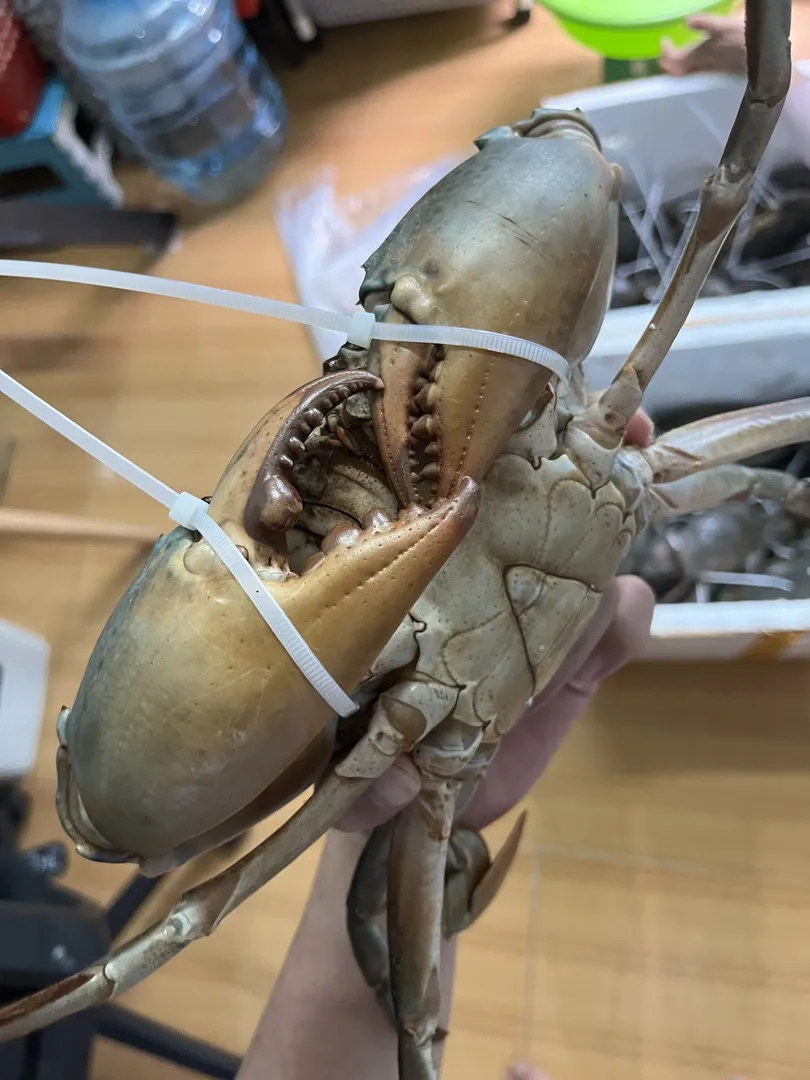
Heritage Ingredient
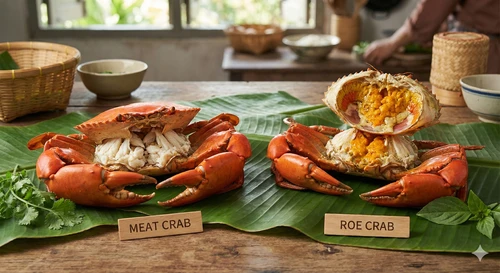
Ca Mau Jumbo Mud Crab
Ca Mau Jumbo Mud Crab
A large male mud crab prized for dense, sweet meat and thick claws, commonly used in steamed crab and grilled crab dishes across the Mekong Delta.
An icon of coastal culinary heritage, featuring firm, sweet meat that captures the raw power and freshness of Ca Mau's tides.
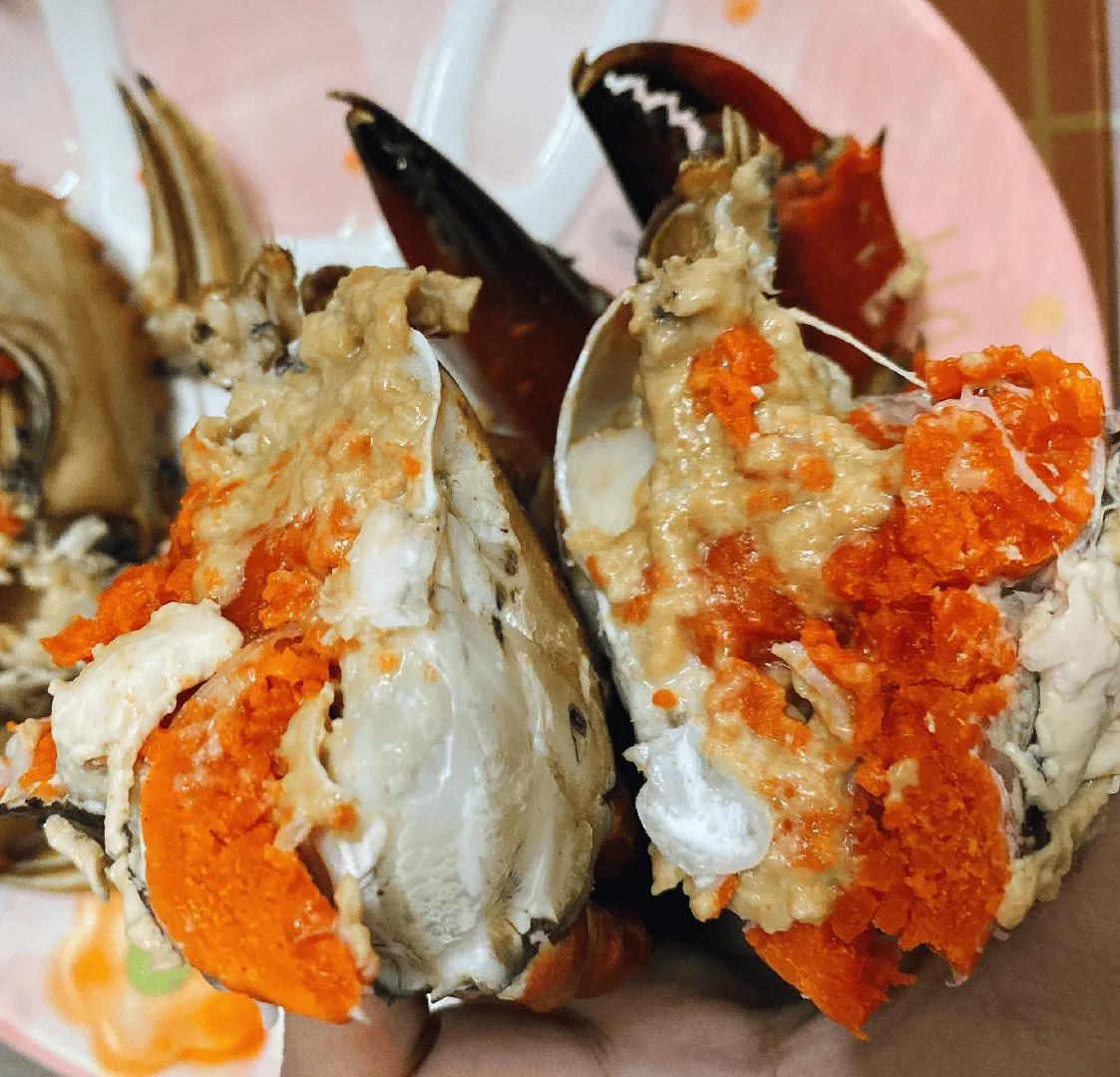
Heritage Ingredient
Ca Mau Roe Mud Crab
Ca Mau Roe Mud Crab
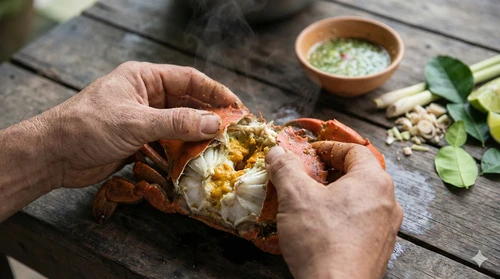
A female mud crab known for deep orange roe and a rich, creamy finish, often featured in celebratory Southern Vietnamese seafood meals.
A crimson treasure hidden within a shell, boasting rich, creamy roe that melts on your tongue like a golden sunset over the delta.
The purchase price of these crabs fluctuates wildly, depending on the season, catch volume, and demand. Vendors typically wake before dawn to reach the wholesale seafood markets or directly engage with fishermen. They’ll inspect the crabs rigorously: checking for active movement, the firmness of the shell, and for roe crabs, the richness and color of the 'roe' (the orange, fatty substance). A good vendor develops an eye for quality, a skill honed over years of experience.
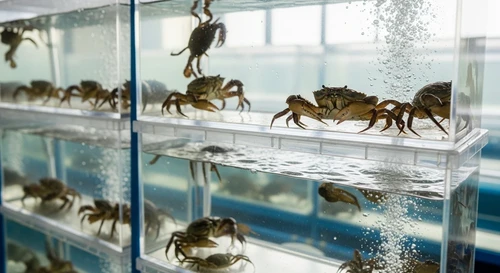
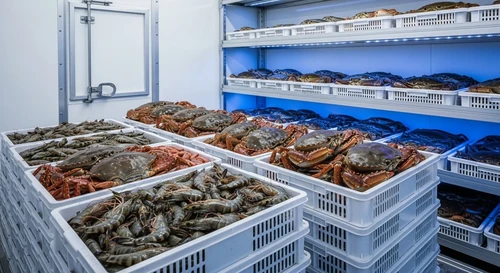
The motorbike allows them to carry a more substantial, live inventory than a simple basket. Often, crabs are kept in mesh bags or small, aerated containers attached to the bike. The travel time is crucial; prolonged journeys can stress or kill the crabs, significantly impacting their value. This is where the "just-in-time" nature of this gig economy truly shines. They are mobile, adaptable, and always chasing the freshest catch.
The markup on crabs sold from a motorbike can be higher than in a traditional market, justifying the vendor’s effort and risk. They offer convenience, a personal touch, and often, a more controlled environment for live seafood than a crowded, open-air market. Consumers trust the vendor’s ability to select good quality product, sometimes even before it hits the more chaotic traditional outlets.
3 The Street as a Marketplace
Ho Chi Minh City’s streets are its circulatory system, and these mobile vendors are essential to its flow. They don't operate from fixed addresses but rather patrol specific routes or set up at known intersections during peak hours – morning, lunch, and evening. Their arrival is often announced by a cheerful call, a ringing bell, or simply the sight of their colorful, laden motorbikes.
The interaction is brief, transactional, yet remarkably human. A nod of recognition, a quick assessment of the available crabs, a haggle over price – it’s a dance of commerce as old as time. For the vendor, their motorbike is more than just a vehicle; it’s their shop floor, their inventory storage, and their brand. The way they arrange their catch, the cleanliness of their setup, even their demeanor, all contribute to their reputation and ability to attract repeat customers.
This informal market plays a crucial role in the local economy, providing flexible employment and a vital supply chain link. It’s a scene deeply ingrained in the fabric of daily life in Saigon, a constant hum of activity that fuels the city's vibrant street food culture.
4 Navigating the Currents: Challenges & Opportunities
The life of a mobile seafood vendor is far from easy. The challenges are numerous:
- Competition: From other mobile vendors to established wet markets and supermarkets, the market is crowded.
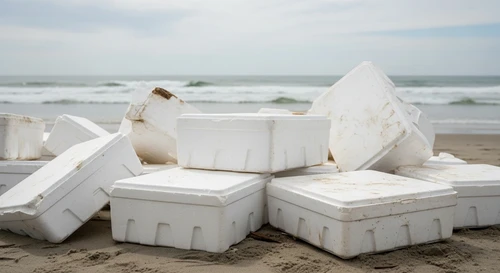
- Logistics: Maintaining the freshness of live seafood, especially during hot weather, requires constant effort and often, investment in insulated containers.
- Weather: Sudden downpours can halt business instantly and damage stock.
- Regulations: While often tolerated, informal street vending can face pressures from local authorities.
- Price Volatility: The unpredictable nature of the seafood market means profit margins can shrink overnight.
However, there are significant opportunities, especially in the current economic climate. The demand for convenient, fresh seafood delivered directly to homes remains high. These vendors are agile, capable of adapting their routes and offerings based on neighborhood demand. Some might specialize, focusing on specific types of crabs or shellfish, building a loyal customer base through consistency and quality.
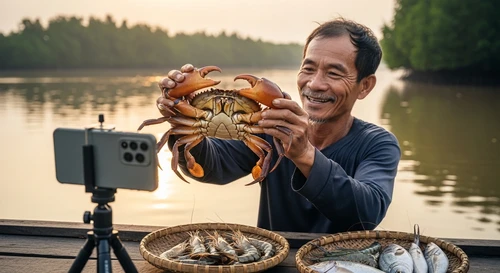
The rise of social media, even in its simplest form, has also begun to impact this sector. Vendors with a bit of tech-savviness might use Facebook groups to announce their daily location or offer pre-orders, bridging the gap between the traditional street-level hustle and the digital age. This informal gig economy, driven by the resourceful use of a motorbike, is a microcosm of Vietnam's dynamic economic landscape.
5 More Than Just Food: The Cultural Tapestry
In the Mekong Delta, crabs are more than just sustenance; they are woven into the cultural fabric. From celebratory meals to humble family dinners, crabs are a beloved delicacy. The traditional preparation methods often highlight their natural sweetness, a direct reflection of the pristine waters they inhabit.
When these crabs reach the city streets via a motorbike vendor, they bring with them a piece of that Delta heritage. A customer buying crabs from a street vendor isn't just purchasing an ingredient; they're connecting with a tradition, a livelihood, and a taste of home for many who have migrated from the countryside.
Consider the ubiquitous 'Ba Khia', a type of fermented mangrove crab popular in the southern regions. While perhaps not the primary focus for a motorbike vendor in the city, it represents the diverse spectrum of crab consumption in Vietnam, from fresh market catches to preserved delicacies.
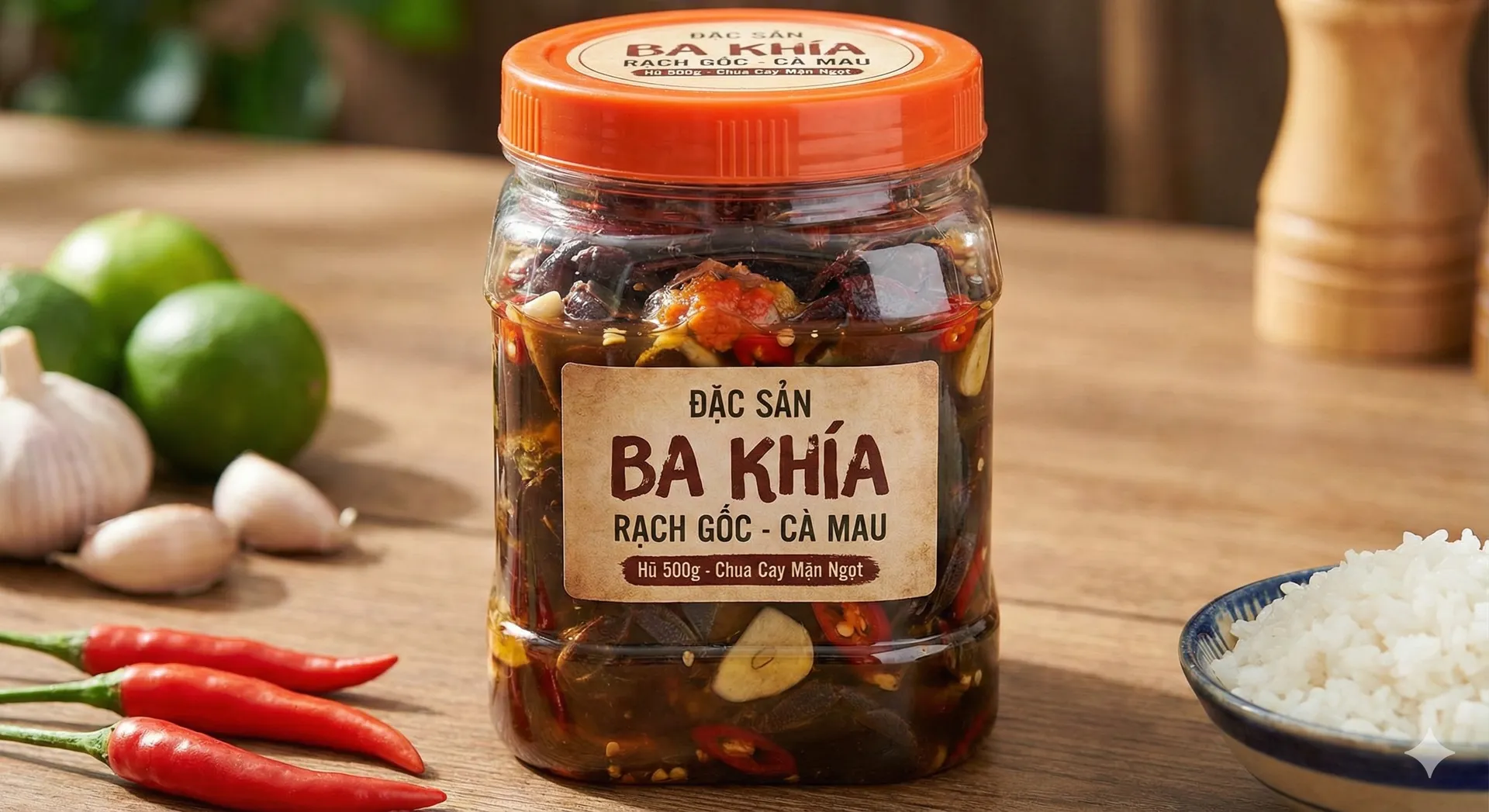
Heritage Ingredient
Fermented Mangrove Crab (Ba Khia)
Fermented Mangrove Crab (Ba Khia)
A traditional fermented crab specialty from the mangrove region of Rach Goc, often cited in articles about rustic Mekong Delta flavors and preserved seafood culture.
The salty-sour heartbeat of the wild south, where traditional fermentation turns forest crabs into a nostalgic explosion of rustic Mekong soul.
The economic act of selling mud crabs from a motorbike is, therefore, a deeply cultural one. It's about family, tradition, the land and water that sustain them, and the relentless drive to make a living in one of Southeast Asia's most vibrant metropolises.
6 The Future of Mobile Markets
The landscape of commerce is constantly evolving. While the motorbike market has been a steadfast fixture, future trends might see further integration with technology. Beyond basic social media announcements, imagine apps that connect vendors directly with consumers, offering real-time location tracking and pre-ordering for specific catches.
There's also a growing interest in traceable, sustainable seafood. Mobile vendors, who often have direct relationships with their suppliers, are well-positioned to offer this. Customers are increasingly asking about provenance – where the crabs came from, how they were farmed or caught. This presents an opportunity for these entrepreneurs to differentiate themselves and potentially command higher prices for premium, ethically sourced seafood.
Ultimately, the economics of selling mud crabs from the trunk of a motorbike is a story of adaptability, resourcefulness, and the enduring human connection in commerce. It’s a vibrant, often overlooked, segment of the economy that keeps the city fed and connected to the lifeblood of the Mekong Delta.