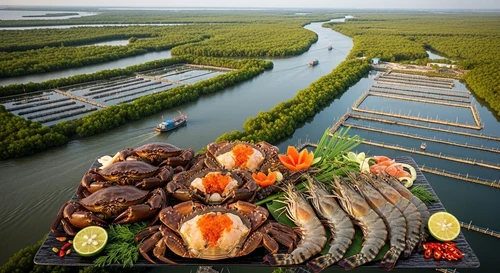
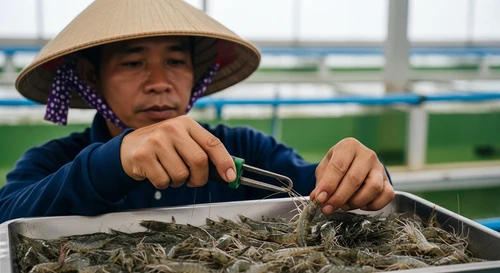
" The air hangs thick in the Mekong Delta, not just with humidity, but with a certain hush. It’s July, or as the locals know it, Ghost Month. And for the seafood vendors, this is the season of the great purge – the price plunge. "
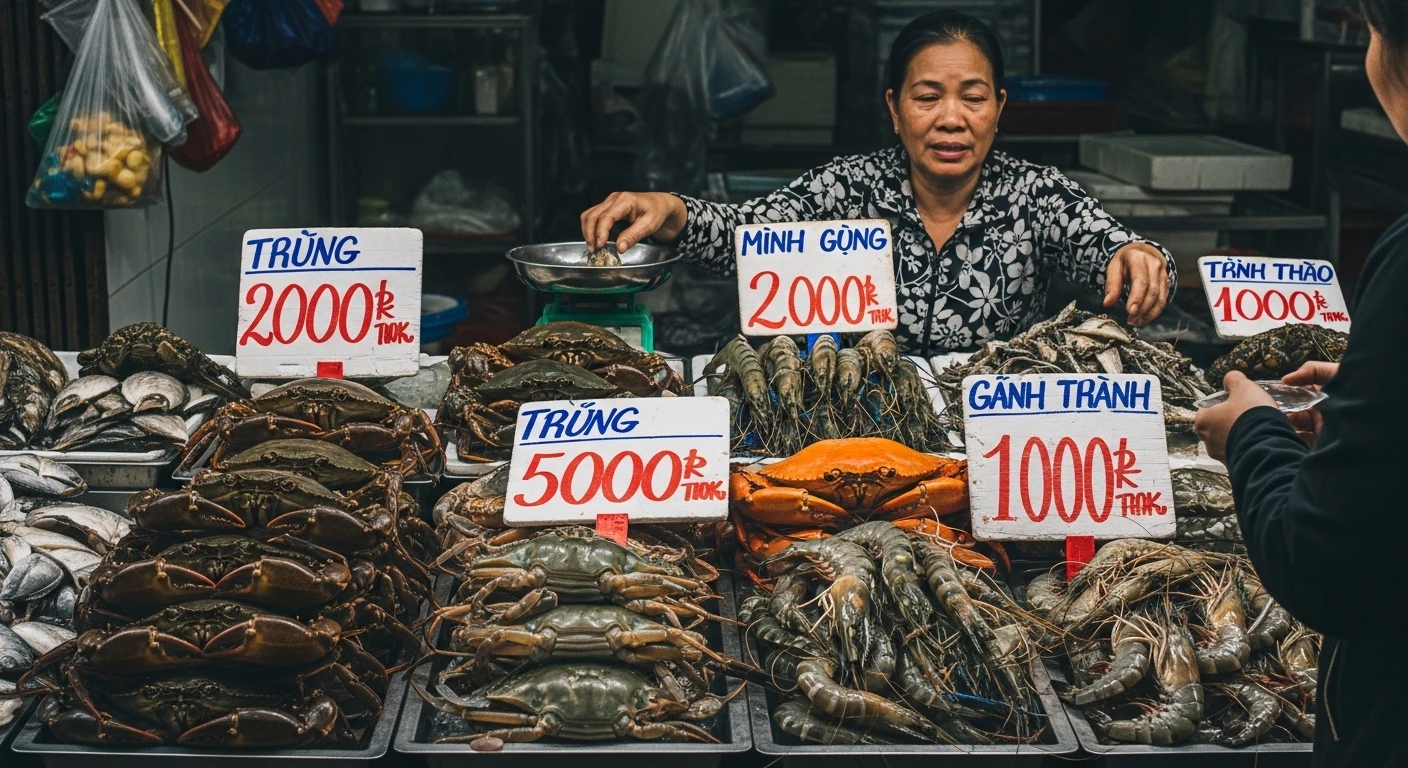
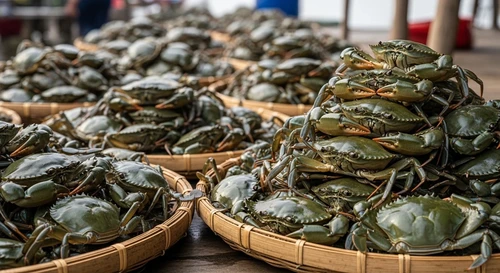
📸 A visual of the market during a 'slow' period, where vendors adapt.
1 The Veil of Ghost Month
The seventh month of the lunar calendar is known across many East Asian cultures, including Vietnam, as Tết Trung Nguyên (Vietnamese Wandering Souls Day) or more commonly, the Ghost Month. This is a period when it's believed that the gates of hell open, allowing spirits to roam the mortal realm. For many deeply superstitious individuals, this translates to a conscious decision to avoid new ventures, major purchases, and, crucially for our story, dining out or consuming extravagant foods.
The logic, deeply ingrained, suggests that spending money on luxurious items or celebratory meals during this time might attract unwanted spiritual attention or invite misfortune. Seafood, particularly premium catches like plump mud crabs from Ca Mau or succulent black tiger shrimp, often falls into the category of 'indulgent' or 'luxurious' food. The cultural weight of this tradition is undeniable, creating a tangible ripple effect felt from the smallest riverside stall to the bustling provincial markets.
Imagine the vibrant cacophony of a Mekong Delta seafood market – the calls of vendors, the glistening sheen of fresh catch, the humid air thick with brine. Now, picture that energy dialling down, the usual boisterous trade softening. This isn't just a slight dip in business; for many, it's a significant downturn, impacting livelihoods that depend on consistent sales.
2 The Mekong Delta's Pulse: A Livelihood on the Water
The Mekong Delta, a sprawling labyrinth of rivers, canals, and rice paddies, is Vietnam's agricultural and aquacultural heartland. For generations, life here has revolved around the water. The bountiful seafood – from the famed Ca Mau mud crabs, prized for their dense, sweet meat, to the freshwater prawns that ply the rivers – forms the backbone of countless communities. These aren't just ingredients; they are the fruits of hard labor, the currency of family sustenance, and a source of immense regional pride.
Vendors in these markets are not mere sellers; they are custodians of a rich culinary heritage. They understand the nuances of their catch, the best way to prepare it, and the traditions that surround it. When Ghost Month arrives, it challenges this very rhythm of life. The usual steady flow of income can dwindle to a trickle, putting immense pressure on families who rely on daily sales to survive. It’s in these moments of cultural constraint that their adaptability and ingenuity truly shine.
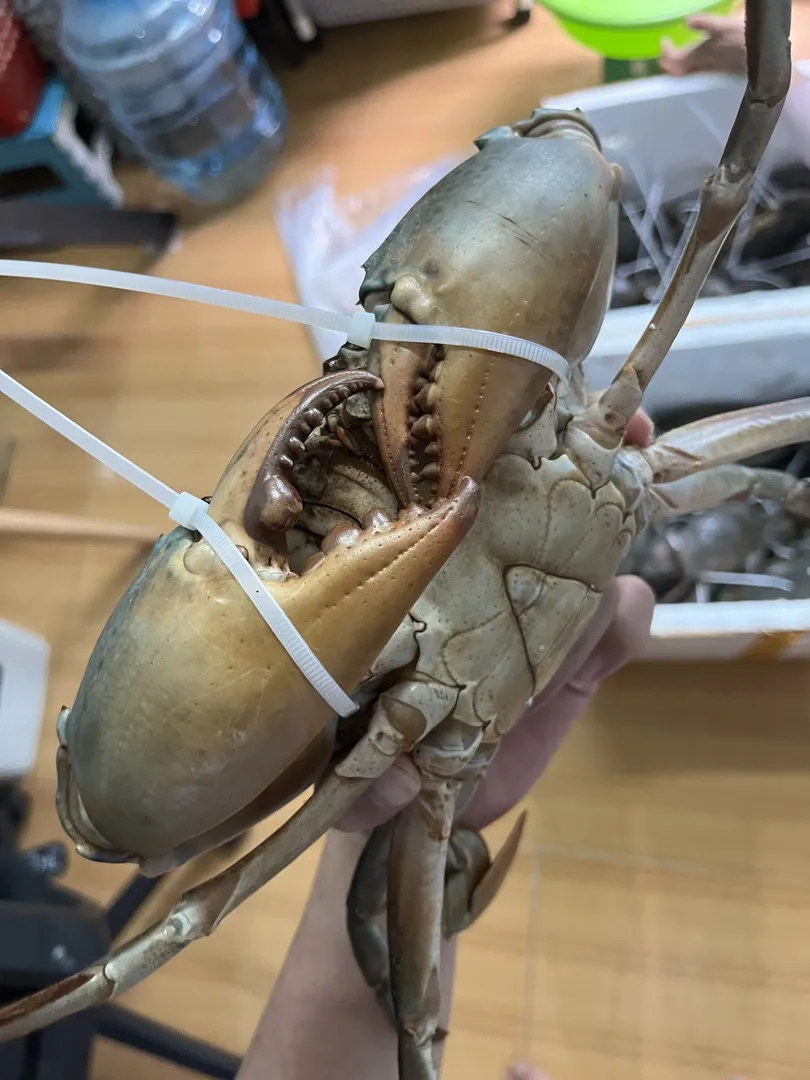
Heritage Ingredient
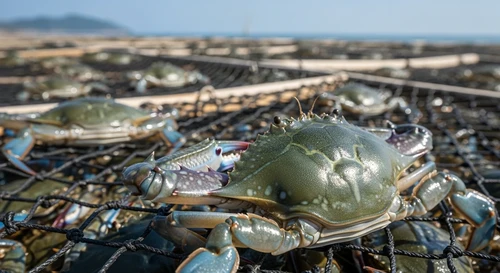
Ca Mau Jumbo Mud Crab
Ca Mau Jumbo Mud Crab
A large male mud crab prized for dense, sweet meat and thick claws, commonly used in steamed crab and grilled crab dishes across the Mekong Delta.
An icon of coastal culinary heritage, featuring firm, sweet meat that captures the raw power and freshness of Ca Mau's tides.
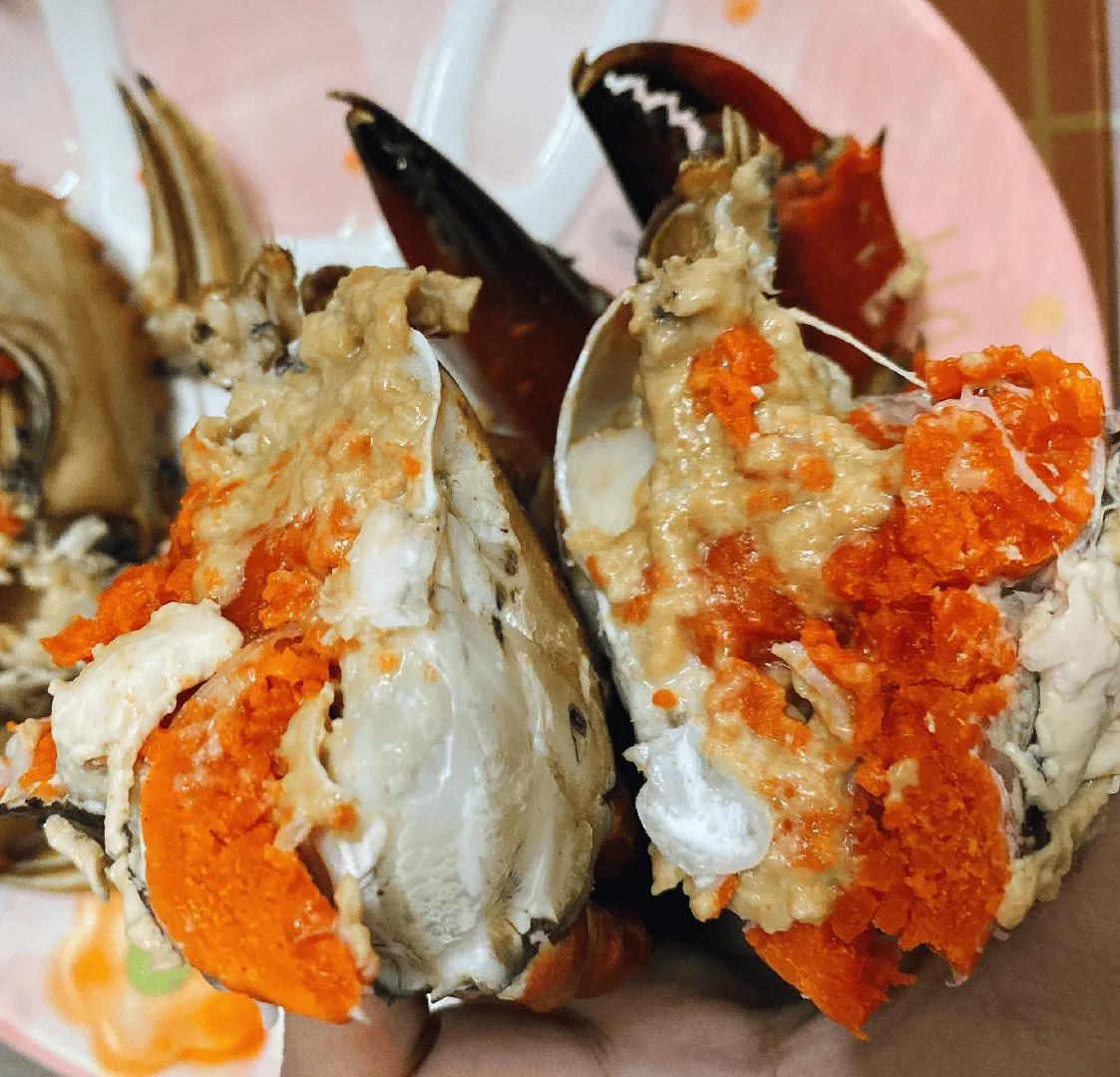
Heritage Ingredient
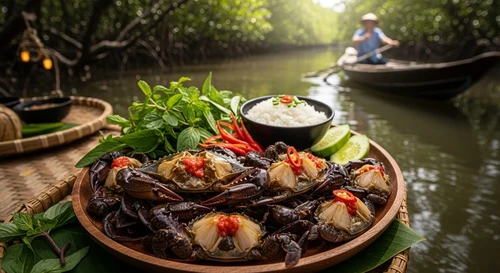
Ca Mau Roe Mud Crab
Ca Mau Roe Mud Crab
A female mud crab known for deep orange roe and a rich, creamy finish, often featured in celebratory Southern Vietnamese seafood meals.
A crimson treasure hidden within a shell, boasting rich, creamy roe that melts on your tongue like a golden sunset over the delta.
3 The Strategy: Price Crash and Flash Sales
Faced with dwindling demand and the grim reality of perishable goods, vendors have developed a time-tested survival strategy: deep price cuts. This isn't a gentle negotiation; it's often a dramatic markdown, a "flash sale" designed to move inventory before it spoils.
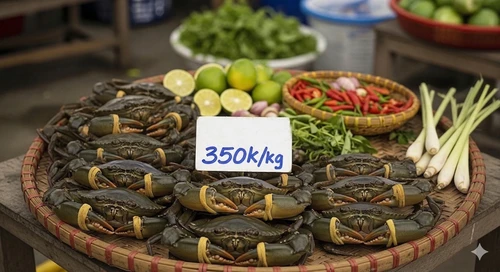
You'll see signs that would be unthinkable just weeks before. The prized Ca Mau Jumbo Mud Crab, usually a premium offering, might see its price slashed by 30%, 40%, or even more. This isn't about profit maximization anymore; it's about breaking even, covering costs, and ensuring that the day's catch doesn't go to waste. The goal is simple: convert high-value, rapidly perishable stock into cash, however small the margin.
These aren't advertised events in the Western sense, with banners and marketing campaigns. Instead, they are organic, word-of-mouth affairs. A vendor might shout out a special price to passersby, or a group of locals might gather, sensing an opportunity. The atmosphere shifts from polite browsing to a more urgent, albeit still friendly, transaction.
4 The Consumer's Gain (and the Vendor's Gamble)
For the savvy local consumer, Ghost Month presents a rare opportunity. It's a chance to procure top-quality seafood at prices that are typically only seen during massive festivals or unusual market gluts. Families might stock up, preserving seafood for the rest of the month, or simply enjoy a more luxurious meal than usual, all while navigating the cultural sensitivities.
However, it's a high-stakes gamble for the vendors. They are essentially betting on demand materializing at rock-bottom prices. If their flash sales don't attract enough buyers, they face the heartbreaking prospect of discarding unsold product. This can mean a significant financial loss, compounding the already reduced income from lower sales volumes. It’s a delicate balancing act between adhering to cultural norms and ensuring their livelihood.
5 Beyond the Haul: Adaptive Retail in the Delta
This phenomenon is a fascinating case study in adaptive retail strategy driven by cultural influence. It highlights how deeply traditions can impact even the most fundamental economic activities. The vendors aren't just selling fish; they are navigating a complex socio-economic landscape.
Beyond simple price slashing, some vendors employ other tactics:
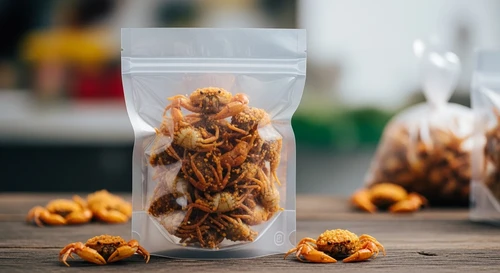
- Focusing on 'Safe' Seafood: Certain types of seafood, like dried shrimp or fermented crab products (Ba Khia), are preserved and might be perceived as less susceptible to "bad luck" as they are not live catches for immediate consumption. They might shift their inventory focus.
- Promoting Value-Added Products: Pre-marinated or semi-prepared seafood dishes might be offered at attractive prices, encouraging consumers to buy ready-to-cook meals that fit their reduced dining-out budget.
- Leveraging Community Networks: Word-of-mouth is paramount. Vendors rely on long-standing relationships with their customers to spread the word about their flash sales.
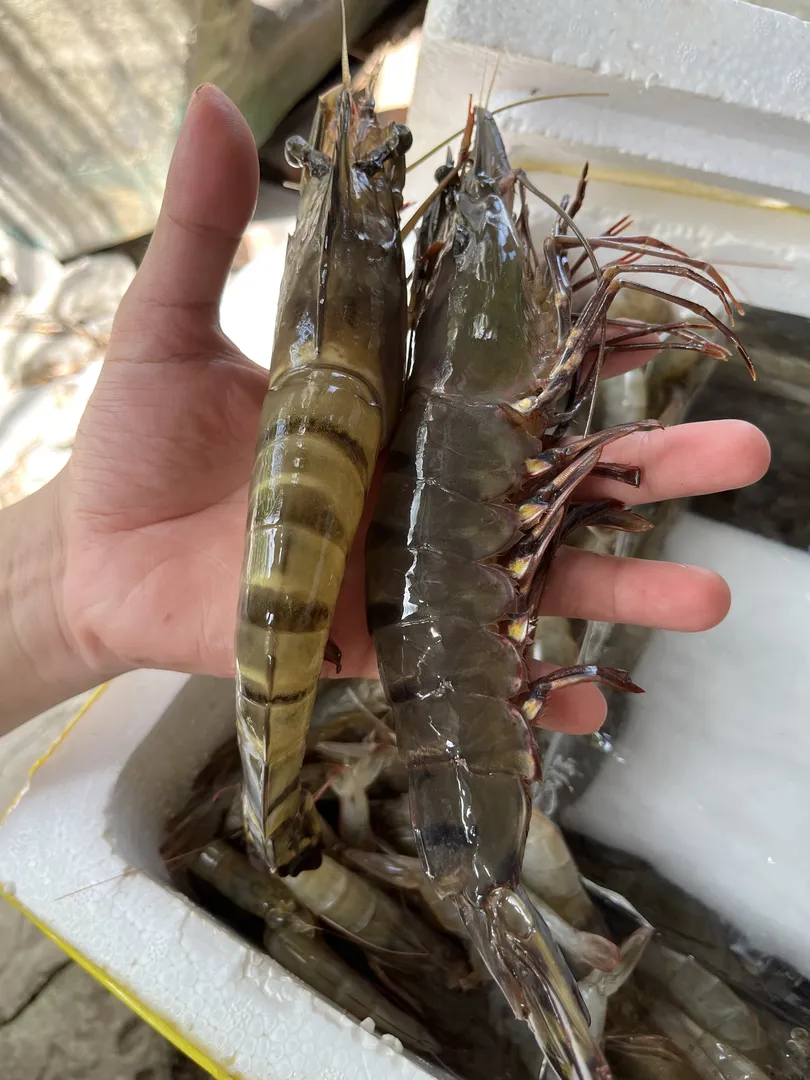
Heritage Ingredient
Ca Mau Black Tiger Shrimp
Ca Mau Black Tiger Shrimp
Large black tiger shrimp associated with mangrove aquaculture in Ca Mau, known for firm flesh and a cleaner, sweeter finish than intensively farmed shrimp.
Wild spirits of the mangroves, these black-banded gems deliver a firm, snappy texture and a sweetness that echoes the forest's vibrant life.
6 The Cultural Core: Respect and Resilience
The Ghost Month sales slump is more than just a market fluctuation; it's a testament to the enduring power of cultural beliefs in shaping daily life. It underscores the Vietnamese respect for the spiritual realm and the practical ways communities adapt to these deeply held traditions.
While the economic impact is significant for vendors, the underlying cultural narrative is one of respect. The fear of misfortune is real, but so is the ingenuity and resilience of the people of the Mekong Delta. They find ways to navigate these periods, turning a challenge into an opportunity for both consumers and, by necessity, themselves. The waters of the Mekong continue to teem with life, and as soon as the seventh lunar month draws to a close, the markets will rebound, the prices will stabilize, and the vibrant pulse of seafood commerce will beat strong once more.
7 Navigating the Mekong Markets as a Visitor
If you find yourself in the Mekong Delta during Ghost Month, this period offers a unique, albeit quieter, window into local life. You'll witness:
- A Softer Pace: Markets might be less crowded, offering a more relaxed atmosphere to observe and interact.
- The Art of the Deal: You might witness these flash sales firsthand, a fascinating cultural practice in action.
- Local Insights: Engage with vendors (with respect for their traditions) and learn about their strategies. Many are happy to share their stories.
- Culinary Opportunities: For the adventurous, this is a prime time to sample high-quality seafood at an exceptional value. Be mindful of local customs, but don't shy away from the delicious opportunities.
Remember that while vendors slash prices to move inventory, showing genuine interest and respect for their livelihood will always be appreciated. A simple smile and a nod can go a long way.
8 The Aftermath: The Bounce Back
As the seventh lunar month concludes, the 'gates' close, and the spiritual veil lifts. The change is palpable. Vendors, often visibly relieved, can begin to trade at more stable, profitable prices. The usual vibrant energy returns to the markets, and the demand for the Mekong's rich seafood bounty springs back. This annual cycle, though challenging, is an integral part of the region's economic and cultural calendar, showcasing the deep interplay between belief, livelihood, and the unyielding spirit of the Mekong people.
More Market Insights?
Discover the chaotic beauty of the floating markets, the lifeblood of the Mekong.
🛶 Explore Floating Markets