" The Mekong Delta's mangrove crabs are a treasure. But like any treasure, they can be counterfeited. Beware the fake roe, the vibrant red that hides a dangerous secret. "
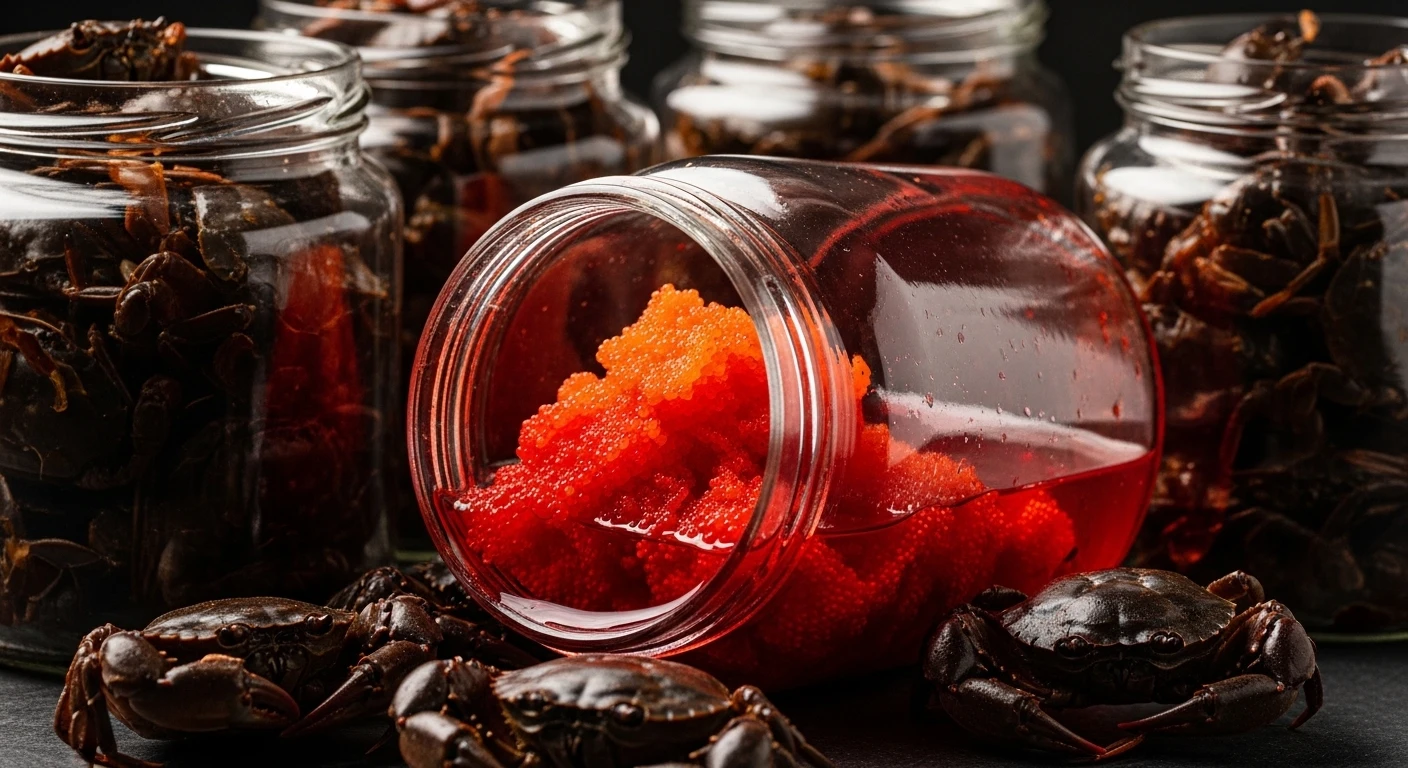
📸 A warning sign: The unnatural, overpowering red of industrial dye.
1 The Temptation of Ba Khia
In the watery embrace of the Mekong Delta, especially in the coastal provinces like Ca Mau and Bac Lieu, Ba Khia – small, fermented mangrove crabs – are more than just food; they are a taste of home, a symbol of resourcefulness. Harvested from brackish waters and preserved in a salty brine, these little crustaceans offer a pungent, sour, and deeply savory experience that’s addictive. The real magic, for many connoisseurs, lies in the rich, orange roe that swells within the females. This prized roe, often described as creamy and intensely flavorful, is what scammers are attempting to mimic.
The appeal of Ba Khia is undeniable. The satisfying crunch of the shell, the explosion of umami, the perfect counterpoint to a simple bowl of rice or a refreshing beer. It's a rustic, unpretentious delicacy that speaks volumes about the region's bounty and culinary heritage.
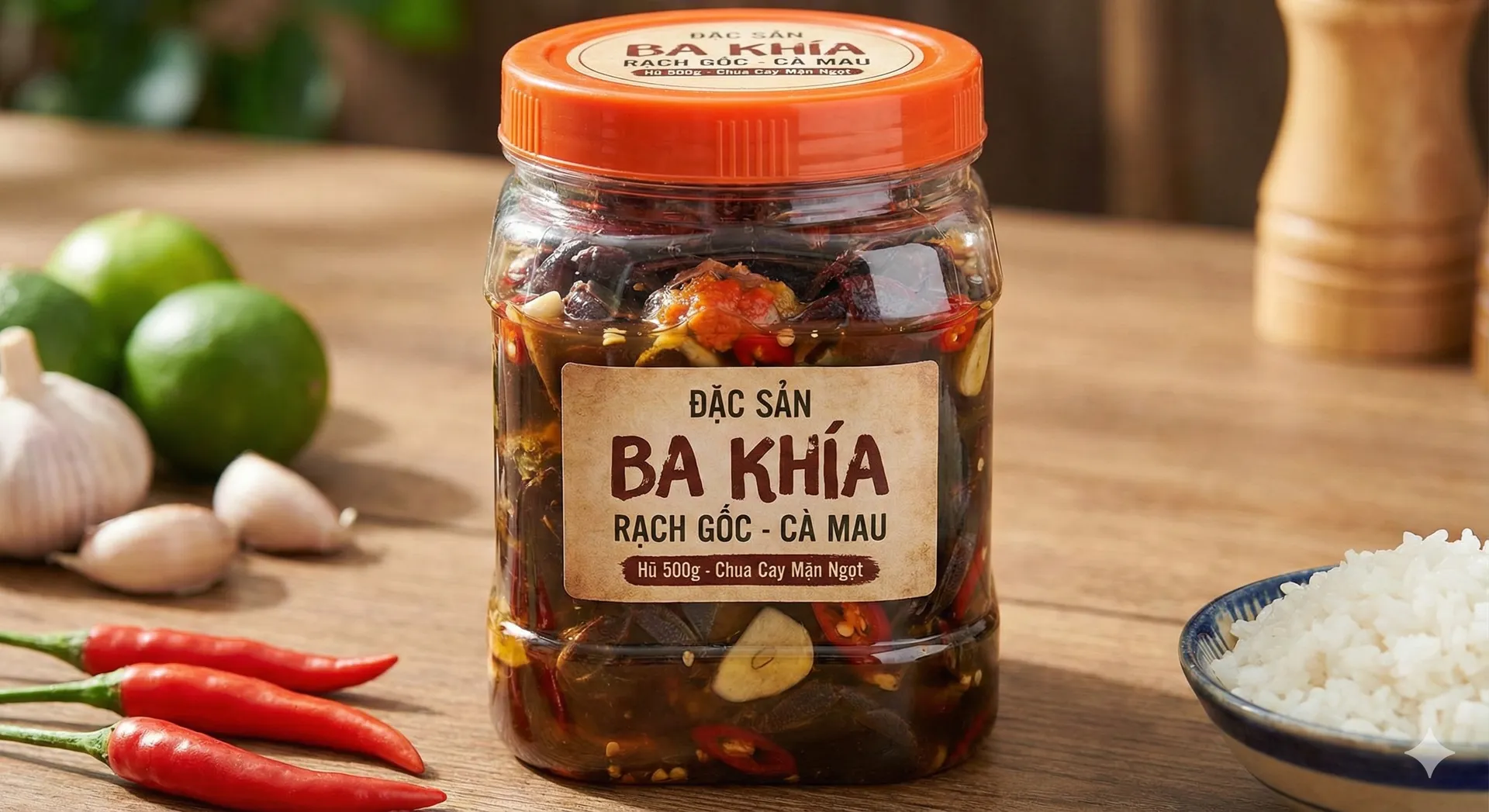
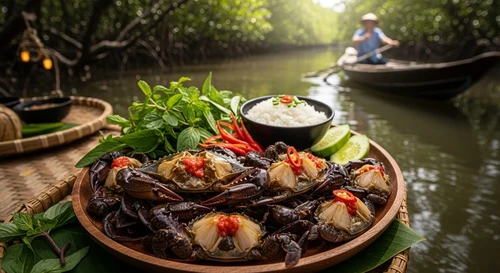
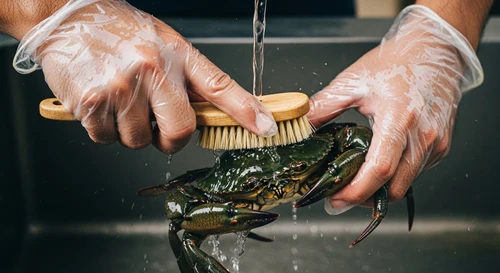
Heritage Ingredient
Fermented Mangrove Crab (Ba Khia)
Fermented Mangrove Crab (Ba Khia)
A traditional fermented crab specialty from the mangrove region of Rach Goc, often cited in articles about rustic Mekong Delta flavors and preserved seafood culture.
The salty-sour heartbeat of the wild south, where traditional fermentation turns forest crabs into a nostalgic explosion of rustic Mekong soul.
2 The Sinister Deception: Industrial Dyes
The warning from food safety authorities is stark and urgent: some unbranded jars of salted Ba Khia, particularly those appearing at lower price points or in less reputable markets, are being doctored. Instead of relying on the natural, deep orange hue of genuine crab roe, unscrupulous vendors are using industrial red food coloring. This isn't just about faking the appearance; it's about using chemicals that are not approved for human consumption and can be toxic.
These dyes, often derived from non-food-grade sources, can contain heavy metals and other harmful substances. When ingested, they can lead to a range of health issues, from stomach upset and allergic reactions to long-term damage to organs like the liver and kidneys. The vibrant, unnatural red color is a key indicator that something is amiss. Real crab roe, while beautiful, possesses a nuanced, earthy orange tone, not a garish, almost fluorescent hue.
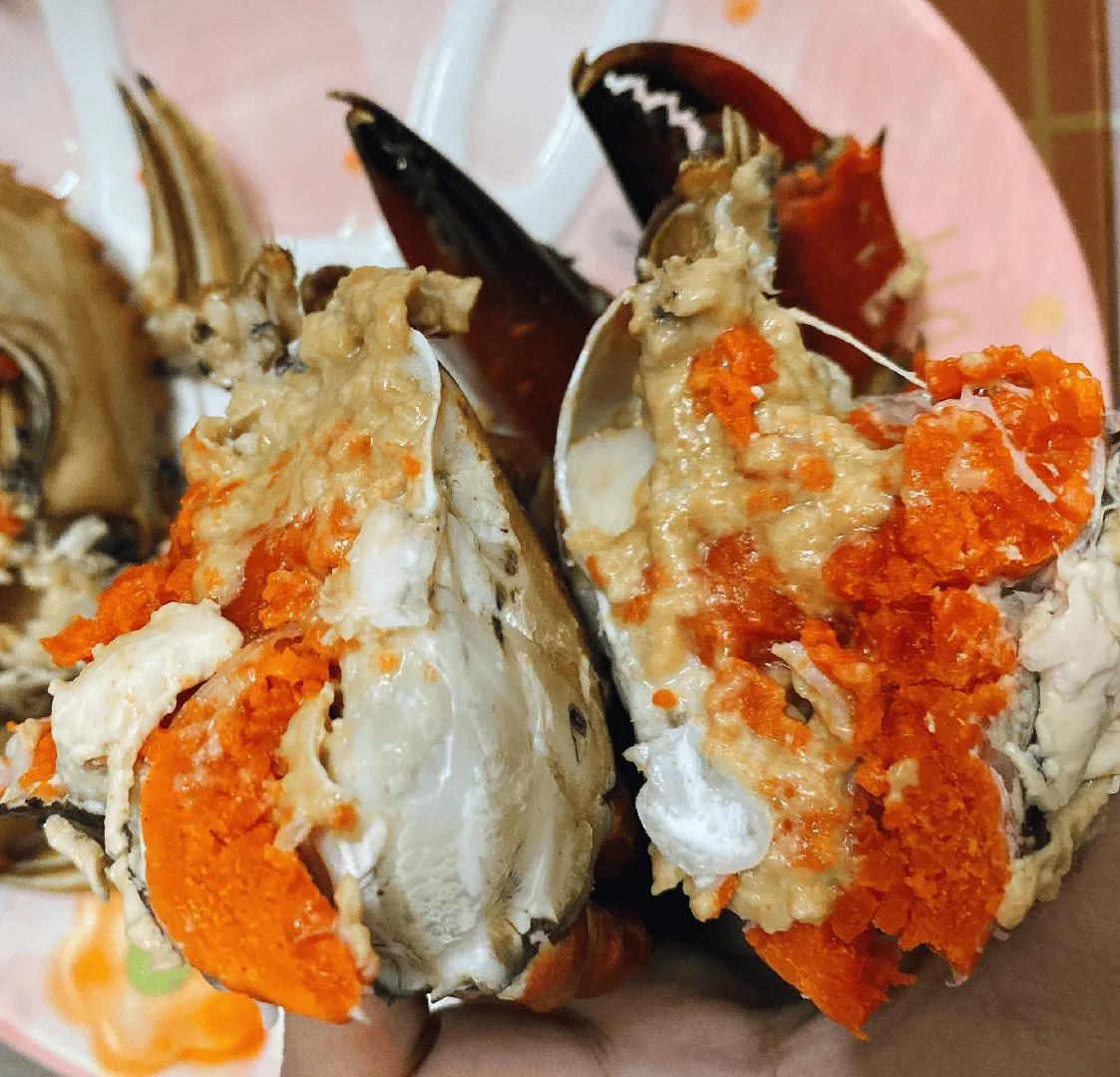
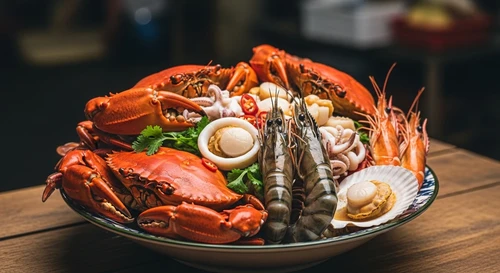
Heritage Ingredient
Ca Mau Roe Mud Crab
Ca Mau Roe Mud Crab
A female mud crab known for deep orange roe and a rich, creamy finish, often featured in celebratory Southern Vietnamese seafood meals.
A crimson treasure hidden within a shell, boasting rich, creamy roe that melts on your tongue like a golden sunset over the delta.
3 The Mekong Context: A Battle for Authenticity
The Mekong Delta, with its sprawling network of rivers, canals, and coastal mangroves, is the lifeblood of Vietnam's seafood production. The region is renowned for its high-quality crabs, shrimp, and fish. This abundance, however, also makes it a prime location for both genuine artisanal products and, unfortunately, fraudulent ones.
Factors like the sheer volume of production, the presence of numerous small-scale harvesters and processors, and sometimes, a lack of stringent oversight at the local level, can create opportunities for deception. Consumers, especially those less familiar with the nuances of fresh vs. preserved seafood, can become easy targets. The drive for profit, coupled with the difficulty of distinguishing naturally colored roe from dyed substitutes without expert knowledge, fuels this illicit trade. It's a stark reminder that even in food paradises, vigilance is necessary.
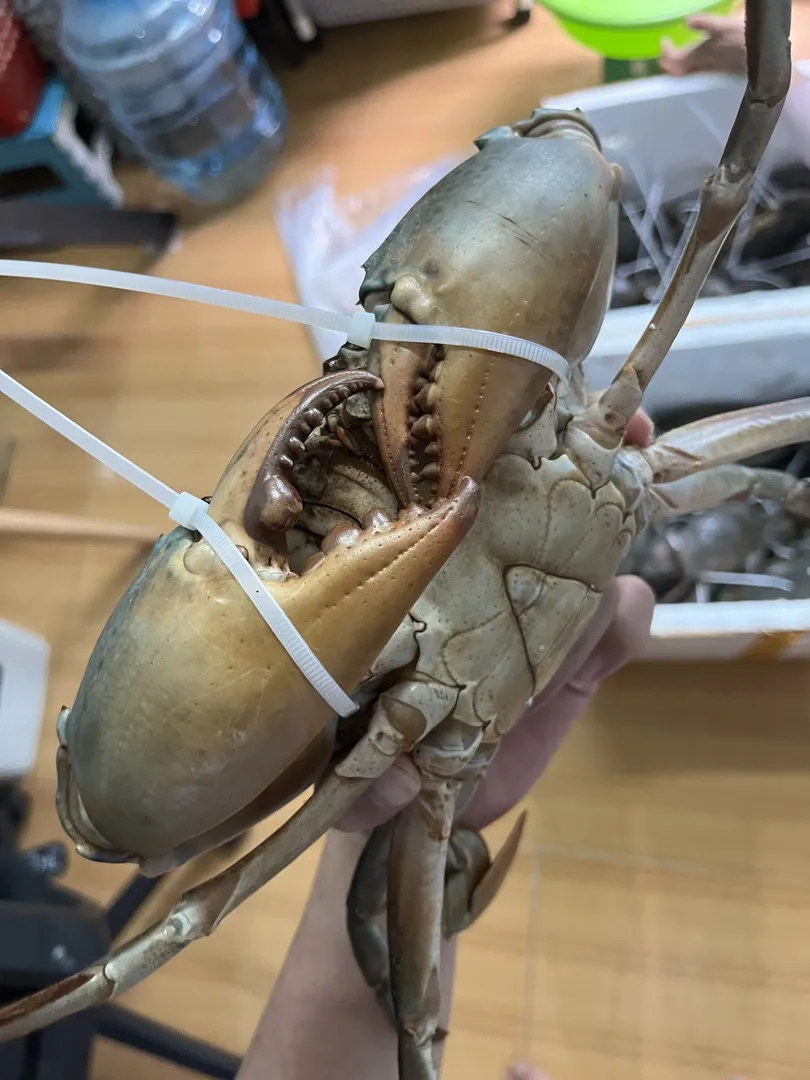
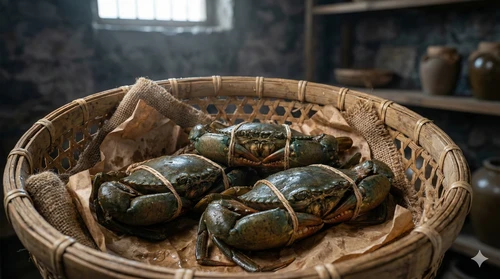
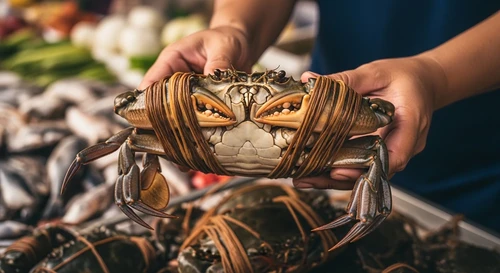
Heritage Ingredient
Ca Mau Jumbo Mud Crab
Ca Mau Jumbo Mud Crab
A large male mud crab prized for dense, sweet meat and thick claws, commonly used in steamed crab and grilled crab dishes across the Mekong Delta.
An icon of coastal culinary heritage, featuring firm, sweet meat that captures the raw power and freshness of Ca Mau's tides.
4 Your Red Flag Checklist
Color Clues
- Unnatural Vibrancy: Does the red look too bright, too uniform, or almost fluorescent? Real roe has natural variations in shade and texture.
- Staining: If the liquid in the jar is excessively red and stains everything it touches with that same intense hue, be suspicious.
Packaging & Price
- Unbranded/Generic Jars: Legitimate producers often invest in branded packaging. Look for clear labeling and manufacturer information.
- Suspiciously Low Price: If it seems too good to be true, it often is. Authentic products typically reflect the quality and effort involved.
5 Safeguarding Your Health & Supporting Authenticity
Your purchasing power is a potent tool. By being informed and making conscious choices, you can protect yourself and contribute to a more honest food market.
When Buying
- Buy from Reputable Sources: Opt for well-known brands or trusted vendors, especially when purchasing specialty items like salted crabs.
- Inspect Carefully: Look for the red flags mentioned above. If something feels off, trust your instincts and walk away.
- Inquire About Origins: Don't hesitate to ask vendors about where the product comes from and how it's processed.
When You Suspect Fraud
- Report It: If you encounter suspicious products, report them to local food safety authorities or consumer protection agencies. This helps them take action against unscrupulous sellers.
- Spread the Word: Educate friends, family, and fellow travelers about the dangers of counterfeit food products.
6 Preserving the True Taste of the Mekong
The Mekong Delta's culinary landscape is rich with authentic flavors and time-honored traditions. Dishes like Ba Khia are not just meals; they are living heritage, passed down through generations. The practice of using toxic dyes to create artificial roe not only deceives consumers but also tarnishes the reputation of the region's genuine produce and the hard work of its legitimate producers.
By championing authenticity and rejecting counterfeit goods, we help preserve the integrity of Mekong Delta cuisine. It's about savoring the true, natural taste of the region's seafood, understanding its origins, and ensuring that the legacy of these incredible flavors continues for years to come.
7 The Natural Glow: What Real Roe Looks Like
When you encounter authentic Ba Khia with roe, you'll notice a difference. The color will be a deep, rich orange, sometimes with hints of red or yellow, but it will appear natural, not artificial. The texture of the roe itself is crucial – it should be slightly firm yet creamy, yielding a burst of flavor that is both savory and subtly sweet.
The brine in which authentic Ba Khia is preserved will be fragrant with aromatics like lemongrass, garlic, and chili, and possess a complex salty-sour profile. It won't be overwhelmingly pungent from harsh chemical dyes. True roe is a gift from nature, and its presence should enhance the dish, not be a garish imitation.
8 A Health and Trust Issue
This issue extends beyond just Ba Khia. The use of unapproved dyes in food products is a pervasive problem that erodes consumer trust and poses significant public health risks. It highlights the critical importance of robust food safety regulations, effective enforcement, and consumer awareness campaigns.
By staying informed, making educated purchasing decisions, and supporting businesses that prioritize quality and safety, we collectively create a demand for genuine products. This vigilance ensures that the vibrant and diverse culinary heritage of places like the Mekong Delta can be enjoyed safely and authentically.
Want to Know More About Safe Eating?
Explore other critical consumer alerts and food safety tips from across Vietnam and beyond.
💡 Read More Food Safety Alerts