Beyond the Floating Markets: The Silent Revolution in Vietnam's Shrimp Ponds
" The Mekong Delta, a labyrinth of rivers and canals, has long been synonymous with traditional fishing and aquaculture. For generations, life has ebbed and flowed with the tides, with farmers relying on natural cycles for their bounty. But a seismic shift is underway. In the sun-drenched ponds of provinces like Ben Tre and Soc Trang, a new era of aquaculture is dawning – one driven by science, technology, and an unwavering pursuit of yield. "
1 The Star of the Show: Litopenaeus vannamei
For decades, Black Tiger shrimp (Penaeus monodon) ruled the roost in Vietnamese aquaculture. Prized for its size and robust flavor, it was the backbone of exports. However, the introduction and widespread adoption of the Whiteleg shrimp, or Pacific white shrimp (Litopenaeus vannamei), has fundamentally reshaped the industry. Why the shift?
Growth & Feed Conversion
Vannamei shrimp are renowned for their rapid growth rates and superior feed conversion ratios (FCR). This means they turn feed into biomass more efficiently, leading to higher profitability.
Disease Resistance
While no species is immune, Vannamei shrimp generally exhibit better resistance to common aquaculture diseases compared to some traditional species, reducing crop losses.
Adaptability
They adapt well to a range of salinities and farming conditions, making them suitable for diverse environments within the Mekong Delta.
Market Demand
Global markets, particularly in the US and Europe, have a strong and consistent demand for Vannamei shrimp, driving production.
This adaptability and efficiency have made Vannamei the species of choice for the intensive farming models that are now dominating the landscape.
2 The High-Tech Trinity
Achieving yields of up to 100 tons per hectare isn't magic; it's the result of meticulously integrated technologies. Three pillars stand out:

Biofloc Technology (BFT)
This is the game-changer. BFT cultivates a symbiotic ecosystem of beneficial bacteria and algae within the pond water. These microbes consume organic waste (uneaten feed, shrimp feces) and convert it into protein-rich flocs that the shrimp can consume. This drastically reduces water exchange needs, minimizes waste discharge, and provides a supplementary protein source for the shrimp.

Lined Ponds
Instead of traditional earthen ponds, these farms use impermeable liners (typically high-density polyethylene or PVC). This prevents groundwater contamination, maintains water quality by preventing soil interaction, allows for precise water depth control, and makes pond cleaning more efficient. It creates a controlled environment, minimizing external environmental pressures.

Automated Aeration & Monitoring
Maintaining optimal dissolved oxygen (DO) levels is critical. Advanced systems use automatic aerators (paddlewheels, blowers) that adjust intensity based on real-time DO sensor readings. These systems also monitor other parameters like pH, temperature, and ammonia, feeding data to control units that ensure the shrimp are always in their ideal growing conditions.
This technological synergy creates a highly controlled, efficient, and sustainable farming environment.
3 The Rhythm of Production: A Three-Phase Cycle
Phase 1: Intensive Nursery & Early Grow-Out
The cycle begins with meticulously managed nursery ponds or raceways. Post-larvae (PL) are introduced into these controlled environments for the first few weeks. Here, water quality is paramount, and feed is highly specialized to promote rapid, healthy development. Aeration is constant, and the biofloc system is carefully established. This phase maximizes survival rates and ensures robust juveniles before they are transferred to the main grow-out ponds.
Key Focus: Survival, initial growth, system establishment.
Phase 2: Full Capacity Grow-Out
Once the shrimp reach a suitable size (often around 1-2 cm), they are transferred to larger, lined grow-out ponds. This is where the super-intensive model truly shines. With densities often exceeding 150-200 individuals per square meter, precise management is crucial. The automated systems monitor DO, ammonia, and other parameters 24/7. The biofloc constantly regenerates water quality, and feed is delivered via automated feeders precisely timed to shrimp demand. This phase is about maximizing growth and converting feed efficiently until harvest size is reached.
Key Focus: Rapid growth, feed efficiency, maintaining optimal conditions at high density.
Phase 3: Harvest and Pond Reset
Harvesting is typically done using seine nets. The entire pond is drained, and the shrimp are sorted by size. Crucially, post-harvest, the lined ponds are drained, cleaned, and disinfected. The biofloc sludge can be removed and used as fertilizer, and water quality is re-established before the next stocking. This rapid turnaround, enabled by the lined ponds and controlled environment, allows for multiple cycles per year, maximizing farm output.
Key Focus: Efficient harvesting, sanitization, rapid preparation for the next cycle.
4 The Numbers Game: Quantifying Success
Reaching 100 tons per hectare per year is a staggering achievement, especially when compared to traditional extensive or semi-intensive methods that might yield only 1-5 tons per hectare. This intensification is not just about volume; it represents a significant economic uplift for farmers and a stable supply chain for global markets.
1 Hectare (ha) = 10,000 Square Meters (m²)
100 Tons/ha =
10 kg/m²
of shrimp yield annually.
This means every square meter of pond surface must produce approximately 10 kilograms of shrimp over the course of a year's production cycles.

This level of productivity requires sophisticated management, optimized feed, and a deep understanding of shrimp biology and water chemistry.
5 Navigating the Waters Ahead
While the technological advancements are impressive, this intensive farming model isn't without its challenges:
- Initial Investment: Setting up these high-tech systems requires significant capital outlay for liners, aeration, monitoring equipment, and specialized feed.
- Technical Expertise: Operating these farms demands skilled personnel with knowledge in aquaculture engineering, water quality management, and disease prevention.
- Energy Consumption: Aeration and pumping systems can be energy-intensive, requiring reliable power sources and efficient energy management.
- Environmental Footprint: While BFT reduces water discharge, managing concentrated sludge and ensuring no chemical runoff remains crucial.
- Market Volatility: Shrimp prices can fluctuate, impacting the profitability of these high-input farming systems.
Despite these hurdles, the trend towards intensification is undeniable. The future likely holds even more integration of AI, advanced sensors, and sustainable practices to further optimize yields while minimizing environmental impact. This is not just farming; it's precision aquaculture, and it's a key part of the Mekong Delta's evolving story.
A Richer Tapestry: The Mekong's Seafood Bounty
While Whiteleg shrimp farming represents the cutting edge of aquaculture technology, the Mekong Delta's waters yield a diverse array of other prized seafood. These often represent more traditional forms of harvesting and aquaculture, providing a fascinating contrast.
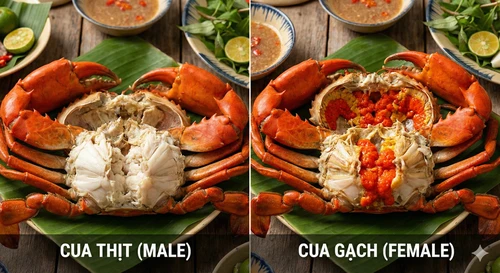
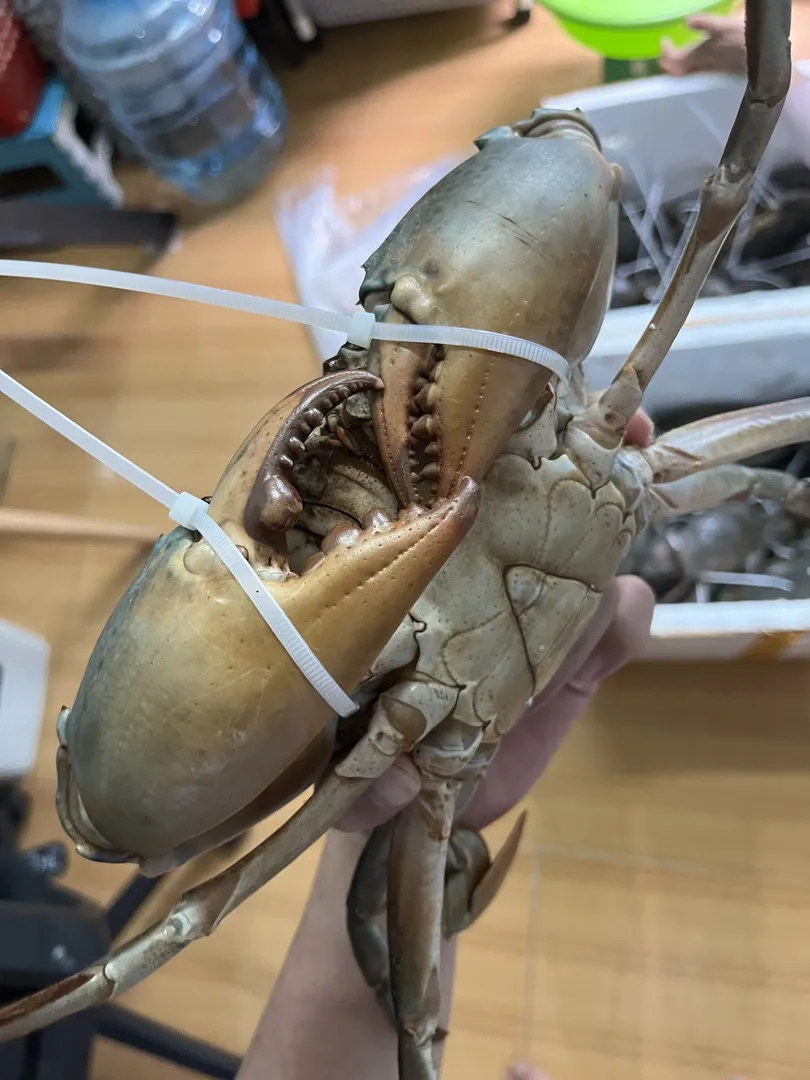
Ca Mau Mud Crab
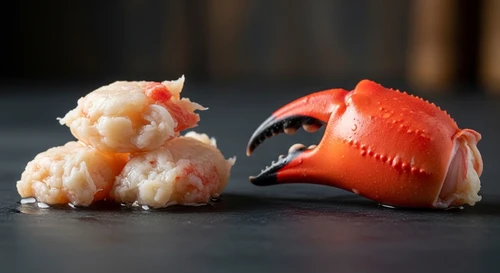
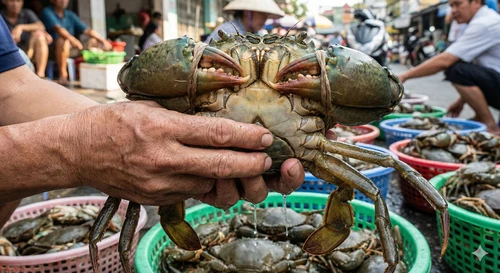
Prized for its dense, sweet meat and rich roe, the mud crab from the mangrove regions of Ca Mau is a highly sought-after delicacy, often featured in traditional Southern Vietnamese cuisine.
Heritage Ingredient
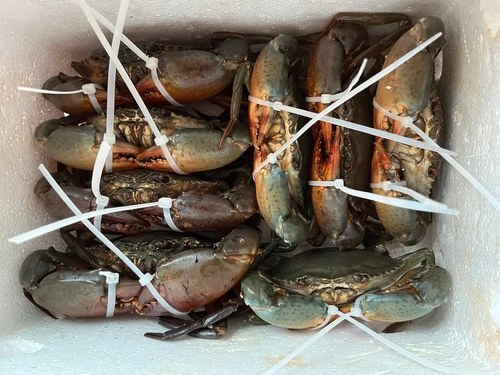
Ca Mau Jumbo Mud Crab
Ca Mau Jumbo Mud Crab
A large male mud crab prized for dense, sweet meat and thick claws, commonly used in steamed crab and grilled crab dishes across the Mekong Delta.
An icon of coastal culinary heritage, featuring firm, sweet meat that captures the raw power and freshness of Ca Mau's tides.
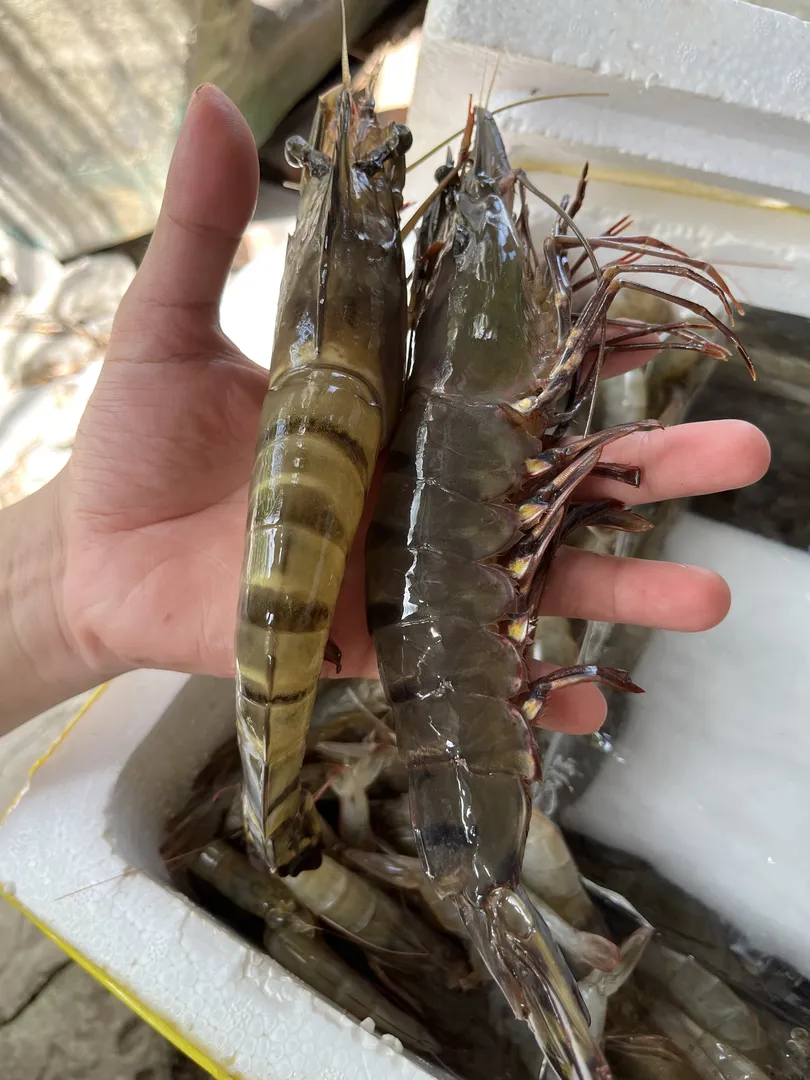
Mangrove Black Tiger Shrimp
From the coastal mangrove forests, these shrimp offer a cleaner, sweeter flavor profile compared to their intensively farmed counterparts, prized for their firm flesh.
Heritage Ingredient
Ca Mau Black Tiger Shrimp
Ca Mau Black Tiger Shrimp
Large black tiger shrimp associated with mangrove aquaculture in Ca Mau, known for firm flesh and a cleaner, sweeter finish than intensively farmed shrimp.
Wild spirits of the mangroves, these black-banded gems deliver a firm, snappy texture and a sweetness that echoes the forest's vibrant life.
Mekong Giant Freshwater Prawn
These impressive river prawns, known for their long blue claws and rich head fat, are a staple in hotpot and grilled dishes across the Delta.
Heritage Ingredient
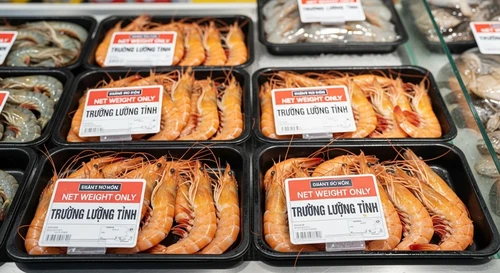
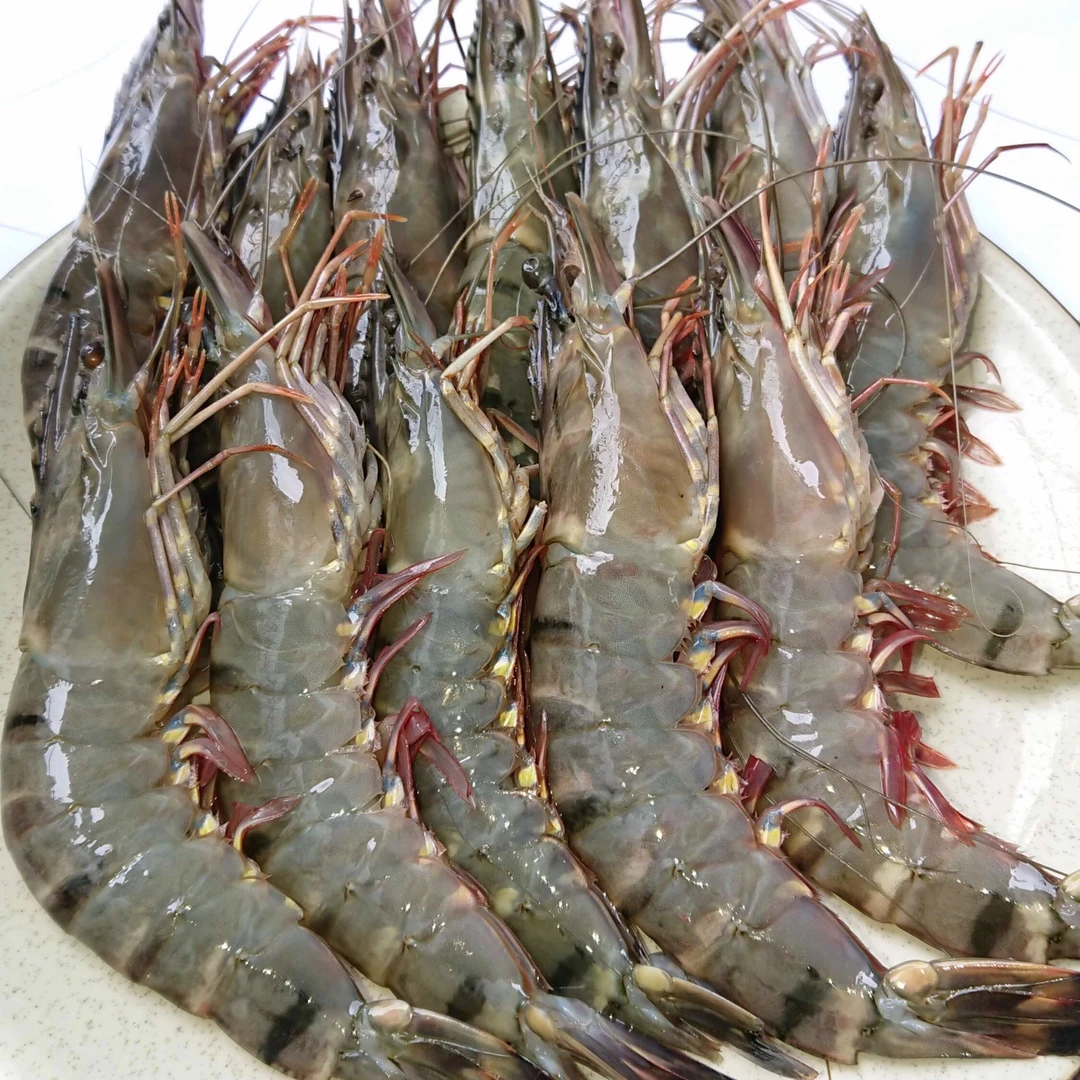
Whiteleg Shrimp
Whiteleg Shrimp
A widely used shrimp in Vietnamese home kitchens, suitable for stir-fries, soups, steamed dishes, and practical cooking articles that need a familiar shrimp reference.
Translucent jewels of the coast, thin-shelled and remarkably sweet, making every simple home meal feel like a seaside celebration.
The Future is Now
The high-tech, super-intensive farming of Whiteleg shrimp in the Mekong Delta is more than just a farming technique; it’s a testament to human ingenuity adapting to environmental and economic demands. It’s a sophisticated dance between biology and technology, pushing the boundaries of what’s possible and ensuring that this vital protein source continues to thrive, not just for the local economy, but for tables around the globe. The quiet revolution in these ponds is shaping the future of seafood.