" For too long, the incredible seafood from Vietnam's vast coastline has been viewed through a narrow lens. This certification is a global handshake, an invitation to truly taste and understand the dedication behind these waters. "
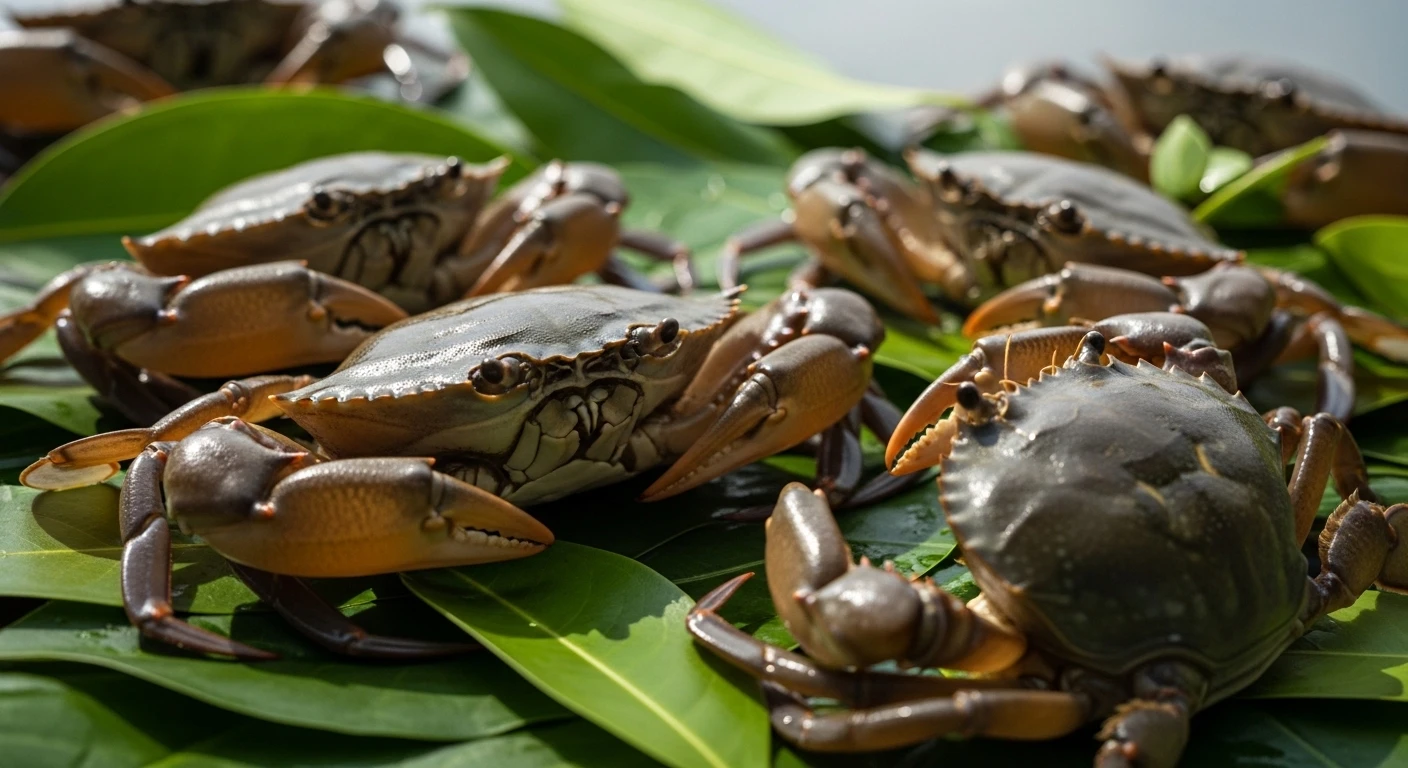
📸 The prize of the Mekong: A healthy Ca Mau mud crab ready for market.
1 Where the River Meets the Sea: Ca Mau's Natural Bounty
Ca Mau, Vietnam's southernmost province, is a tapestry of winding rivers, dense mangrove forests, and an intricate network of coastal waterways. This unique ecosystem is not just scenically stunning; it's a critical nursery for some of Southeast Asia's most prized seafood. The famed Ca Mau mud crab thrives here, benefiting from the brackish waters and the rich, nutrient-dense environment provided by the mangroves. These aren't just crabs; they are a direct product of a delicate balance, a living testament to the health of these vital estuarine systems.
For generations, local communities have relied on the waters of Ca Mau for their livelihood. Their deep understanding of the tides, the seasons, and the life cycles of marine creatures is an inherited wisdom. However, the increasing demands of the global market have often put this delicate ecosystem under strain. Recognizing this, a concerted effort has been made to harmonize traditional practices with modern conservation science.
The Mangrove Advantage
The mangrove forests act as natural filters, purifying the water. They also provide crucial shelter and feeding grounds for juvenile crabs, protecting them from predators and offering abundant food sources. This natural advantage is key to producing the exceptionally sweet and firm meat that Ca Mau crabs are known for.
A Livelihood Connected to Nature
Sustainable harvesting means more than just catching crabs; it means ensuring the long-term health of the crab populations and their habitat. This includes responsible fishing practices, avoiding overfishing, and protecting the mangrove ecosystem itself.
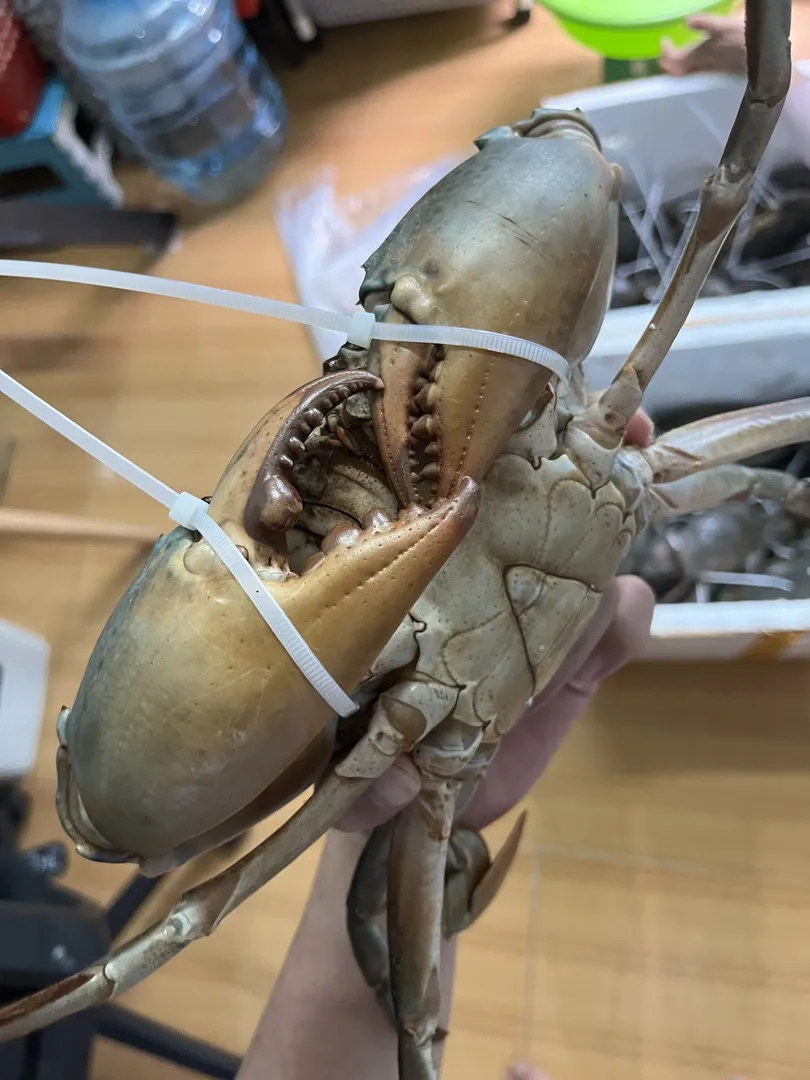
Heritage Ingredient
Ca Mau Jumbo Mud Crab
Ca Mau Jumbo Mud Crab
A large male mud crab prized for dense, sweet meat and thick claws, commonly used in steamed crab and grilled crab dishes across the Mekong Delta.
An icon of coastal culinary heritage, featuring firm, sweet meat that captures the raw power and freshness of Ca Mau's tides.
2 The Global Standard: Understanding MSC Certification
The Marine Stewardship Council (MSC) certification is the gold standard for sustainable seafood. It's a rigorous, independent assessment that verifies whether a fishery is managed in a way that ensures healthy fish stocks, minimizes environmental impact, and maintains a robust ecosystem. Achieving MSC certification is no small feat; it requires meeting strict criteria developed through consultation with scientists, conservationists, and industry stakeholders worldwide.
For a fishery to be certified, it must demonstrate:
- Sustainable Fish Stocks: The population of the target species must be healthy and managed to ensure it can continue to thrive indefinitely.
- Minimizing Environmental Impact: The fishing methods used must have a low impact on the marine environment, avoiding damage to habitats and minimizing bycatch (unintended capture of other species).
- Effective Fisheries Management: The fishery must have a management system in place that can adapt to changing circumstances and ensure long-term sustainability.
This certification isn't just a label; it's a promise. It assures consumers that the seafood they are purchasing comes from a responsible source that is actively contributing to the health of our oceans.
3 From Mudflats to Global Markets: The Farmers' Journey
The journey to MSC certification for Ca Mau crab is a story of collaboration, investment, and a deep-seated pride in local heritage. For years, local fishing communities and farmers have been working hand-in-hand with researchers and governmental bodies to refine their practices. This involved transitioning away from destructive methods, implementing stricter monitoring, and focusing on the quality and traceability of their catch.
The "farmers" in this context often refer to those who manage crab populations within the extensive mangrove ecosystems, ensuring they have optimal conditions to grow and reproduce. It’s a far cry from industrial fishing; it's a careful stewardship of a natural resource. Implementing the rigorous data collection and management protocols required by MSC meant significant training and adaptation for these communities.
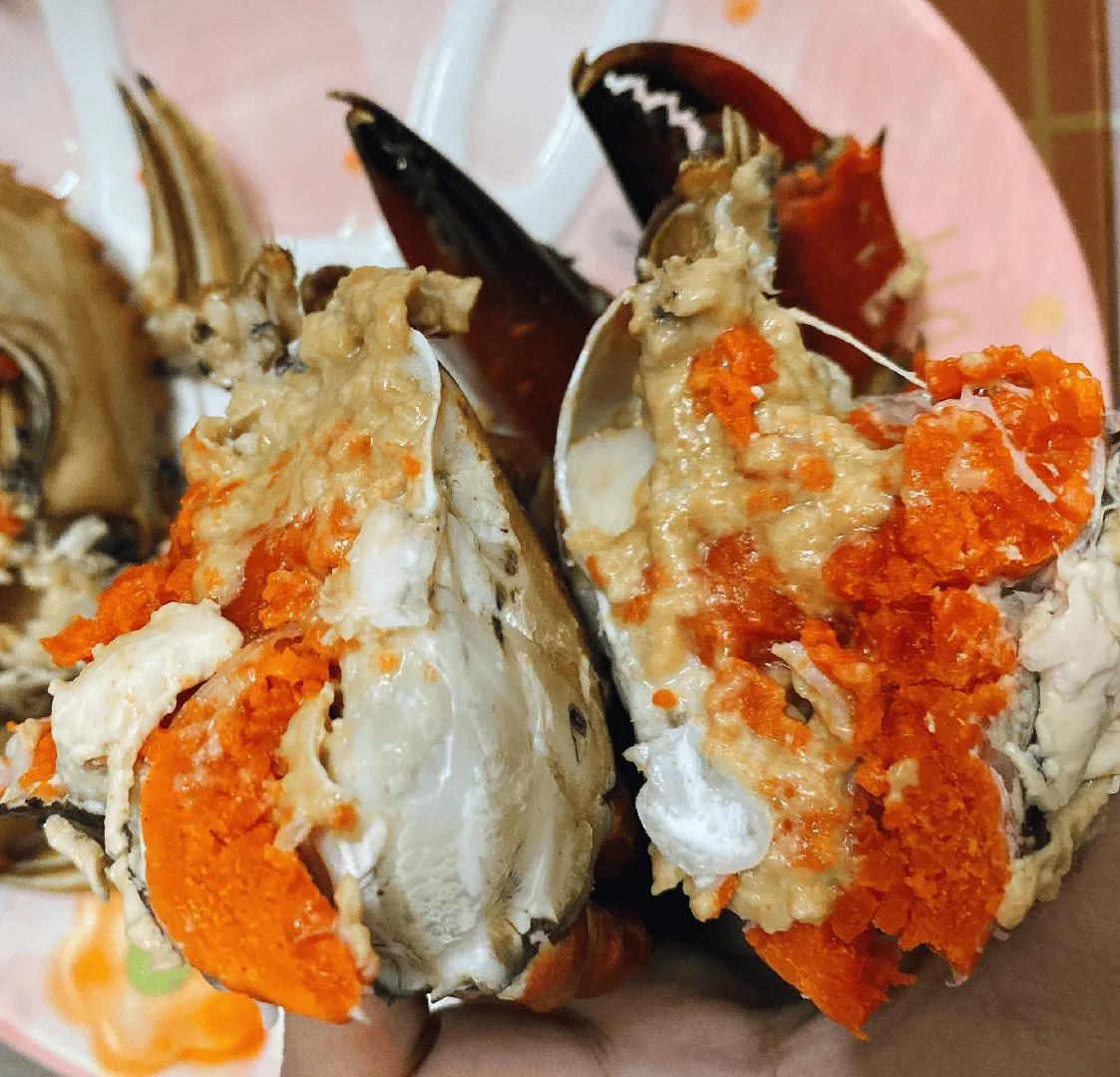
Heritage Ingredient
Ca Mau Roe Mud Crab
Ca Mau Roe Mud Crab
A female mud crab known for deep orange roe and a rich, creamy finish, often featured in celebratory Southern Vietnamese seafood meals.
A crimson treasure hidden within a shell, boasting rich, creamy roe that melts on your tongue like a golden sunset over the delta.
This dedication has paid off, opening doors to markets in the European Union and the United States – regions with increasingly stringent demands for sustainability and traceability. It signifies a major step forward, not only for the Ca Mau crab industry but also as a beacon for other Vietnamese seafood producers aiming for global recognition.
Sustainability Pays: An Economic and Ecological Equilibrium
The MSC certification offers a dual benefit: environmental preservation and economic uplift.
Environmental Assurance
By adhering to MSC standards, Ca Mau crab fisheries actively contribute to maintaining healthy mangrove ecosystems, protecting biodiversity, and ensuring the long-term viability of crab populations. This prevents the ecological degradation that can plague less regulated fishing industries.
Market Access and Premium Value
The MSC label is recognized and trusted by consumers worldwide. This allows certified producers to access premium markets, command better prices, and build stronger relationships with international buyers who value sustainability and ethical sourcing.
4 Tasting the Future: The Consumer's Choice
For diners and seafood enthusiasts globally, this certification means peace of mind. When you see the MSC blue fish tick on a product originating from Ca Mau, you can be confident that you are supporting a system that respects the environment and ensures the future of this incredible delicacy. It’s an opportunity to connect with the source of your food in a more meaningful way, understanding that your choice has a positive impact.
The sweet, succulent meat of the Ca Mau mud crab, when sourced sustainably, offers not just a culinary delight but a story of responsible resource management from the heart of the Mekong Delta. It’s a taste of commitment, a testament to what can be achieved when tradition, science, and global standards align.
5 A New Chapter for Mekong Seafood
The successful MSC certification for Ca Mau crab is more than just an individual achievement; it’s a precedent. It sets a benchmark for other fisheries in Vietnam, particularly within the ecologically rich Mekong Delta and its extensive coastline, to pursue similar sustainable practices. This wave of eco-certification can elevate the entire Vietnamese seafood industry on the global stage, fostering a reputation not just for quality, but for responsible stewardship.
As consumer awareness around sustainability grows, so does the demand for certified products. Ca Mau crab is now perfectly positioned to meet this demand, showcasing the potential for Vietnam's vital aquaculture and fisheries sectors to thrive in harmony with nature, providing delicious food for generations to come.
6 Beyond the Certification: The Taste of True Sustainability
When you enjoy a Ca Mau crab, especially one bearing the MSC seal, you're not just savoring a meal; you're participating in a story. It's the story of the Mekong Delta's resilient people, their ancient connection to the land and water, and their forward-looking commitment to a healthier planet. The unique sweetness and firm texture of the crab are amplified by the knowledge that it was harvested with respect for the very ecosystem that nurtured it. This is the true flavor of sustainable seafood – pure, honest, and rich with the essence of its origin.
This milestone encourages a deeper appreciation for the origins of our food and highlights the critical role that responsible practices play in preserving the planet's precious marine resources. The success in Ca Mau offers a powerful model, proving that ecological integrity and economic prosperity can indeed go hand in hand, especially in regions as naturally endowed as Vietnam's magnificent Mekong Delta.