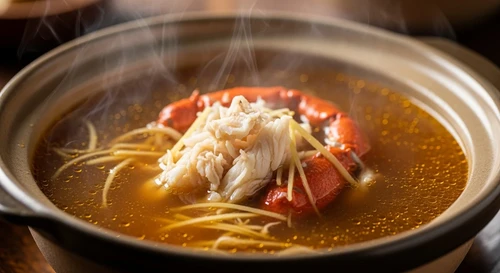
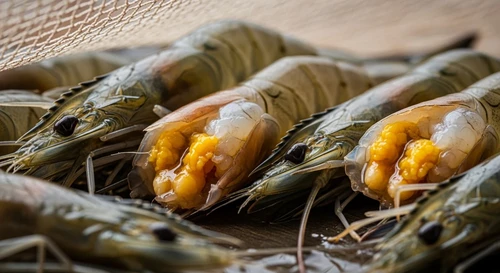
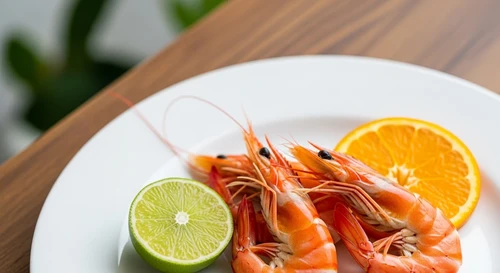
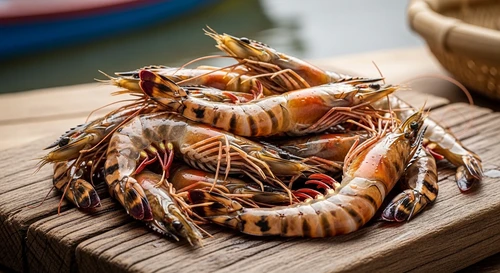
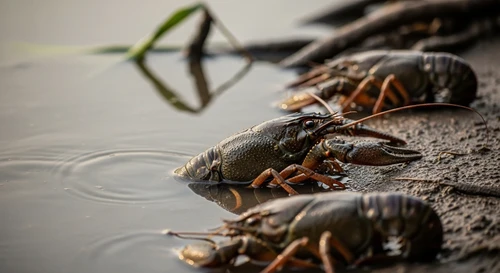
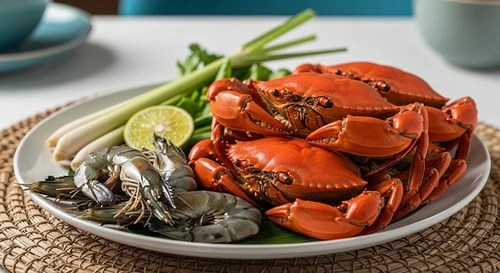
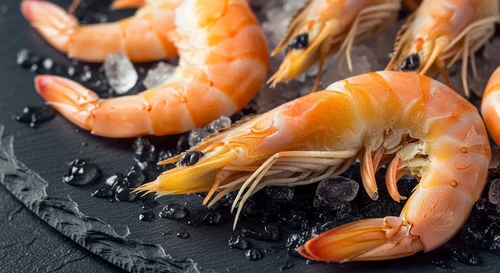
" The Mekong Delta teems with life – a vibrant tapestry of rivers, rice paddies, and mangroves. This abundance includes culinary treasures, but also organisms that demand respect. "
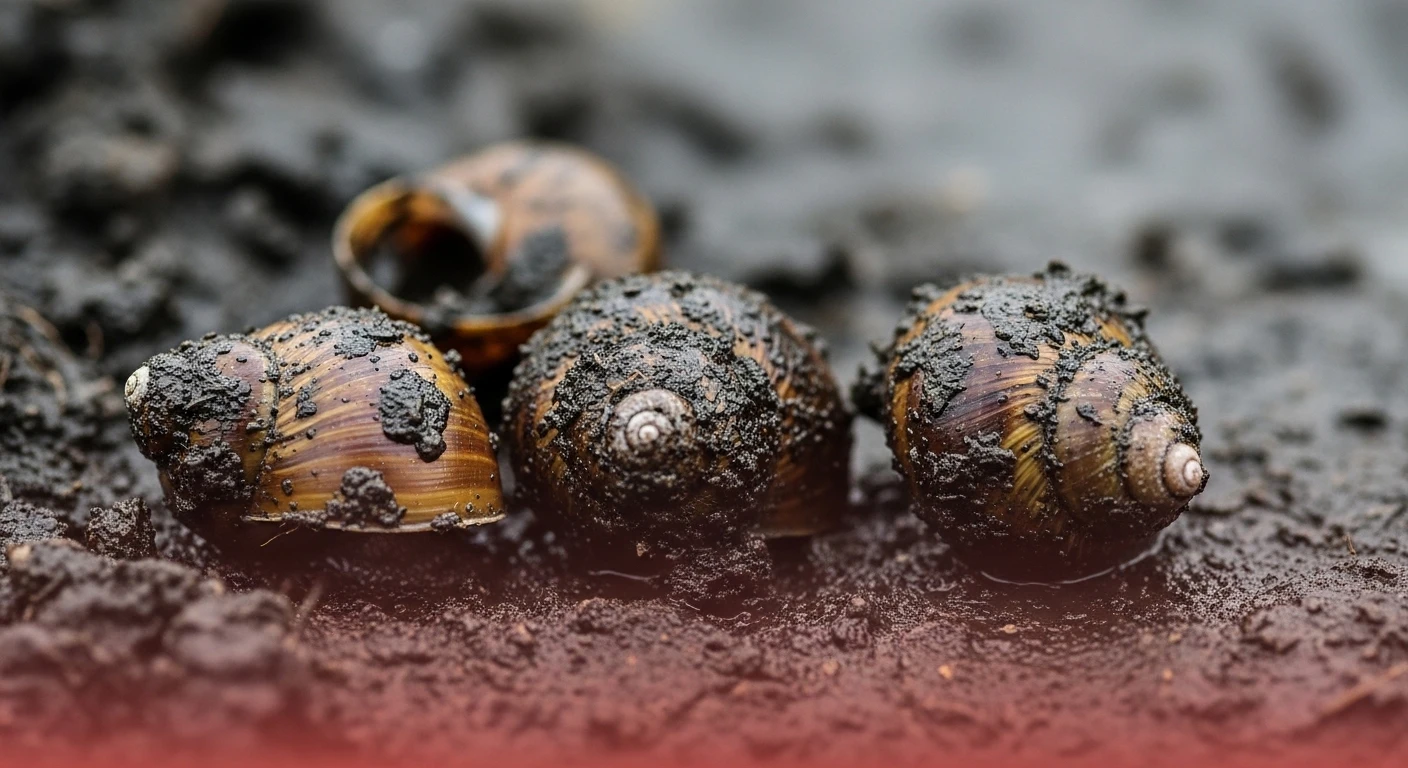
📸 Caution: The vibrant life in Mekong waters carries risks.
1 Life Aquatic: More Than Just Delicious
The Mekong Delta, Southern Vietnam's agricultural heartland, is a sprawling network of rivers, canals, and estuaries. This incredibly fertile environment yields not only the rice that feeds millions but also a rich harvest of seafood, including the ubiquitous "sweet snails" (often referring to various edible gastropods found in brackish or freshwater environments). These snails are a staple for many local communities, a source of protein, and a delicacy when prepared correctly.
However, the very waters that nurture these creatures are also home to microscopic inhabitants. One particularly notorious bacterium, Vibrio vulnificus, thrives in warm, brackish waters, and can be present in the mud and tissues of shellfish and snails harvested from these regions. For those unaccustomed to the complexities of the Mekong's ecosystem, this presents a significant health risk.
The Contaminant
Vibrio vulnificus is a naturally occurring bacterium commonly found in coastal waters. It's particularly prevalent in warm months and thrives in environments where freshwater mixes with saltwater, a hallmark of the Mekong Delta's estuaries.
The Threat
When ingested through raw or undercooked seafood, Vibrio vulnificus can cause severe illness. In healthy individuals, it may lead to gastroenteritis. However, for those with compromised immune systems or chronic liver disease, it can lead to rapidly progressing, life-threatening infections like necrotizing fasciitis (flesh-eating disease) and septicemia.
2 "Soft-Boiled" Seduction: A Risky Shortcut
Many culinary traditions prize the delicate texture and inherent sweetness of snails. In the Mekong Delta, these snails are often enjoyed in various preparations, from stir-fries to soups. However, a common mistake, particularly for those trying to preserve the snail's tender mouthfeel or perhaps rushing the cooking process, is undercooking. A "soft-boiled" or barely cooked snail might seem appealing, but this is precisely where the danger lies.
Vibrio vulnificus bacteria are heat-sensitive. Sufficient cooking temperature and time are essential to kill them. "Soft-boiling" or preparing snails in a way that doesn't reach an internal temperature high enough to neutralize the bacteria leaves them viable and capable of causing severe harm. The mud and sediment that snails inhabit are prime locations for these bacteria. Thorough cooking is the only reliable way to mitigate this risk.
Tip: If you're unsure about the cooking process, err on the side of caution. Overcooked is better than dangerously undercooked.
3 Navigating the Harvest: Safe Practices
Source Wisely
If purchasing snails, buy from reputable vendors who demonstrate knowledge of safe harvesting and handling practices. Avoid snails harvested from questionable sources or stagnant waters. In the Mekong Delta, local knowledge of safe fishing grounds is paramount.
Purge and Clean Thoroughly
Snails should be purged to remove grit and sediment. This is often done by soaking them in clean water (sometimes with a pinch of salt or a splash of vinegar) for several hours or overnight, changing the water frequently. Scrub the shells vigorously under running water.
Cook to Kill
This is the most critical step. Snails must be cooked thoroughly. Boiling or steaming until the shells open and the meat is firm and opaque throughout is essential. A minimum internal temperature of 145°F (63°C) for at least 15 seconds is generally recommended for seafood to kill harmful bacteria. For snails, ensuring they are fully cooked all the way through is paramount.
Visual Cue: When in Doubt, Cook Longer
A properly cooked snail will release its meat easily from its shell. The meat should be firm, not mushy or slimy. If the shells are not open, they are likely not safe to eat.
Respecting the Ingredients, Respecting the Risks
The culinary culture of the Mekong Delta is deeply rooted in freshness and a profound understanding of local ingredients. While there's an emphasis on simple preparations that let the natural flavors shine, this doesn't negate the importance of food safety.
Local Expertise
Experienced locals know which snails are safe to consume and how to prepare them. They understand the subtle differences in water salinity and the local ecosystem's health.
Traditional Methods
Many traditional recipes involve thorough boiling or braising, ensuring the ingredients are cooked sufficiently. These methods are time-tested for both flavor and safety.
Adaptation
For travelers or those less familiar with the local ecosystem, it's crucial to either rely on trusted establishments that adhere to strict food safety standards or to ensure your own preparations are meticulously thorough.
It is vital to distinguish between different types of snails. While this article focuses on "sweet snails" commonly found in the Mekong, the general principle of thorough cooking applies to all raw or lightly cooked seafood in tropical environments.
High-Risk Individuals
While Vibrio vulnificus can cause severe illness in anyone, certain groups are at a significantly higher risk of developing life-threatening infections:
- Individuals with chronic liver disease (including hepatitis, cirrhosis, hemochromatosis).
- People with weakened immune systems (due to HIV/AIDS, cancer, chemotherapy, organ transplants, or certain medications).
- Those with diabetes or kidney disease.
- Elderly individuals.
If you belong to any of these groups, it is strongly advised to avoid raw or undercooked shellfish and snails altogether.
Understanding the Environment
The muddy, brackish waters of the Mekong Delta are a complex ecosystem. Snails harvested from these areas, while a food source, carry the inherent risks of the environment they inhabit.
Illustration of typical Mekong Delta snails from a safe harvest.
Immediate Action: When Symptoms Appear
Seek IMMEDIATE MEDICAL ATTENTION if you experience any of the following after consuming raw or undercooked snails or shellfish:
- Severe diarrhea
- Vomiting
- Fever
- Chills
- Blisters or skin lesions (especially in wound areas)
- Symptoms of sepsis (low blood pressure, rapid heart rate, confusion)
Do not delay. Early diagnosis and treatment are critical.
A Matter of Respect
The Mekong Delta offers a world of culinary adventures, and its seafood is among the finest. However, the privilege of enjoying these flavors comes with the responsibility of understanding and respecting the potential risks. "Sweet snails" are delicious, but only when prepared with meticulous attention to food safety. Never compromise on thorough cooking. Your health and well-being are far more precious than a moment of culinary indulgence from an undercooked treat.