" Forget the farmed Atlantic salmon. When it comes to pure, unadulterated Omega-3 power, with a flavor that whispers of mangrove-kissed waters, look to the humble yet mighty tiger prawn. Especially those that call the intricate waterways of the Mekong Delta home. "
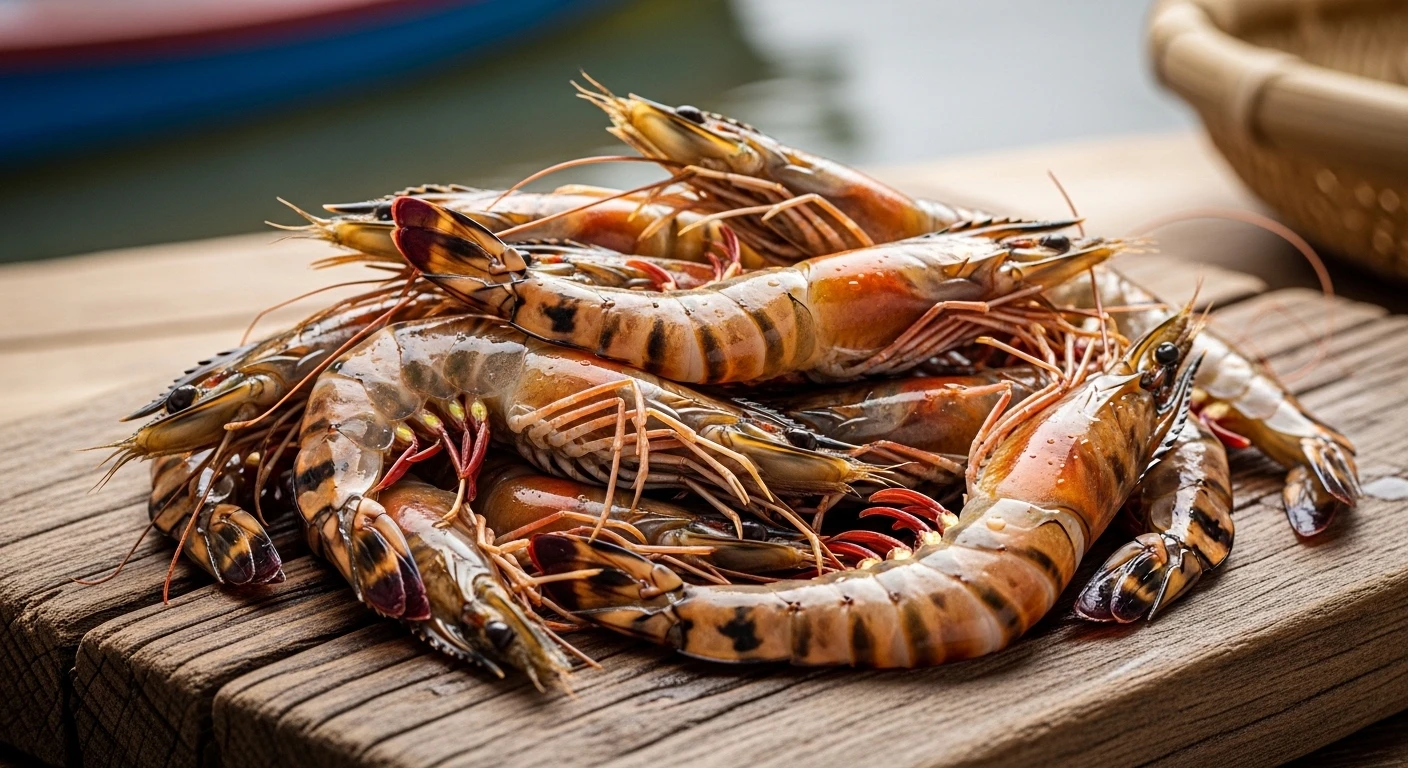
📸 The unmistakable stripe of a Ca Mau Black Tiger Shrimp.
1 Mekong's Gift: More Than Just a Prawn
When most Westerners think of Omega-3 rich seafood, their minds drift to fatty fish like salmon, mackerel, or sardines. And while those are excellent sources, the vast, intricate network of rivers, canals, and coastal mangroves of Vietnam's Mekong Delta offers another powerhouse: the wild tiger prawn.
Specifically, the Ca Mau Black Tiger Shrimp (Penaeus monodon) is a true treasure. These aren't your average farmed shrimp. Raised in the brackish waters and mangrove ecosystems of Ca Mau province – Vietnam's southernmost point, a region defined by its unique coastal and aquatic life – these prawns develop a firm texture, a clean, sweet flavor, and importantly, a rich profile of beneficial fatty acids.
This unique environment, where freshwater rivers meet saltwater seas, and where the dense mangrove forests act as natural filters and nurseries, imparts a distinct quality to the seafood harvested here. It’s a testament to sustainable aquaculture and wild-caught practices that have sustained delta communities for generations.
Mangrove's Influence
The complex diet available in mangrove ecosystems—tiny crustaceans, algae, and organic matter—contributes to the prawn's nutritional density.
Wild vs. Farmed
Wild or sustainably farmed tiger prawns from regions like Ca Mau often have a superior Omega-3 to Omega-6 ratio compared to intensively farmed varieties.
2 Your Heart's New Best Friend
The star players here are the Omega-3 fatty acids, particularly EPA (eicosapentaenoic acid) and DHA (docosahexaenoic acid). These are polyunsaturated fats that our bodies cannot produce efficiently, meaning we must get them from our diet.
For individuals managing cardiovascular health, or those looking to proactively protect their hearts, Omega-3s are nothing short of miraculous. Their benefits are well-documented:
Key Benefits
- Reduced Inflammation: Chronic inflammation is a major contributor to heart disease. Omega-3s possess potent anti-inflammatory properties.
- Lowered Triglycerides: High triglyceride levels are a risk factor for heart disease. Omega-3s can significantly reduce them.
- Plaque Prevention: They help prevent the buildup of plaque in artery walls, a process known as atherosclerosis, thereby improving blood flow.
- Blood Pressure Management: Regular intake can contribute to lower blood pressure.
- Reduced Arrhythmias: Omega-3s may help stabilize heart rhythm.
Why Tiger Prawns Shine
While salmon often gets the spotlight, wild tiger prawns offer a compelling alternative. They provide a significant amount of EPA and DHA without the potential for mercury accumulation sometimes found in larger, older fish. Plus, their delicate, sweet flavor is incredibly versatile in cooking.
3 From Water to Plate: Sourcing the Best
The journey from the intricate waterways of the Mekong to your plate is crucial. When seeking out wild tiger prawns, especially those with the best Omega-3 profile, look for indicators of quality:
Appearance is Key
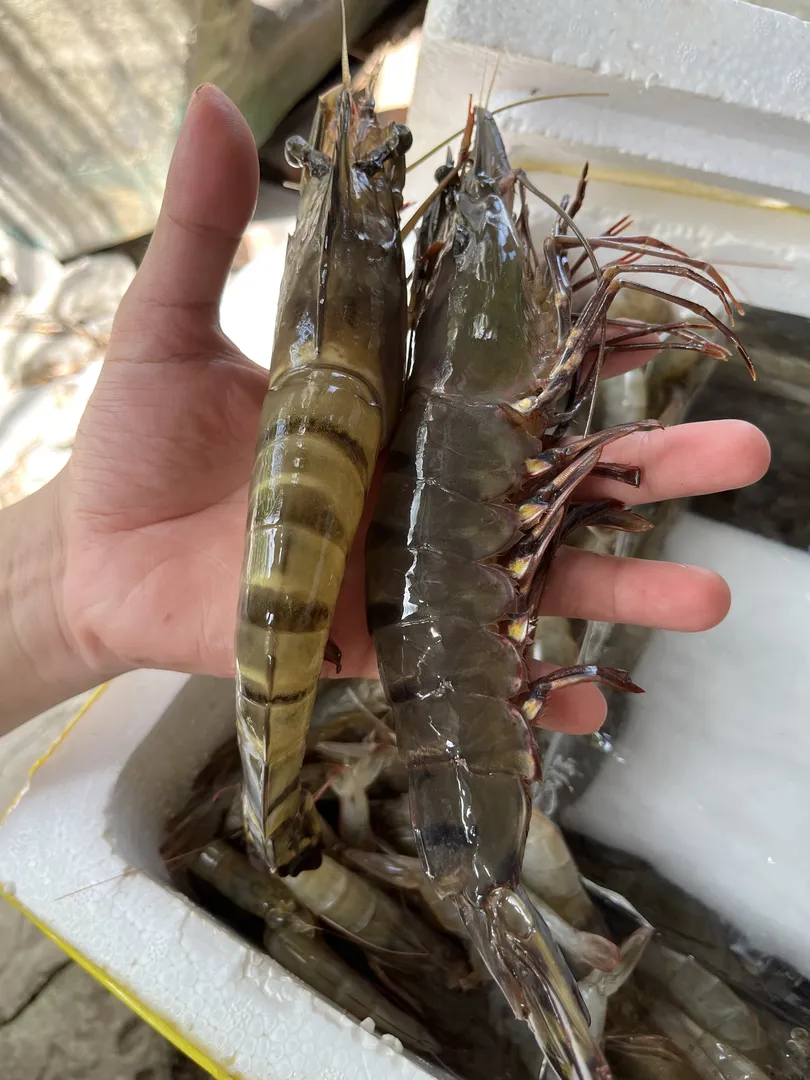
Fresh, wild tiger prawns should have a firm, translucent body with a healthy sheen. Their shells should be intact, free from dark spots (which can indicate spoilage) or ammonia odor. The characteristic black stripes should be clearly visible and vibrant.
The Smell Test
Fresh seafood smells like the sea – clean, briny, and fresh. Any strong, "fishy," or ammoniated smell is a red flag. Wild tiger prawns should have a sweet, oceanic aroma.
Origin Matters
When possible, seek out prawns specifically identified as being from Ca Mau or the Mekong Delta. This is your best assurance of quality and a sustainable sourcing method. The Ca Mau Black Tiger Shrimp are prime examples of this origin.
Simple, Delicious, Heart-Healthy
The beauty of tiger prawns is their versatility. They don't need complex marinades or heavy sauces to shine. Their natural sweetness and Omega-3 richness are best preserved with simple cooking methods.
Steaming
Gentle steaming preserves nutrients and flavor. Serve with a light dipping sauce of lime juice, salt, and chili.
Heritage Ingredient
Ca Mau Black Tiger Shrimp
Ca Mau Black Tiger Shrimp
Large black tiger shrimp associated with mangrove aquaculture in Ca Mau, known for firm flesh and a cleaner, sweeter finish than intensively farmed shrimp.
Wild spirits of the mangroves, these black-banded gems deliver a firm, snappy texture and a sweetness that echoes the forest's vibrant life.
Grilling/Broiling
A quick grill or broil brings out a smoky sweetness. Brush lightly with garlic oil or a touch of chili paste.

Heritage Ingredient
Mekong Giant Freshwater Prawn
Mekong Giant Freshwater Prawn
A river prawn with long blue claws and rich head fat, common in grilled prawn dishes and hotpot traditions across the Mekong basin.
Majestic blue-clawed warriors of the Mekong, famous for their rich, fatty heads and a savory depth that captures the essence of the delta's rivers.
Stir-fries & Soups
Add them towards the end of cooking for a quick protein boost in vibrant stir-fries or delicate noodle soups.
Aim for a serving of wild tiger prawns 2-3 times per week as part of a balanced diet. Combining them with other heart-healthy foods like leafy greens and whole grains creates a powerhouse meal.
4 A Taste of the River Life
Eating wild tiger prawns isn't just about nutrition; it's about connecting with a region and a way of life. In the Mekong Delta, seafood is more than sustenance; it's a cultural cornerstone. Imagine sitting at a simple riverside eatery in Can Tho, the humid air thick with the scent of grilling seafood, watching longtail boats navigate the waterways. A plate of freshly steamed tiger prawns, with their vibrant stripes and sweet flesh, is the centerpiece of many such meals.
The simplicity of preparation – often just boiled or steamed with a touch of lemongrass – allows the true flavor of the prawn, and the richness of its Omega-3 content, to be fully appreciated. It’s a reflection of the delta's bounty, a gift from its fertile waters. Even something as common as a Jumbo Mud Crab represents the rich seafood tapestry of the region.

Heritage Ingredient
Ca Mau Jumbo Mud Crab
Ca Mau Jumbo Mud Crab
A large male mud crab prized for dense, sweet meat and thick claws, commonly used in steamed crab and grilled crab dishes across the Mekong Delta.
An icon of coastal culinary heritage, featuring firm, sweet meat that captures the raw power and freshness of Ca Mau's tides.
5 A Broader Perspective on Seafood & Health
While tiger prawns are a star player, the Mekong Delta's waters offer a wealth of other nutritious seafood. From various types of fish with their own unique Omega-3 profiles to other crustaceans, the region is a treasure trove for those seeking to boost their health through diet.
For cardiovascular patients, incorporating a variety of these sustainably sourced seafood options can provide a broad spectrum of nutrients, including not just Omega-3s but also lean protein, essential vitamins (like B12 and D), and minerals such as selenium and zinc. The key is variety, freshness, and mindful preparation methods that preserve these delicate nutrients.
6 Omega-3s: The Bottom Line for Your Heart
To reiterate, the Omega-3 fatty acids found abundantly in wild tiger prawns are critical for cardiovascular health. They work through multiple mechanisms to:
- Reduce inflammation throughout the body.
- Lower blood pressure and triglyceride levels.
- Prevent blood clots and reduce the risk of heart attack and stroke.
- Improve the health of blood vessel walls by preventing plaque buildup.
Making wild tiger prawns a regular part of your diet, particularly those sourced from pristine environments like the Mekong Delta, is a delicious and effective strategy for supporting long-term heart health.
7 A Delicious Investment in Well-being
The connection between what we eat and how we feel is undeniable. For cardiovascular patients, and indeed for anyone looking to live a healthier life, the choices we make at the grocery store or market can have profound effects. Wild tiger prawns from the Mekong Delta are more than just a culinary delight; they are a potent, natural source of Omega-3s, offering a delicious and sustainable way to nourish your heart.
So next time you're considering how to boost your Omega-3 intake, think beyond the usual suspects. Cast your net towards the vibrant waters of Vietnam, and discover the heart-healthy power of the wild tiger prawn. Your cardiovascular system will thank you.
More on Healthy Living
View More Health & Nutrition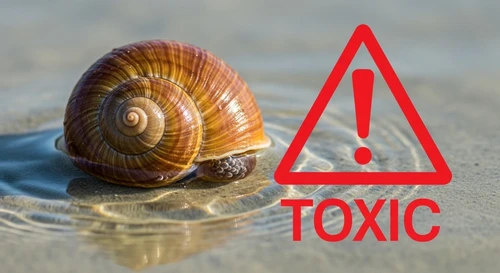
Bizarre Sea Snail Allergy causing Lip Numbness: Go to the ER Immediately
Many sea snails have neurotoxins that cause numbness in the mouth, tongue, and shortness of breath. Do not confuse this with a normal allergy.
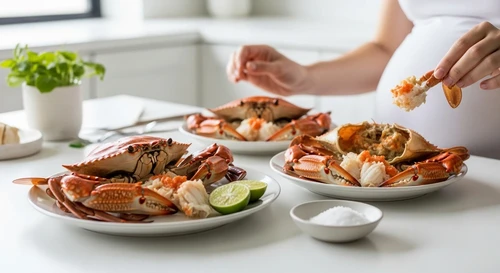
Is it Safe for Pregnant Women to Eat Ocean Crabs? Obstetrician's Advice
Crabs have extremely low mercury levels and provide abundant calcium and omega-3, which are great for fetal brain development.
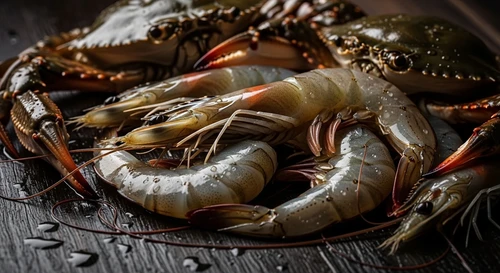
Allergic to the Shell but Not the Meat? The Bizarre Truth
Exploring why certain individuals develop contact hives when touching raw crustacean shells but digest the cooked meat perfectly fine.
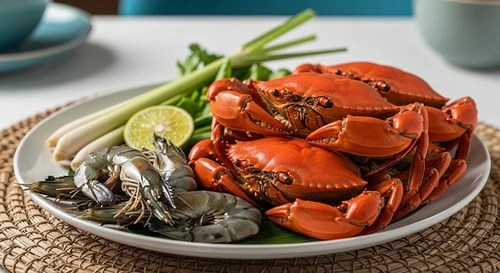
Should Diabetics Limit Their Intake of Crabs and Seafood?
Blood sugar management menu: Seafood is rich in protein, but one must pay attention to the cholesterol intake.
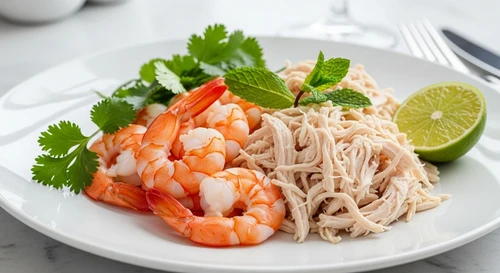
Rapid Weight Loss Menu: Steamed Whiteleg Shrimp and Shredded Chicken Breast
A 1000-calorie Eat Clean diet featuring peeled whiteleg shrimp provides clean protein without any starch or bad fats.
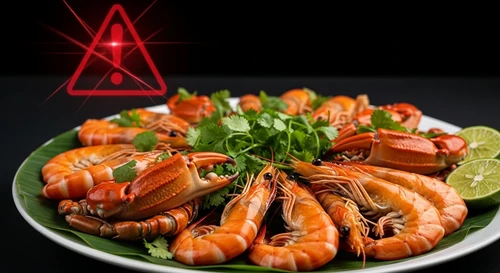
Allergy Alert: Signs of Shellfish Allergy
What to look for if you feel itchy after eating.
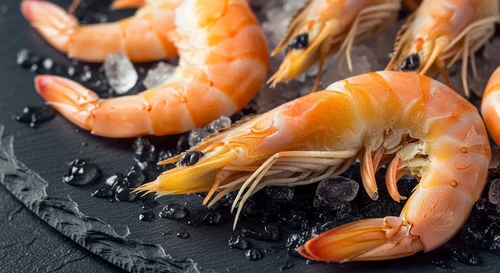
Frozen Shelled Shrimp and Preservatives: What Are You Really Eating?
Investigating the use of Sodium Metabisulfite (a bleaching agent) in supermarket frozen shrimp and its health impacts.
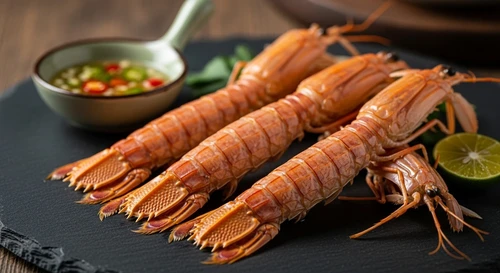
Are People Suffering from Gout Flare-ups Allowed to Eat Mantis Shrimp?
Mantis shrimp has extremely high Purine levels. Doctors advise gout patients experiencing a flare-up to avoid it entirely.
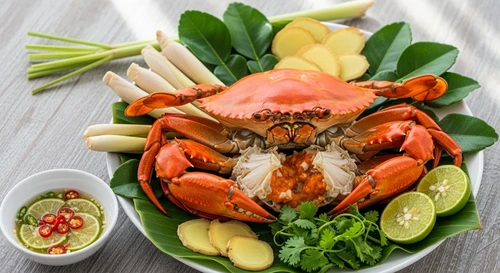
Low Sodium Options for Crab Lovers
How to cook crab without raising blood pressure.