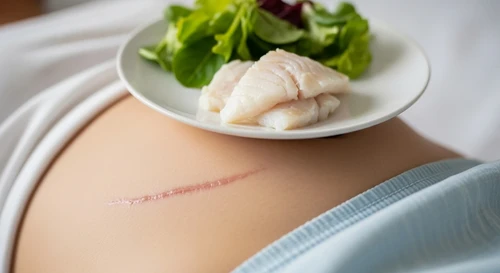
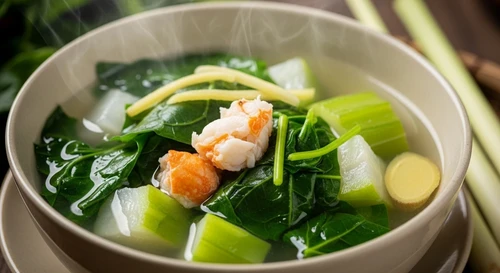
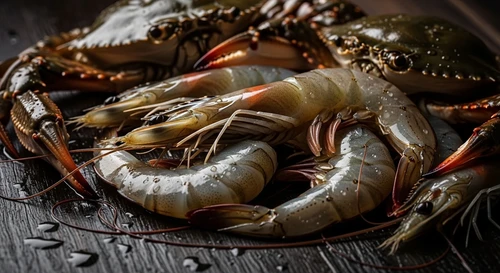
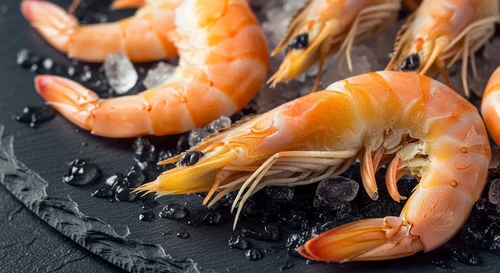
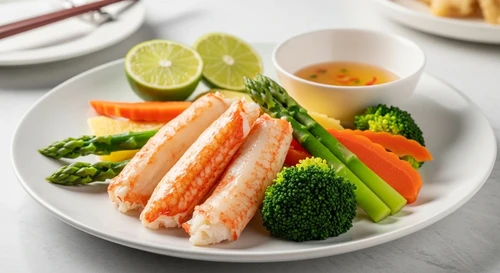
" The Mekong Delta is a place of incredible abundance, a testament to nature's generosity. But even in paradise, not everything that glitters is gold. Sometimes, what looks like a delicacy is a trap. "

📸 The head of a shrimp: A visual focus of local tradition and modern concern.
1 The Allure of the Head: A Mekong Tradition
The Mekong Delta, a verdant tapestry woven by rivers and canals, is the heartland of Vietnam's seafood production. From the vast mangrove forests of Ca Mau to the bustling floating markets of Can Tho, freshwater and saltwater creatures form the backbone of its economy and cuisine. Shrimp, in particular, are a ubiquitous presence, farmed in vast quantities and celebrated for their sweetness and versatility.
For generations, the "head fat" or the yellowish-orange substance found within the shrimp's cephalothorax has been considered a delicacy by many in Vietnam, including those in the Mekong region. It's often described as intensely flavorful, rich, and almost buttery. This rich "fat" is actually a combination of the shrimp's hepatopancreas (a digestive gland) and stored fats, and it's this very concentration of organs and lipids that raises questions.
2 The "Brain Food" Myth: A Dangerous Misconception
The persistent rumor—that sucking the rich fat from shrimp heads is beneficial for a child's brain development—is one of the most insidious nutritional myths to emerge from the region. This belief likely stems from a general association of rich, fatty substances with energy and brain function. However, when we look closer, the reality is starkly different.
While shrimp themselves are a good source of protein, omega-3 fatty acids (beneficial for brain health), and various vitamins and minerals like iodine and selenium, the head is not the primary reservoir for these brain-boosting nutrients. In fact, the hepatopancreas, a key component of the "fat," is primarily responsible for digestion and detoxification. This means it can accumulate waste products and, critically, environmental contaminants.
3 Where Toxins Linger: The Unseen Danger in Shrimp Heads
The waters of the Mekong Delta, while bountiful, are not immune to the pressures of industrialization and agricultural runoff. Shrimp, particularly those farmed in intensive systems, can be exposed to a range of environmental pollutants. Their hepatopancreas, acting as a natural filter, has a tendency to absorb and concentrate these harmful substances.
Among the most concerning contaminants are heavy metals such as lead, cadmium, and mercury. These metals are persistent and can bioaccumulate in the food chain. When humans consume parts of the animal that concentrate these toxins, they are at risk of various health problems, especially developing children whose bodies are more vulnerable. Neurological damage, developmental delays, and impaired cognitive function are just some of the serious consequences associated with heavy metal exposure.
Beyond heavy metals, shrimp heads can also accumulate pesticides and other chemical residues from their environment or feed. Therefore, what appears to be a rich, nutrient-dense substance is, in reality, a potential Trojan horse carrying hidden dangers.
4 A Nuanced View: Local Wisdom and Modern Science
It's important to acknowledge that culinary traditions in the Mekong Delta are deeply ingrained and often passed down through generations. The practice of consuming shrimp heads is part of this rich cultural tapestry. In many traditional, less industrialized settings, the shrimp might have been raised in cleaner environments, and the risks might have been lower. However, the landscape is changing.
Modern aquaculture practices, while increasing yields, also introduce new environmental challenges. Therefore, the wisdom of tradition must be critically examined alongside contemporary scientific understanding. Experts in pediatrics and nutrition across Vietnam, and indeed globally, strongly advise against feeding shrimp heads to children, especially when developmental issues are a concern.
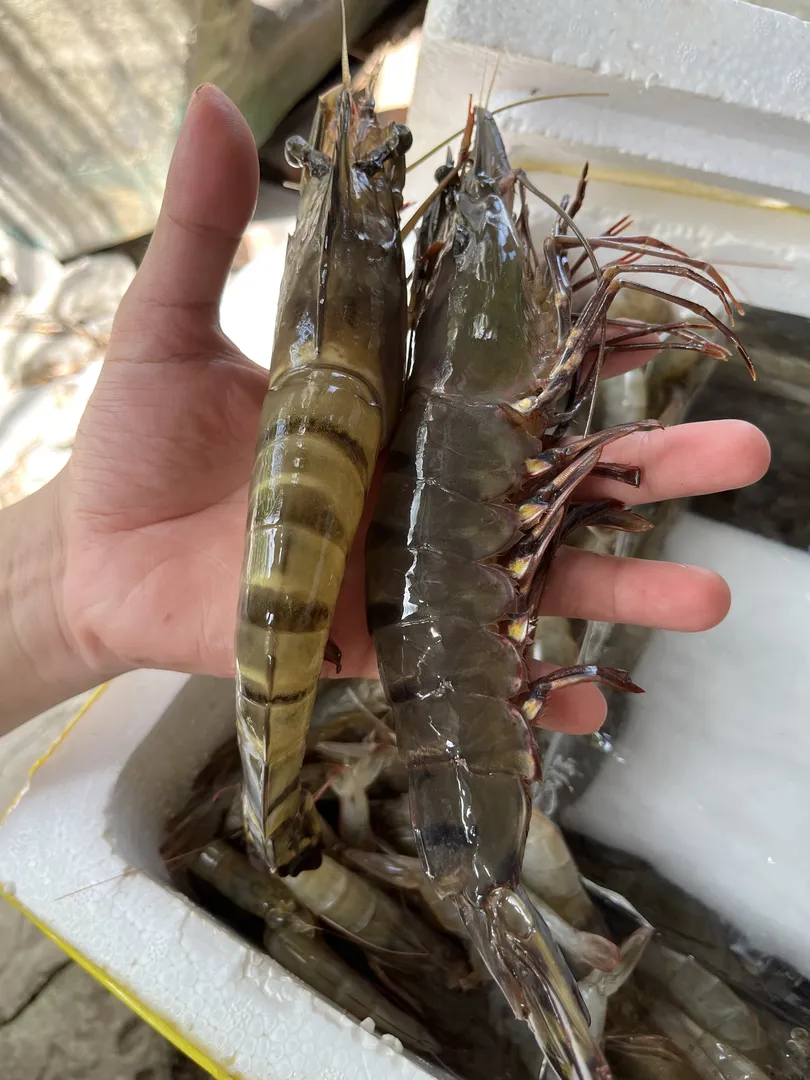
The meat of the shrimp, particularly from reputable sources like the Ca Mau Black Tiger Shrimp, is where the true nutritional bounty lies. These prawns are often associated with mangrove aquaculture, which can lead to a cleaner product.
Heritage Ingredient
Ca Mau Black Tiger Shrimp
Ca Mau Black Tiger Shrimp
Large black tiger shrimp associated with mangrove aquaculture in Ca Mau, known for firm flesh and a cleaner, sweeter finish than intensively farmed shrimp.
Wild spirits of the mangroves, these black-banded gems deliver a firm, snappy texture and a sweetness that echoes the forest's vibrant life.
Similarly, the Mekong Giant Freshwater Prawn, with its distinct blue claws, is a prized catch, and its tail meat is succulent and nutritious.

Heritage Ingredient
Mekong Giant Freshwater Prawn
Mekong Giant Freshwater Prawn
A river prawn with long blue claws and rich head fat, common in grilled prawn dishes and hotpot traditions across the Mekong basin.
Majestic blue-clawed warriors of the Mekong, famous for their rich, fatty heads and a savory depth that captures the essence of the delta's rivers.
5 What's Really in a Shrimp Head?
The "Good" (in Moderation):
- Hepatopancreas: Contains digestive enzymes and may have some fat-soluble vitamins.
- Stored Lipids: Provides richness and flavor.
The "Bad" and "Ugly":
- Waste Products: The primary function of the hepatopancreas is processing waste.
- Heavy Metals: Lead, cadmium, mercury can accumulate here.
- Pesticides & Chemicals: Residues from feed or environment.
- Potential Pathogens: If not handled or cooked properly.
Note: The nutritional density of the tail and body meat far outweighs any perceived benefits from the head.
6 A Pediatrician's Plea: Protect Developing Brains
The developing brain is a marvel of nature, but it is also incredibly susceptible to external influences. Parents and caregivers are constantly seeking ways to optimize their child's nutrition for cognitive growth. It is precisely for this reason that the myth surrounding shrimp heads is so dangerous. It steers well-intentioned individuals toward a potentially harmful practice under the guise of nutritional benefit.
Pediatricians and child nutritionists universally recommend focusing on nutrient-dense, clean sources of fats and proteins for children. This includes fatty fish (like salmon, rich in DHA), nuts and seeds, and lean meats and poultry. While shrimp meat itself can be a healthy part of a child's diet, the risks associated with the head far outweigh any speculative benefit. The potential for heavy metal accumulation and other toxins is a serious concern that cannot be ignored.
7 Savoring Safely: The Mekong's True Treasures
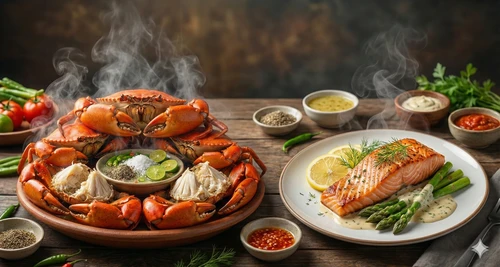
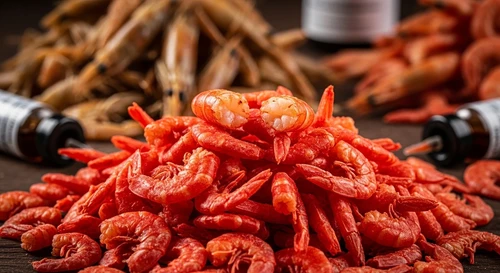
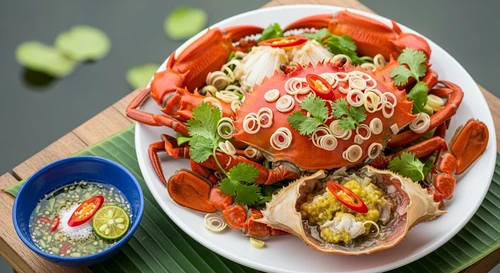
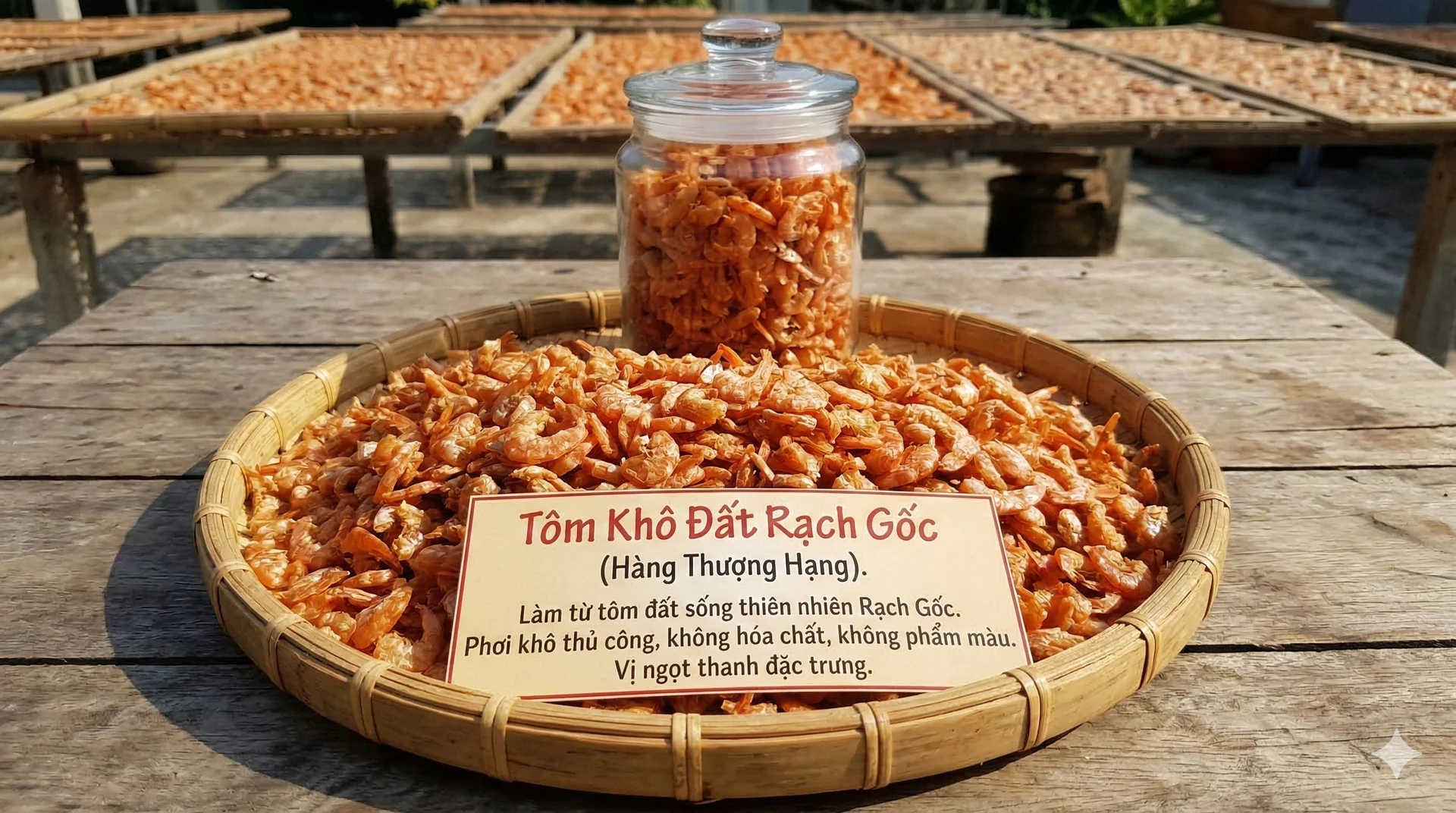
The Mekong Delta offers a treasure trove of delicious and nutritious seafood. The true culinary delights are found in the succulent meat of the shrimp, the delicate flesh of river fish, and the sweet bounty of crabs from the coastal regions. For instance, sun-dried wild shrimp from Rach Goc offer concentrated flavor and sweetness, a testament to the pristine mangrove ecosystems.
Heritage Ingredient
Sun-Dried Wild Shrimp from Rach Goc
Sun-Dried Wild Shrimp from Rach Goc
Traditional dried shrimp made from small wild shrimp, valued for natural sweetness and commonly used in Vietnamese salads, soups, and festive dishes.
Concentrated sunlight and sea salt in every bite, these crimson gems offer a deep, umami sweetness that whispers tales of Rach Goc's golden shores.
Focusing on these well-prepared, clean sources ensures that you and your family are not only enjoying the authentic flavors of Vietnam but also prioritizing health and safety. The abundance of the Mekong is best appreciated when we choose wisely, respecting both tradition and the science that guides us toward better well-being.
8 The Verdict: Rethinking the "Fat"
The desire to provide the best for our children is universal. While the rich "fat" in shrimp heads might seem like a potent source of energy or nutrients, scientific evidence and expert advice point to a different conclusion. The potential for accumulating harmful toxins, particularly heavy metals, makes it an unwise choice for children's developing brains. Instead, focus on the clean, protein-rich meat of shrimp and other sustainably sourced seafood from the abundant waters of the Mekong Delta.
Let's embrace the true culinary riches of the Mekong by choosing foods that are both delicious and genuinely nourishing, ensuring that our families thrive on fact, not fiction.