" In the bustling kitchens of the Mekong Delta, where fresh seafood is lifeblood, we often find ourselves pairing succulent prawns with sharp, zesty lime. But the whispers of poison? Let's set the record straight. "
1 The "Arsenic Trioxide" Scare
You've probably seen it: a viral post, a shared meme, or a forwarded message warning against eating shrimp with citrus fruits like oranges or limes. The claim? That naturally occurring inorganic arsenic in shrimp, when mixed with Vitamin C (ascorbic acid), converts into a highly toxic compound known as arsenic trioxide – a potent poison.
It sounds terrifyingly scientific, especially when delivered with the urgency of a public health alert. But does this alarming transformation actually happen in your stomach, turning your delicious seafood meal into a death sentence? Let's peel back the layers of this myth.
Heritage Ingredient
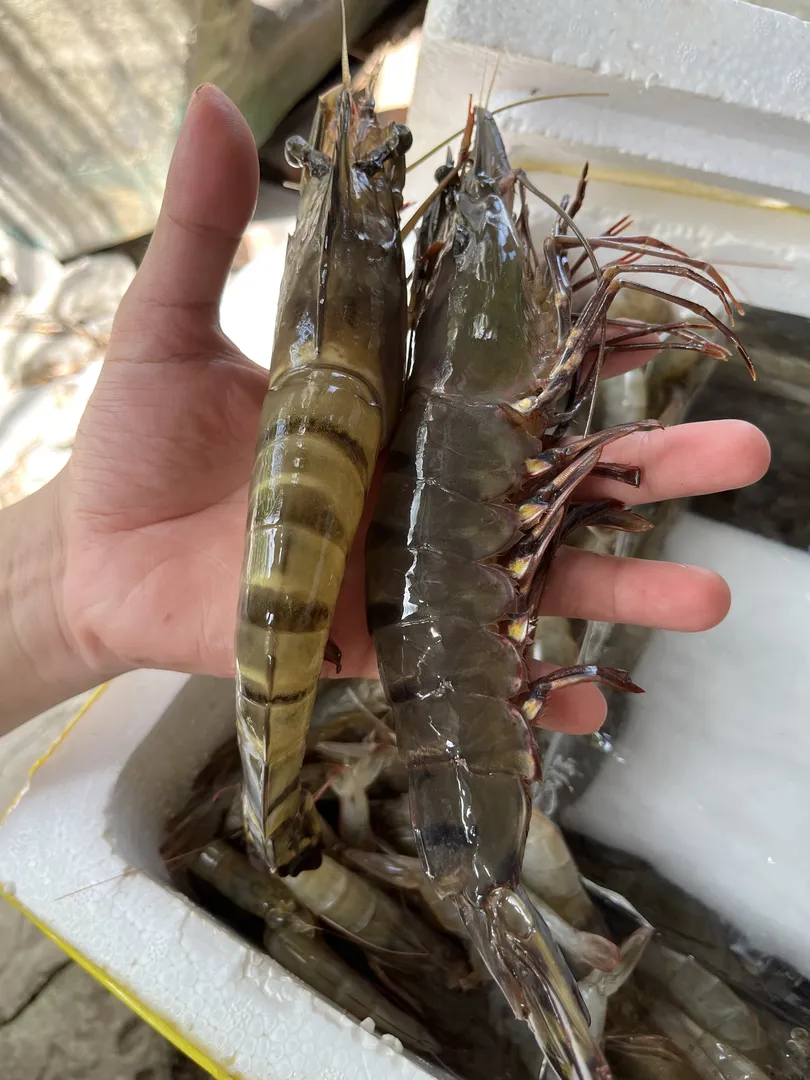
Ca Mau Black Tiger Shrimp
Ca Mau Black Tiger Shrimp
Large black tiger shrimp associated with mangrove aquaculture in Ca Mau, known for firm flesh and a cleaner, sweeter finish than intensively farmed shrimp.
Wild spirits of the mangroves, these black-banded gems deliver a firm, snappy texture and a sweetness that echoes the forest's vibrant life.
Fresh, mangrove-grown shrimp are a staple across the Mekong Delta.
2 Decoding Arsenic and Vitamin C
Yes, shrimp (like many other seafood and even some plant-based foods) can contain trace amounts of arsenic. This is usually in an organic form, which is generally considered much less toxic than inorganic arsenic. The key distinction here is "organic" versus "inorganic" arsenic.
The mythical conversion requires highly specific and extreme conditions that simply do not exist in the human digestive system or during typical food preparation. Here's why:
Arsenic Forms
The arsenic found in shrimp is predominantly organic (bound to carbon atoms), making it less bioavailable and less harmful. Inorganic arsenic, the form found in toxic quantities, is chemically different and far more dangerous.
Reaction Conditions
The conversion of organic arsenic to toxic inorganic arsenic and then to arsenic trioxide requires specific chemical catalysts, extreme pH levels, and controlled laboratory settings. Your stomach acid, while potent, does not replicate these conditions.
In fact, studies that have attempted to replicate such a reaction found that significant conversion requires harsh chemical environments and elevated temperatures, far beyond what happens during digestion. The notion of a simple food combination creating such a deadly outcome is scientifically unsupported.
A Harmony of Flavors, Not a Recipe for Disaster
From the coastal waters of Ca Mau to the floating markets of Can Tho, the Mekong Delta is a seafood paradise. And what is seafood without a squeeze of lime or a splash of orange?
The Acidity's Role
Citrus juice doesn't "convert" poison; it enhances flavor, tenderizes proteins slightly, and crucially, acts as a palate cleanser, cutting through the richness of seafood.
Regional Staples
Think of dishes like grilled prawns (tôm nướng) with lime salt, or various crab preparations that are almost always served with a side of lime and chili. These pairings are culinary traditions, not toxic experiments.

Heritage Ingredient
Mekong Giant Freshwater Prawn
Mekong Giant Freshwater Prawn
A river prawn with long blue claws and rich head fat, common in grilled prawn dishes and hotpot traditions across the Mekong basin.
Majestic blue-clawed warriors of the Mekong, famous for their rich, fatty heads and a savory depth that captures the essence of the delta's rivers.
Digestive Aid
The acidity can actually aid digestion for some, helping break down proteins and fats, making the meal more comfortable.
Across Southeast Asia, including the Mekong Delta, a meal featuring seafood is rarely complete without the bright, sharp notes of lime or tamarind.
4 Where True Danger Lies
While the shrimp-and-citrus myth is unfounded, there are genuine food safety concerns when it comes to seafood. These are the things to pay attention to:
🦐 Contamination & Handling
☣️ Allergic Reactions
🐟 Spoiled Seafood
Heritage Ingredient
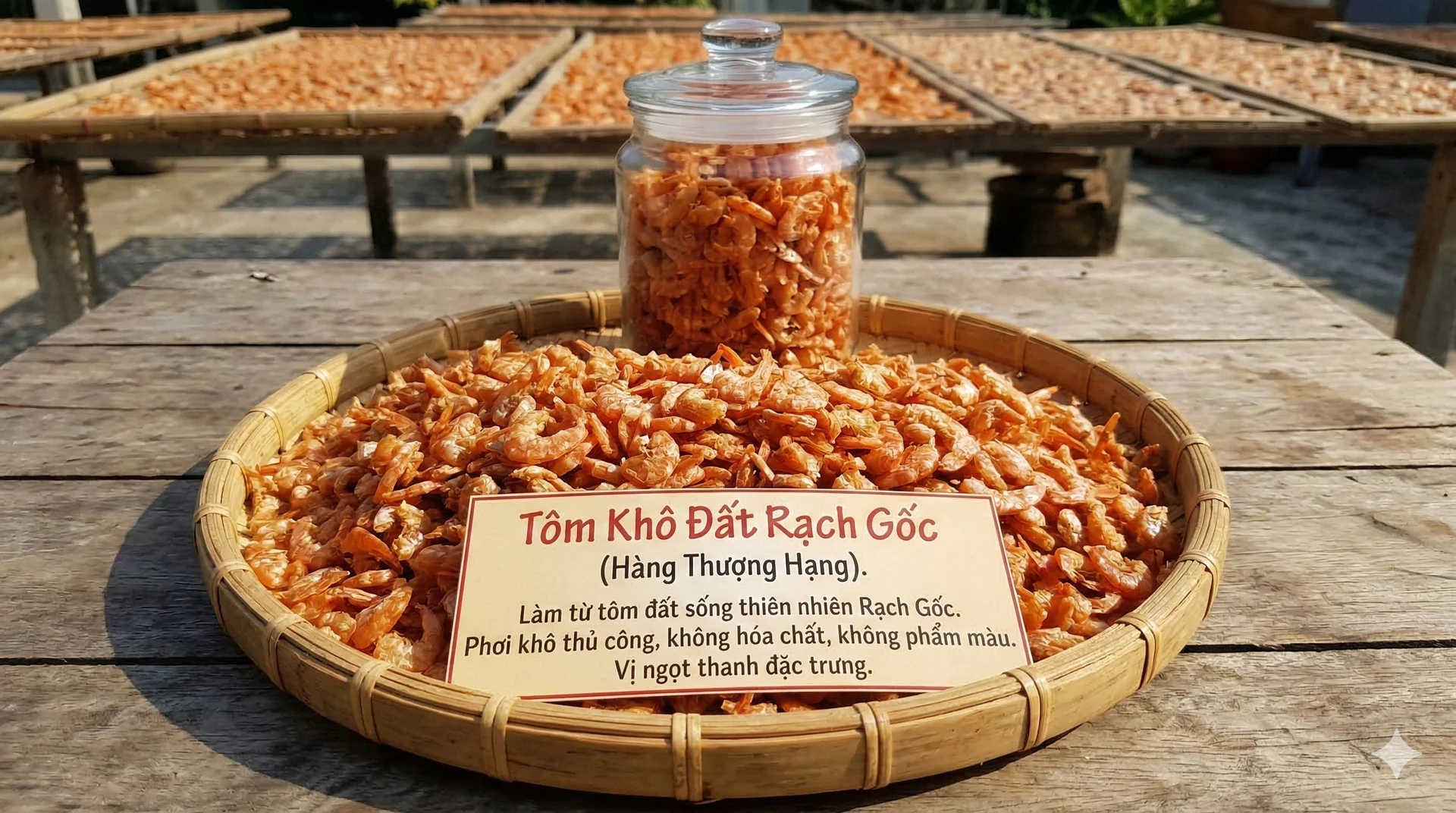
Sun-Dried Wild Shrimp from Rach Goc
Sun-Dried Wild Shrimp from Rach Goc
Traditional dried shrimp made from small wild shrimp, valued for natural sweetness and commonly used in Vietnamese salads, soups, and festive dishes.
Concentrated sunlight and sea salt in every bite, these crimson gems offer a deep, umami sweetness that whispers tales of Rach Goc's golden shores.
Sun-dried shrimp from Rach Goc are a testament to traditional preservation methods.
The Bottom Line: Enjoy Your Seafood!
The purported "poisoning" from shrimp and citrus is a widespread myth. It’s a prime example of how misinformation can spread online, often by distorting scientific principles.
In places like the Mekong Delta, where seafood is deeply ingrained in the culture and economy, such unfounded fears would discourage people from enjoying one of their most cherished and accessible food sources.
Focus on what truly matters:
- Source your seafood from trusted suppliers.
- Ensure proper refrigeration and cooking temperatures.
- Trust your senses – fresh seafood smells like the sea, not like ammonia or decay.
- Enjoy the delightful pairings of seafood with citrus. It's a culinary tradition that has stood the test of time for good reason.
Essential Mekong Delta Seafood Etiquette (and Taste)
If you find yourself by the water, embrace the local way of eating. It's not just about avoiding myths; it's about appreciating authenticity.
1. Freshness First
Live tanks at restaurants are the norm. Point to the prawns, crabs, or fish you want. It doesn't get fresher than this.
2. The Dip is King
Often, a simple dipping sauce is provided. In the Mekong, a "Muối Tiêu Chanh" (salt, pepper, lime) is ubiquitous for grilled and steamed seafood. It’s the perfect counterpoint.
3. Embrace the Mess
Eating crab or prawns with your hands is encouraged. Enjoy the process, the textures, and the flavors without reservation.
7 Navigating Online "Health" Advice
The internet is a powerful tool for information, but it's also a breeding ground for misinformation, especially concerning health and diet. Sensational claims often go viral because they tap into our natural fear and desire for simple explanations.
When encountering a startling health claim, especially one related to food combinations, consider:
- Source Credibility: Is the information coming from a scientific journal, a registered dietitian, a reputable health organization, or a random anonymous social media account?
- Scientific Plausibility: Does the claim align with established scientific knowledge? Does it make a fantastical leap without evidence?
- Emotional Appeal: Is the message designed to shock or scare you into believing it, rather than educate you with facts?
In the case of shrimp and vitamin C, the "science" presented often oversimplifies or misrepresents complex chemical reactions. Stick to reputable sources and critical thinking.
8 Final Verdict: No Danger Here
The myth that eating shrimp with orange or lime juice causes fatal arsenic poisoning is just that – a myth. The chemical conditions required for such a conversion are not met in the human body. Enjoy your delicious seafood, paired with the vibrant flavors of citrus, with confidence.
In the spirit of the Mekong Delta, where culinary traditions are rich and ingredients are celebrated, don't let unfounded fears rob you of incredible taste experiences. The rivers and coastlines of Vietnam offer some of the finest seafood in the world; savor it responsibly and deliciously.
More Health & Food Facts
View More Health & Nutrition
High Cholesterol and Crab Roe: A Warning for Heart Patients
While crab meat is lean, the delicious orange roe is packed with cholesterol. How to portion your seafood safely.
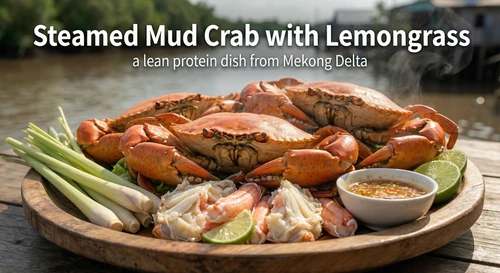
Body Hack: Eat Crab, Stay Snatched & Glowing
The truth about eating crab for weight loss. Scientific breakdown and a fancy 'Eat Clean' menu with Ca Mau Crab.
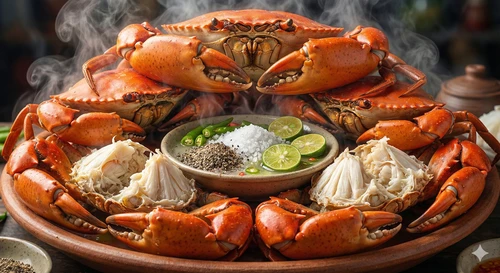
Is Mud Crab Keto-Friendly?
Zero carbs, high protein. The perfect diet food.
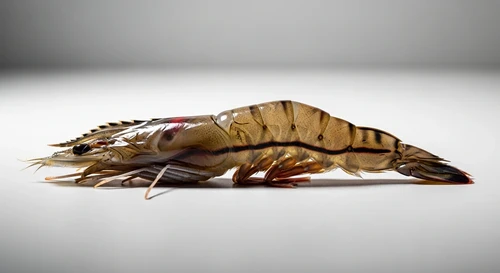
Is the Dark Vein Underneath a Prawn's Belly Toxic?
Dispelling internet rumors: the line running along the belly is a nerve cord and blood vessel, not a toxic digestive tract.
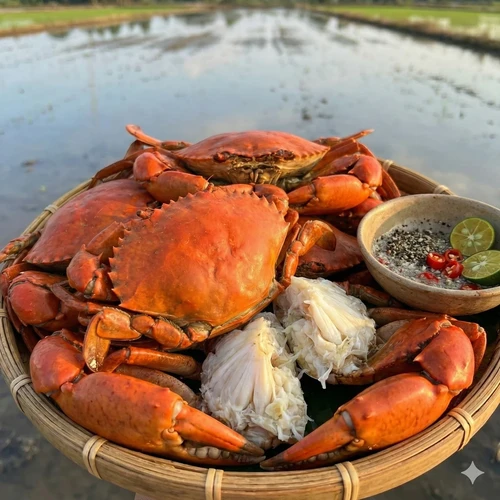
The Aphrodisiac Myth: Fact or Fiction?
Does crab really improve romantic performance?
Weight Loss: Crab as a Lean Protein
Feeling full longer with low calorie intake.
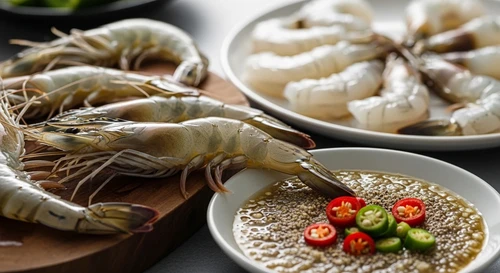
Is the Dark Vein in Shrimp and Prawns Toxic?
Clearing up the confusion about the digestive tract of crustaceans. It's not toxic, but here is why you should still remove it.
Post-Workout Meal: Crab Salad
Rapid recovery with high quality amino acids.
Is Ca Mau Crab Good for Muscle Building? A Protein Breakdown
Tired of chicken breast? Discover the amino acid profile, zinc, and lean protein benefits of Vietnamese mud crabs for fitness enthusiasts.