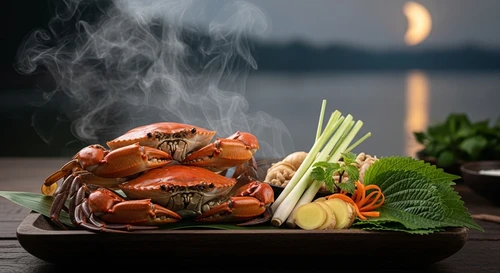
" The Mekong Delta, a labyrinth of waterways, is where much of the world's shrimp bounty originates. From the vast mangrove farms of Ca Mau to the bustling river markets, shrimp are life. But what happens once they leave these emerald waters, bound for distant supermarkets? "
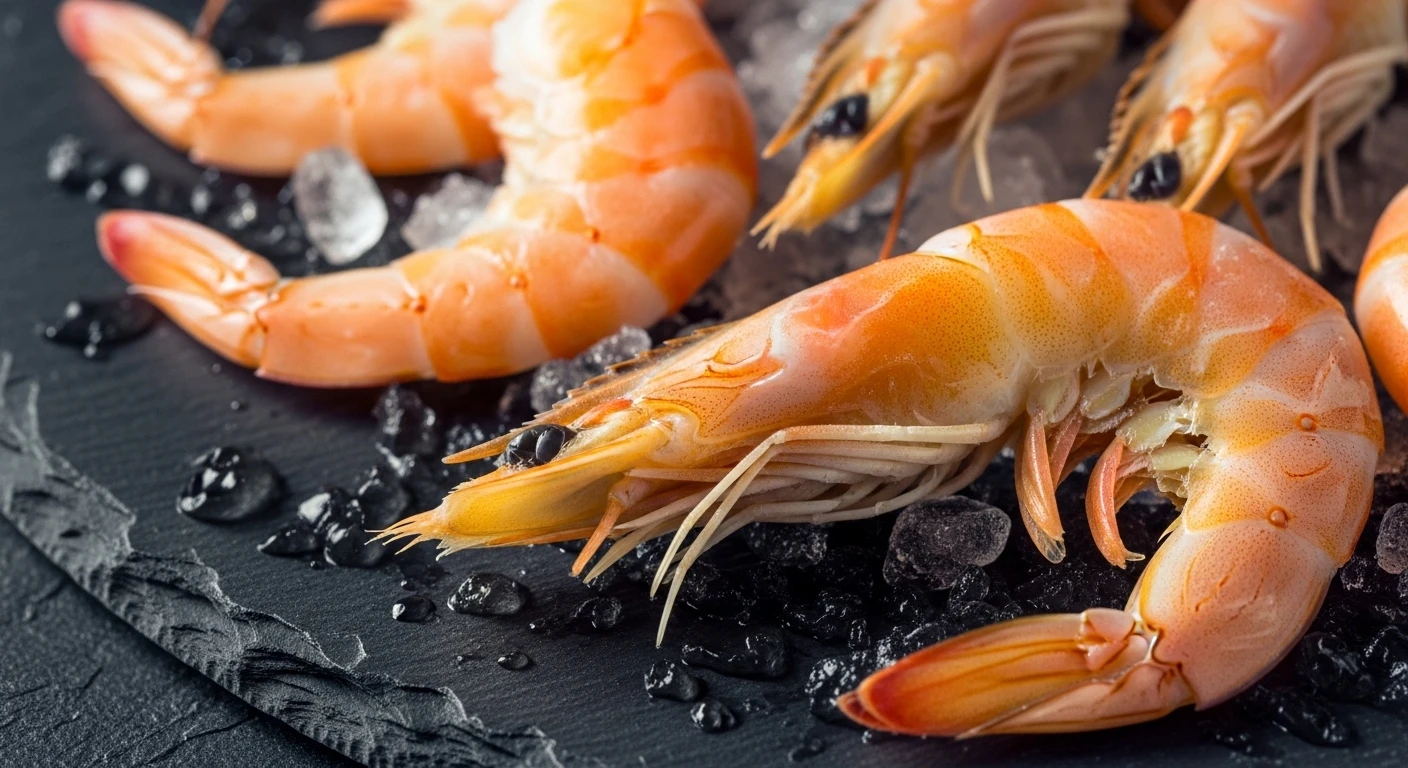
📸 The convenience of frozen, but at what cost?
1 The Convenience Trap: Why We Reach for Frozen
It's a weeknight. You're tired. The thought of peeling and deveining fresh shrimp feels like a Herculean task. That's where the magic of the freezer aisle comes in. Pre-shelled, deveined, and ready to toss into your pan. It's a modern culinary miracle, isn't it? But like many miracles, there's often a hidden ingredient or a subtle trade-off.
Supermarket frozen shrimp, especially shelled varieties, often undergo a process that extends their shelf life and maintains their visual appeal. This is where the investigation into preservatives begins. The goal is simple: to make that shrimp look as good on day 365 as it did on day 1.
2 The Suspect: Sodium Metabisulfite (SMB)
The primary culprit we're discussing is Sodium Metabisulfite (SMB), a chemical compound often used as a preservative and bleaching agent. In the context of shrimp, it plays a critical role in:
- Preventing Melanosis (Black Spot): This is the most common reason SMB is applied. After harvesting, shrimp naturally develop black spots due to an enzymatic reaction. SMB inhibits this enzyme, keeping the shrimp looking "fresh" and white.
- Maintaining Texture: It can help reduce water loss, making the shrimp appear plumper.
- Antioxidant Properties: It helps prevent spoilage.
You'll often find SMB listed on ingredient labels as a preservative or sometimes under its E-number, E223. For consumers in Western countries, its presence is legal and regulated, but understanding its implications is key to making informed choices.
3 From Ca Mau's Mangroves to Global Plates
The Mekong Delta, particularly provinces like Ca Mau, is a global powerhouse for shrimp aquaculture. Here, shrimp are raised in brackish waters within intricate mangrove systems or in more intensive farms. The journey from these waters to your plate is long and involves multiple stages: harvesting, sorting, processing, freezing, shipping, and finally, distribution.
It's during this extensive processing phase, often far from the initial farms, that interventions like SMB are most commonly applied. While producers aim to meet quality standards, the sheer scale of global seafood trade necessitates methods to preserve appearance and extend shelf life.
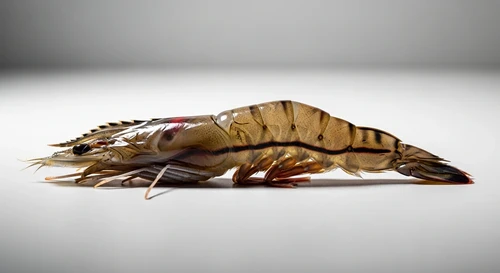
Consider the humble Ca Mau Black Tiger Shrimp (tom-su-ca-mau). Renowned for its firm flesh and clean, sweet flavor, this shrimp thrives in mangrove-rich environments. When you purchase frozen, shelled versions, the question arises: has this naturally sweet shrimp been treated to mask the inevitable, subtle changes that occur during its journey from the delta's waters?
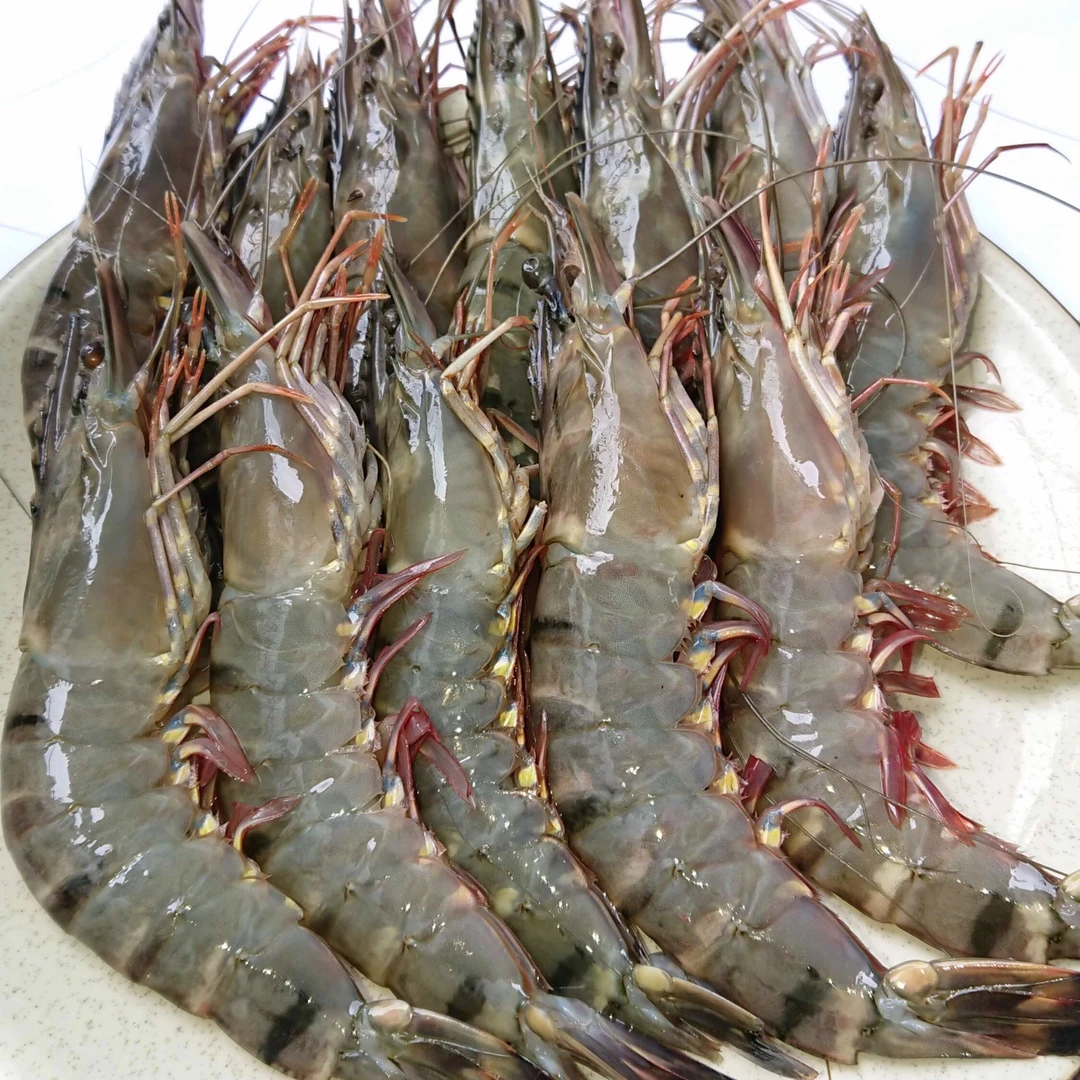
Heritage Ingredient
Whiteleg Shrimp
Whiteleg Shrimp
A widely used shrimp in Vietnamese home kitchens, suitable for stir-fries, soups, steamed dishes, and practical cooking articles that need a familiar shrimp reference.
Translucent jewels of the coast, thin-shelled and remarkably sweet, making every simple home meal feel like a seaside celebration.
Similarly, while the Mekong Giant Freshwater Prawn (tom-cang-ca-mau) is a different species, the general processing challenges for frozen shrimp apply across many varieties sourced from the region. The focus on appearance preservation can lead to the use of chemical treatments.
4 Beyond the Black Spot: Health Implications
For most people, consuming shrimp treated with regulated levels of sodium metabisulfite is generally considered safe. However, certain individuals may experience adverse reactions.
- Sulfites Sensitivity: People with asthma or sulfite sensitivity are particularly vulnerable. Sulfites can trigger allergic-type reactions, including hives, digestive upset, and respiratory distress.
- Nutrient Depletion: While not directly caused by SMB, the processing methods for frozen shrimp can sometimes lead to a slight reduction in certain heat-sensitive vitamins.
- Digestive Issues: Some individuals report mild digestive discomfort after consuming sulfite-treated foods, even without a diagnosed sensitivity.
Regulatory bodies like the FDA in the US and EFSA in Europe set maximum permitted levels for sulfites in food products. However, the cumulative effect of consuming multiple sulfite-containing foods throughout the day can still be a concern for some.
5 Decoding the Label: Your Best Defense
The best strategy is to become a label detective. Here's what to look for:
- "Preservative (Sodium Metabisulfite)" or "Contains Sulfites": This is the clearest indicator.
- "Previously Frozen": While not always indicative of SMB, it means the product has undergone a freezing process.
- "Wild Caught" vs. "Farmed": This can be a nuanced indicator. Farmed shrimp, especially those processed in large volumes, might be more likely to undergo chemical treatments for appearance. Wild-caught shrimp might be flash-frozen more quickly at sea.
- "Individually Quick Frozen (IQF)": Often a good sign, as this method aims to freeze shrimp rapidly to preserve quality with less need for chemical intervention.
Look for packaging that highlights minimal processing or direct sourcing from reputable fisheries. For instance, if a brand emphasizes flash-freezing at sea, it might be a safer bet.
6 Beyond the Bypass: Seeking Purer Shrimp
If you're concerned about sulfites or simply want the purest seafood experience, consider these alternatives:
- Buy Fresh, Unpeeled Shrimp: The best way to know what you're getting. Peel and devein them yourself at home. This allows you to control the entire process.
- Look for "No Preservatives Added" Claims: While always scrutinize these claims, they can be a starting point.
- Explore Specialty Markets: Local fishmongers or Asian markets often have a better understanding of their sourcing and may carry shrimp with fewer additives.
- Consider Other Seafood Forms: Fresh fish, scallops, or mussels often require less processing and therefore fewer preservatives.
The traditional methods of preserving seafood in the Mekong Delta, like Sun-Dried Wild Shrimp from Rach Goc (tom-kho-dat-rach-goc), offer a glimpse into natural preservation techniques. While not directly comparable to fresh frozen shrimp, they highlight a different approach to extending the life of seafood without synthetic chemicals.
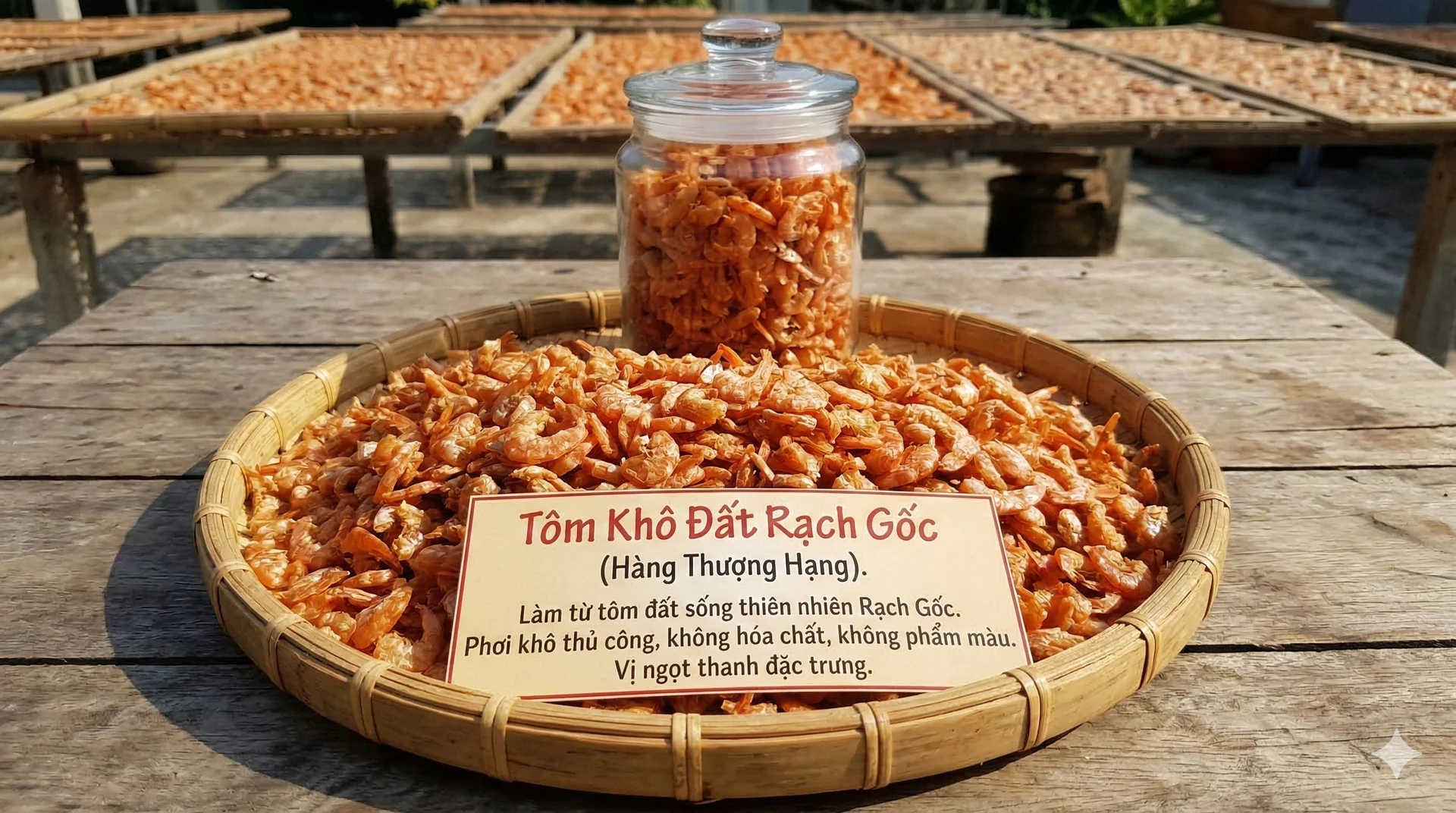
Heritage Ingredient
Sun-Dried Wild Shrimp from Rach Goc
Sun-Dried Wild Shrimp from Rach Goc
Traditional dried shrimp made from small wild shrimp, valued for natural sweetness and commonly used in Vietnamese salads, soups, and festive dishes.
Concentrated sunlight and sea salt in every bite, these crimson gems offer a deep, umami sweetness that whispers tales of Rach Goc's golden shores.
7 A Call for Clearer Labels
The issue of preservatives in seafood highlights a broader challenge in the global food system: transparency. Consumers want to know what they are eating, where it comes from, and how it was processed. While regulations exist, clearer labeling that explicitly states the use of certain preservatives would empower consumers to make choices aligned with their health and dietary preferences.
As global supply chains become more complex, the journey from the riverbanks of the Mekong to our dinner plates is one that requires our attention. Understanding the role of ingredients like sodium metabisulfite is a crucial step in becoming a more conscious consumer, ensuring that convenience doesn't come at the expense of our well-being.
8 Making Informed Choices for a Healthier Plate
Ultimately, the goal is to enjoy the delicious bounty of the sea without compromising on health. By being vigilant about food labels, understanding common processing aids, and seeking out purer sources, you can navigate the supermarket seafood aisle with confidence.
Remember, the vibrant, natural sweetness of shrimp from places like Ca Mau doesn't need much enhancement. Let's aim to savor that authentic flavor, free from unnecessary chemical interventions.
Curious About Seafood Authenticity?
Dive deeper into the unique flavors and sourcing of Western Vietnam's seafood.
🐟 Explore Authentic Flavors