" Forget the tourist traps and the soulless pho joints. True Hanoi breakfast is about subtlety, freshness, and a delicate dance of flavors that whispers rather than shouts. "

📸 A steaming bowl of comfort: The essence of a Northern Vietnamese morning.
1 The Northern Philosophy: Delicate & Bright
While Southern Vietnamese cuisine often celebrates bold, pungent, and sweet flavors, Northern Vietnamese cooking, particularly in Hanoi, leans towards balance, subtlety, and freshness. Think delicate broths, fewer spices, and a greater emphasis on the natural sweetness of ingredients.
This vermicelli dish is a prime example. It's not a fiery, overwhelming bowl. Instead, it’s a gentle introduction to the day, built on layers of nuanced flavor that unfold with each spoonful. It’s the kind of food that nourishes both body and soul, much like the quiet mornings spent by the Red River.
Mekong vs. Hanoi
While the Mekong Delta is famous for its robust seafood, like the mighty Ca Mau Mud Crab, Hanoi cuisine often refines these ingredients into lighter, more elegant presentations.
The Betel Leaf Twist
The use of betel leaf is a common thread across Vietnam, but here, it’s used to infuse the prawn mince with a distinct, peppery aroma as it cooks, a technique that speaks to the resourcefulness and creativity of Vietnamese cooks.
2 Ingredients: Freshness is King
The Prawns
The heart of this dish lies in the quality of the prawns. In Hanoi, and across Vietnam, the focus is always on the freshest catch.
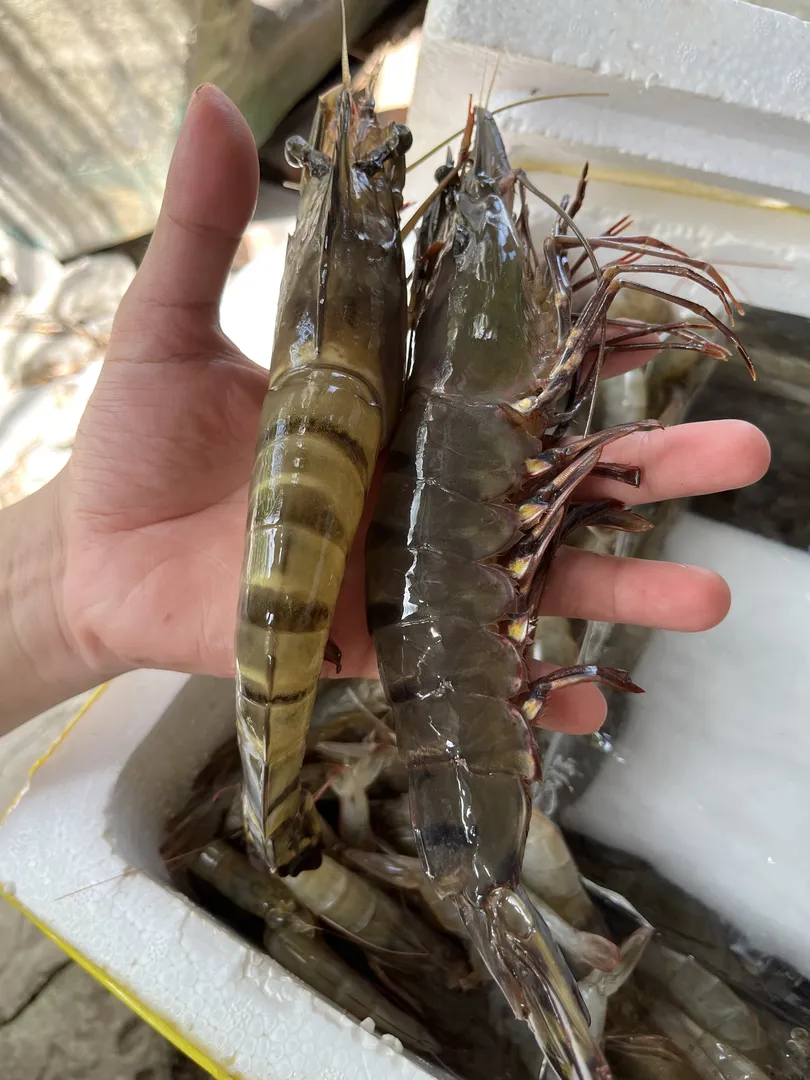
Heritage Ingredient
Ca Mau Black Tiger Shrimp
Ca Mau Black Tiger Shrimp
Large black tiger shrimp associated with mangrove aquaculture in Ca Mau, known for firm flesh and a cleaner, sweeter finish than intensively farmed shrimp.
Wild spirits of the mangroves, these black-banded gems deliver a firm, snappy texture and a sweetness that echoes the forest's vibrant life.
The vibrant orange hue and sweet, firm flesh of Ca Mau Black Tiger Shrimp are ideal for this dish.
The Crab Roe
The description mentions "bright red steamed shrimp roe." This likely refers to the naturally vibrant roe found in some crustaceans, or it could be a poetic description of the minced prawn itself. However, in Northern soups, a subtle, rich broth is key. Sometimes, a touch of crab roe is added to the broth for depth.
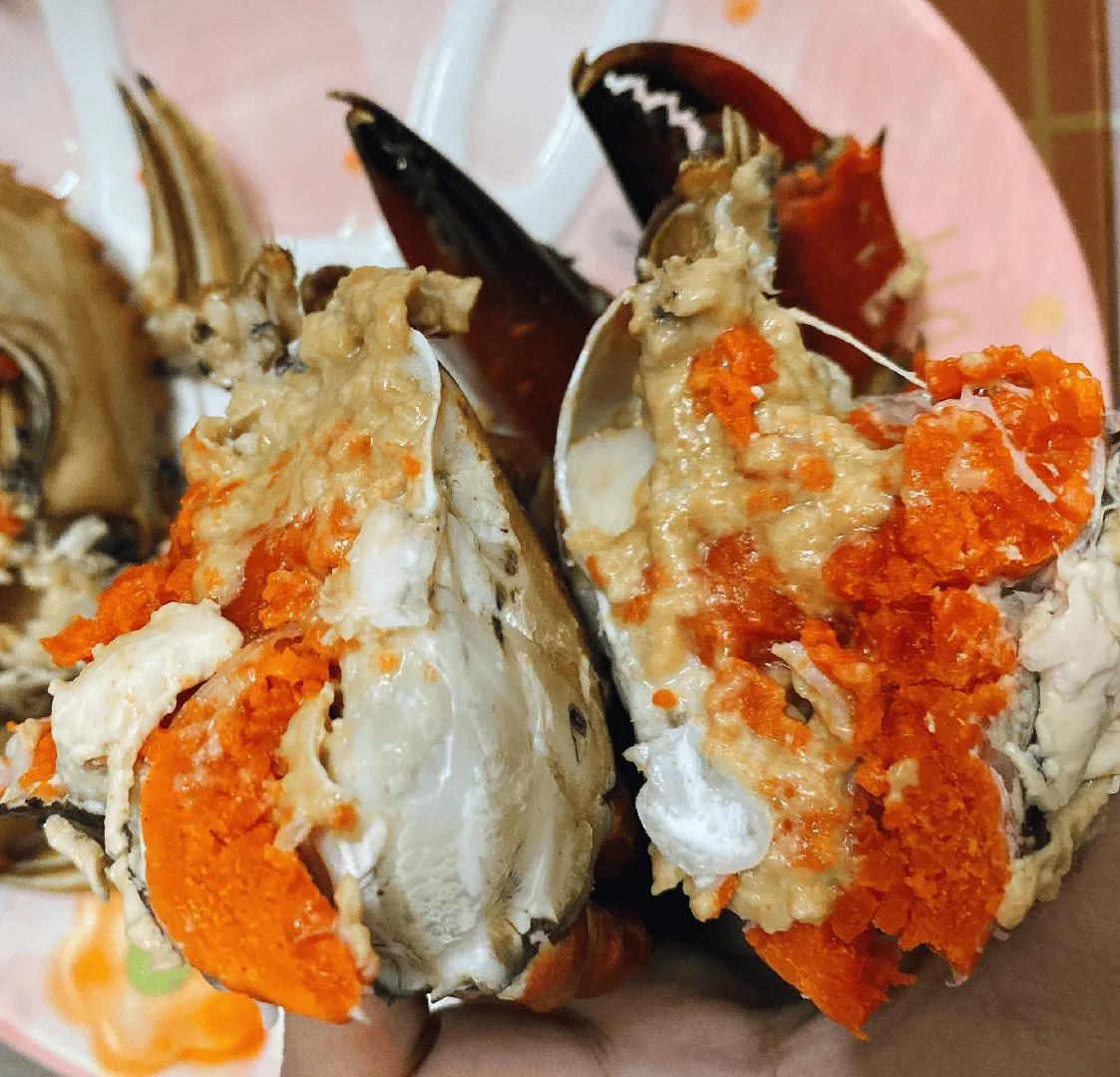
Heritage Ingredient
Ca Mau Roe Mud Crab
Ca Mau Roe Mud Crab
A female mud crab known for deep orange roe and a rich, creamy finish, often featured in celebratory Southern Vietnamese seafood meals.
A crimson treasure hidden within a shell, boasting rich, creamy roe that melts on your tongue like a golden sunset over the delta.
While this dish focuses on prawns, the use of premium roe crab, like this Ca Mau Roe Mud Crab, is common in many rich Vietnamese seafood broths, showcasing the importance of this ingredient in celebratory meals.
Aromatics & Garnish
- Vermicelli Noodles (Bun): Thin, delicate rice noodles are essential.
- Betel Leaves (La Lot): These impart a unique peppery aroma when grilled or fried.
- Minced Prawn: Freshly ground tiger prawns, seasoned simply.
- Broth: A clear, light, often seafood-based broth, sometimes enriched with a hint of crab roe or fermented shrimp paste.
- Garnishes: Fresh herbs like mint and cilantro, chili slices, and sometimes a splash of lime.
3 The Dance of Sizzle and Scent: La Lot Rolls
The "sizzling, fragrant shrimp rolls wrapped in betel leaves" are the unsung heroes of this dish. This technique, often seen in dishes like Bún Chả Lá Lốt, elevates simple minced meat into something extraordinary.
Here's how it works:
- Preparation: Fresh tiger prawns are finely minced. They are then seasoned with a touch of fish sauce, pepper, and perhaps a whisper of garlic or shallot.
- Wrapping: A small amount of this prawn mixture is placed onto a betel leaf, which is then carefully rolled to encase the filling. The natural oils of the betel leaf start to infuse the prawn.
- The Sizzle: These rolls are then typically pan-fried or grilled until the betel leaf becomes slightly charred and fragrant, and the prawn filling is cooked through and beautifully aromatic. The heat releases the peppery essence of the leaf, creating a scent that’s instantly appetite-stimulating.
These rolls are added to the vermicelli soup at the last minute, ensuring they retain their texture and their intoxicating aroma. The betel leaf, with its slightly bitter, peppery notes, perfectly complements the sweetness of the prawn and the delicate broth.

📸 The secret weapon: Betel leaves imparting their signature fragrance.
4 The Broth: A Clear, Light Foundation
Unlike the hearty, often pork-based broths of Phở, or the complex, seafood-rich broths of Southern dishes, the broth for this vermicelli is designed to be a subtle canvas. It should highlight, not overpower, the main ingredients.
A typical broth might be made from:
- Fish or Shrimp Stock: Made from simmering prawn shells and heads (and perhaps some white fish bones) for a clean, oceanic flavor.
- Aromatic Vegetables: Shallots and garlic, sautéed lightly to release their fragrance without browning too much.
- Seasoning: Primarily salt and fish sauce, used judiciously to enhance the natural sweetness.
- The Roe Element: If the "bright red steamed shrimp roe" refers to an actual ingredient in the broth, it could be a small amount of finely minced prawn mixed with a touch of fermented shrimp paste (mắm tôm chua), carefully balanced to add umami without dominating. This paste, common in the Mekong Delta, adds a distinctive, pungent depth when used correctly in small quantities.
The goal is a broth that is crystal clear, lightly savory, and carries a faint, sweet whisper of the sea, preparing the palate for the more assertive flavors of the betel leaf rolls and fresh herbs.
5 The Art of the Bowl
A Step-by-Step Assembly
- Base: A generous portion of cooked vermicelli noodles goes into a deep bowl.
- Broth: Ladle the hot, clear broth over the noodles. Ensure it's steaming gently.
- The Rolls: Carefully place the freshly fried or grilled betel leaf prawn rolls on top of the noodles.
- Garnish: Scatter fresh herbs like cilantro and mint. Add chili slices for those who desire heat.
- The Final Touch: A wedge of lime for squeezing, allowing diners to adjust the acidity to their preference.
6 From the North to the Delta
While this dish is quintessentially Hanoian, the ingredients and techniques resonate across Vietnam. The reliance on fresh, local seafood is a common thread, from the northern coastlines to the bountiful Mekong Delta. The use of betel leaf for flavor and aroma, though more prominent in the North for this specific dish, is a technique that can be found in various regional specialties throughout the country. The subtle balance of flavors, however, remains a hallmark of Northern Vietnamese culinary artistry.
Think of how the vibrant prawn dishes of the Mekong, utilizing perhaps Mekong Giant Freshwater Prawns, are prepared with grilling and chili-lime dips. This Hanoi vermicelli offers a softer echo of that same respect for seafood, a gentler, more aromatic prelude to the day.
7 The Morning Ritual
Eating this vermicelli isn't just about sustenance; it's about participating in a ritual. It’s the soft hum of a Hanoi morning, the clinking of bowls, the murmur of conversations in a local eatery. It’s the moment you break your fast with something clean, flavorful, and crafted with care.
In a city famous for its street food, this dish offers a refined experience. It’s the perfect example of how Vietnamese cuisine can be both comforting and sophisticated, using simple, fresh ingredients to create profound depth of flavor. It’s a breakfast that sets a tone of clarity and gentle energy for the day ahead, a stark contrast to the often heavy or overly sweet options found elsewhere.
8 Chef's Whispers
🍤 Can I use other seafood?
🌶️ How to make it spicier?
🌿 What if I can't find Betel Leaves?
More Northern Flavors
View More Food & Culinary
Macau Style Curry Crab: Rich, Coconutty, and Aromatic
A beautiful blend of Indian spices and Southeast Asian coconut milk, perfect for dipping crusty bread.
Be Highly Vigilant with Market Stalls Selling Shrimp Marinated in Urea Chemicals to Keep Them Fresh
Dead shrimp are dipped in urea fertilizer solutions, making the meat stiff and the shell shiny, but posing cancer risks.
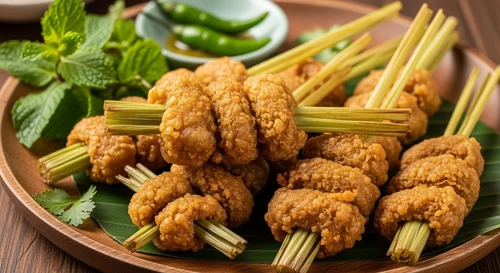
Hand-Pounded Shrimp Paste Wrapped Around Lemongrass Stalks
A bouncy, flavorful appetizer. Minced tiger shrimp paste fried golden brown, infusing the aroma of the lemongrass skewer.
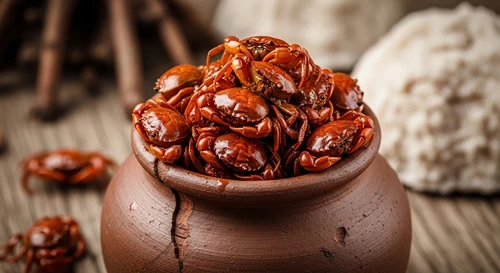
Mam Ba Khia: The Ancient Art of Fermenting Crabs
Discover the traditional Rach Goc method of salting and fermenting these tiny crabs to preserve them year-round.
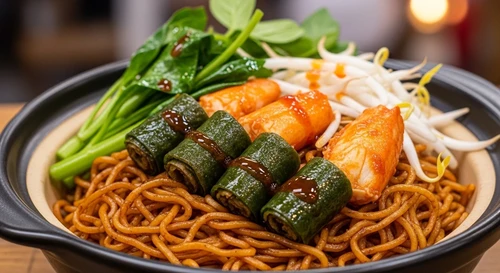
Hai Phong Dry Stir-fried Crab Noodles (Banh Da Cua)
A twist on the traditional soup, turning brown tapioca noodles into a dry stir-fry with betel leaf rolls and crab meat.
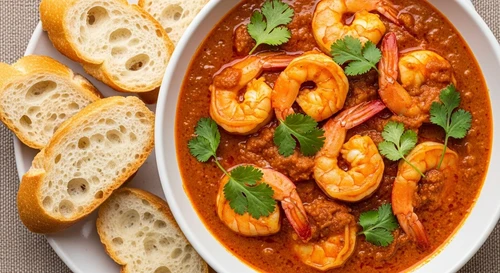
Indian-Style Prawn Curry: A Bold Weekend Flavor Shift
Robust curry powders, lemongrass, and coconut milk simmered with firm, meaty freshwater prawns. Serve with toasted baguette.
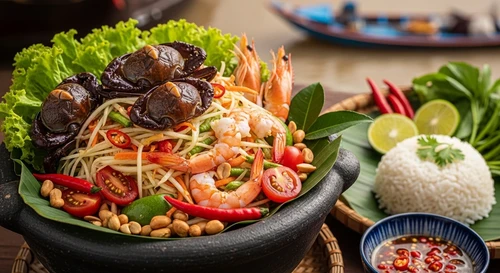
Som Tum with Salted Crab: The Spicy Thai-Vietnamese Crossover
Using fermented Ba Khia to add a deep, umami punch to a fiery green papaya salad. Bring the Bangkok street vibe home.
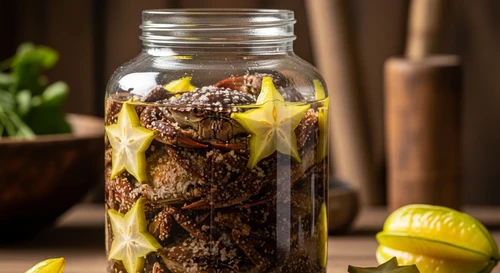
How to Desalinate Store-Bought Mam Ba Khia
Did you buy a jar that is overwhelmingly salty? Use boiling water and star fruit to balance the flavor before serving.
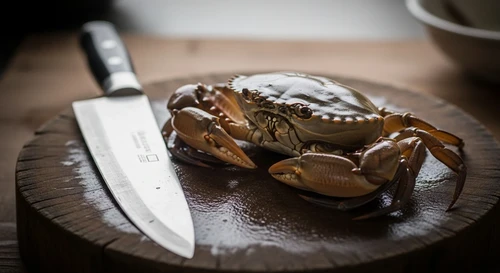
How to Humanely Dispatch a Crab Before Cooking
A quick thrust with a knife or scissors to the nerve center. A guide to humane and safe seafood preparation.