" This isn't your gentle, sweet green papaya salad. This is a primal roar of flavor. It’s the taste of sun-baked riverbanks, of the salty tang of the coast, and the relentless heat of a Mekong summer day. "
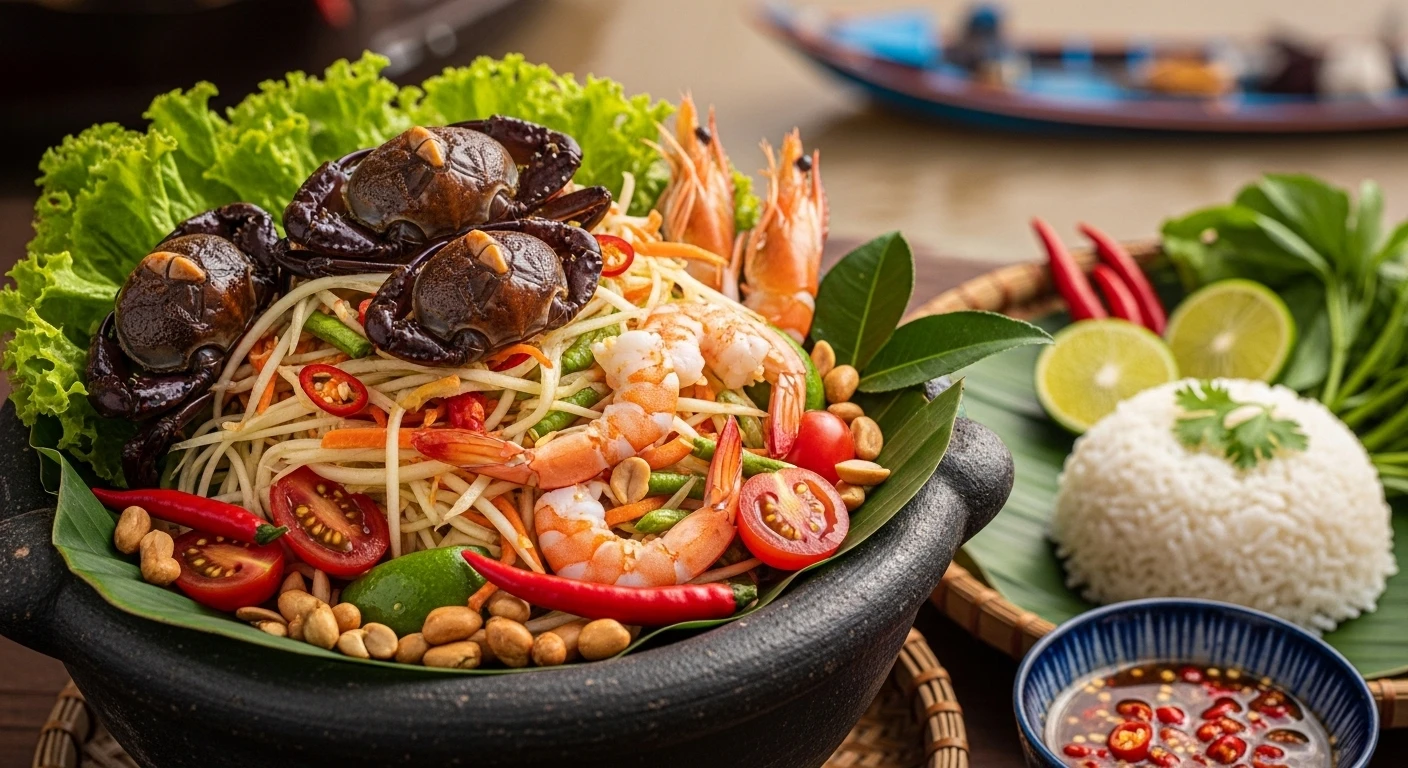
📸 A vivid explosion of color and spice.
1 The Soul of the Mekong Delta: Beyond the Papaya
When most people think of Som Tum, they picture the familiar Thai version: green papaya pounded with peanuts, lime, and chili. But venture into the southern reaches of Vietnam, especially the western provinces that kiss the South China Sea, and you'll encounter a beast of a different flavor. This isn't just a salad; it's a testament to the ingenuity of coastal communities and the deep, complex flavors derived from the region's bounty.
The secret weapon here isn't just the chili, though there’s plenty of that. It’s the seafood, specifically the fermented kind. We’re talking about fermented mangrove crabs, known locally as Ba Khia. These small, intensely flavored crustaceans, preserved in brine, bring an electrifying umami punch that transforms the humble green papaya salad into something truly legendary. It's the taste of the salt flats, the mangrove estuaries, and the enduring spirit of the Mekong Delta.
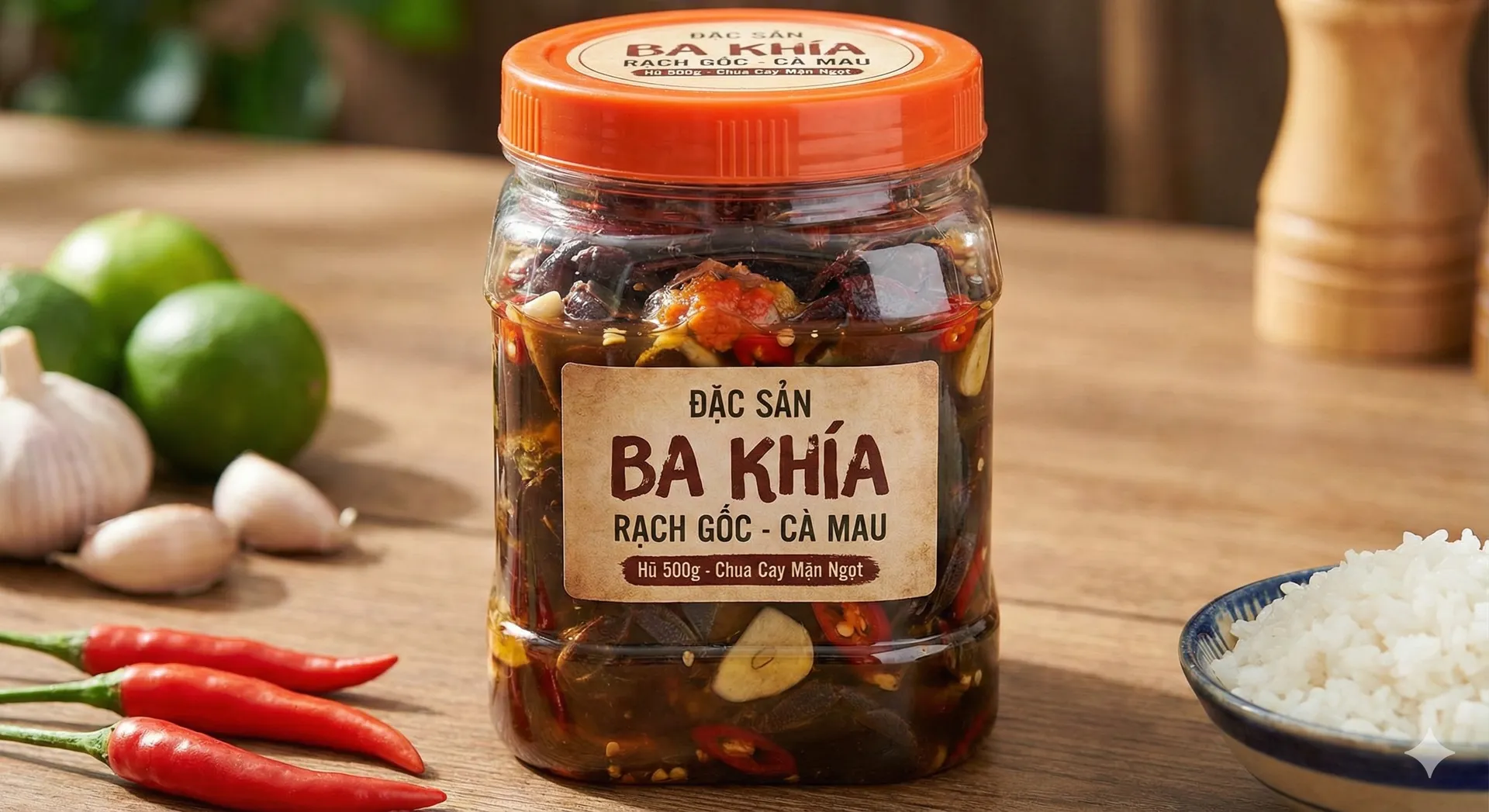
Heritage Ingredient
Fermented Mangrove Crab (Ba Khia)
Fermented Mangrove Crab (Ba Khia)
A traditional fermented crab specialty from the mangrove region of Rach Goc, often cited in articles about rustic Mekong Delta flavors and preserved seafood culture.
The salty-sour heartbeat of the wild south, where traditional fermentation turns forest crabs into a nostalgic explosion of rustic Mekong soul.

Heritage Ingredient
Ca Mau Mudskipper
Ca Mau Mudskipper
A mangrove mudskipper from Ca Mau, often grilled with chili salt and featured in articles about unusual delta seafood and mudflat ecosystems.
The acrobatic spirit of the mudflats, delivering a fragrant, smoky flesh that embodies the untamed beauty of Ca Mau's mangrove world.
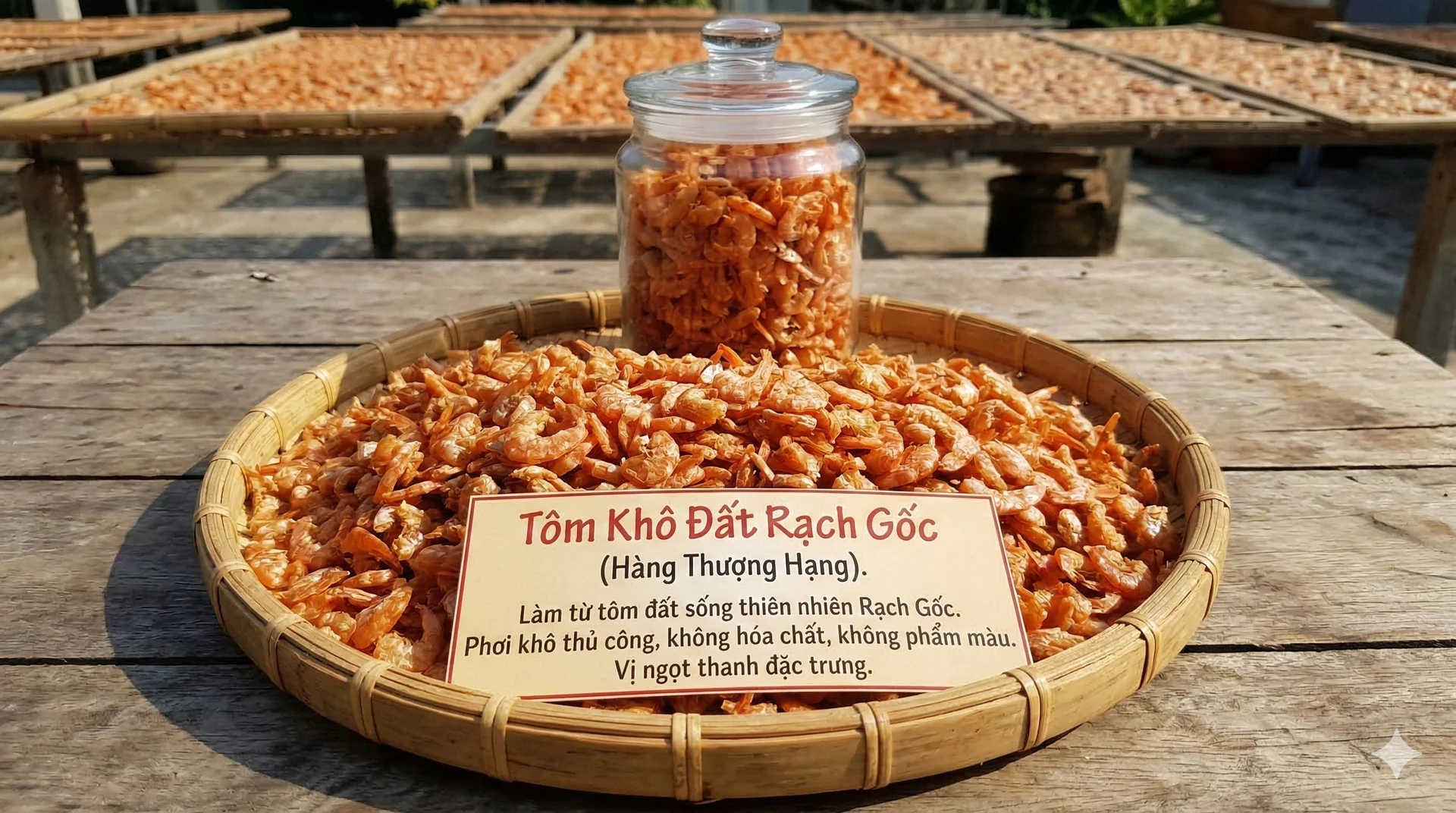
Heritage Ingredient
Sun-Dried Wild Shrimp from Rach Goc
Sun-Dried Wild Shrimp from Rach Goc
Traditional dried shrimp made from small wild shrimp, valued for natural sweetness and commonly used in Vietnamese salads, soups, and festive dishes.
Concentrated sunlight and sea salt in every bite, these crimson gems offer a deep, umami sweetness that whispers tales of Rach Goc's golden shores.
2 The Symphony of Spice and Umami
This dish is a masterclass in balancing potent flavors. It’s not for the faint of heart, but if you crave intensity, you’ve found your holy grail. We’re talking layers of heat, tang, salt, and that indescribable depth that only comes from properly fermented seafood.
The Star Players
- Green Papaya: Young, firm, and shredded. The neutral canvas for our masterpiece.
- Fermented Ba Khia (Salted Crab): The undisputed king of flavor. Its brine and funky essence are crucial. You can often find these at Asian markets.
- Fresh Shrimp: For a sweet, briny contrast.
- Tom Khô (Dried Shrimp): Adds a concentrated chewiness and sweet-savory note.
The Fire & Zest Brigade
- Thai Bird's Eye Chilies: Plenty. Be brave.
- Garlic: Fresh cloves, essential for pungency.
- Lime Juice: For that vital acidic brightness.
- Fish Sauce: A good quality, fragrant one.
- Palm Sugar: Just a touch to round out the sharp edges, but don't make it sweet.
- Peanuts: Roasted, for crunch and richness (optional, some regional variations omit).
- Tomatoes: Cherry tomatoes, halved, for a burst of juicy freshness.
3 The Dance of the Mortar and Pestle
The soul of any great Som Tum lies in the methodical, rhythmic pounding. This isn't about chopping; it's about bruising, releasing essences, and melding flavors. Imagine the scene: a street vendor in Can Tho, the humid air thick with the scent of chilies and brine, the steady *thump-thump-thump* of their pestle against the clay mortar. That’s the sound of tradition.
Infuse the Aromatics
In a large clay mortar (preferred for its texture, but a heavy stone one works), pound the garlic cloves and chilies to a rough paste. Adjust chili quantity to your heat tolerance – start with 3-4, then add more if you dare.
Introduce the Salted Crab
Add the fermented Ba Khia to the mortar. Gently bruise them. You don’t want to pulverize them completely, just enough to release their potent brine. Add the dried shrimp too.
The Papaya Ballet
Add the shredded green papaya and cherry tomatoes. Now, begin the gentle pounding and tossing motion. You’re not smashing; you’re coaxing. The goal is to coat the papaya without turning it into mush. Add the fresh shrimp towards the end.
The Seasoning Kiss
Drizzle in the lime juice, fish sauce, and a pinch of palm sugar. Taste and adjust. This is where the magic happens. It should be intensely savory, spicy, sour, and just a whisper sweet. Toss until everything is beautifully married.
Beyond the Bowl: Presentation Matters
This dish is a party on a plate. Serve it immediately to preserve the crunch and vibrant flavors.
Garnish Glory
Sprinkle generously with roasted peanuts for that essential crunch.
The Perfect Pairing
Serve with sticky rice or a simple bowl of plain rice to temper the heat.
Thirst Quencher
A cold, crisp lager or a refreshing glass of iced tea is your best friend here.
5 Insider Tips from the Riverbanks
Every family in the Mekong Delta has their own subtle twist on this classic. Here are a few secrets whispered from the kitchens along the rivers:
-
The 'Secret' Ingredient: Mama's Shrimp Paste
Some grandmothers swear by a tiny bit of mam ruoc (fermented shrimp paste) for an even deeper savory note. Use sparingly!
-
The Brine is Life
Don't discard the brine from your Ba Khia! It’s liquid gold. Use a little of it in your dressing for an authentic kick.
-
Beyond Papaya: Mango's Tangy Cousin
In some coastal areas, unripe mangoes are used instead of papaya for an even sharper tang. Seek out young, green mangoes.
-
Heat Control: The Chili Symphony
The real pros often use a mix of fresh chilies for bright heat and dried chilies (rehydrated) for a deeper, smoky warmth. Experiment!
6 The Thai-Vietnamese Bridge
This dish is a fascinating culinary handshake. While Som Tum is quintessentially Thai, its presence and adaptation in Vietnam, particularly in the south, showcases the beautiful fluidity of Southeast Asian food culture. The Vietnamese love for fermented seafood, a cornerstone of Mekong Delta cuisine, is what elevates this dish. It takes the familiar structure of Som Tum and injects it with the robust, complex flavors that are unmistakably Vietnamese, creating a hybrid that is both comforting and thrillingly new. It’s a testament to how borders blur when delicious food is involved.
7 The Alchemy of Fermentation
Fermentation, especially of seafood, is an ancient art in coastal Vietnam, particularly in regions like Ca Mau and Rach Goc. It's not just about preservation; it's about transformation. The natural enzymes and bacteria break down proteins and fats, creating a cascade of complex flavors – the coveted 'umami' – that raw or cooked ingredients simply can't achieve. Ba Khia, when fermented correctly, develops a salty, slightly sour, and deeply savory profile that is utterly addictive. It’s a taste that speaks of the sea, of tradition, and of a deep respect for ingredients.
8 Bringing the Bangkok Street Vibe Home
While this dish has deep Mekong roots, the spirit of a bustling Bangkok street food stall – the rapid preparation, the bold flavors, the sheer sensory overload – is undeniably present. You might not have a clay mortar on your apartment balcony, but you can recreate that magic. Source the best ingredients, embrace the heat, and don’t be afraid to get your hands a little messy. This is more than just a recipe; it’s an invitation to experience the vibrant, untamed heart of Southeast Asian street food, right in your own kitchen.
Need More Heat?
Ready to dive deeper into the fiery world of Vietnamese cuisine?
🌶️ Discover Spicy Crab Stir-Fry