" The Mekong Delta. A land of bounty, where the rivers teem and the markets pulse with life. But beneath the vibrant surface, a darker current can flow, threatening the very essence of its culinary treasures. "
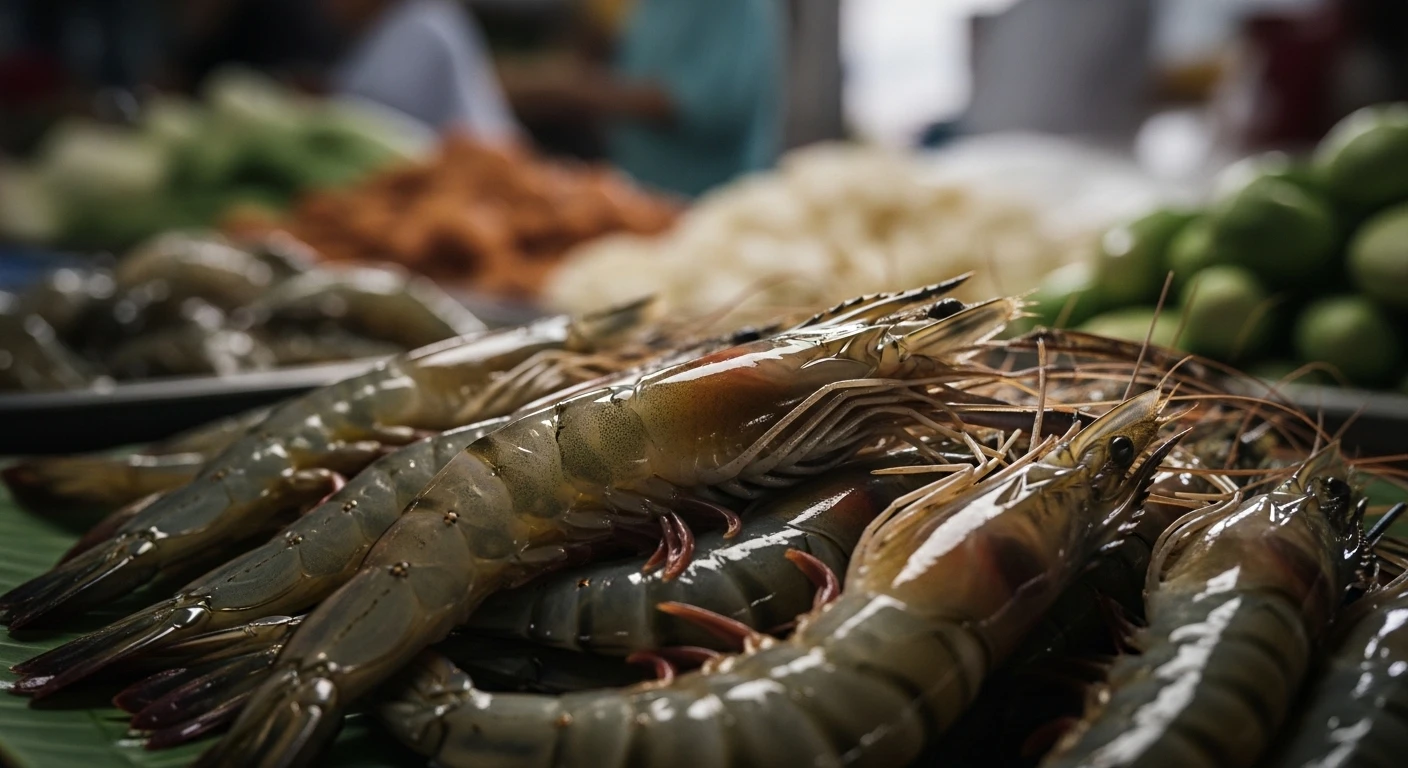
📸 A deceiving sheen: Freshness that lies.
1 The Mekong's Bounty, and its Risks
The Mekong Delta, a vast labyrinth of rivers, canals, and fertile plains, is Vietnam's agricultural heartland and a cornerstone of its seafood industry. From the vast mangrove forests of Ca Mau to the bustling floating markets of Can Tho, the region offers an almost unparalleled variety of fresh produce and aquatic life. Shrimp, crabs, and an endless array of fish are the lifeblood of many communities here, forming the basis of local economies and culinary traditions that have been honed over centuries.
It's a place where the rhythm of life is dictated by the tides and the seasons. Fishermen head out before dawn, their boats laden with the promise of the day's catch. Local markets, like the iconic Dam Sen market in Ca Mau or the waterfront markets in My Tho, are a riot of color and sound, showcasing the incredible biodiversity of the region. This abundance, however, also presents challenges. Maintaining the freshness of seafood from the point of catch to the consumer's plate is a constant battle against the tropical heat.
While traditional methods of preservation – like salting, drying, and fermenting – are deeply ingrained in Vietnamese food culture, the pressure to present "fresh" products, especially in competitive market environments, can unfortunately lead some unscrupulous vendors to resort to dangerous shortcuts. This is where the practice of treating shrimp with urea comes into play, a stark contrast to the natural, honest flavors the Mekong Delta is celebrated for.
2 How Urea Harms
Urea, a common nitrogen-based fertilizer, has no place in food preparation. Its use in seafood is purely a deceptive tactic to mimic freshness. Here's how it works and why it's so dangerous:
The Deception
When dead shrimp are dipped into a solution of urea fertilizer, a chemical reaction occurs. The ammonia produced causes the protein in the shrimp meat to coagulate, making it appear firmer and stiffer, as if it were just caught. The shells also take on a glossy, appealing sheen, further enhancing the illusion of freshness.
The Health Risks
This is where the real danger lies. Urea is toxic. Consuming food contaminated with it can lead to severe health problems. Short-term effects can include digestive distress, nausea, vomiting, and diarrhea. Long-term exposure or ingestion of higher concentrations has been linked to kidney damage and increased risks of certain cancers. The ammonia produced can also irritate mucous membranes and the respiratory system.
Essentially, these vendors are masking decay with a chemical veneer, putting unsuspecting consumers at serious risk for the sake of a quick sale. It's a betrayal of trust that tarnishes the reputation of genuine, fresh Mekong seafood.
3 Be Vigilant: Spotting the Fakes
Navigating a bustling Southeast Asian market requires a keen eye and a healthy dose of skepticism. While the visual cues can be subtle, there are tell-tale signs that might indicate a vendor is trying to pass off treated shrimp as fresh. Your best defense is to be informed and trust your instincts.
Visual Cues
- Excessive Sheen: While fresh shrimp are naturally moist, an unnaturally glossy or almost "wet paint" look on the shell might be a red flag. Urea can create this effect.
- Unnatural Stiffness: Fresh shrimp should have a slight curve but be somewhat flexible. If they feel unnaturally stiff, rigid, or almost brittle, be suspicious.
- Lack of Natural Color Variation: Treated shrimp might have a uniform, almost artificial brightness. Look for natural variations in color that indicate a healthy, natural state.
- Odd Odor: While the urea smell might be masked, be alert for any faint chemical or ammonia-like odor, especially if the shrimp are otherwise presented as fresh.
Tactile & Olfactory Checks
- Feel: Gently touch the shrimp. They should feel firm but have a slight give. If they feel unnaturally hard or rubbery, it's a warning sign.
- Smell: Trust your nose. Fresh seafood has a clean, briny smell. Any hint of chemical, ammonia, or "off" odor, even if subtle, should be a deal-breaker.
- Vendor Behavior: Is the vendor overly eager to sell you a specific batch? Do they avoid direct questions about freshness or origin? This is not always a sign of guilt, but it warrants extra caution.
4 Recognizing True Freshness from the Delta
The Mekong Delta is renowned for its exceptional shrimp, cultivated in both freshwater and brackish environments. Understanding what truly fresh, unadulterated shrimp looks and feels like is your best shield against deceptive practices. When sourced responsibly, Mekong shrimp are a culinary delight.
True freshness in shrimp is characterized by several sensory qualities:
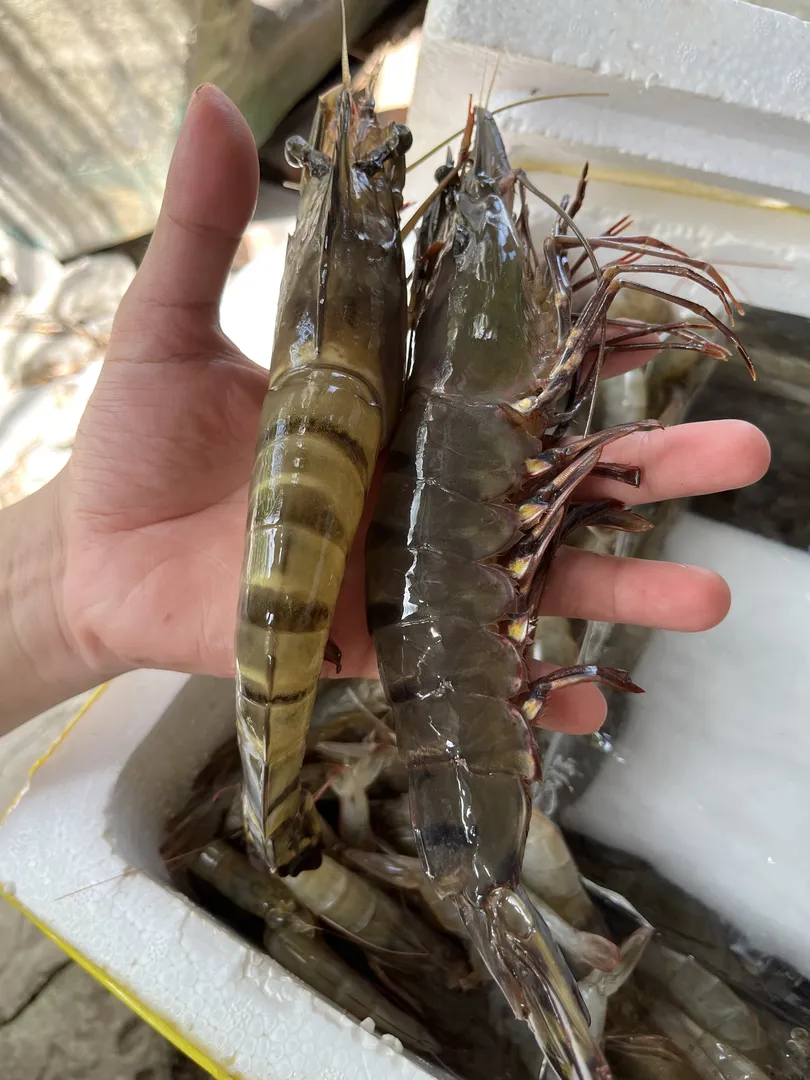
- Appearance: They should have a firm, slightly translucent appearance. The shells should be intact and shiny, but not unnaturally so. Black tiger shrimp from Ca Mau, for example, have a distinctive striped pattern and a rich color.
- Odor: A clean, oceanic, or slightly sweet smell is normal. There should be no hint of ammonia, sourness, or strong fishiness, which can indicate spoilage.
- Texture: Raw shrimp should be firm to the touch. Cooked shrimp will be opaque and have a satisfying, slightly springy texture. Overcooked or old shrimp can become mushy.
- Eyes: Bright, clear eyes are a good indicator of freshness in whole shrimp. Cloudy or sunken eyes suggest the shrimp are not as fresh.
Heritage Ingredient
Ca Mau Black Tiger Shrimp
Ca Mau Black Tiger Shrimp
Large black tiger shrimp associated with mangrove aquaculture in Ca Mau, known for firm flesh and a cleaner, sweeter finish than intensively farmed shrimp.
Wild spirits of the mangroves, these black-banded gems deliver a firm, snappy texture and a sweetness that echoes the forest's vibrant life.
5 The Value of Integrity and Provenance
In the Mekong Delta, many vendors and aquaculture farmers are dedicated to providing high-quality, safe seafood. Supporting these legitimate businesses not only ensures you get the best possible product but also contributes to the sustainable livelihoods of the local communities who depend on the region's natural resources. When you buy from reputable sellers or known aquaculture sources, you are buying into a tradition of quality, not a chemical quick-fix.
For those outside the region looking to experience the authentic taste of Mekong shrimp, seeking out suppliers who can guarantee provenance is key. This means understanding where the shrimp were farmed or caught, and how they were handled. Reputable distributors often provide detailed information about their sourcing practices, which is a strong indicator of their commitment to quality and safety.
Consider the different types of shrimp common in the Mekong:
- Ca Mau Black Tiger Shrimp (Tôm Sú): Farmed in brackish waters, prized for their firm texture and sweet flavor, ideal for grilling or steaming.
- Mekong Giant Freshwater Prawn (Tôm Càng): Larger prawns with distinctive blue claws, known for rich head fat, perfect for hotpots and grilled dishes.
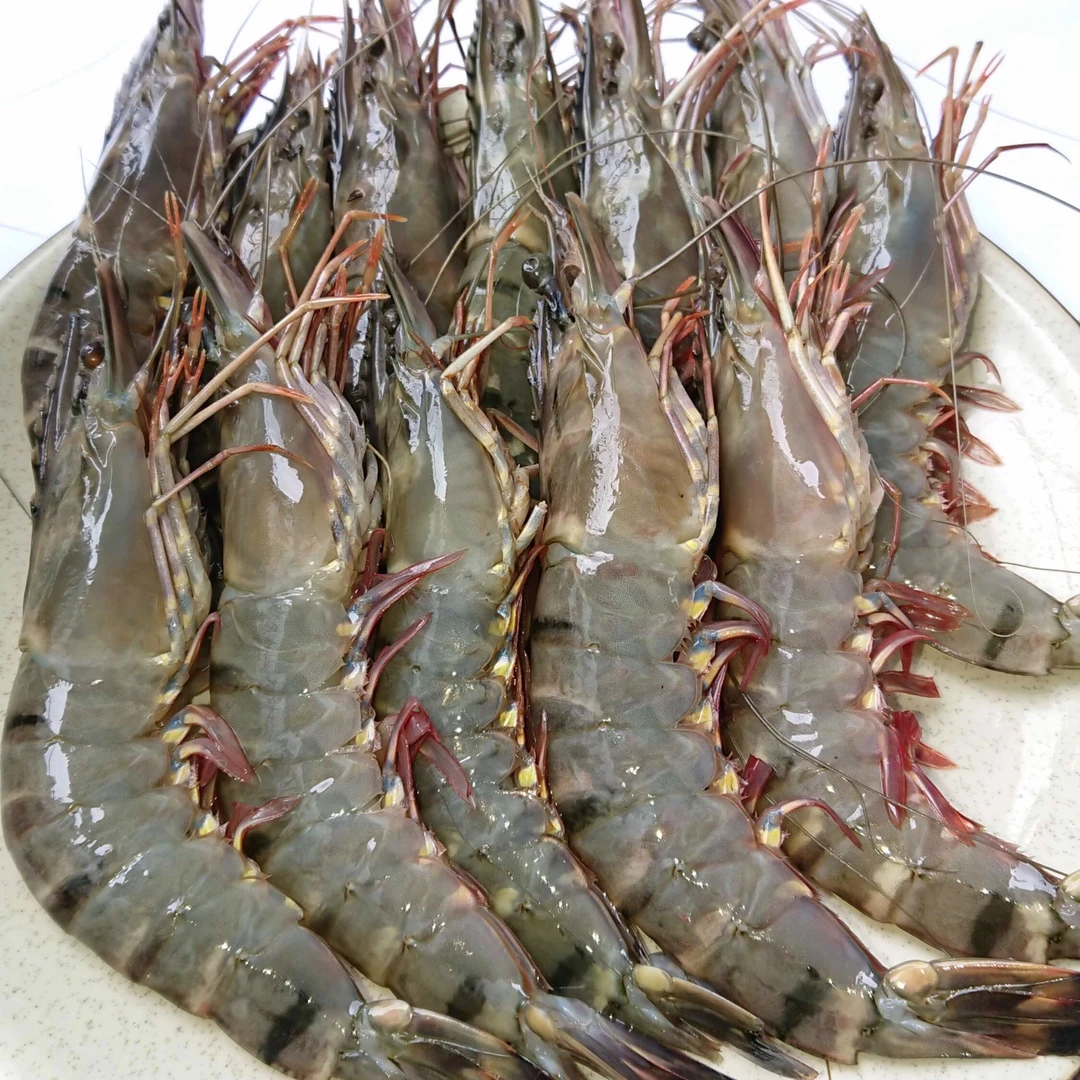
- Whiteleg Shrimp (Tôm Thẻ): A versatile and widely available shrimp, commonly used in everyday Vietnamese cooking, stir-fries, and soups.

Heritage Ingredient
Mekong Giant Freshwater Prawn
Mekong Giant Freshwater Prawn
A river prawn with long blue claws and rich head fat, common in grilled prawn dishes and hotpot traditions across the Mekong basin.
Majestic blue-clawed warriors of the Mekong, famous for their rich, fatty heads and a savory depth that captures the essence of the delta's rivers.
Heritage Ingredient
Whiteleg Shrimp
Whiteleg Shrimp
A widely used shrimp in Vietnamese home kitchens, suitable for stir-fries, soups, steamed dishes, and practical cooking articles that need a familiar shrimp reference.
Translucent jewels of the coast, thin-shelled and remarkably sweet, making every simple home meal feel like a seaside celebration.
6 Safer Seafood Consumption
When you're exploring the culinary landscape of Vietnam, particularly in vibrant market settings, a few simple guidelines can help you stay safe and enjoy the incredible flavors the region offers:
At the Market:
- Observe: Pay attention to the shrimp's appearance, smell, and texture as described earlier.
- Ask Questions: Engage with the vendor. Ask about the origin and when the seafood was caught or harvested.
- Trust Your Gut: If something feels off, it probably is. Don't be afraid to walk away.
- Prioritize Reputable Vendors: Look for established shops or stalls that seem clean and busy with local shoppers.
At Home:
- Cook Thoroughly: Always cook seafood to the recommended internal temperature to kill any potential pathogens.
- Store Properly: Refrigerate fresh seafood immediately and consume it within one to two days.
- When in Doubt, Throw It Out: This age-old advice is critical for food safety.
7 Fighting the Tide of Deception
Combating the use of harmful chemicals like urea in food requires a multi-pronged approach. Government agencies play a crucial role in setting and enforcing food safety standards, conducting inspections, and penalizing offenders. However, enforcement in vast, decentralized markets can be challenging.
This is where consumer awareness becomes paramount. By educating ourselves and sharing information, we empower ourselves and our communities to make safer choices. Travelers visiting the Mekong Delta can become advocates by sharing their knowledge and encouraging responsible practices. Tourists and locals alike must understand that while a seemingly "fresh" product might be tempting, the potential health consequences far outweigh any perceived bargain. The true value lies in genuine freshness and the integrity of the food we consume.
8 Beyond the Deception: Embracing Mekong's Culinary Heritage
The Mekong Delta offers a culinary journey unlike any other. The vibrant seafood, harvested from its bountiful waters, is a testament to the region's natural wealth and the culinary artistry of its people. While the threat of chemical adulteration is real and demands vigilance, it should not deter you from exploring the authentic flavors of this incredible land.
By staying informed, choosing your sources wisely, and trusting your senses, you can navigate the markets with confidence. Savor the true sweetness of unadulterated shrimp, the richness of local crabs, and the diverse array of seafood that the Mekong Delta so generously provides. Your discerning palate is the best tool in preserving the integrity of this precious culinary heritage for generations to come.
Related Insights on Food Safety
View More Food & Culinary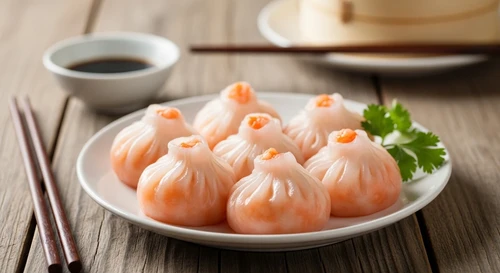
Crab Meat Dumplings (Ha Cao Cua): Dim Sum Excellence
Master the art of making translucent, chewy dumpling wrappers filled with juicy crab and shrimp.
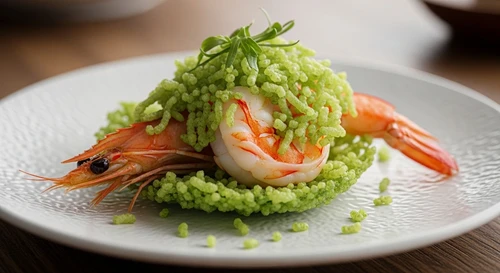
Hanoi Green Young Rice (Com) Fried Shrimp
Coat tiger prawns in Vong village's flattened young green rice (Com) and fry until puffed up, displaying a beautiful green color and sweet aroma.
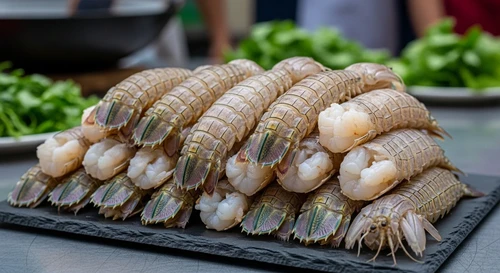
Dizzying Price Surge for Peeled Mantis Shrimp During the April 30th - May 1st Holidays
The soaring demand for pre-peeled mantis shrimp for hotpots causes processing factories in Quang Ninh and Ha Long to be overwhelmed.
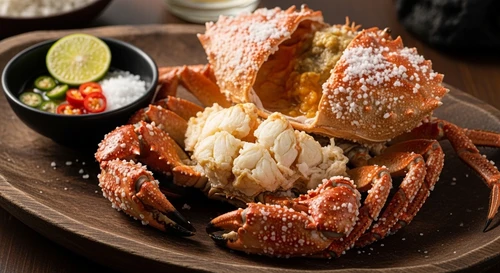
Sea Stone Crab Roasted with Coarse Salt and Sea Foam Dates
A rare specialty from Ly Son Island. The stone crab's shell is rock-hard, but the meat inside is deeply sweet, crunchy, and dry.
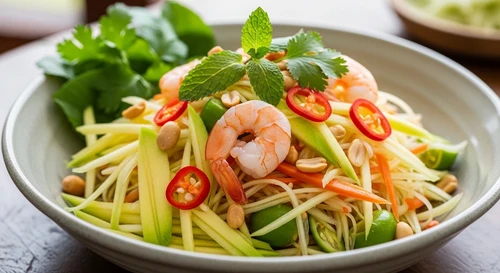
Green Mango & Minced Papaya Shrimp Salad
Shredded green mango mixed with boiled shrimp, shallots, garlic, chili, and roasted peanuts for a crunchy, sweet & sour delight.
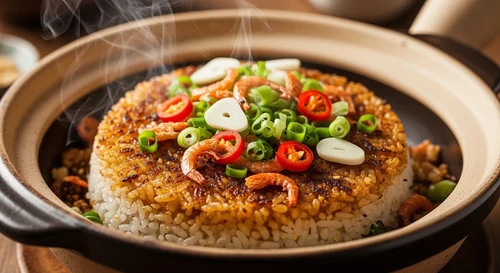
Crunchy Bottom Claypot Fried Rice with Dried Shrimp, Garlic, Chili, and Black Pepper
Crush dried earth shrimp, sauté with scallion oil, and toss loose rice in a blazing wok until it chars and crackles at the bottom of the stone pot.
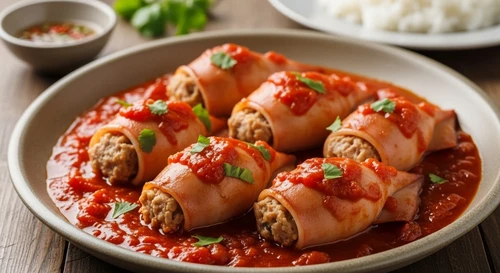
Whole Squid Stuffed with Pork in Tomato Sauce
Fresh squid tubes stuffed with minced pork and wood ear mushrooms, simmered slowly in a bright red tomato sauce. Great with rice.
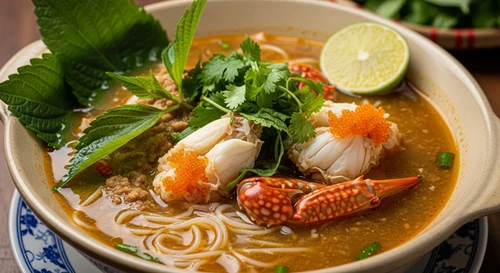
Crab Noodle Soup with Fermented Rice Paste (Me)
A Northern Vietnamese broth made from blended mud crab and fermented rice paste (Me), offering a gentle sourness.
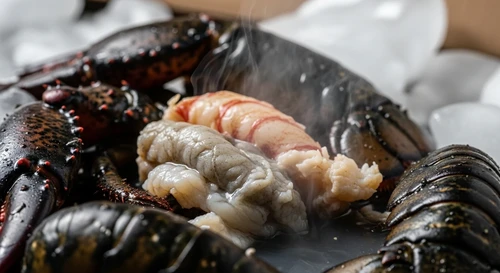
The Tragedy of Falling for the 'Clearance Sale' on Suffocated Lobsters on TikTok Shop
Livestreams boasting clearance sales on suffocated lobsters, but the delivered products have black heads, mushy meat leaking water, and a decomposing smell.