" Forget the refined dining. The real soul of Vietnamese cuisine often lurks in the humble street stalls, the bustling markets, and the kitchens where generations have perfected a single, potent flavor. This is one of them. "
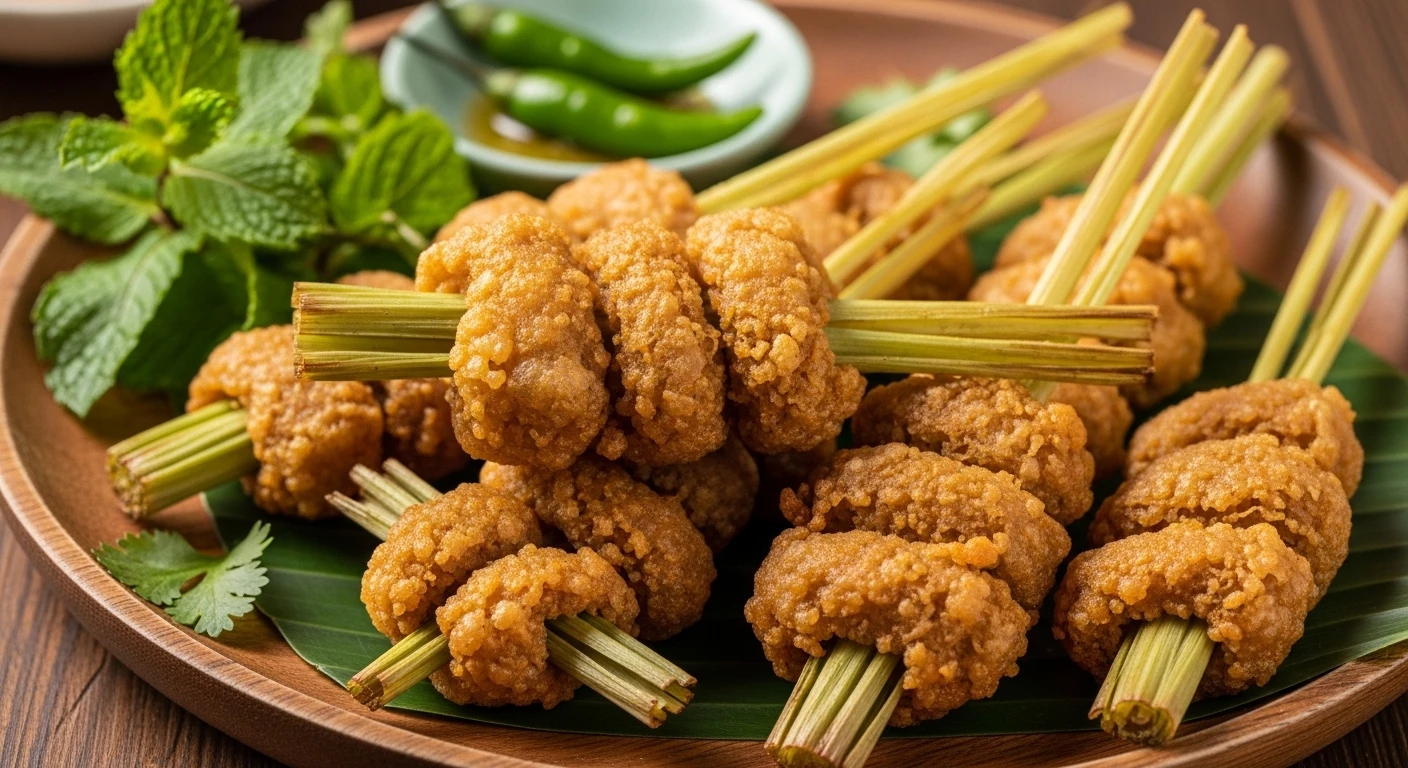
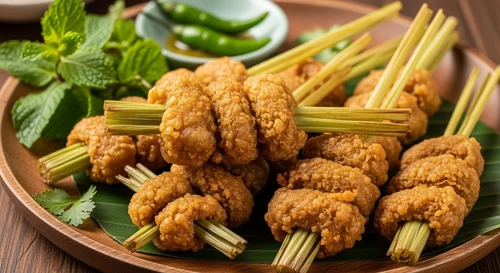
📸 Golden brown perfection: A testament to patient hand-pounding and expert frying.
1 The Soul of the South: Mam Tom
In the sun-drenched, waterlogged landscapes of the Mekong Delta, particularly the coastal provinces like Ca Mau and Bac Lieu, shrimp paste—or mam tom—is not just an ingredient; it's an institution. It's the umami bomb that underpins countless dishes, from dipping sauces for spring rolls to the base of potent noodle soups.
This particular preparation, where finely pounded shrimp paste is formed into a cohesive mass and then wrapped around fragrant lemongrass stalks before being fried, elevates mam tom from a condiment to a star. The process is crucial: it's not just about the shrimp; it's about the alchemy of fermentation, the pungency of the paste, and the aromatic kiss of lemongrass.
The Pungent Powerhouse
Authentic mam tom begins with small, wild shrimp harvested from the mangrove-rich estuaries of the Mekong. These are salted and fermented over weeks, sometimes months, developing a rich, complex, and notoriously pungent aroma. The hand-pounding technique ensures a smooth, bindable paste, free from the gritty texture found in commercially produced versions.

Heritage Ingredient
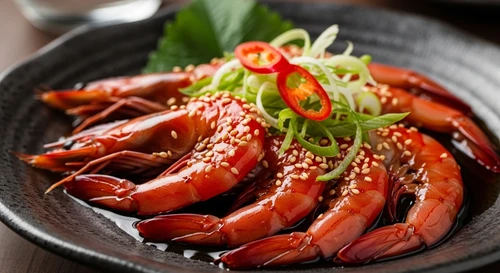
Fermented Sour Shrimp (Mekong Style)
Fermented Sour Shrimp (Mekong Style)
A Southern Vietnamese fermented shrimp preserve made with garlic, chili, and shredded green papaya, often served with boiled pork, rice paper, or plain rice.
A vibrant dance of flavors—sour, spicy, and sweet—where tender shrimp and crunchy papaya create a masterpiece of Southern preserved heritage.
The Aromatic Skewer
Lemongrass, another cornerstone of Vietnamese cuisine, is ubiquitous in the South. Its bright, citrusy, and slightly gingery notes are essential. By wrapping the shrimp paste around tough lemongrass stalks, two things happen: the lemongrass imparts its fragrance directly into the paste as it cooks, and the stalk provides a perfect, edible handle for serving and eating.
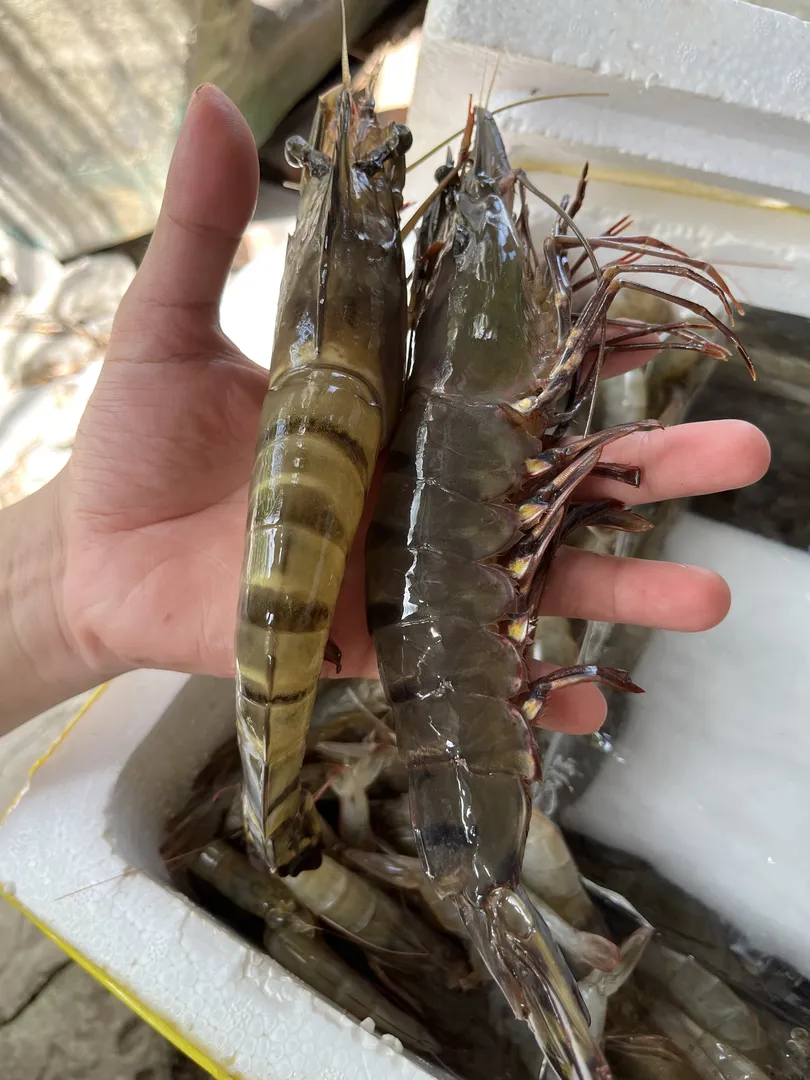
Heritage Ingredient
Ca Mau Black Tiger Shrimp
Ca Mau Black Tiger Shrimp
Large black tiger shrimp associated with mangrove aquaculture in Ca Mau, known for firm flesh and a cleaner, sweeter finish than intensively farmed shrimp.
Wild spirits of the mangroves, these black-banded gems deliver a firm, snappy texture and a sweetness that echoes the forest's vibrant life.
2 Patience and Precision
This isn't a dish that rushes. The "hand-pounded" aspect isn't just a descriptive term; it's the key to the texture. Using a heavy mortar and pestle, the fermented shrimp paste is meticulously worked until it achieves a smooth, almost putty-like consistency. This allows it to adhere beautifully to the lemongrass.
The Process Unveiled:
- Prepare the Paste: Start with good quality, fermented shrimp paste. If it's too wet, let it drain. If too dry, a tiny splash of water or fish sauce can help.
- Pound it Smooth: Work the paste in a mortar and pestle until it's very smooth and pliable. This is the most labor-intensive step.
- Skewer it Up: Take a handful of paste and press it firmly and evenly around a prepared lemongrass stalk. Ensure it's well-coated, leaving the ends of the stalk exposed.
- The Golden Fry: Heat a generous amount of neutral oil (like vegetable or canola) in a wok or deep pan. Fry the skewered paste over medium-high heat, turning frequently, until it's deeply golden brown and slightly crisp. This usually takes 5-8 minutes.
- Rest and Drain: Remove the skewers and drain them on a wire rack or paper towels to remove excess oil.
The result? A bouncy, intensely flavorful bite. The exterior is slightly crisp, giving way to a tender, savory interior. The aroma is intoxicating—a pungent yet inviting blend of shrimp, fermented brine, and fresh lemongrass.
3 A Taste of the Coastal Frontier
The story of this dish is inseparable from the coastal regions of the Mekong Delta. Provinces like Ca Mau, with their vast mangrove forests and intricate network of canals and rivers, are prime habitats for the small shrimp that are the soul of mam tom. Local fishermen bring their catch to market, where it's transformed by skilled artisans into this pungent delicacy.
You'll find these skewers at local markets, small eateries, and often served as an appetizer at family gatherings. They are a testament to the region's resourceful use of its natural bounty. The preservation and flavoring techniques employed here—fermentation and the strategic use of aromatics—are ancient wisdom passed down through generations, perfectly adapted to the tropical climate and the abundance of seafood.
It’s a flavor profile that speaks of the sea, the sun, and the skilled hands that transform simple ingredients into something extraordinary. It’s the taste of the Mekong’s untamed coast, bottled (or rather, paste-wrapped) and served with pride.
The Perfect Bite
While delicious on their own, these skewers truly shine when paired with complementary flavors and textures. They are the quintessential appetizer, designed to whet the appetite for the main course.
1. Fresh Herbs
A side of fresh mint, basil, and cilantro cuts through the richness.
2. Pickled Vegetables
Dau chua (Vietnamese pickled carrots and daikon) offers a sweet-tart crunch.
3. Sweet Chili Sauce
A drizzle of mild sweet chili sauce can add another layer of subtle sweetness.
These are often served alongside other Mekong Delta specialties, such as grilled river prawns or steamed rice rolls.
5 The Magic of Mam Tom Beyond
While the lemongrass skewer is a beloved format, the hand-pounded shrimp paste itself is a culinary workhorse. In the Mekong Delta, you'll find it featured in:
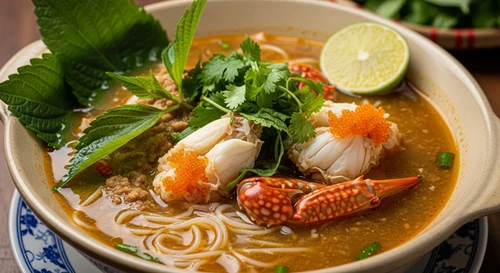
- Bun Thai: A vibrant noodle soup from the South, where mam tom is a key flavor component, balanced with lime, chili, and herbs.
- Dipping Sauces: For fresh spring rolls (goi cuon) or fried spring rolls (cha gio), a diluted and seasoned mam tom offers an addictive salty-sour kick.
- Stir-fries: A small amount can add incredible depth to vegetable stir-fries, especially with dishes like water spinach (rau muong xao mam tom).
The key is to respect its potency. A little goes a long way. When handled with care and combined with the right partners—lemongrass, lime, chili, sugar—it transforms into pure culinary gold.
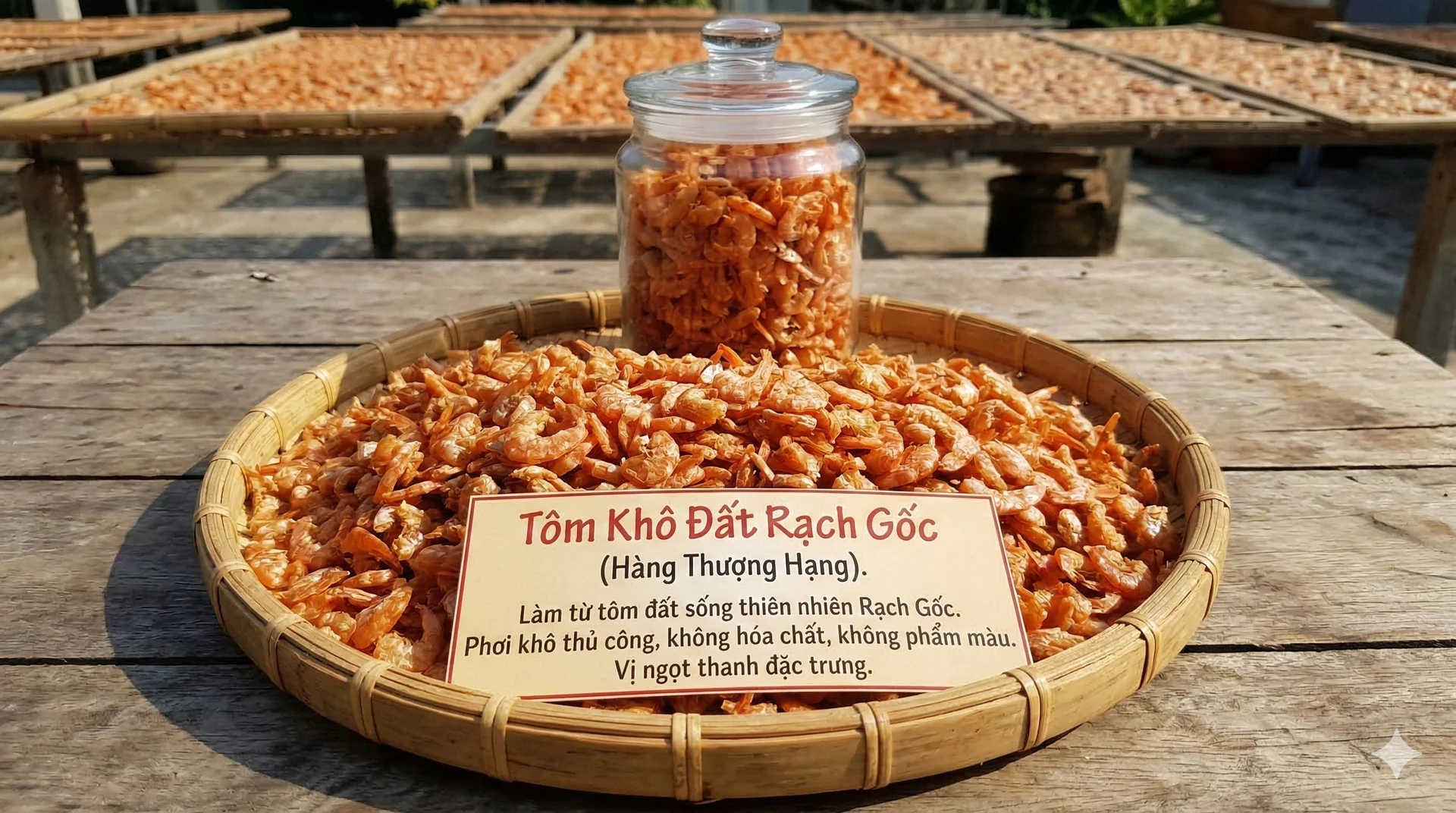
Heritage Ingredient
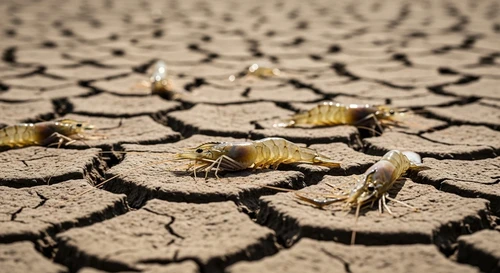
Sun-Dried Wild Shrimp from Rach Goc
Sun-Dried Wild Shrimp from Rach Goc
Traditional dried shrimp made from small wild shrimp, valued for natural sweetness and commonly used in Vietnamese salads, soups, and festive dishes.
Concentrated sunlight and sea salt in every bite, these crimson gems offer a deep, umami sweetness that whispers tales of Rach Goc's golden shores.
6 Mastering the Skewer at Home
🌶️ Sourcing the Paste
🌿 Lemongrass Prep
🔥 Frying Control
👃 The Smell!
7 What to Expect on Your Palate
The first bite is a revelation. You get the initial savory, intensely umami hit from the shrimp paste, which is softened and made more approachable by the frying process. This is immediately followed by the bright, fragrant notes of lemongrass, which acts as a cleanser and adds a subtle citrusy dimension. The texture is key: a slight crispness on the exterior gives way to a dense, almost chewy interior, all held together by the firm lemongrass stalk. It's a flavor profile that is simultaneously bold and nuanced, a true representation of the Mekong's culinary ingenuity.
8 Ancient Traditions, Modern Palates
While this dish is deeply rooted in tradition, its appeal is timeless. The simple elegance of wrapping a powerful flavor around a natural vessel, then frying it to perfection, is a culinary technique that resonates across cultures. It speaks to a philosophy of maximizing flavor with minimal intervention, a principle that continues to influence modern Vietnamese cuisine. Whether enjoyed at a bustling street market or prepared with care in a home kitchen, these skewers offer a tangible connection to the rich culinary heritage of the Mekong Delta. They are a reminder that sometimes, the most profound flavors come from the simplest, most honest ingredients, prepared with skill and a deep understanding of place.