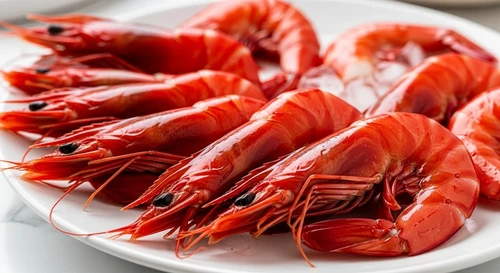
" While the Mekong Delta sings its sweet, humid song of crab and coconut, up north in Hai Phong, the opera gets a different, punchier tempo. This isn't your gentle river crab soup; this is a city dish, a bold statement of flavor born from coastal resilience and a flair for the dramatic. "
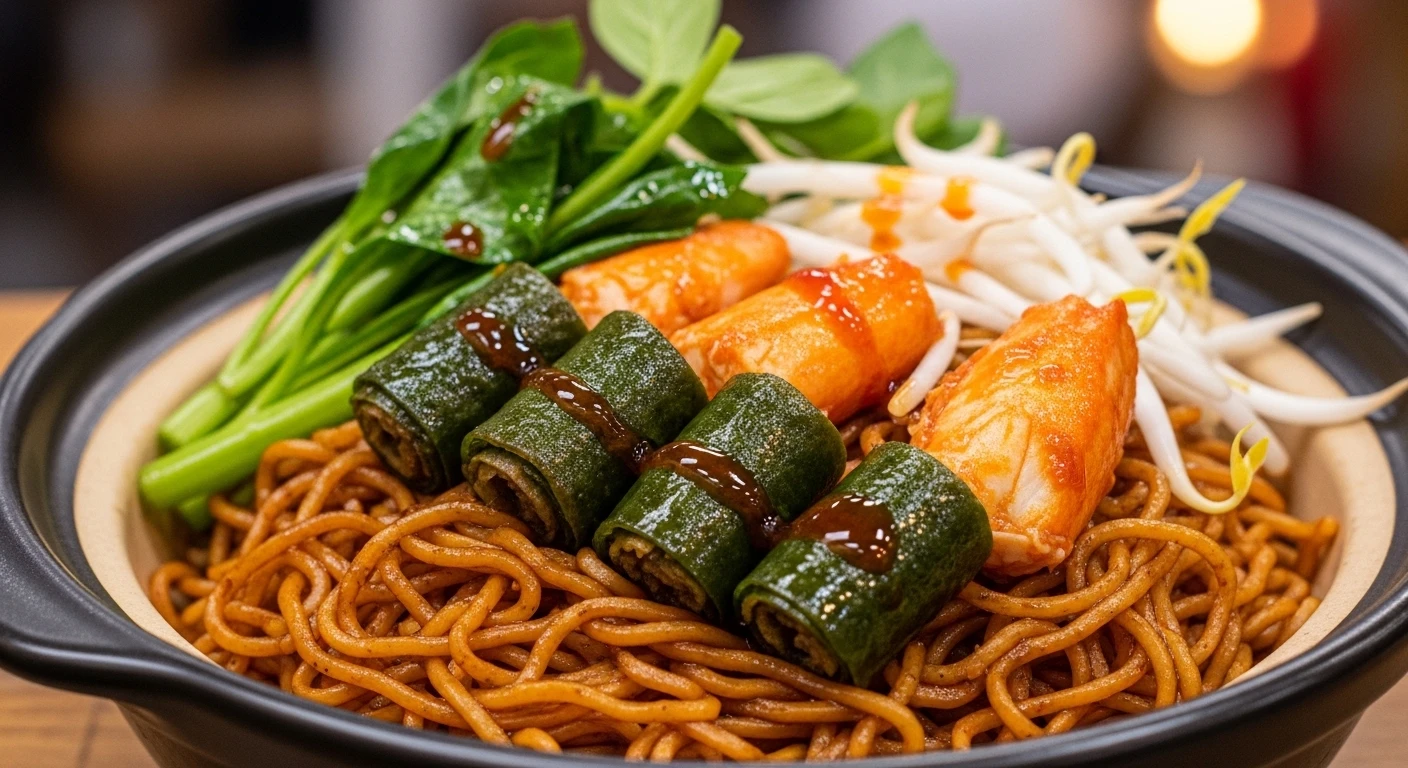
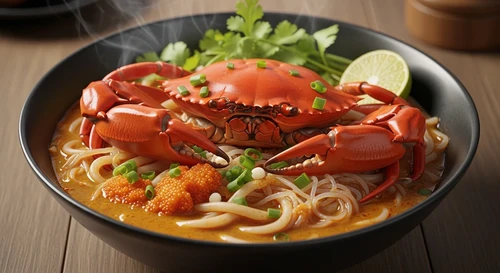
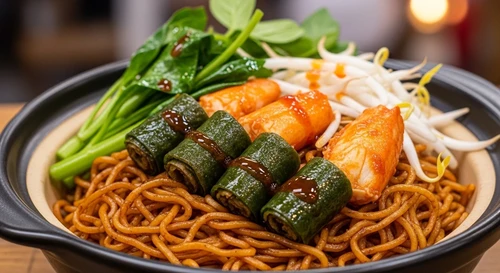
📸 The star of the show: A vibrant tangle of noodles, crab, and aromatic greens.
1 A Tale of Two Deltas (and a City)
When we speak of crab in Vietnam, images of the vast Mekong Delta, with its intricate waterways and mangrove forests, often come to mind. Think of the sweet, succulent Ca Mau Mud Crab, its rich roe prized in Southern feasts. That's one chapter of Vietnam's crab story.
But turn your gaze north. Hai Phong, a bustling port city with a distinct cultural heritage, offers a different narrative. Its cuisine is known for being bolder, more assertive. This is where Bánh Đa Cua Khô, or dry stir-fried crab noodles, takes center stage. It’s a dish that speaks of urban energy, of umami depth, and a clever transformation of humble ingredients.
The base is bánh đa đỏ, a type of brown, chewy tapioca noodle, traditionally colored with the extract of the bitter leaf (lá hẹ). Unlike the delicate rice vermicelli or flat pho noodles, these have a satisfying bite, a chew that stands up to the vigorous stir-frying.
The Crab Component
While Mekong crab is king for sweetness, Hai Phong style often uses smaller, more intensely flavored crab meat. The essence comes from simmering crab bodies and shells to create a rich broth base, which then gets concentrated. This isn't about giant claws; it's about extracting every bit of savory essence. However, the quality of crab is paramount, whether it's a prized southern variety or a local northern catch.
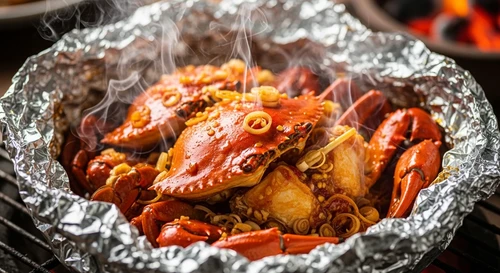
For a glimpse into the prized crabs of the South, consider these:
Heritage Ingredient
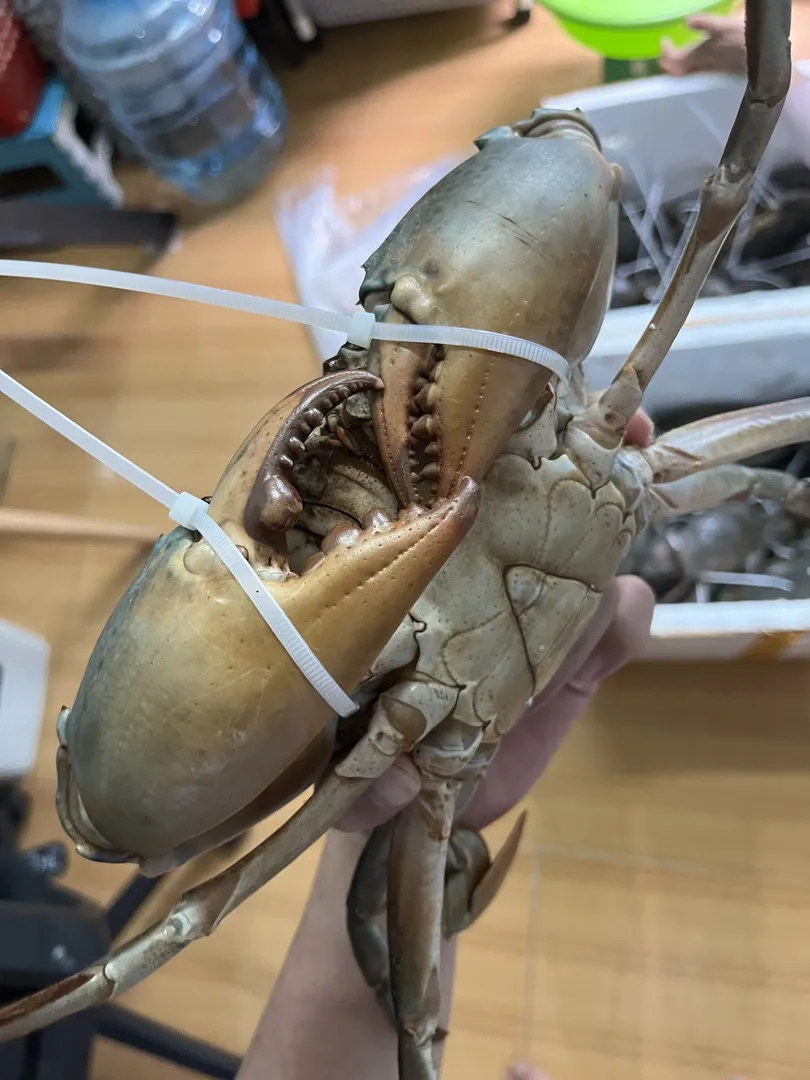
Ca Mau Jumbo Mud Crab
Ca Mau Jumbo Mud Crab
A large male mud crab prized for dense, sweet meat and thick claws, commonly used in steamed crab and grilled crab dishes across the Mekong Delta.
An icon of coastal culinary heritage, featuring firm, sweet meat that captures the raw power and freshness of Ca Mau's tides.
Heritage Ingredient
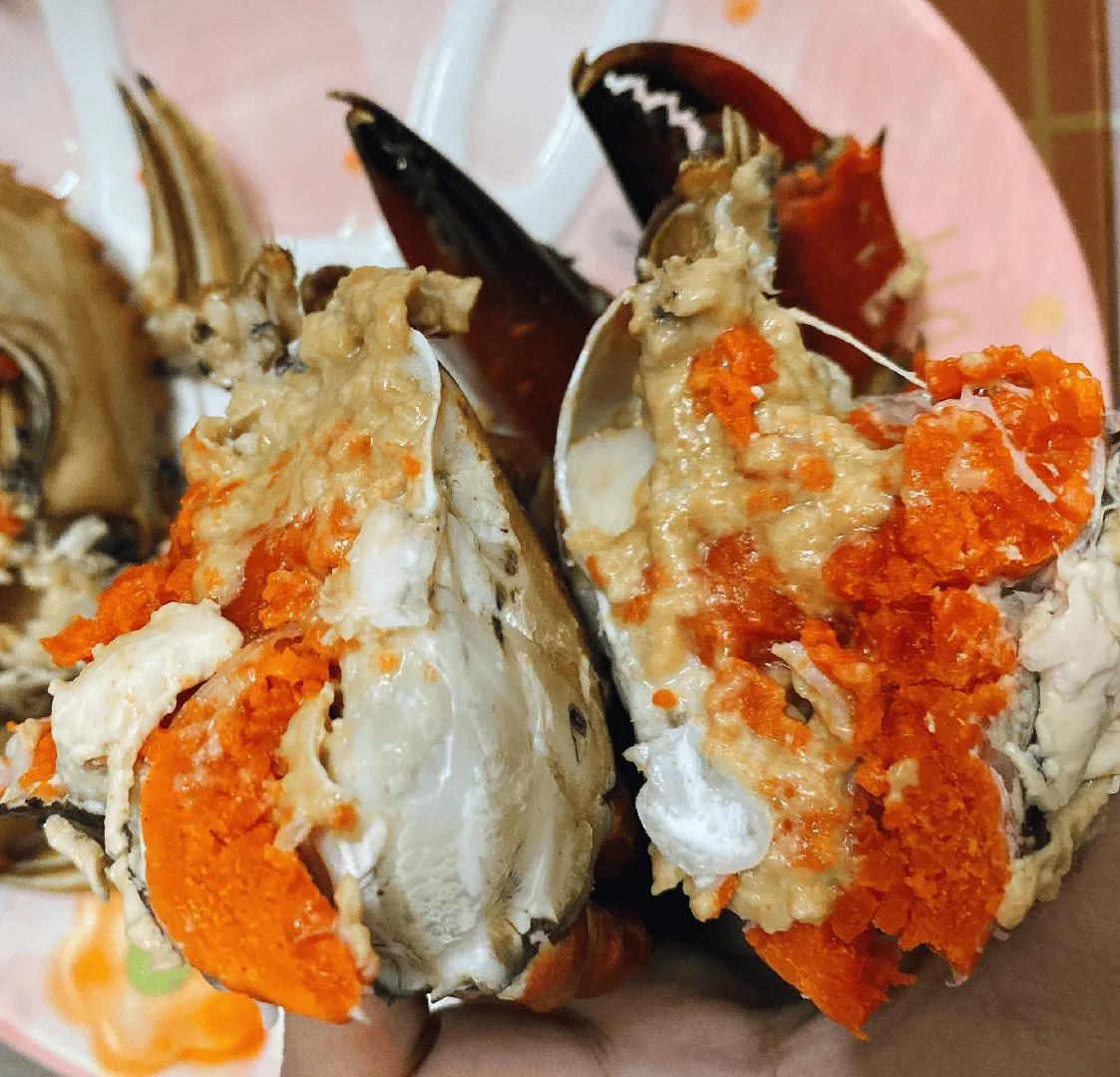
Ca Mau Roe Mud Crab
Ca Mau Roe Mud Crab
A female mud crab known for deep orange roe and a rich, creamy finish, often featured in celebratory Southern Vietnamese seafood meals.
A crimson treasure hidden within a shell, boasting rich, creamy roe that melts on your tongue like a golden sunset over the delta.

2 Betel Leaf: The Aromatic Wrapper
This is where the dish truly sings. In many versions of Bánh Đa Cua Khô, small, savory parcels are formed using fresh betel leaves (lá lốt). The leaves, known for their peppery, slightly pungent aroma, are typically wrapped around a mixture of minced crab meat, pork, and seasonings.
These little parcels are then often gently fried or blanched before being added to the stir-fry. They impart a unique, almost smoky fragrance and a burst of concentrated flavor that elevates the entire dish. It's a technique that speaks to the Vietnamese culinary genius for integrating herbs and aromatics.
Think of it as a delicate, intensely flavored seafood dumpling, encased in an aromatic leaf. When you bite into one, the peppery notes of the betel leaf cut through the richness of the crab, creating a complex and utterly addictive sensation.

3 Wok Hei and Umami Depth
The "khô" (dry) in Bánh Đa Cua Khô is key. This isn't a soupy noodle dish. It's a stir-fry where every element is coated in a rich, savory sauce. The process usually involves:
- Preparing the Crab Paste: This is the heart of the flavor. Crab meat is often mixed with sautéed crab roe (if available) and a touch of fermented shrimp paste (mắm tôm) for that quintessential umami punch that’s so characteristic of Northern Vietnamese cooking. This paste is then often simmered down to create a concentrated flavor base.
- Stir-Frying the Noodles: The chewy bánh đa noodles are quickly stir-fried with the crab paste, ensuring each strand is coated. High heat is crucial to achieve that smoky "wok hei."
- Adding the Accoutrements: Alongside the betel leaf rolls, you'll find a medley of fresh vegetables – crisp water spinach (rau muống), bean sprouts, and sometimes shredded banana blossom – providing texture and freshness to balance the richness.
- Finishing Touches: A final drizzle of chili oil and a squeeze of lime complete the masterpiece.
The result is a dish that is intensely savory, slightly spicy, with a wonderful chew from the noodles and bursts of flavor from the crab and betel leaf rolls. It’s a far cry from the delicate sweetness of Mekong crab dishes; this is a full-bodied, powerful flavor experience.

The Umami Secret Weapon
While this dish hails from the North, the use of fermented shrimp paste (mắm tôm) is a cornerstone of Vietnamese cuisine across regions. In the Mekong Delta, you'll find variations like the Mekong-style Fermented Sour Shrimp, often served with boiled pork and rice paper. In Hai Phong, it’s integral to achieving the deep, complex savory notes in dishes like Bánh Đa Cua Khô. Its pungent aroma belies its incredible ability to enhance seafood flavors.
4 The Hai Phong Experience
This isn't a dish to be rushed. It’s meant to be savored. The visual appeal – the vibrant orange-red noodles, the dark green betel leaf rolls, the fresh green herbs – is undeniable. Each bite offers a different texture and flavor profile: the chewy noodles, the tender crab meat, the peppery wrapper, the crisp vegetables.
It’s often found in bustling local eateries in Hai Phong, served hot from the wok. Pair it with a cold beer or a refreshing glass of iced tea. This dish embodies the spirit of Northern Vietnamese street food – bold, satisfying, and full of character.
So, while the Mekong Delta offers its serene, sweet embrace, let the North surprise you with its fiery passion. Bánh Đa Cua Khô is a testament to the diverse, dynamic, and utterly delicious culinary landscape of Vietnam. It’s a journey from the southern rivers to the northern streets, all on one plate.
5 Insider Tips for Bánh Đa Cua Khô
Noodle Choice is Crucial
The signature brown bánh đa noodles are key for texture and authenticity. If unavailable, a very chewy udon or thick ramen noodle could be a distant substitute, but the unique tapioca chew will be missed.
The color comes from the Areca Palm extract, not artificial dyes. This gives it a distinct, slightly earthy undertone.
Betel Leaf Preparation
Fresh betel leaves are best. Ensure they are washed and patted dry. For frying, a quick shallow fry in oil until slightly crispy before adding to the stir-fry will enhance their aroma and texture.
If betel leaves are hard to find, grape leaves or even large spinach leaves can be used, but the distinctive peppery flavor will be absent.
The Crab Paste Matters Most
Don't skimp on the crab preparation. Use fresh, good quality crab meat. Sautéing it with aromatics like shallots and garlic, and incorporating that deeply savory fermented shrimp paste (mắm tôm) is non-negotiable for authentic flavor.
Balancing Flavors
The dish should be a symphony of savory, spicy, and fresh. Have chili oil, fresh chilies, lime wedges, and perhaps some extra fresh herbs (like cilantro or Vietnamese mint) on hand for diners to customize their bowl.
6 North vs. South: A Culinary Crossroads
It's fascinating to contrast this Hai Phong specialty with its Mekong Delta counterparts. Down south, the emphasis is often on highlighting the natural sweetness of the crab, often prepared with minimal fuss like steaming or boiling, allowing the pure flavor to shine through. Dishes like crab noodle soup (Bún Riêu Cua) use crab meat as a key component but are often broth-forward.
In contrast, the North, particularly in Hai Phong, leans into a more robust, umami-rich profile. The dry stir-fry method here concentrates flavors, making the crab paste and noodle coating the star. The use of ingredients like fermented shrimp paste and the distinctive bánh đa noodles are hallmarks of this regional preference for stronger, more complex tastes.
This isn't a judgment of which is "better," but rather an appreciation for the vast culinary diversity that Vietnam offers. From the gentle, sweet waters of the Mekong to the lively, savory ports of the North, the humble crab is celebrated in countless ways.
7 The Perfect Occasion
Bánh Đa Cua Khô isn't just a meal; it's an experience. It’s perfect for:
- A lively lunch to fuel your day of exploring.
- A satisfying dinner after a long day, especially on a cooler evening when richer flavors are welcome.
- Experiencing authentic street food culture in Northern Vietnam.
- Impressing adventurous eaters with a less common, but incredibly rewarding, Vietnamese noodle dish.
8 More Than Just Noodles
This dish is a testament to culinary innovation. It takes familiar ingredients – crab, noodles, herbs – and transforms them through technique and regional flair into something entirely new and exciting. It's the spirit of Hai Phong on a plate: bold, honest, and unforgettable.
While its origins are distinctly Northern, the quest for incredible seafood flavors connects us all, whether we're by the Mekong's gentle currents or Hai Phong's bustling port. Bánh Đa Cua Khô is a delicious reminder of that rich tapestry.