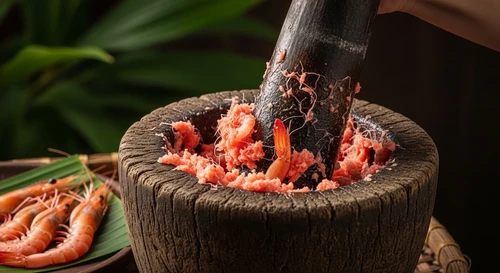
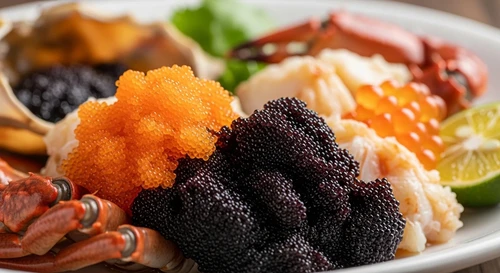
" Ba Khia. The fermented mangrove crab from the salty fringes of the Mekong. It’s a taste that grabs you, a sharp, umami-rich declaration of its coastal origins. But for those new to its charms, or who bought a jar from a vendor who believes salt is a food group, it can feel less like a declaration and more like an assault. "
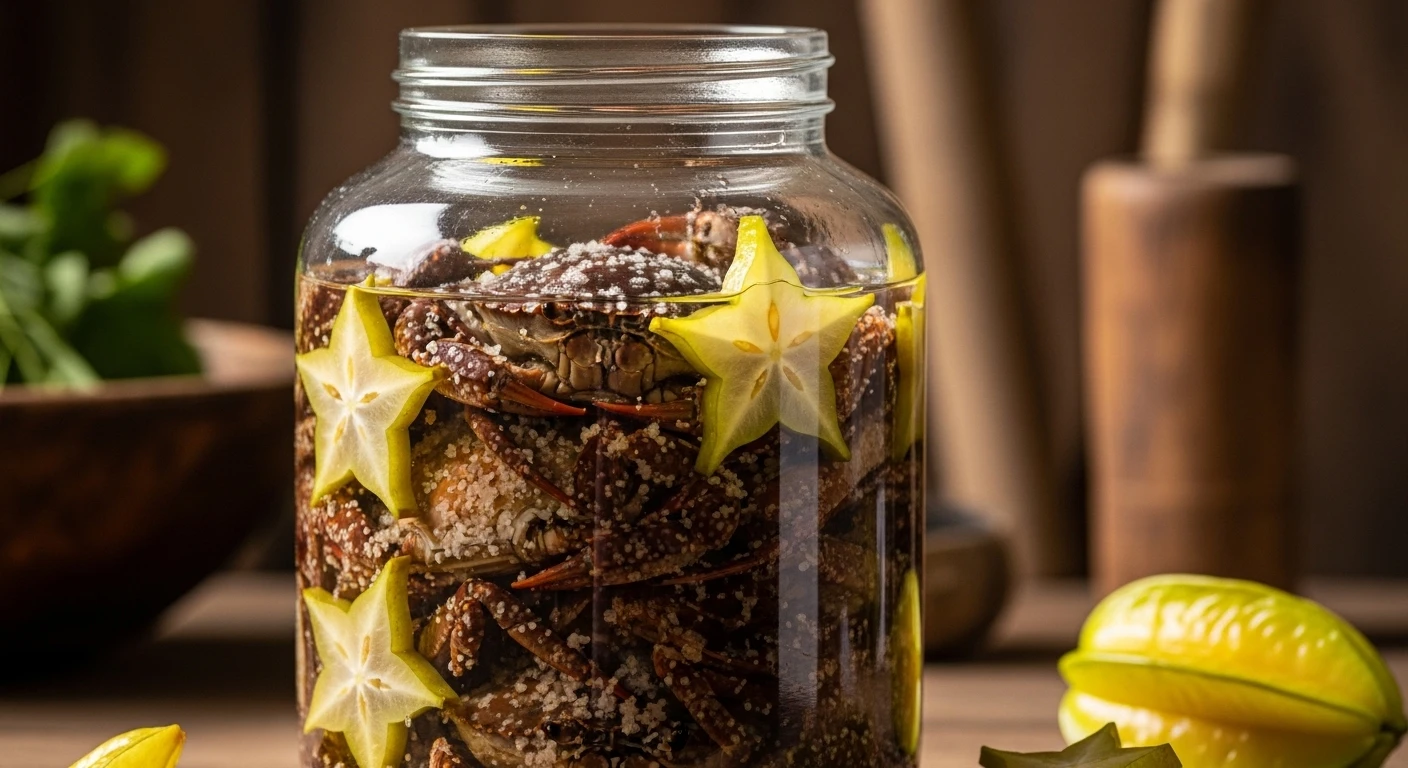
📸 The Salty Treasure: A jar of Ba Khia, a Southern Vietnamese delicacy.
1 The Spirit of the Mangroves: Why So Salty?
Ba Khia, or fermented mangrove crab, is a quintessential Southern Vietnamese specialty. Its intense salinity is not an accident; it's a deliberate preservation method born from necessity and tradition in the coastal regions, particularly areas like Ca Mau and the wider Mekong Delta.
Preservation Power
Historically, high salt content was crucial for preserving seafood, especially in the hot, humid climate of the Mekong Delta before widespread refrigeration. This allowed for storage and transport, making it a vital food source.
Flavor Development
The salt isn't just about preservation; it's a key player in the complex flavor profile. It draws out moisture, concentrates the crab's natural sweetness, and initiates the fermentation process that creates that signature funky, umami-rich depth.
This intense brining also helps to break down the crab's shell, making it easier to eat without extensive cracking, a practical consideration for a dish meant to be enjoyed communally, often with bare hands.
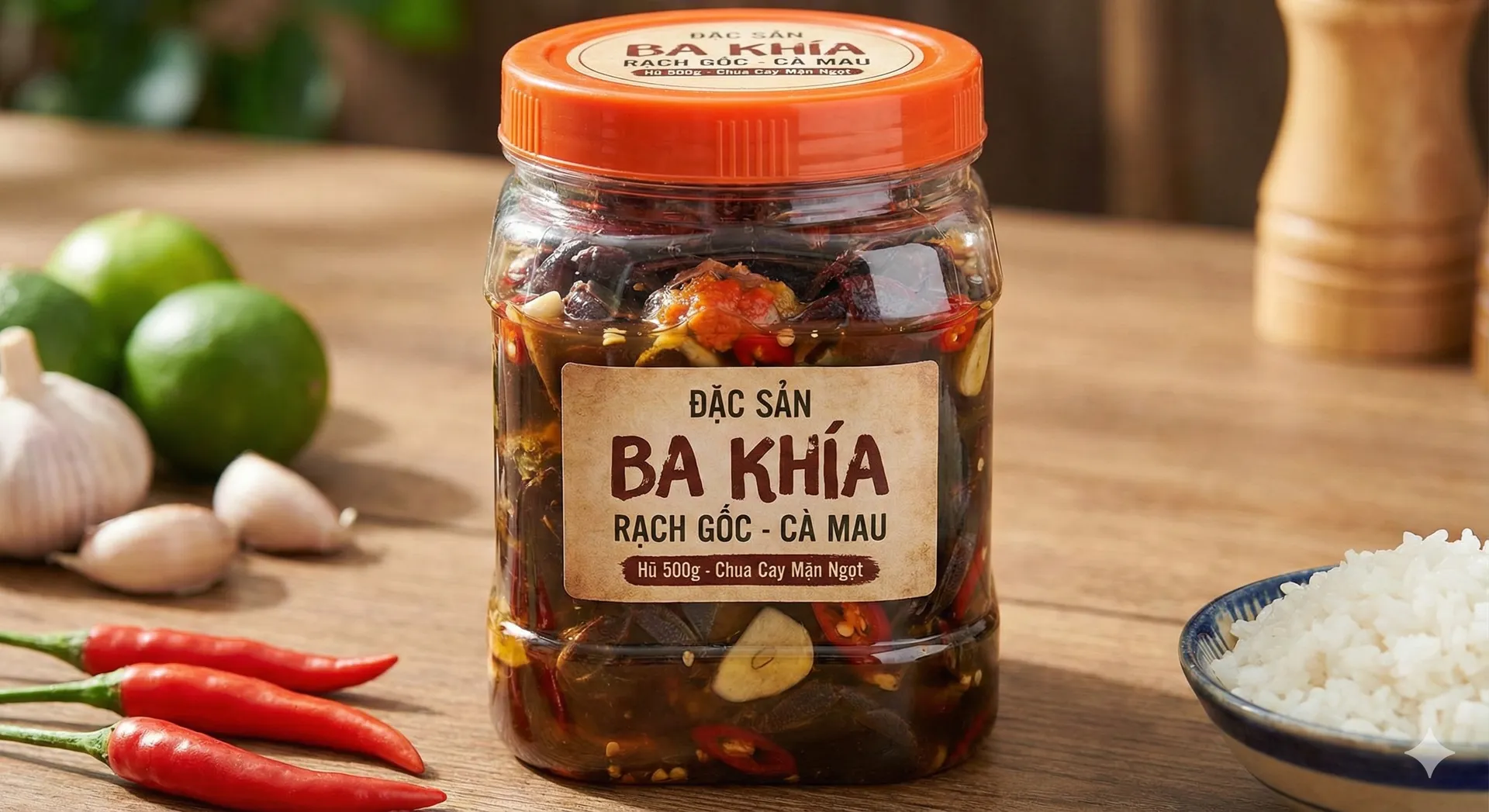
Heritage Ingredient
Fermented Mangrove Crab (Ba Khia)
Fermented Mangrove Crab (Ba Khia)
A traditional fermented crab specialty from the mangrove region of Rach Goc, often cited in articles about rustic Mekong Delta flavors and preserved seafood culture.
The salty-sour heartbeat of the wild south, where traditional fermentation turns forest crabs into a nostalgic explosion of rustic Mekong soul.
2 When the Tide Turns Too High
So, you've got your jar of Mam Ba Khia, perhaps a souvenir from a trip to the Mekong or a specialty store. You open it, anticipation high, only to be met with a wave of salt that threatens to drown out all other flavors. It's not that the Ba Khia is "bad," it's just that the balance is off for your palate. This is a common scenario, and thankfully, one that's easily remedied with a bit of culinary wisdom.
The goal here is not to wash away the unique character of Ba Khia, but to temper its aggressive saltiness, allowing its complex flavors to shine through. We want to find that sweet spot between preservation and palatability, the signature taste of the Mekong Delta.
3 The Mekong's Gentle Reset
This technique is a classic kitchen hack, passed down through generations in the Mekong region, and it’s surprisingly effective. It leverages simple, readily available ingredients to neutralize excessive salt without destroying the dish's essence.
Essential Tools
- The Salty Jar: Your store-bought Mam Ba Khia.
- Boiling Water: Freshly boiled, hot!
- Star Fruit (Carambola): One or two, ripe but firm.
- A Bowl or Pot: Large enough to hold the Ba Khia and water.
Why These Work
Boiling Water: Helps to dilute the salt and gently heat the crab, making it more receptive to flavor balancing. It also helps to slightly "wake up" the flavors that might be subdued by the overwhelming salt.
Star Fruit: This is the secret weapon. Star fruit possesses a natural tartness and a subtle sweetness that acts as a perfect foil to extreme saltiness. Its unique flavor profile also complements the briny crab beautifully.
4 From Overwhelming to Outstanding
Rinse and Assess
Gently pour the Ba Khia from the jar into a sieve. Discard the original brine. Give the crabs a quick rinse under cool water to remove any loose salt crystals or sediment.
Prepare the Star Fruit Bath
Slice the star fruit (including the skin) into about 1/2 inch thick pieces. Place these slices in your bowl or pot. Pour the freshly boiled water over the star fruit. Let it steep for a few minutes to infuse the water with its essence.
The Soak & Soak
Add the rinsed Ba Khia to the bowl with the star fruit and hot water. Ensure the crabs are fully submerged. Let them soak for at least 15-30 minutes. The hotter the water (initially), the quicker the desalination. You can gently stir occasionally.
Taste and Adjust
After soaking, carefully remove a piece of crab and taste it. Is it still too salty? You can repeat the process with fresh hot water and more star fruit, or just increase the soaking time. If it's closer but still a bit sharp, you might drain some of the star fruit water and add a splash of plain cool water.
5 Serving with Style (and Balance)
Once you've achieved the perfect balance, your Ba Khia is ready to be enjoyed. The goal of this process is to create a flavor profile that's still distinctly Ba Khia, but much more approachable and enjoyable for a wider audience.
Classic Pairings
- Sticky Rice: The mildness of the rice is a perfect canvas for the Ba Khia.
- Fresh Herbs: Mint, Thai basil, and cilantro add freshness and aromatic contrast.
- Dipping Sauce: A small dish of fresh lime juice, a pinch of chili, and a hint of sugar can offer a brighter, zesty counterpoint if desired, though often unnecessary after the desalting process.
- A Side of Star Fruit: Serve some of the star fruit from the bath alongside, or fresh slices, for those who enjoy its complementary flavor.
The result should be Ba Khia that retains its unique oceanic essence and fermented depth, but with the overwhelming saltiness mellowed, revealing subtle sweet and savory notes. This is the taste of the Mekong's coastal life, now accessible and utterly delicious.
6 A Taste of the Delta's Bounty
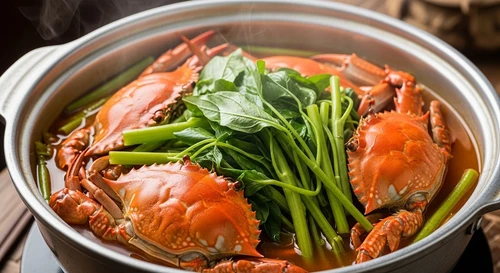
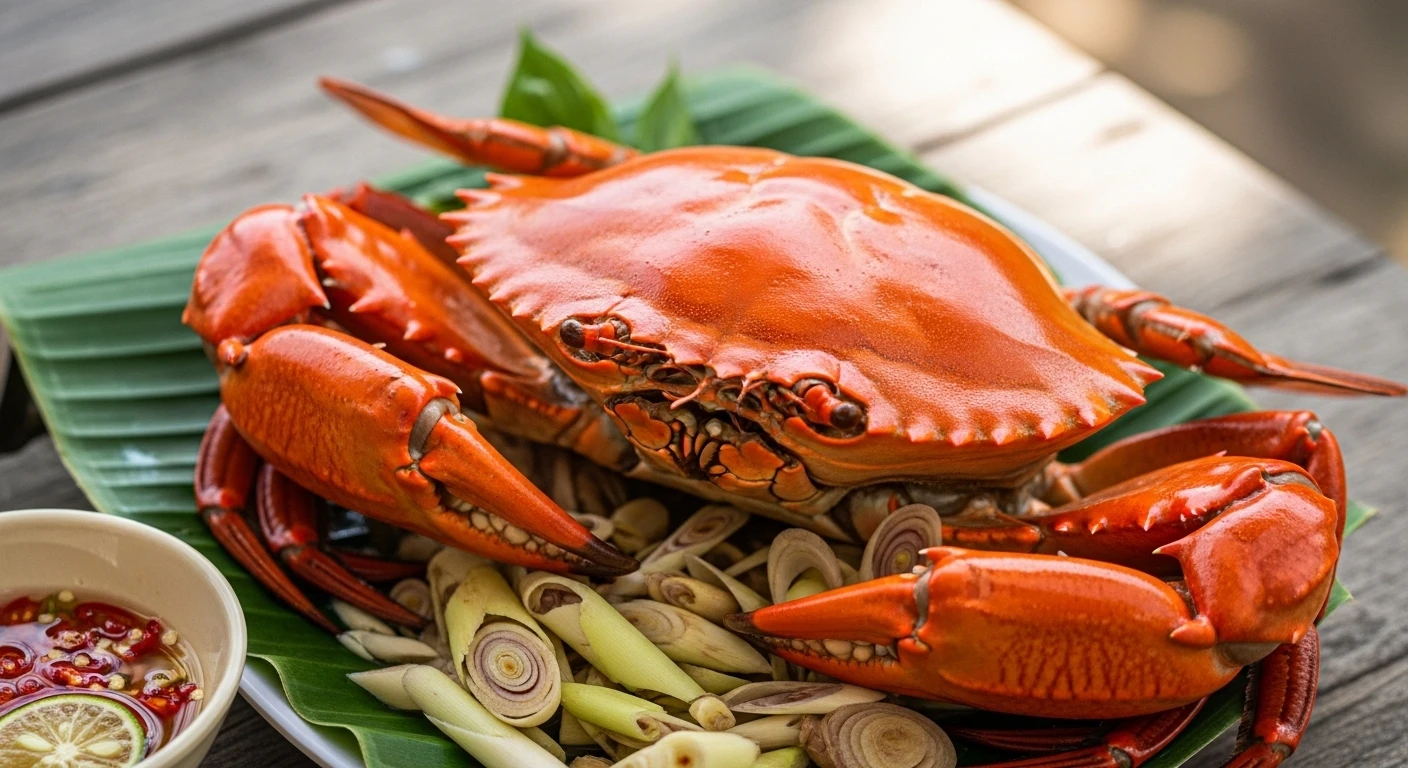
The Mekong Delta is a land of incredible biodiversity and culinary innovation. While Ba Khia offers a taste of its salty heritage, the region's tables are laden with a much wider array of flavors, from the sweet, succulent mud crabs of Ca Mau to the delicate river prawns that navigate its intricate waterways. Each dish tells a story of the land, the water, and the people who have mastered harnessing their bounty.
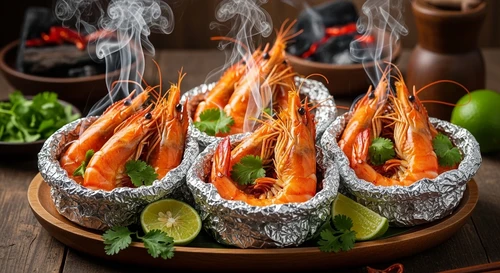
Exploring dishes like Ca Mau Crab with Salt and Pepper or the ubiquitous Vietnamese Grilled Shrimp allows you to experience the full spectrum of flavors the Mekong has to offer, from its rich aquaculture to its vibrant, fresh produce.
Common Questions
❓ Can I use something other than star fruit?
⏱️ How long should I soak it?
🚫 Will this remove all the unique flavor?
Craving Fresh Crab?
If this jarred delight isn't your speed, the Mekong Delta offers the freshest, most succulent crabs prepared in countless delicious ways.
✨ Discover Steamed Crab with Beer