1 The Mighty Mekong and Its Shrimping Soul
The Mekong Delta, a labyrinth of rivers, canals, and fertile floodplains, is more than just Vietnam's rice bowl; it's a pulsating heart of aquaculture. For generations, the ebb and flow of its waters have dictated the rhythms of life and, crucially, the bounty it yields from its aquatic ecosystems. Among its most prized exports, shrimp – particularly the resilient whiteleg shrimp – have become a cornerstone of the region's economy, a gleaming, if sometimes precarious, symbol of its connection to global markets. These aren't just crustaceans; they represent the aspirations of coastal communities, the dedication of countless farmers, and a vital link in the international food chain.

📸 Sunrise over the ponds: The daily beginning for many shrimp farmers.
The journey from a humble pond in Ca Mau or Soc Trang to a European dinner plate is complex, demanding high standards of quality, traceability, and sustainability. It's a testament to Vietnamese ingenuity and the global demand for a versatile protein. However, this intricate network is now facing an unprecedented challenge, one that threatens to disrupt the flow of this vital trade and ripple through the very fabric of these delta communities.
2 Unpacking the Tariffs: What Exactly is Anti-Dumping?
At its core, an anti-dumping duty is a protectionist measure imposed by a country (in this case, the European Union) on imported goods that are deemed to be "dumped." Dumping occurs when a foreign company exports a product at a price lower than its "normal value" – typically the price of the same product in the exporter's domestic market, or the cost of production plus a reasonable profit. The rationale behind anti-dumping tariffs is to level the playing field for domestic industries that might be harmed by these unfairly low-priced imports.
For Vietnam's shrimp exporters, particularly those sending frozen whiteleg shrimp (Penaeus vannamei), the EU's investigation has focused on whether these products are being sold into the European market at prices below their assessed fair market value. If found guilty, significant tariffs will be applied. This isn't about quality; it's about price competition and market protection from the EU's perspective.
The Accusation
European shrimp producers allege that Vietnamese exporters are selling frozen whiteleg shrimp at unfairly low prices, undercutting their own production costs and market stability.
The Consequence
If anti-dumping duties are imposed, the cost of Vietnamese shrimp entering the EU will rise significantly, making them less competitive against other suppliers or EU-produced shrimp.
3 Whiteleg Shrimp: The Workhorse of Global Aquaculture
The Litopenaeus vannamei, commonly known as the whiteleg shrimp or Pacific white shrimp, is the undisputed titan of global shrimp farming. Its rise to prominence is no accident. These shrimp are known for their rapid growth rates, adaptability to various farming systems (including extensive, semi-intensive, and intensive ponds, as well as integrated mangrove systems), and tolerance to a range of environmental conditions. Their relatively robust nature makes them a preferred species for large-scale aquaculture operations worldwide, including in Vietnam's vast Mekong Delta.
While the black tiger shrimp (Penaeus monodon) once dominated, the whiteleg shrimp has largely taken over due to its economic efficiencies and ease of cultivation. Vietnam, with its extensive coastlines and river systems, has become a major global supplier of this species. Farmers in provinces like Ca Mau, Bac Lieu, and Kien Giang have invested heavily in infrastructure and technology to meet the global demand, often integrating shrimp farming with mangrove conservation to promote sustainability.
This makes them the primary target for international trade investigations, as they represent the largest volume and value in many export markets. The current EU investigation zeroes in on this very species, highlighting its central role in Vietnam's export economy.
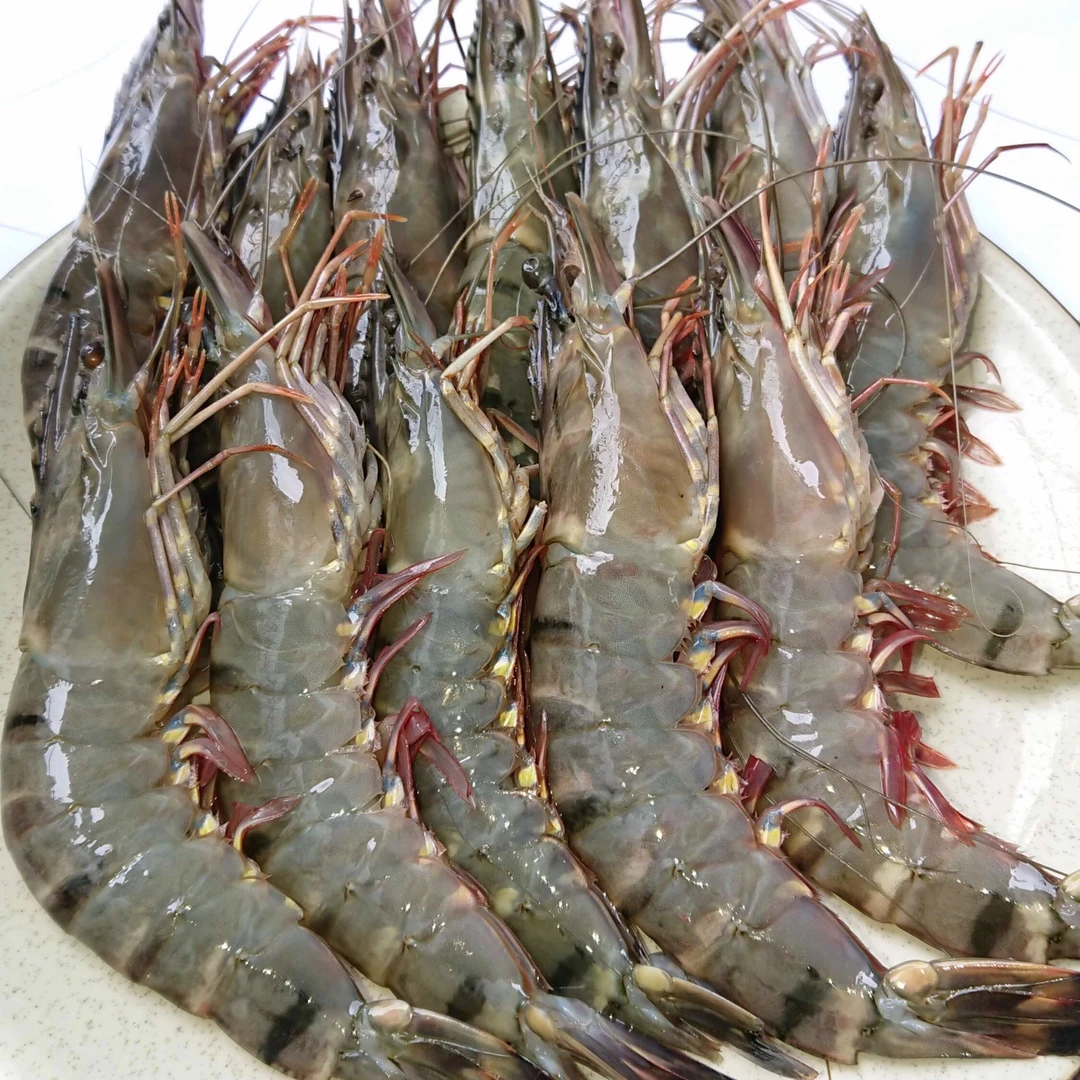
Heritage Ingredient
Whiteleg Shrimp
Whiteleg Shrimp
A widely used shrimp in Vietnamese home kitchens, suitable for stir-fries, soups, steamed dishes, and practical cooking articles that need a familiar shrimp reference.
Translucent jewels of the coast, thin-shelled and remarkably sweet, making every simple home meal feel like a seaside celebration.
4 The Ripple Effect: From Farm to Family
The implications of EU anti-dumping tariffs extend far beyond the balance sheets of export companies. For the thousands of smallholder farmers in the Mekong Delta, shrimp farming is not just a business; it's their livelihood, their heritage, and the primary source of income for their families. A sustained drop in demand or price due to tariffs means reduced income, making it harder to invest in pond maintenance, feed, or disease prevention.

📸 A life's work: The dedication behind every harvest.
This economic pressure can force difficult decisions: scaling back operations, seeking alternative crops (which may not be as profitable), or even migrating to urban centers in search of work. The social fabric of these communities, deeply intertwined with the success of aquaculture, is at risk of unraveling. Furthermore, processing plants, logistics companies, and feed suppliers all feel the tremor, leading to potential job losses across the entire value chain.
Consider the Ca Mau Black Tiger Shrimp, a species also cultivated in the region, though perhaps less dominant in the export market than whiteleg. Its presence speaks to the diverse aquaculture heritage of the Delta. If the overall shrimp market is destabilized by tariffs on its most common cousin, even these specialized varieties can face indirect impacts.
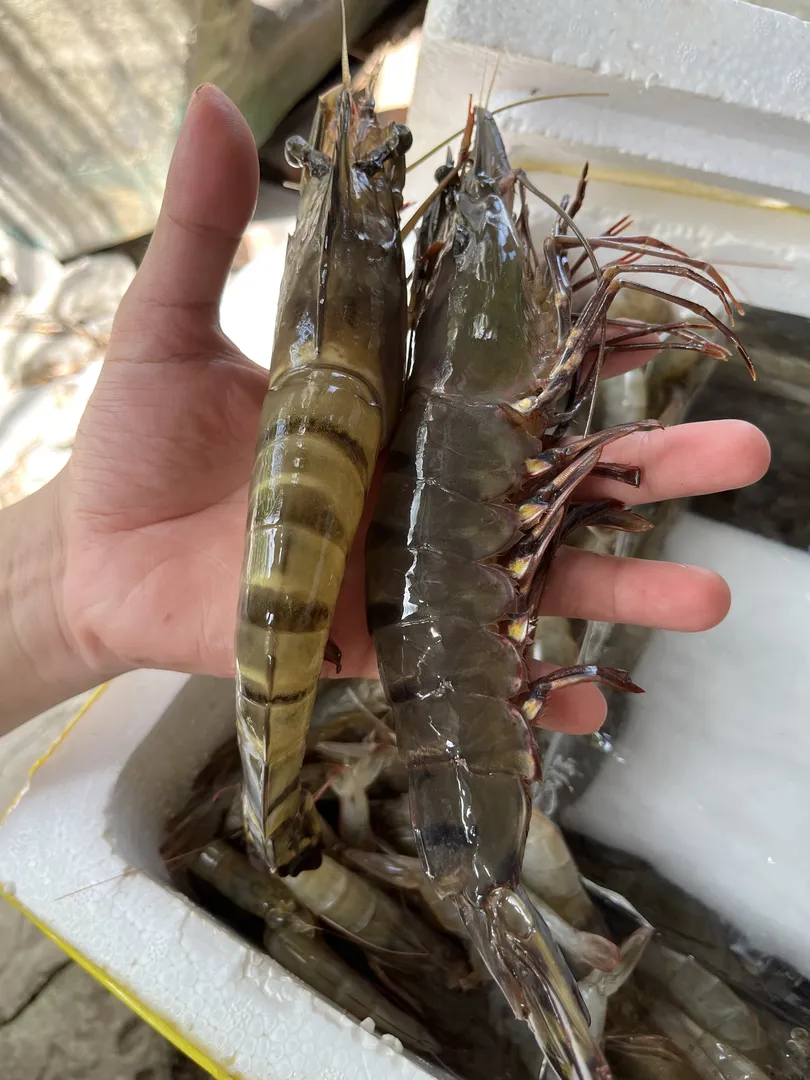
Heritage Ingredient
Ca Mau Black Tiger Shrimp
Ca Mau Black Tiger Shrimp
Large black tiger shrimp associated with mangrove aquaculture in Ca Mau, known for firm flesh and a cleaner, sweeter finish than intensively farmed shrimp.
Wild spirits of the mangroves, these black-banded gems deliver a firm, snappy texture and a sweetness that echoes the forest's vibrant life.
5 The EU Market: A Crucial Destination
The European Union represents one of the largest and most lucrative markets for Vietnamese shrimp. Consumers in EU member states have a high per capita consumption of seafood, and they value variety, quality, and increasingly, sustainably sourced products. For Vietnamese exporters, the EU market is not just about volume; it's also about prestige and adherence to stringent standards that can open doors to other discerning markets.

📸 European palate: Demand for quality seafood is high.
Losing this market, or seeing our market share significantly eroded by tariffs, has profound economic consequences. It forces Vietnamese businesses to scramble for alternative markets, which may not offer the same pricing or volume, or face an oversupply that drives down domestic prices. This is why the outcome of the EU's anti-dumping investigation is being watched with bated breath across Vietnam's coastal provinces.
6 Vietnam's Response and Defense
The Vietnamese government, through its Ministry of Industry and Trade and relevant agricultural agencies, has been actively engaged in defending the nation's shrimp exporters. This defense typically involves several key strategies:
- Providing Data and Evidence: Submitting comprehensive documentation to the EU investigators to demonstrate that Vietnamese shrimp is not being dumped. This includes detailed cost of production data, export prices, and market analyses.
- Lobbying and Diplomatic Engagement: Engaging in discussions with EU officials and trade representatives to present Vietnam's case and highlight the potential negative impacts of tariffs on both economies and consumers.
- Industry Collaboration: Working closely with Vietnamese shrimp associations and individual businesses to gather accurate information and present a united front.
- Diversification Strategies: While defending current markets, the industry is also encouraged to explore and strengthen ties with other potential export destinations to reduce reliance on any single market.

📸 Diplomatic efforts: Securing fair trade for Vietnamese exports.
The success of these efforts is crucial for the long-term stability and growth of Vietnam's shrimp sector, ensuring that the hard-won gains in aquaculture are not undermined by trade disputes.
7 What Does This Mean for the Future of Vietnamese Shrimp?
The outcome of the EU's anti-dumping investigation will undoubtedly shape the future trajectory of Vietnam's shrimp exports. A favorable ruling, or a minimal tariff imposition, would allow the industry to continue its growth trajectory, potentially with renewed focus on transparency and fair pricing practices. However, a significant tariff could force a strategic pivot.
Businesses may need to diversify their export markets more aggressively, exploring opportunities in Asia, North America, or other regions. There might also be a greater emphasis on value-added products, where differentiation and branding can command higher prices, making them less susceptible to pure price-based competition. Furthermore, the industry might be pushed to enhance its sustainability credentials, as many international markets are increasingly prioritizing environmentally conscious and ethically produced seafood.

📸 The global product: Frozen shrimp ready for market.
Ultimately, this challenge, while daunting, could also serve as a catalyst for innovation and resilience within Vietnam's vital aquaculture sector, reinforcing its commitment to quality and sustainable practices in the face of global economic pressures.
8 Navigating the Currents: Expert Insights
The complex world of international trade and aquaculture policy requires nuanced understanding. Here’s what industry observers are saying:
Market Diversification
"Vietnamese exporters have been too reliant on the EU. This investigation highlights the urgent need to bolster relationships with markets in Asia, the Americas, and beyond. A multi-pronged approach is essential for long-term stability."
- Trade Analyst, Mekong Institute
Traceability and Sustainability
"The EU market, even with tariffs, values traceability and sustainable practices. Companies that can robustly demonstrate ethical sourcing and environmental responsibility will remain competitive. This is an opportunity to showcase Vietnam's progress in these areas."
- Aquaculture Sustainability Consultant
9 Looking Ahead: Resilience in the Delta
The Mekong Delta has always been a land of resilience, adapting to the cycles of floods and droughts, the vagaries of weather, and the demands of changing global economies. The current challenge posed by EU anti-dumping tariffs on shrimp is another test of this inherent strength. While the economic impact is significant and the uncertainty is palpable, the spirit of innovation and adaptation that defines the region's people will likely guide them through this period.

📸 The enduring beauty of the Delta, a source of strength.
By embracing diversification, enhancing product quality, and championing sustainable practices, Vietnam's shrimp industry can navigate these turbulent trade waters and continue to be a vital contributor to both the national economy and the global seafood supply. The journey from the Mekong's embrace to the world's tables is challenging, but the resilience built over generations in the Delta provides a strong foundation for overcoming these new hurdles.
Trending Topics:
More Seafood Insights
View More Buyer's Guide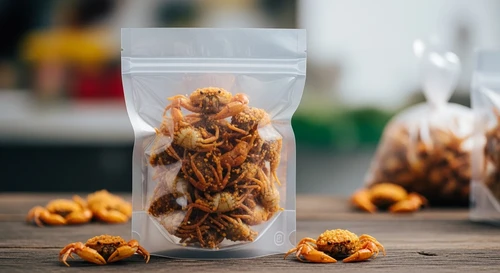
Dehydrated Seasoned Baby Crabs: A Potential Export Goldmine
How central Vietnamese processors are packaging crispy, spiced baby crabs to target international snack markets like Amazon.
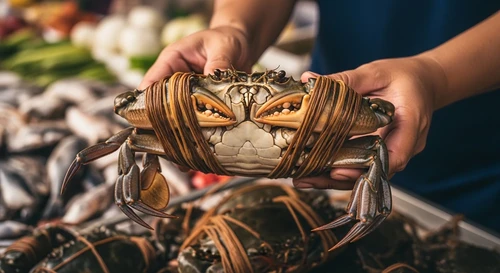
The Rubber Band Scam: Buying 1kg of Crab and Getting 400g of Meat
Vendors in tourist spots are using massive, thick rubber bands to weigh down small crabs. How to spot and avoid this blatant rip-off.
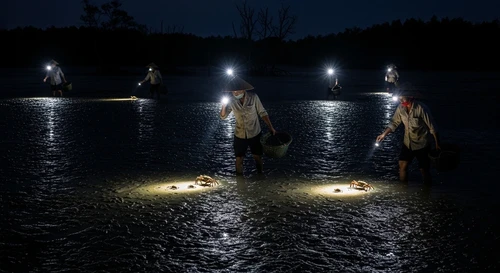
The Ba Khia Harvesting Season: A Midnight Mangrove Tour
Every October, locals head into the mud flats with flashlights to catch swarms of these crabs. A cultural phenomenon.
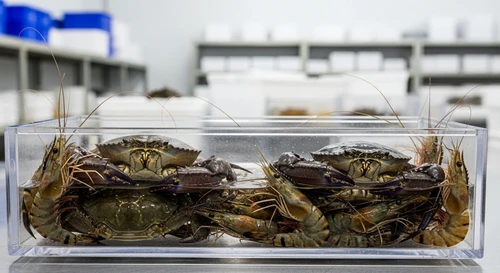
The Craze of 2-Hour Express Delivery Apps for Live Seafood in Hanoi
Residents of the capital can now order live crabs and swimming shrimp from inner-city cold storages, delivered to their doors while still splashing.
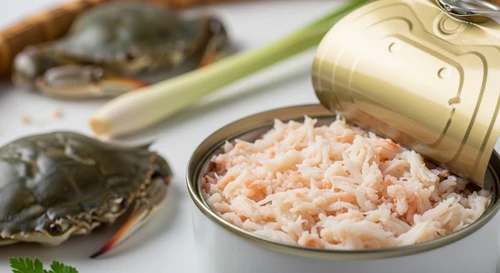
Unlocking the Export Potential of Peeled Blue Swimmer Crab Meat to the US and Australia
Pasteurized, canned shredded crab meat is becoming a flagship product, bringing in billion-dollar foreign exchange for Vietnam.
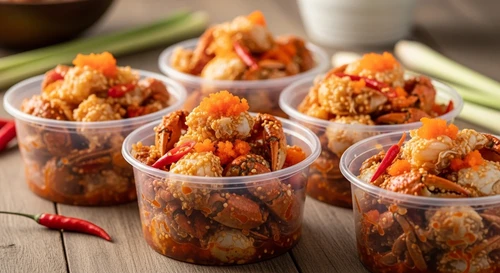
Office Workers Build Side Hustles Selling Pre-Mixed Salted Crabs
How a simple home recipe packaged in convenient plastic tubs is generating thousands of dollars for young entrepreneurs.
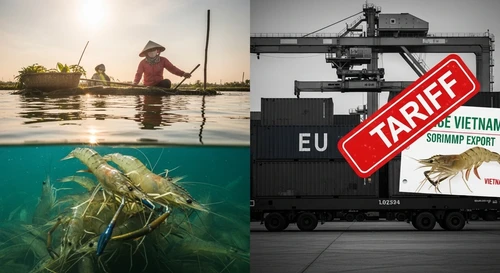
Vietnam's Shrimp Industry Faces the Threat of Anti-Dumping Tariffs in the EU
New trade barriers pose massive challenges for businesses exporting frozen whiteleg shrimp.
Startup: Secrets to Menu Pricing for High-Profit Seafood Restaurants and Pubs
Analyzing the strategy of selling seafood snacks combined with draft beer: Using at-cost shrimp and crabs as bait to profit from beverages.
Eco-Tourism: Sustainable Harvesting of Ba Khia in Ca Mau
How local communities are balancing the booming demand for salted crab with the preservation of mangrove ecosystems.