" Forget chasing the whale. In the restaurant business, sometimes the real gold is in the bait. Especially when that bait is a plump, succulent shrimp from the Mekong Delta, or a crab plucked from the Ca Mau coast. "
1 The "Bait" Principle: High Cost, High Perception
In the bustling culinary landscape of Vietnam, particularly in regions like the Mekong Delta with its abundant seafood, restaurants and pubs face a common challenge: how to make premium ingredients both accessible and profitable. The secret weapon? A well-executed "bait and switch" pricing strategy, where high-cost seafood items are used strategically to drive margins on lower-cost, high-volume items like draft beer and simple beverages.
Think about it. A plate of succulent Ca Mau Black Tiger Shrimp or a small, perfectly cooked Ca Mau Jumbo Mud Crab. These items command attention. They signal quality, freshness, and a taste of the region's bounty. Customers are willing to pay a premium for them, but if priced purely on cost, they might eat into your overall profitability.
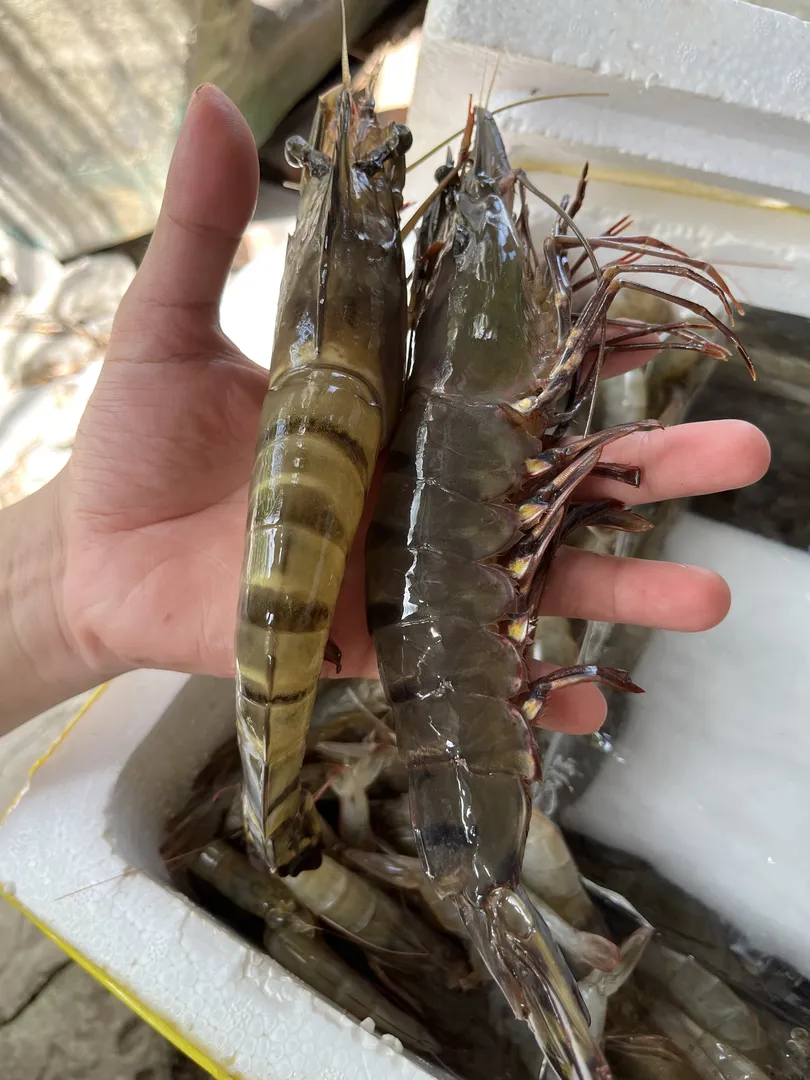
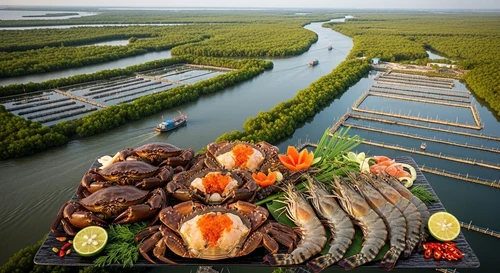
Illustration: Ca Mau Black Tiger Shrimp
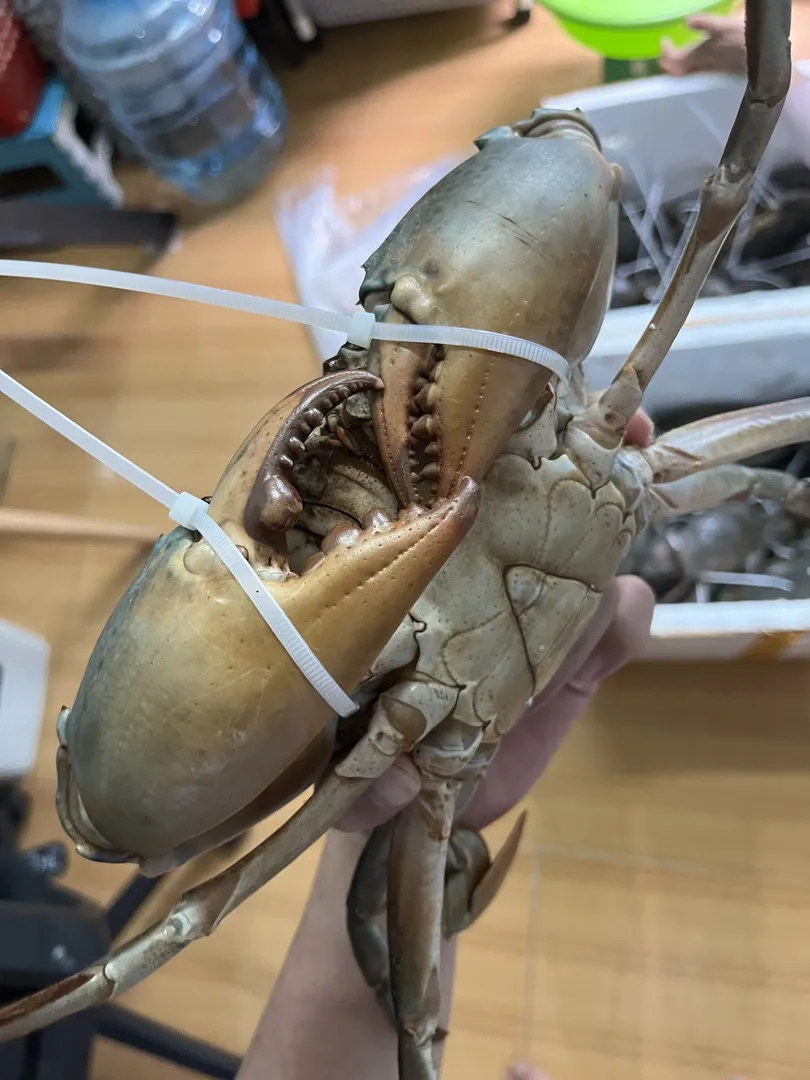
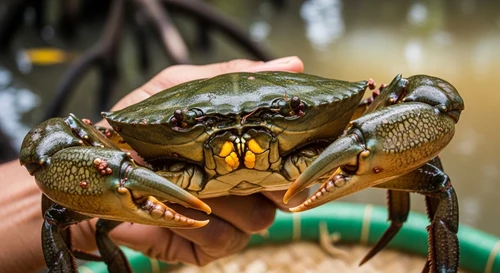
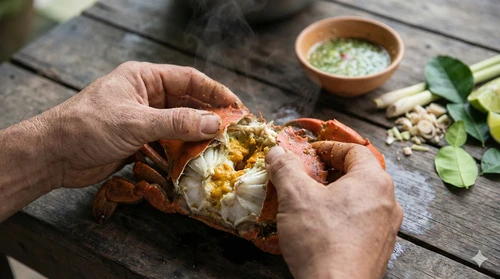
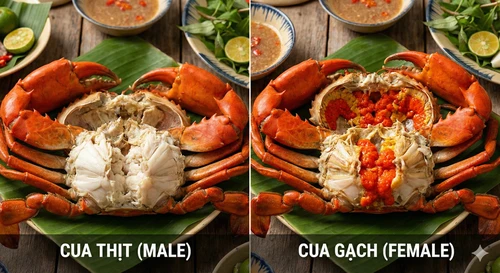
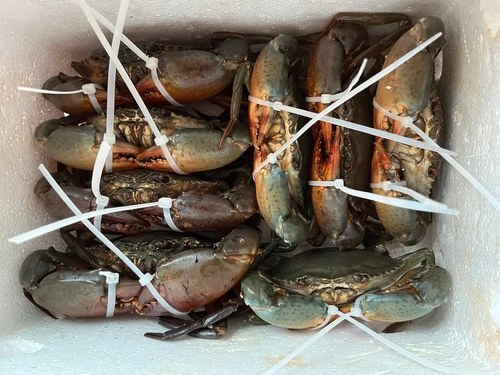
Illustration: Ca Mau Jumbo Mud Crab
The strategy is simple: price these high-perception, high-cost items aggressively, almost at cost or with a very slim margin. The goal isn't massive profit from the seafood itself. Instead, these "bait" items are designed to lure customers in and, more importantly, encourage them to order drinks. The real profit comes from the beverages and accompanying, lower-cost side dishes.
2 The Goldmine: Beverages & Low-Cost Accompaniments
Draft beer, especially when paired with seafood snacks, is a classic profit driver. The markup on a pint of beer can easily be 300-500%, sometimes even higher. When a customer orders a £6 pint that costs you £1.50, you've made £4.50 profit. Now, imagine that happening over and over.
Draft Beer Dynamics
- Low Perceived Cost: While a beer might cost £1.50, the customer sees it as a reasonable £6 for a pub experience.
- High Consumption Rate: Especially with salty, flavorful seafood, customers tend to drink more.
- Repeat Business: A good beer selection and quality seafood can foster loyalty.
The Supporting Cast
- Citrus & Chilies: Lime wedges, fresh chilies, and dipping sauces (like the classic Vietnamese lime-salt-pepper mix) have very low food costs but add significant perceived value.
- Simple Carbs: A basket of slightly stale bread, or a small portion of plain rice to accompany a shared dish, can be priced for profit.
- Pickled Vegetables: Small dishes of pickled daikon or carrots, common in Vietnamese cuisine, are cheap to make and highly complementary.
3 Mekong Delta Insight: The Culture of Sharing & Drinking
In the heart of the Mekong Delta, life revolves around its waterways and the bounty they provide. From the mangrove-lined coasts of Ca Mau to the bustling floating markets of Can Tho, seafood is not just food; it's a way of life. This deep connection translates into a social culture where sharing food and drink is paramount.
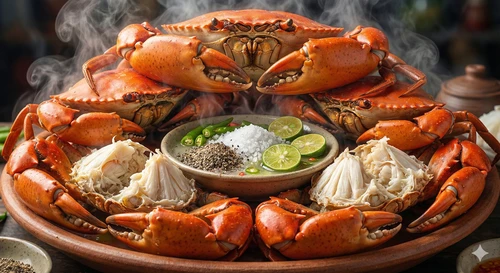
Picture a group of friends or family gathered at a riverside eatery. The centerpiece might be a steaming platter of fresh crabs or grilled prawns. Accompanying this, invariably, will be pitchers of local beer or chilled spirits. The act of peeling a crab claw, dipping it into zesty lime salt, and washing it down with a cold drink is a communal ritual.
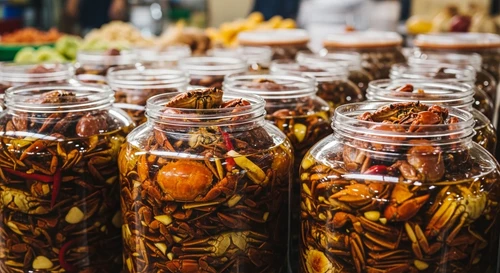
Restaurants in this region naturally tap into this cultural rhythm. They understand that seafood dishes, even when priced reasonably, are catalysts for larger orders of beverages and communal sharing platters. The low-cost, high-margin nature of drinks is understood implicitly. A restaurant might offer a special on Fermented Mangrove Crab (Ba Khia) – a uniquely Mekong flavor – as a conversation starter, knowing that this bold, salty snack will inevitably lead to rounds of beer.
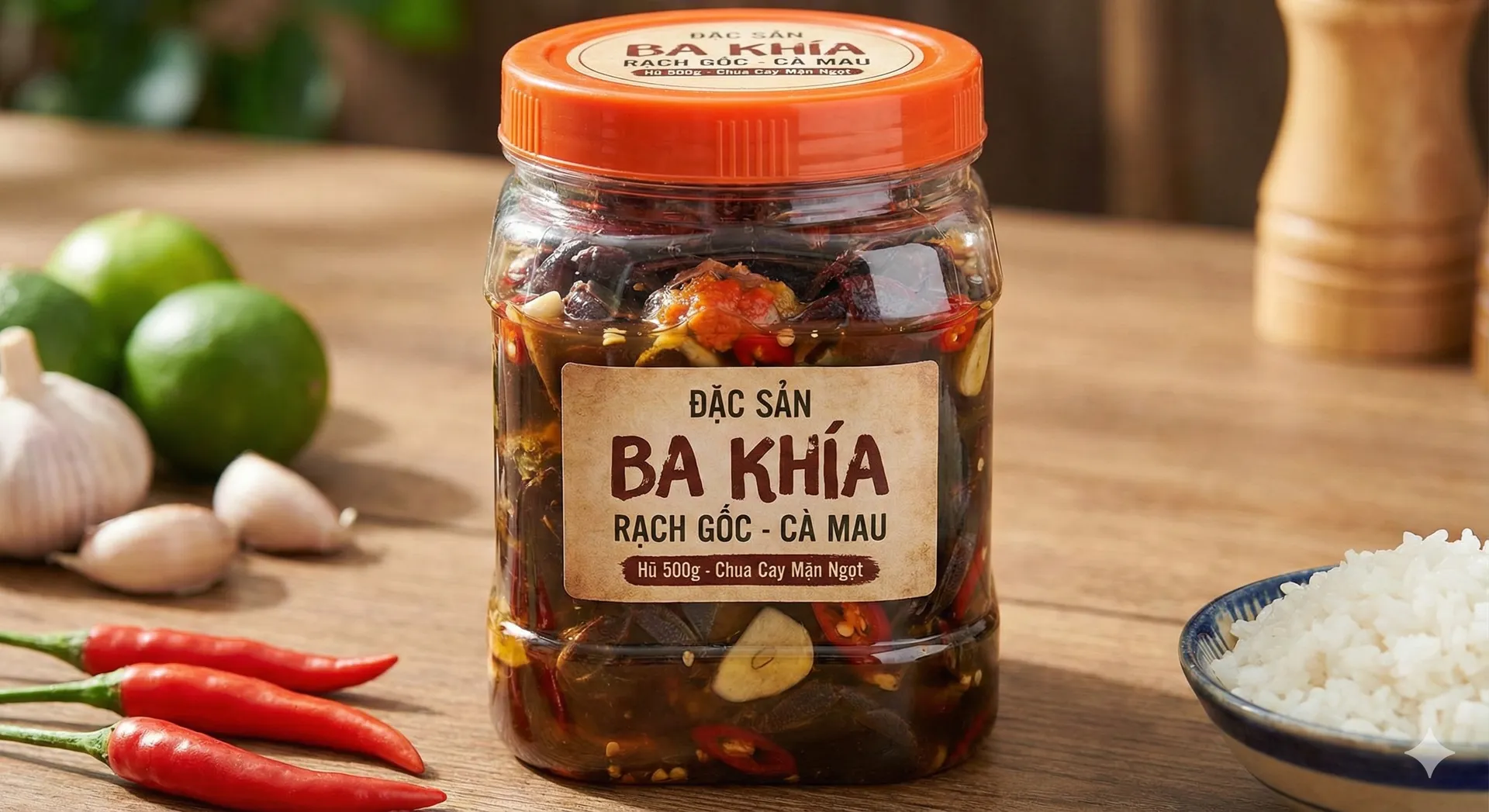
Illustration: Fermented Mangrove Crab (Ba Khia) - a regional specialty
4 Menu Engineering: Strategic Placement & Packaging
How you present these items on your menu is as critical as the pricing itself. This is where menu engineering comes into play.
Visibility
Place your "bait" seafood items in prime real estate. The top-left corner of the menu, or within boxes that draw the eye, are classic placements. Use enticing descriptions and high-quality photos if possible.
Pairing Suggestions
Actively suggest beer pairings for your seafood snacks. "Pairs perfectly with our cold Bia Saigon Lager" or "Best enjoyed with a pint of IPA." This guides the customer's order and reinforces the strategy.
Combo Deals
Create limited-time or specific "seafood and beer" bundles. These can offer a slight discount on the combined price, making the deal feel attractive while still ensuring high profitability through the beer margin.
5 Pricing Psychology: The Anchor Effect
By listing a high-ticket, high-cost item (like a whole grilled mud crab that costs you a significant amount) at a premium price, you set an "anchor." This makes other, more profitable items seem more reasonable by comparison.
For example, if your premium mud crab is priced at £50, a £15 seafood platter served with draft beer suddenly looks like a fantastic deal. The customer's perception of value shifts significantly. They are more likely to order the platter, which, while offering a lower per-item profit, generates higher overall profit due to the beverage margins and lower food cost.
This is particularly effective in pubs or casual dining establishments where the primary expectation is a relaxed atmosphere with drinks. The seafood acts as a sophisticated appetizer that justifies the beer, rather than the sole profit generator.
6 Real-World Example: A Ca Mau Coastal Pub
Imagine a pub nestled near the coast in Ca Mau, the southern tip of Vietnam, famed for its abundant crab fisheries. They might offer a "Ca Mau Jumbo Mud Crab" (potentially similar to the Ca Mau Jumbo Mud Crab) on their menu at a price that reflects its cost – say, £35. This is a significant outlay.
However, next to it, they list a "Spicy Garlic Shrimp Snack" for £12. The shrimp itself costs them only £2. Their draft beer is £5. A customer might look at the £35 crab, deem it too expensive for a casual drink, and instead opt for the £12 shrimp snack. They'll likely order two or three pints of beer throughout their meal.
The Crab:
- Food Cost: £15-£20
- Menu Price: £35
- Profit: £15-£20 (relatively low margin, high risk if unsold)
The Shrimp Snack + 3 Beers:
- Food Cost (Shrimp): £2
- Food Cost (3 Beers): £4.50
- Menu Price (Shrimp): £12
- Menu Price (3 Beers): £15
- Total Revenue: £27
- Total Profit: £20.50 (Higher profit, lower risk)
In this scenario, the expensive crab acts as an anchor, making the shrimp and beer combo more appealing. The pub sells more beer, more shrimp, and likely turns tables faster, leading to higher overall revenue and profit, even if the per-item profit on the crab itself is less attractive.
7 Mitigating Risk: Quality Control & Seasonality
While this strategy is powerful, it's not without its risks. Seafood, especially live seafood, is perishable and subject to market fluctuations.
- Source Wisely: Build strong relationships with reliable suppliers. In the Mekong Delta, this might mean sourcing directly from fishermen or aquaculture farms in Ca Mau or surrounding provinces to ensure freshness and better pricing.
- Embrace Seasonality: Certain seafood is better (and cheaper) at specific times of the year. Highlight these seasonal stars. For example, roe crabs (Ca Mau Roe Mud Crab) are a premium product during certain seasons.
- Portion Control: For "bait" items, precise portion control is key. A small, perfectly presented dish of shrimp or a single, well-cooked crab claw can deliver immense perceived value without breaking the bank.
- Flexibility: Be prepared to adjust pricing or offerings based on market conditions. A daily special board can be your best friend for featuring highly seasonal or opportunistic catches.
8 Conclusion: The Art of the Profitable Menu
The strategy of using high-cost, high-perception seafood as "bait" to drive sales of profitable beverages and accompaniments is a time-tested method for restaurants and pubs, particularly those in regions blessed with abundant seafood like the Mekong Delta. It's not about tricking customers; it's about understanding their desires, leveraging the cultural context of sharing and enjoyment, and engineering a menu that creates value for them while ensuring robust profitability for your business.
By strategically pricing your premium seafood, emphasizing pairings, and focusing on the high-margin potential of drinks, you can transform your menu from a simple list of dishes into a powerful profit-generating machine. So, go forth, embrace the bait, and watch your profits swim.