1 The Mekong Delta's Hidden Gold
" Forget the bustling floating markets for a moment. The true economic engine for many communities in the Mekong Delta, particularly along its extensive coastline and intricate river systems, is the unassuming blue swimmer crab. It's a story of humble beginnings meeting global demand, driven by meticulous processing and a product that speaks for itself. "
For decades, the aquaculture and wild-caught fisheries of Vietnam, especially in provinces like Ca Mau, Bac Lieu, and Soc Trang, have been vital to the nation's economy. While seafood exports are diverse, the humble blue swimmer crab, processed into a convenient, shelf-stable form, is emerging as a true flagship product. This isn't just about supplying a market; it's about transforming a regional delicacy into a billion-dollar foreign exchange earner.

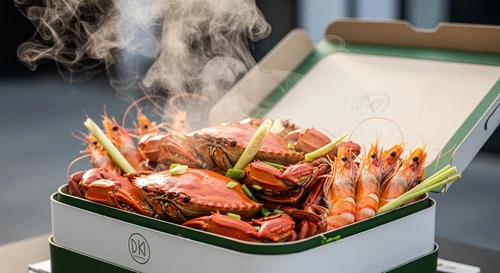
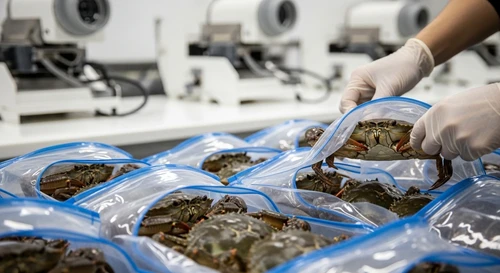
📸 The essence of the delta, ready for your pantry.
2 From Mudflat to Canning Line: The Blue Swimmer's Transformation
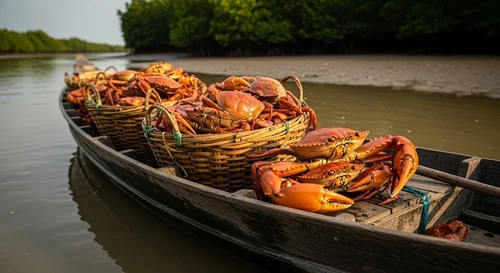
The 'blue swimmer crab' (Portunus pelagicus) is prized for its sweet, delicate meat. In the Mekong Delta, these crabs are harvested from coastal areas, mangrove forests, and brackish waterways. The journey from a live, wriggling crustacean to a pasteurized, canned product is one of precision, hygiene, and advanced technology.
Harvest & Sorting
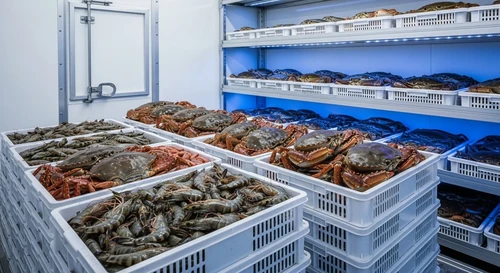
Crabs are carefully caught, often by traditional methods or from sustainable aquaculture farms. Upon arrival at processing facilities, they undergo rigorous sorting to ensure quality, size, and vitality. Only the best make it to the next stage.
The Art of Peeling
This is where Vietnamese expertise shines. Skilled workers meticulously peel the crabs, extracting the precious meat and claw chunks. Automation is increasing, but the human touch is often vital for preserving the delicate texture.
The next critical step is pasteurization. This process, vital for export, inactivates enzymes and eliminates harmful bacteria, extending shelf life significantly without the need for refrigeration. This is what allows the canned crab meat to travel thousands of miles and remain safe and palatable for consumers in the US and Australia.
Visualizing Premium Crab
While canned crab meat is shredded, understanding the source helps appreciate the quality. Look for crabs from regions like Ca Mau for their renowned sweetness and density.
Heritage Ingredient
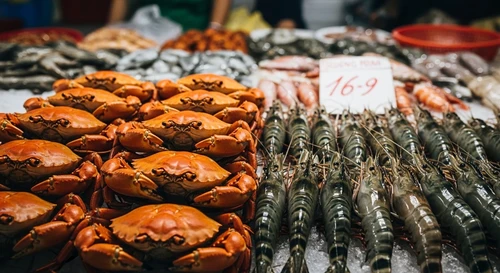
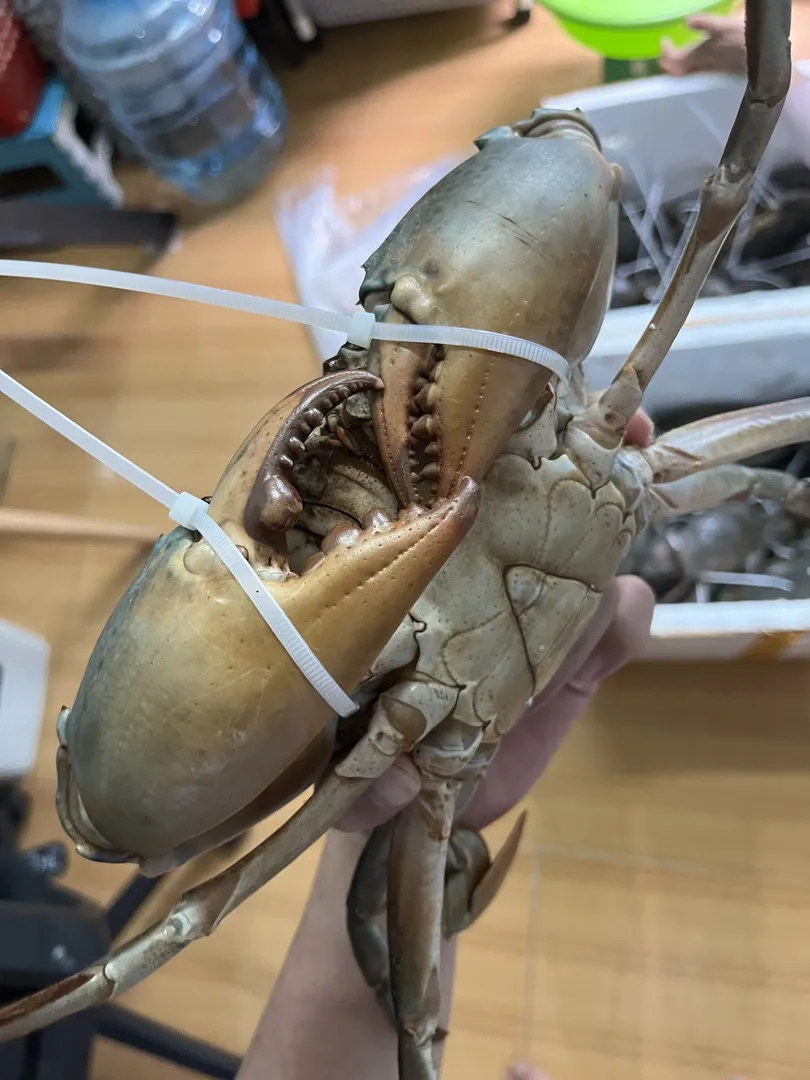
Ca Mau Jumbo Mud Crab
Ca Mau Jumbo Mud Crab
A large male mud crab prized for dense, sweet meat and thick claws, commonly used in steamed crab and grilled crab dishes across the Mekong Delta.
An icon of coastal culinary heritage, featuring firm, sweet meat that captures the raw power and freshness of Ca Mau's tides.
3 Bridging Continents: Reaching the US and Australian Palates
The demand for convenient, high-quality seafood is immense in developed markets like the United States and Australia. Consumers there value not only taste but also the assurance of safety, sustainability, and ease of use. Canned blue swimmer crab meat, when properly processed and branded, hits all these marks.
The American Appetite
American consumers are accustomed to a wide range of seafood, from canned tuna and salmon to fresh catches. The convenience of canned crab meat appeals to busy households, restaurants looking for reliable ingredients for crab cakes or salads, and food manufacturers.
Key factors for US market entry include stringent FDA regulations, clear labeling for allergens (shellfish), and consistency in product quality. Vietnamese exporters are increasingly meeting these standards.
The Australian Connection
Australia, with its own strong domestic crab fisheries, also possesses a significant appetite for imported seafood. The focus here is often on value-added products and ingredients that can be used in a variety of dishes, from backyard BBQs to sophisticated restaurant menus.
Australian consumers are highly aware of food safety standards, enforced by bodies like FSANZ. Transparency in sourcing and processing is paramount for gaining trust and market share.
Billion-Dollar Catch: The Foreign Exchange Powerhouse
The statistics are staggering. Vietnam's seafood exports are a critical component of its trade balance, and crab meat, particularly pasteurized and canned varieties, is at the forefront. This isn't just about volume; it's about value-added products commanding higher prices on the international market.
Foreign Exchange Earnings
Billions of dollars are repatriated annually, significantly boosting Vietnam's national income and supporting local economies in coastal and riverine communities.
Job Creation
The entire value chain, from fishing and farming to processing, packaging, and logistics, creates substantial employment opportunities.
The success of canned crab meat often elevates the perception of other Vietnamese seafood products, paving the way for further export growth in areas like shrimp and other premium fish.
5 Ensuring Excellence: The Seal of Approval
For any food product aiming for international markets, especially in safety-conscious regions like the US and Australia, robust quality control and internationally recognized certifications are non-negotiable. Vietnamese crab processors are investing heavily in these areas.
HACCP & ISO
Hazard Analysis and Critical Control Points (HACCP) and ISO certifications are fundamental. They demonstrate a systematic approach to food safety management, identifying and controlling potential hazards at every step.
Traceability
The ability to trace a product back to its origin – be it a specific farm or fishing vessel – is crucial for consumer confidence and regulatory compliance. Modern facilities implement sophisticated tracking systems.
Compliance with specific import regulations for target countries, such as FDA requirements for the US and FSANZ standards for Australia, is also meticulously managed.
The Foundation of Quality
High export standards apply to the raw product too. Premium grades ensure the best meat yield and flavor for processing.
Heritage Ingredient
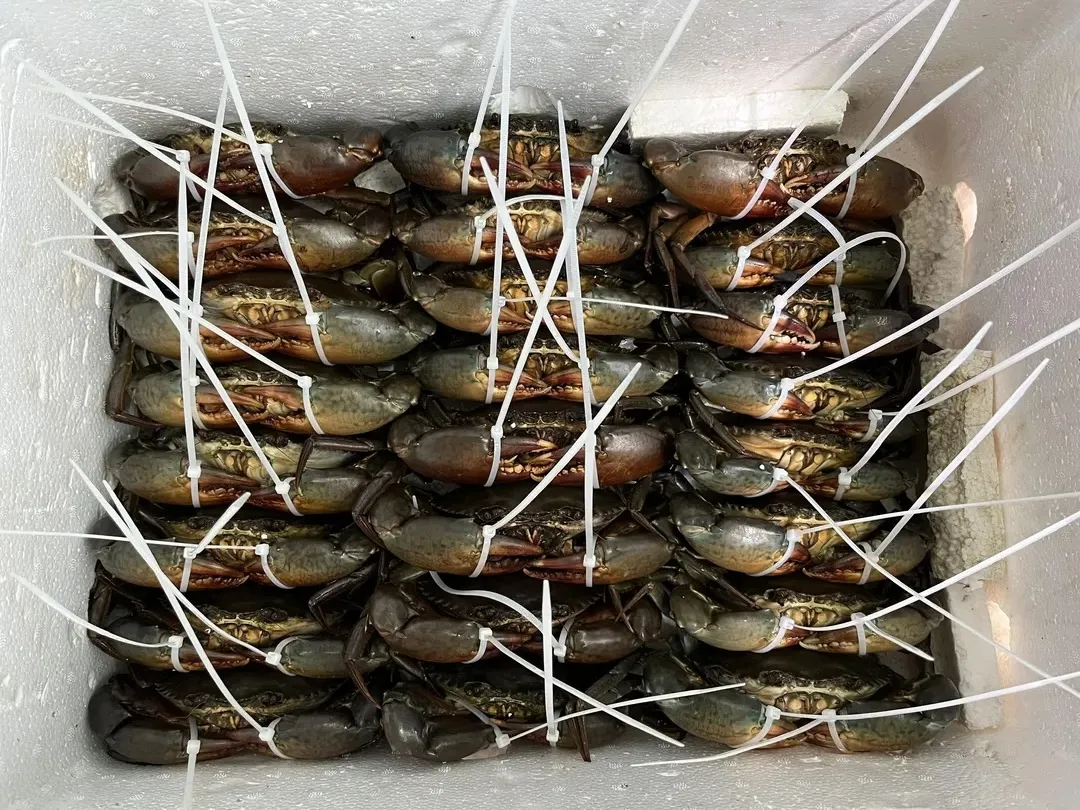
Export-Grade Ca Mau Roe Crab
Export-Grade Ca Mau Roe Crab
A carefully sorted roe crab selected for size, shell quality, and roe consistency, suitable for explaining premium grading in Vietnamese crab culture.
The pinnacle of perfection—pristine shells and bursting roe, meticulously selected to conquer the hearts of global gourmets.
6 Navigating the Waves: Challenges and Future Outlook
Despite the success, the industry faces ongoing challenges. Fluctuations in crab populations due to environmental factors and overfishing, the need for continuous investment in technology, and navigating complex international trade policies require constant adaptation.
Sustainability Concerns
Ensuring sustainable fishing practices and responsible aquaculture is paramount for the long-term viability of the crab supply.
Technological Advancements
Investment in more automated peeling lines and advanced pasteurization techniques is crucial for efficiency and meeting global demand.
Global Trade Dynamics
Staying abreast of changing trade agreements, tariffs, and consumer trends in key markets is essential for sustained growth.
The future likely holds further innovation in processing, a greater emphasis on traceability and sustainability certifications, and an expanded global reach for Vietnamese crab products. It's a testament to how a regional treasure can become a global commodity.
7 The Versatile Morsel: Why Consumers Love It
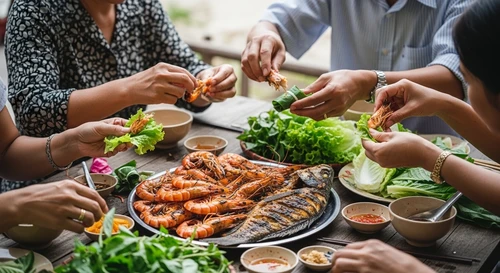
The appeal of pasteurized crab meat extends beyond its convenience. It retains much of the sweet, delicate flavor that makes fresh crab so desirable, making it a versatile ingredient in countless dishes.
- Crab Cakes & Patties: A classic use, where the crab meat forms the star.
- Salads: From simple green salads to more complex seafood medleys, it adds a touch of luxury.
- Soups & Chowders: Enriching dishes like crab bisque or Vietnamese crab noodle soup (Bun Rieu).
- Sandwiches & Wraps: A quick and satisfying addition for a gourmet lunch.
- Stuffed Dishes: Filling peppers, mushrooms, or even other seafood.
From Whole Crab to Kitchen Staple
Understanding the whole crab's potential, from its rich roe to its sweet meat, helps one appreciate the journey to the final canned product.
Heritage Ingredient
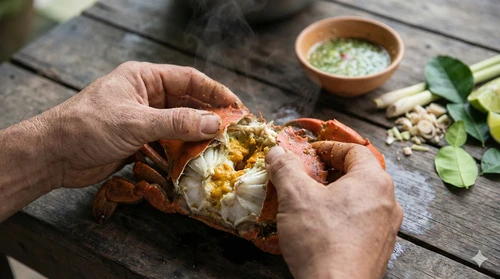
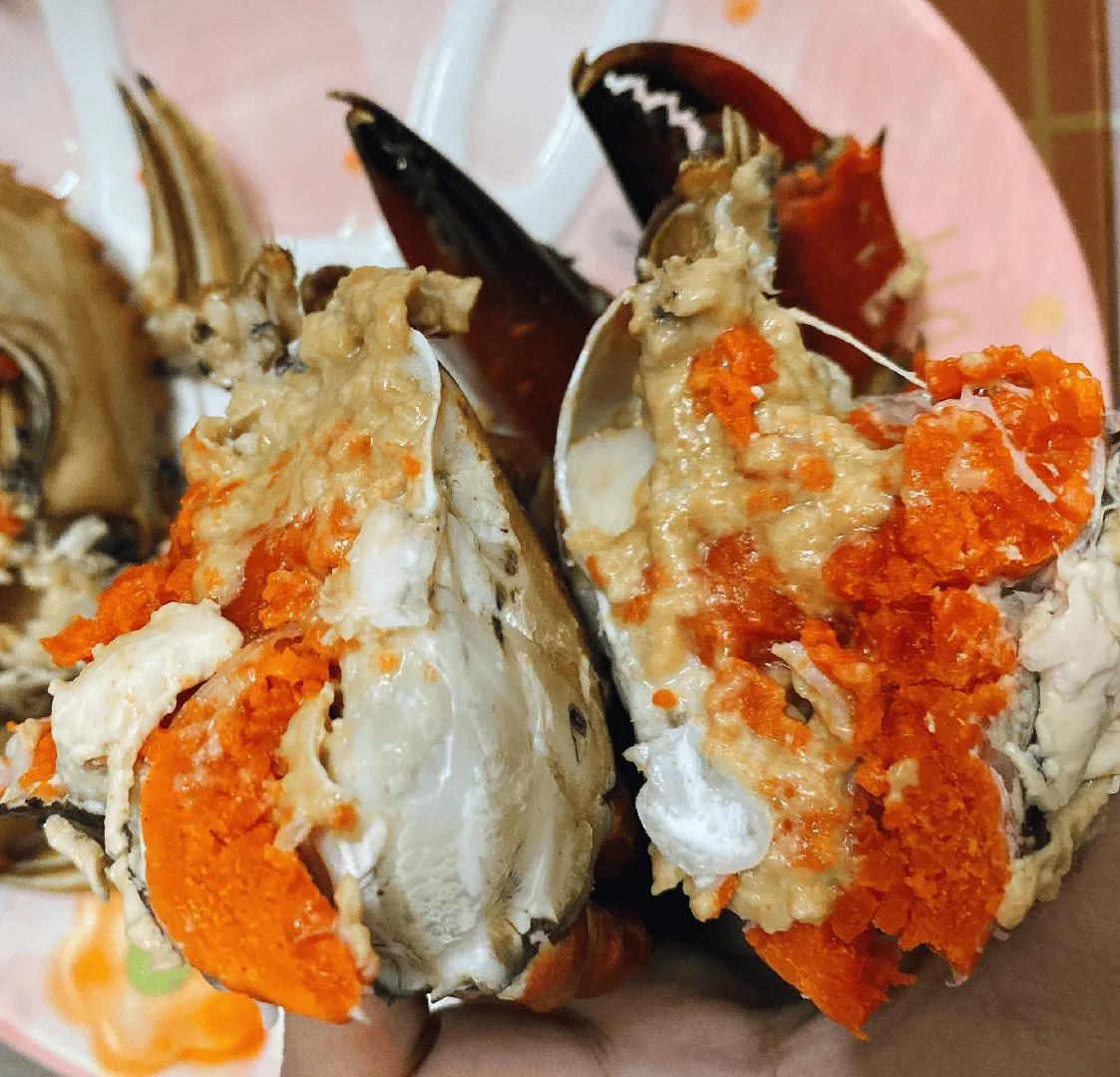
Ca Mau Roe Mud Crab
Ca Mau Roe Mud Crab
A female mud crab known for deep orange roe and a rich, creamy finish, often featured in celebratory Southern Vietnamese seafood meals.
A crimson treasure hidden within a shell, boasting rich, creamy roe that melts on your tongue like a golden sunset over the delta.
8 A Taste of Home, Delivered Globally
The success of canned blue swimmer crab meat export is a powerful narrative. It's a story of how the abundant natural resources of the Mekong Delta, combined with Vietnamese ingenuity and adherence to global standards, can create economic prosperity and share a taste of local culinary heritage with the world.
Whether it's a chef in Sydney crafting a delicate seafood pasta or a family in Los Angeles preparing a quick weeknight meal, the humble can of crab meat carries with it the spirit of the Mekong Delta's rich waters and the dedication of its people.
This export success is not just about trade; it's about cultural connection, delivering a high-quality, versatile ingredient that resonates with palates across the globe.