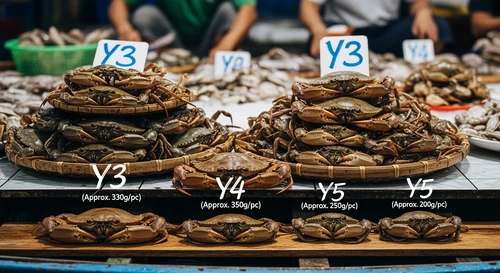
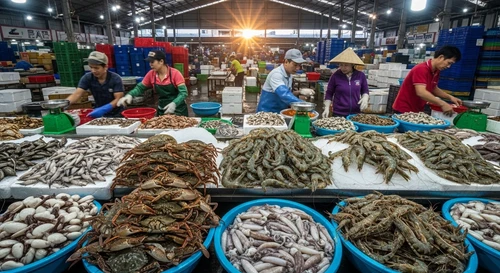
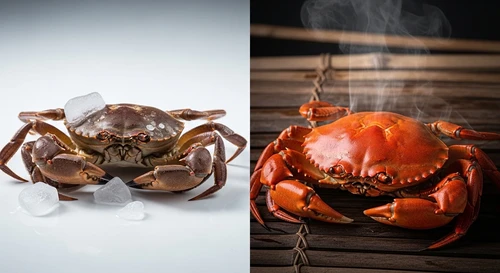
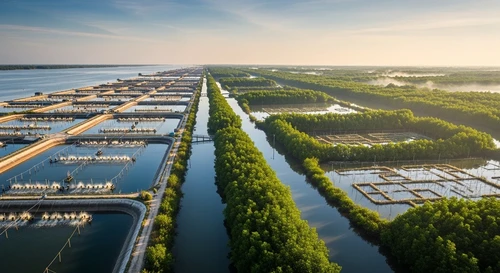
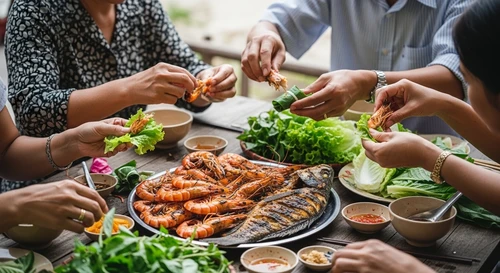
" Forget the colossal mud crabs for a moment. The real, quiet revolution in Vietnamese seafood exports might just be happening at the scale of your thumbnail. It's a story of ingenuity, flavor, and tapping into the global craving for the next addictive snack. "
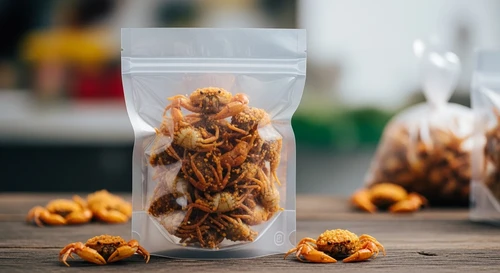
📸 Packaging innovation: Making a small catch globally palatable.
1 The Unseen Harvest: From Mekong Mudflats to Snack Packs
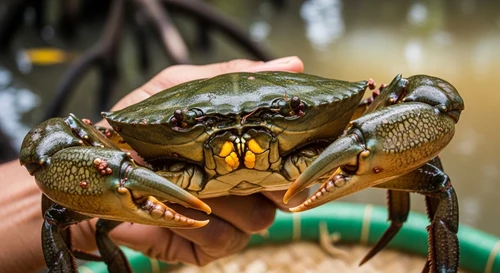
The Mekong Delta, that vast, fertile labyrinth of rivers, canals, and mangrove forests in Southern Vietnam, is not just about rice paddies and colossal mud crabs. It's a biodiversity hotspot, teeming with smaller aquatic life. Among them are countless species of tiny crabs, often found scurrying along the muddy banks and within the intricate root systems of the mangroves. Historically, these small crustaceans were a humble, everyday food source for local communities, often seasoned and fried until crispy, a delicious way to utilize every bit of the abundant resources.
These aren't the showy, fist-sized crabs destined for steaming or grilling. These are the nimble, diminutive ones, packed with a surprising depth of flavor – briny, slightly sweet, and utterly unique. For generations, they were enjoyed locally, often as a simple accompaniment to rice or a savory snack with a cold beer. But the global palate is evolving, and processors in central and southern Vietnam are recognizing the untapped potential of these tiny mariners.
The Raw Material
The journey begins with small crabs, often by-catch or specifically harvested from coastal and estuarine areas across the Mekong's vast network. The key is freshness.
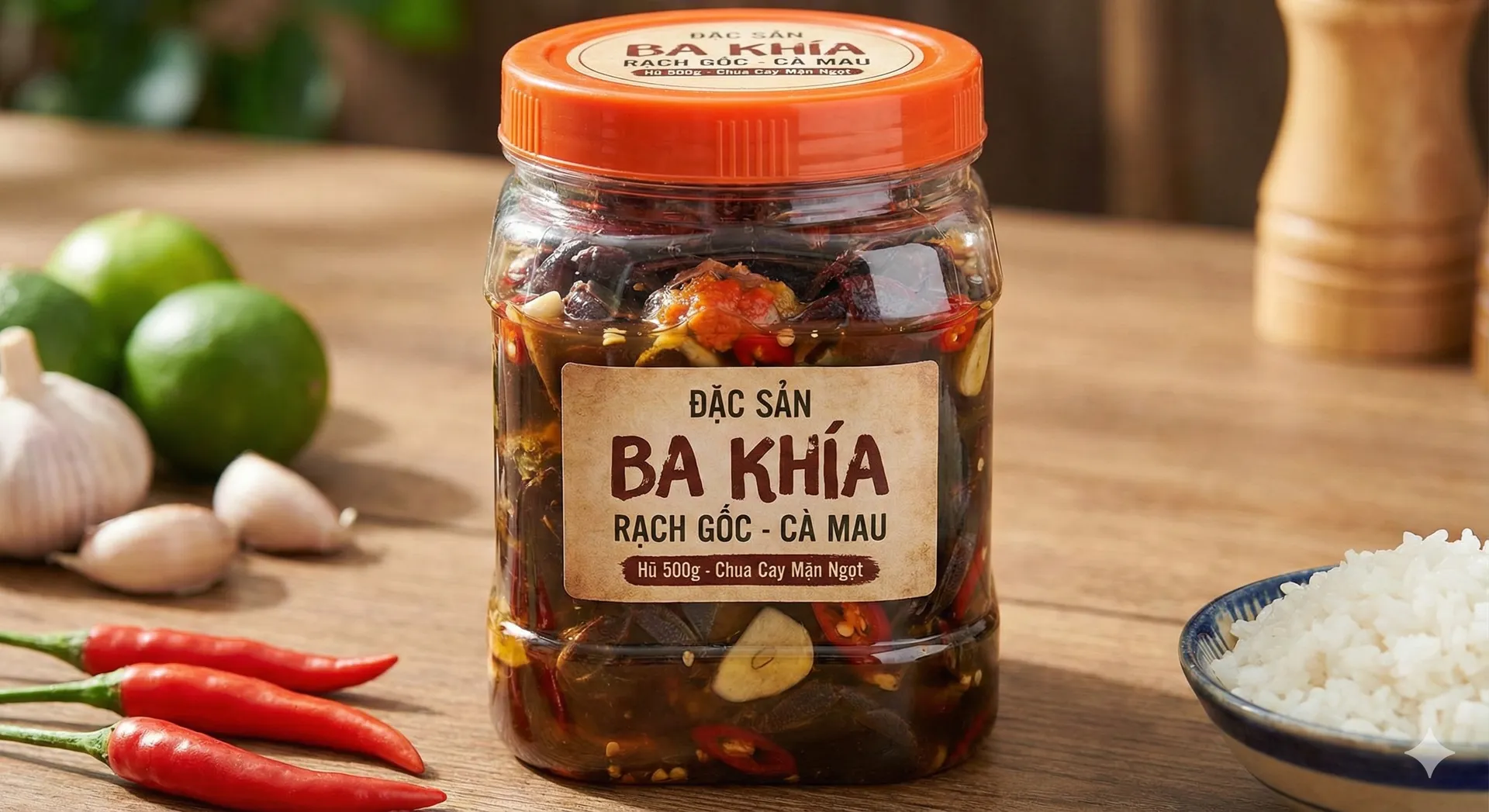
Heritage Ingredient
Fermented Mangrove Crab (Ba Khia)
Fermented Mangrove Crab (Ba Khia)
A traditional fermented crab specialty from the mangrove region of Rach Goc, often cited in articles about rustic Mekong Delta flavors and preserved seafood culture.
The salty-sour heartbeat of the wild south, where traditional fermentation turns forest crabs into a nostalgic explosion of rustic Mekong soul.
Regional Delicacies
The Delta is famous for its unique preserved and processed seafood. This heritage of transforming seafood into shelf-stable, flavorful products paved the way for innovations like seasoned baby crabs.
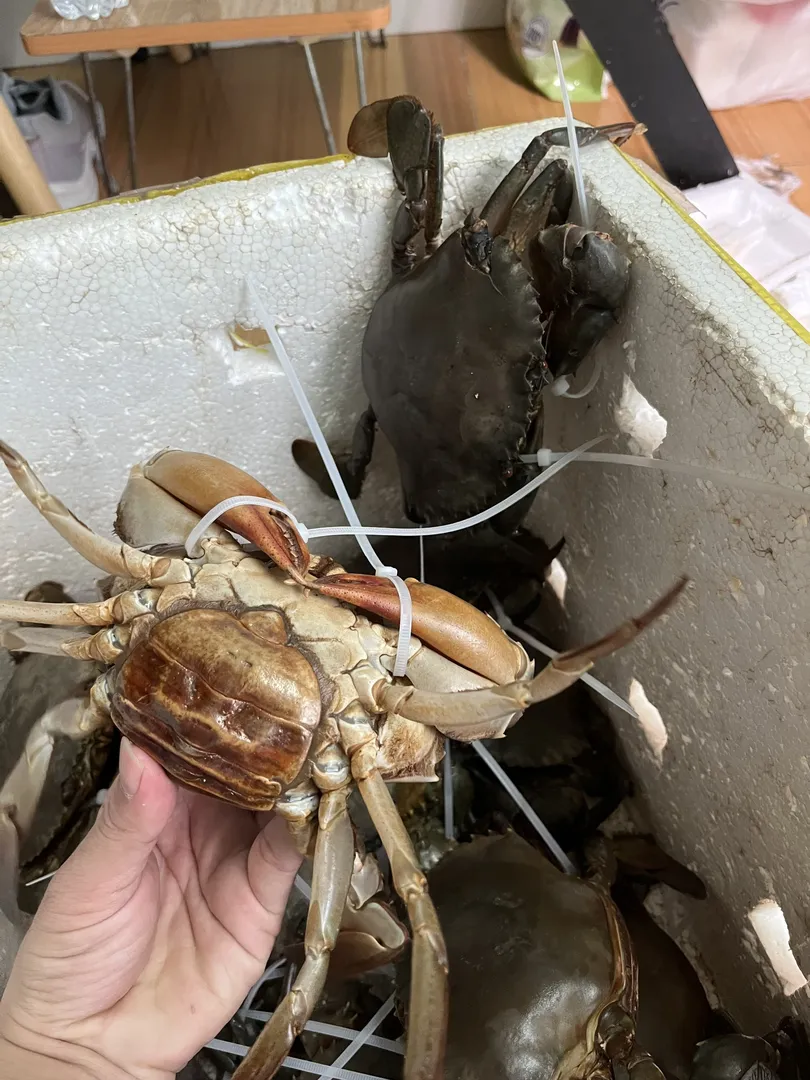
Heritage Ingredient
Young Roe Mud Crab (Virgin Crab)
Young Roe Mud Crab (Virgin Crab)
A young female mud crab identified before full spawning, offering a balance of sweet meat and light roe that sits between meat crab and roe crab styles.
A graceful balance of sweetness and creaminess, where tender meat meets a hint of light, buttery roe for a truly refined palate.
2 Crafting the Flavor: The Secret Spice Blend
Simply frying small crabs isn't enough for international markets. The magic happens in the seasoning and dehydration process. Processors in regions like Binh Thuan and Phu Yen (though the crab origin is often Mekong) are experimenting with spice blends that hit those universally appealing notes: salty, savory, slightly sweet, and often with a hint of chili.
Common flavor profiles include:
- Classic Salted: Pure, unadulterated oceanic brine.
- Spicy Chili Garlic: A fiery kick that awakens the palate.
- Five-Spice: A complex blend of star anise, cloves, cinnamon, Sichuan peppercorns, and fennel.
- Lemon Pepper: Zesty citrus notes with a peppery bite.
- Herbal Infusions: Sometimes incorporating local herbs for a distinct Vietnamese touch.
The goal is to create a snack that is irresistibly crunchy, intensely flavorful, and utterly addictive. The dehydration process is critical – it locks in the flavor, removes moisture to prevent spoilage, and creates that satisfying, brittle texture that defines a great snack crab.
3 Preserving the Crunch: The Art of Dehydration
This is where culinary science meets snack production. The seasoned crabs are subjected to controlled dehydration, either through industrial ovens or specialized drying machines. The temperature and duration are meticulously calibrated to achieve maximum crispness without burning the delicate crab shells. The result is a product that is shelf-stable for months, retaining its texture and flavor.
Packaging plays a starring role here. Modern, airtight pouches, often with nitrogen flushing to displace oxygen and further preserve freshness, are employed. Clear windows allow consumers to see the product, and vibrant branding aims to capture attention on crowded shelves. The emphasis is on a premium snack experience, elevating these humble sea creatures into a gourmet treat. This process is crucial for international export, where shelf-life and consumer appeal are paramount.
4 Amazon Awaits: Reaching International Palates
The target market is clear: international consumers seeking novel, exciting snack experiences. Platforms like Amazon are a key battleground. Here, Vietnamese exporters can bypass traditional distribution hurdles and connect directly with consumers in North America, Europe, and beyond. The appeal is multifaceted: it's a taste of exotic Southeast Asia, a protein-rich alternative to potato chips, and a conversation starter.
Success on these platforms hinges on several factors:
- High-Quality Product Photography: Appealing images are crucial for online sales.
- Compelling Product Descriptions: Telling the story of the Mekong origin, the unique flavor, and the healthy aspects (high protein, low carb) is vital.
- Competitive Pricing: While aiming for premium, pricing needs to be accessible for a snack item.
- Customer Reviews: Positive feedback builds trust and drives sales.
- Efficient Logistics: Ensuring timely and safe delivery to customers worldwide.
The business innovation lies in understanding what appeals to a global audience – the "novelty factor" combined with a familiar snack format. It's about packaging the unique culinary heritage of Vietnam into a convenient, craveable bite.
5 From Local Catch to Global Consumer: A Business Case Study
This trend represents a significant business innovation. It's a strategic pivot from exporting raw or minimally processed seafood to creating value-added, ready-to-consume products. For communities in the Mekong Delta and coastal regions, this offers a chance to move up the value chain, generating more income from their existing resources.
The adoption of modern food processing techniques, quality control measures, and international marketing strategies is key. Companies are investing in R&D to perfect flavor profiles and improve shelf-life. This isn't just about selling crabs; it's about building a recognizable Vietnamese snack brand on the global stage. The #MarketUpdates and #GlobalReach hashtags are more than just social media trends; they represent a tangible shift in how Vietnamese agricultural and seafood products are being perceived and consumed worldwide.
6 Authenticity with a Crunch: Capturing the Delta's Essence
What truly sets these seasoned baby crabs apart is their connection to the Mekong Delta. While the processing might happen elsewhere, the spirit of resourcefulness, the appreciation for the sea's bounty, and the inherent ability to transform simple ingredients into something extraordinary are deeply rooted in the region's food culture.
Each crispy bite offers a whisper of the brackish waters, the salty air, and the simple, satisfying flavors that have sustained delta communities for centuries. It's a modern interpretation of a traditional way of eating, one that respects the ingredient while making it accessible and appealing to a global audience. This focus on authenticity, combined with innovation, is what makes this export a true goldmine.
7 Navigating the Tide: Challenges and What's Next
Despite the promise, challenges remain. Ensuring consistent sourcing of small crabs, maintaining stringent quality control for export, navigating complex international food safety regulations, and competing with established snack brands are significant hurdles. Sustainable sourcing practices are also becoming increasingly important, ensuring that the harvest doesn't deplete local ecosystems.
However, the outlook is bright. As consumers become more adventurous and seek out unique food experiences, products like seasoned baby crabs are poised for growth. Further innovation in flavor profiles, perhaps incorporating more traditional Vietnamese spices or regional variations, could unlock even larger markets. The story of these tiny crabs is far from over; it's a testament to the enduring appeal of authentic, well-crafted flavors from the heart of the Mekong Delta.
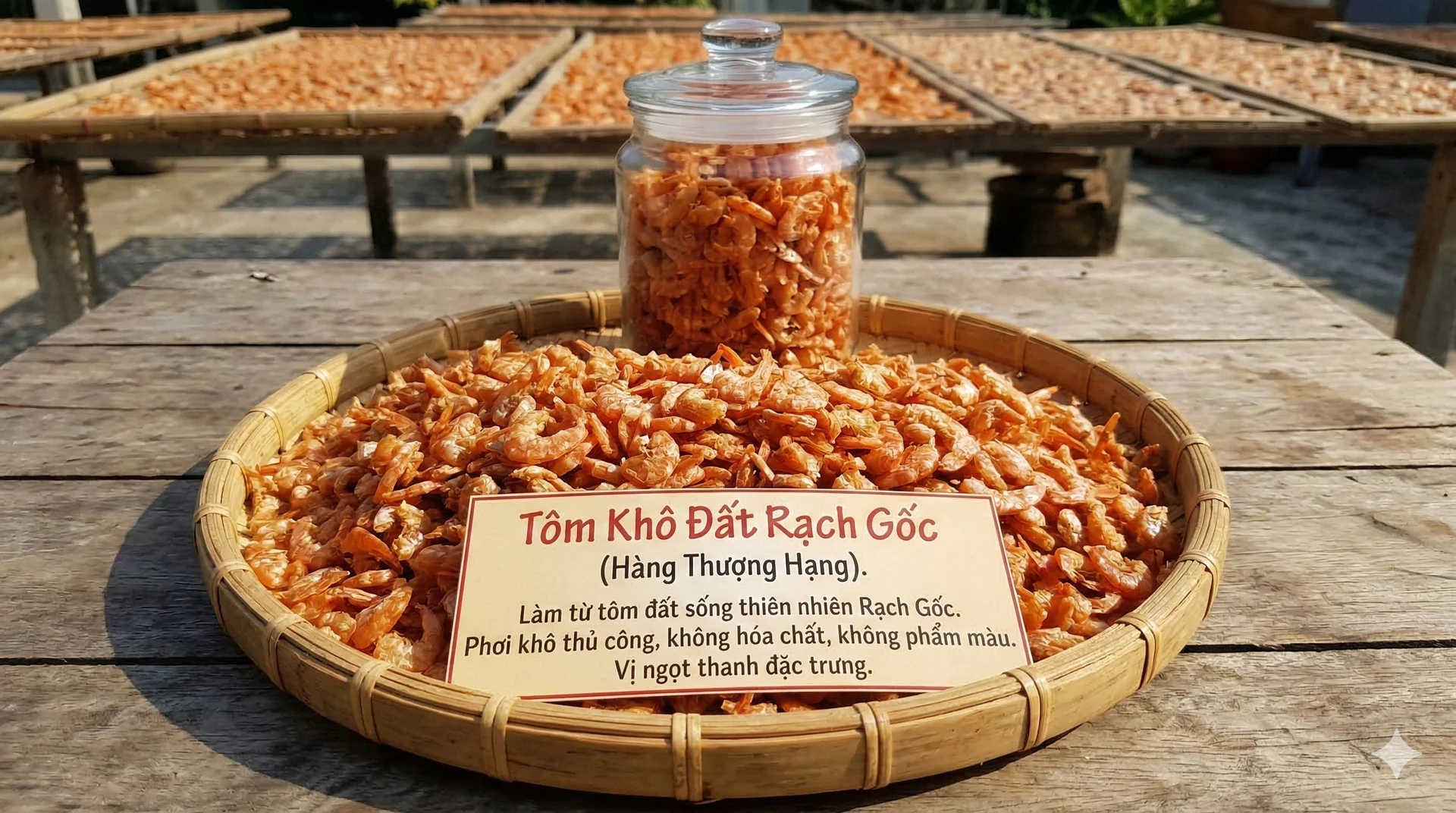
Heritage Ingredient
Sun-Dried Wild Shrimp from Rach Goc
Sun-Dried Wild Shrimp from Rach Goc
Traditional dried shrimp made from small wild shrimp, valued for natural sweetness and commonly used in Vietnamese salads, soups, and festive dishes.
Concentrated sunlight and sea salt in every bite, these crimson gems offer a deep, umami sweetness that whispers tales of Rach Goc's golden shores.
Illustrative: Similar processing techniques are used for various seafood snacks.
8 Beyond the Bag: Culinary Potential
While primarily marketed as a standalone snack, the culinary potential of dehydrated seasoned baby crabs shouldn't be overlooked. Imagine them crushed and used as a potent umami bomb in stir-fries, sprinkled over salads for a salty crunch, or even rehydrated and incorporated into savory fillings. They represent a concentrated burst of seafood flavor that can elevate many dishes. This versatility adds another layer to their appeal, moving them beyond mere novelty into a genuine gourmet ingredient for the adventurous chef.