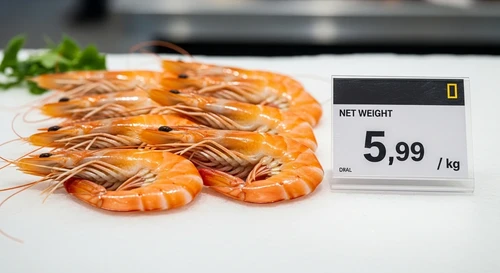
" The Mekong Delta. A paradise of emerald waterways, lush orchards, and, of course, some of the freshest seafood on the planet. But like any place that draws visitors, sometimes the charm can be exploited. And nowhere is this more evident than at the market, when you're trying to get your hands on some truly magnificent mud crab. "
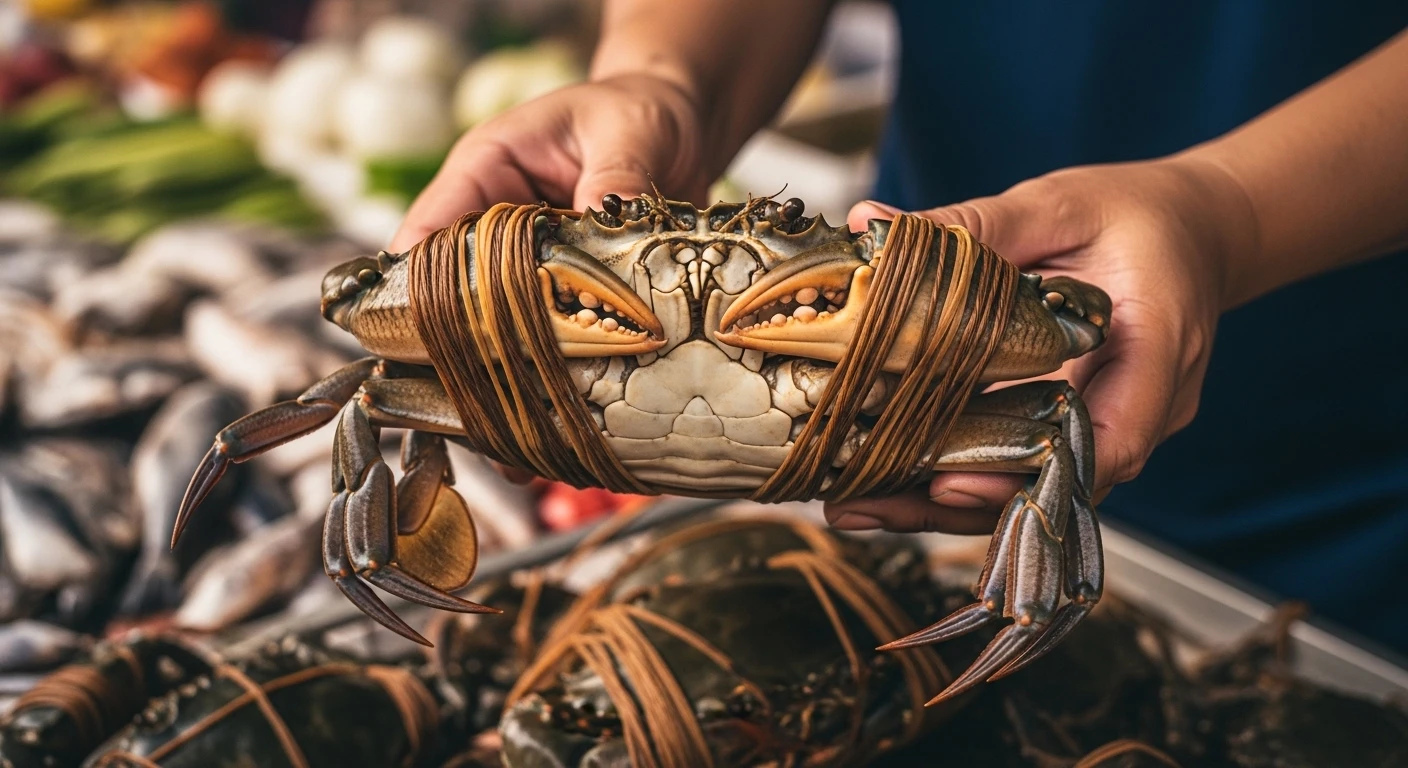
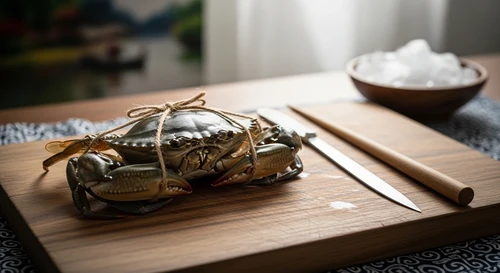
📸 The deceptive embrace: Massive rubber bands making a small crab look substantial.
1 The Jewel of the Delta: Ca Mau Mud Crab
When we talk about crab in Vietnam, especially in the South, the conversation inevitably leads to Ca Mau. This province, jutting into the Gulf of Thailand, is a labyrinth of mangrove forests and coastal plains, a perfect ecosystem for the prized Ca Mau Mud Crab. These aren't your average crustaceans; they are known for their dense, sweet meat and rich, sometimes vibrant orange roe. They are the undisputed royalty of Vietnamese seafood.
Meaty Claws, Sweet Flavor
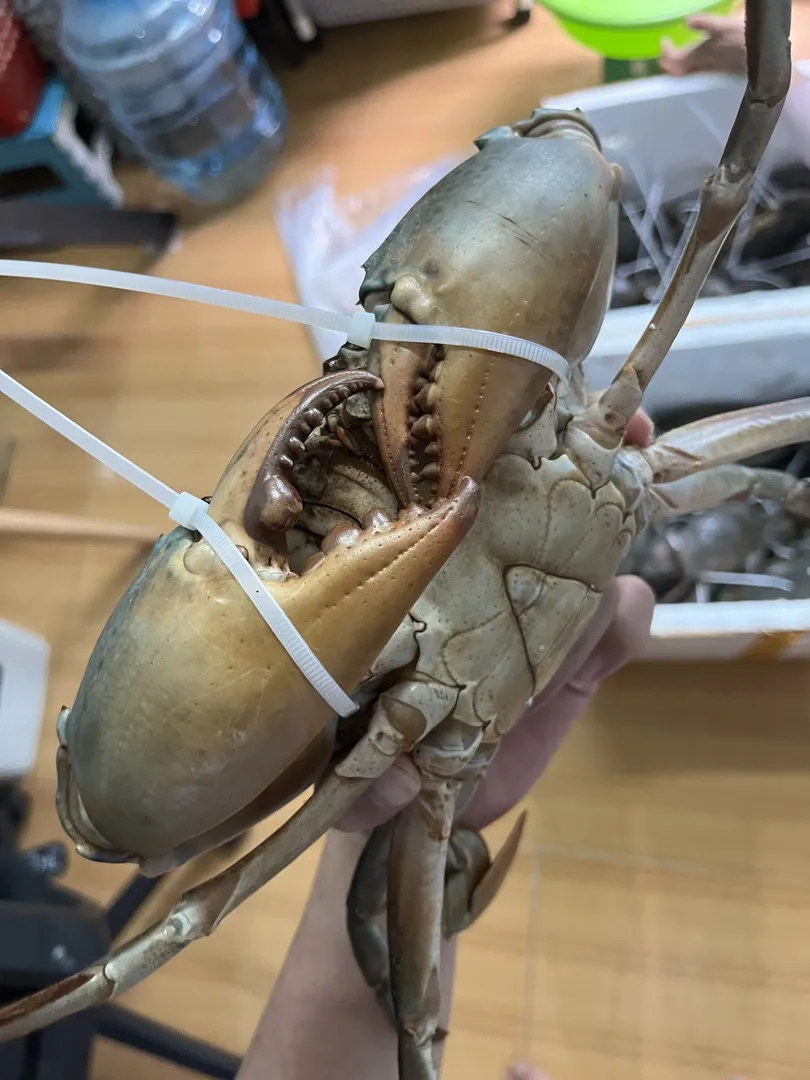
This refers to the larger male crabs, prized for their substantial claws and firm, sweet flesh, perfect for steaming or grilling.
Heritage Ingredient
Ca Mau Jumbo Mud Crab
Ca Mau Jumbo Mud Crab
A large male mud crab prized for dense, sweet meat and thick claws, commonly used in steamed crab and grilled crab dishes across the Mekong Delta.
An icon of coastal culinary heritage, featuring firm, sweet meat that captures the raw power and freshness of Ca Mau's tides.
Rich Roe, Classic Luxury
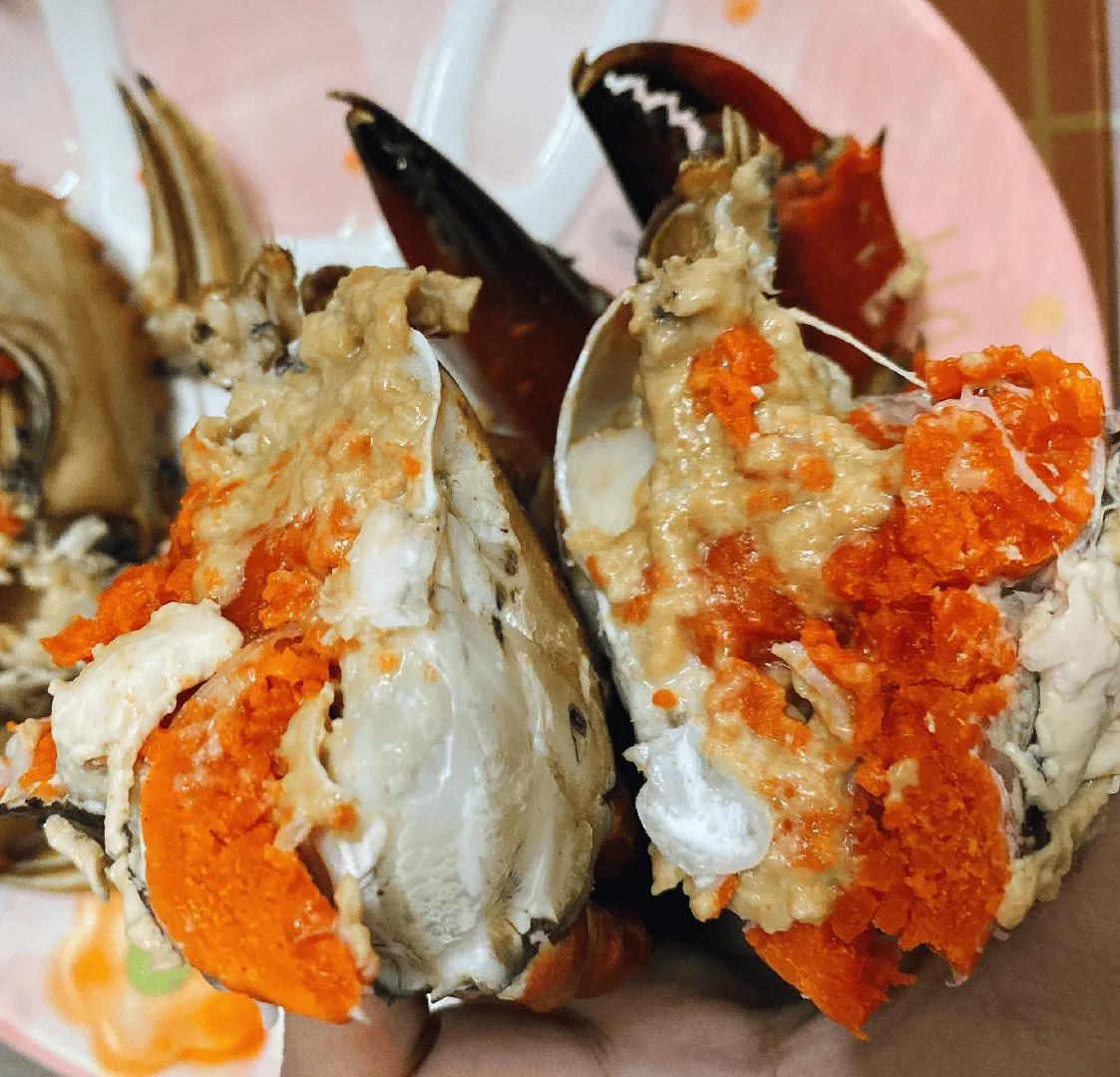
The female crabs, often smaller, are renowned for their deep orange roe, a delicacy that adds a creamy, intensely flavorful dimension to Southern Vietnamese cuisine.
Heritage Ingredient
Ca Mau Roe Mud Crab
Ca Mau Roe Mud Crab
A female mud crab known for deep orange roe and a rich, creamy finish, often featured in celebratory Southern Vietnamese seafood meals.
A crimson treasure hidden within a shell, boasting rich, creamy roe that melts on your tongue like a golden sunset over the delta.
Freshly caught, these crabs are a taste of the wild, untamed Mekong. But what happens when they reach the tourist markets, often far from the source? Sometimes, the intention shifts from showcasing quality to maximizing profit, regardless of honesty.
2 Market Truths: From Floating Stalls to Riverside Hubs
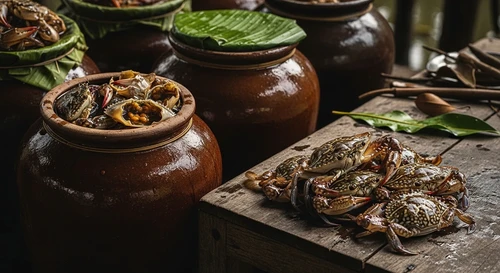
The Mekong Delta pulses with life, much of it centered around its waterways. Floating markets, riverside towns, and bustling docks are not just transport hubs; they are vibrant epicenters of commerce and culinary exploration. Tourists flock to these areas seeking authentic experiences, fresh produce, and, of course, delicious seafood.
Imagine this:
You're at a popular spot, perhaps near a scenic canal or a famous floating market. You see large, impressive-looking crabs. The vendor, with a friendly smile, points to a heap of them, promises "1kg of the best crab!" and scoops them onto the scale. The price seems reasonable, maybe even a bargain. You pay, you receive your crabs, and you anticipate a feast. Back at your accommodation, when you crack them open, the reality hits: the meat is sparse, the claws are mostly shell, and the weight you paid for feels like a phantom.
This isn't just bad luck; it's often a deliberate deception, and the rubber band is the silent accomplice.
3 The Rubber Band Conspiracy
The trick is deceptively simple, yet incredibly effective for the unscrupulous vendor. It preys on the tourist's trust and limited knowledge of local practices. Here's how it works:
The Illusion of Weight
Vendors select small, sometimes even juvenile, crabs. They then wrap them with an excessive amount of thick, heavy-duty rubber bands around the legs, claws, and even the carapace.
The Scale's Deception
When the crabs are placed on the weighing scale, these rubber bands add significant, artificial weight. A crab that weighs, say, 400g of actual crab meat might end up registering as 1kg or more.
The Result: Less Meat, More Money
You pay for 1kg, but you only receive maybe 300-400g of actual crab. The rest is padding. The profit margin for the scammer is enormous, and the tourist is left with a disappointing meal and a lighter wallet.
4 Become a Savvy Seafood Shopper
Your Anti-Scam Arsenal:
Look for the Bands
- Observe Closely: Before the crab is placed on the scale, look at how it's banded. Are the rubber bands excessively thick and numerous? Do they seem to be holding the legs unnaturally taut or bulky?
- The "Chunky" Illusion: A truly large, meaty crab will have substantial claws and legs naturally. If the bulk seems artificial, or if the vendor is quick to wrap them, be suspicious.
Trust Your Instincts (and Your Hands)
- Feel the Weight: If possible, pick up a banded crab and a similar-looking unbanded crab (if available). The difference in weight should be noticeable. The banded one will feel unnaturally heavy for its size.
- Ask for Removal: Politely ask the vendor to remove the bands before weighing. A vendor with honest intentions will comply. A scammer will likely become evasive, try to rush you, or refuse.
The True Crab Experience
The best crab comes from trusted local sources, often direct from fishermen or reputable markets away from the most heavily touristed spots. Look for crabs that are active and feel substantial on their own, without artificial enhancements.
5 The Real Deal: What 1kg of Crab Meat Actually Looks Like
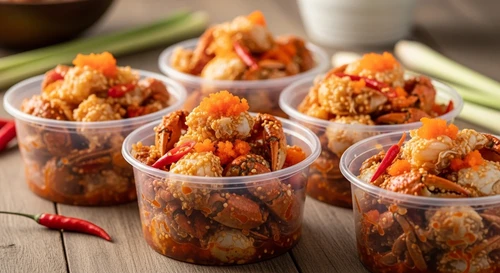
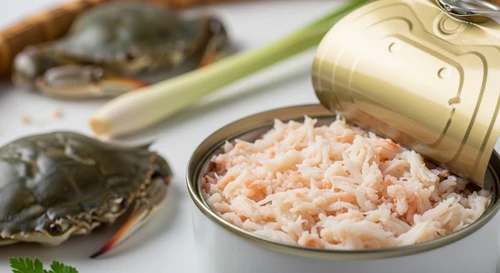
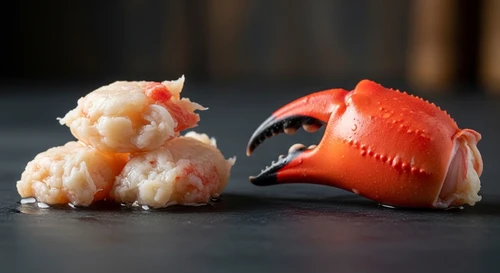
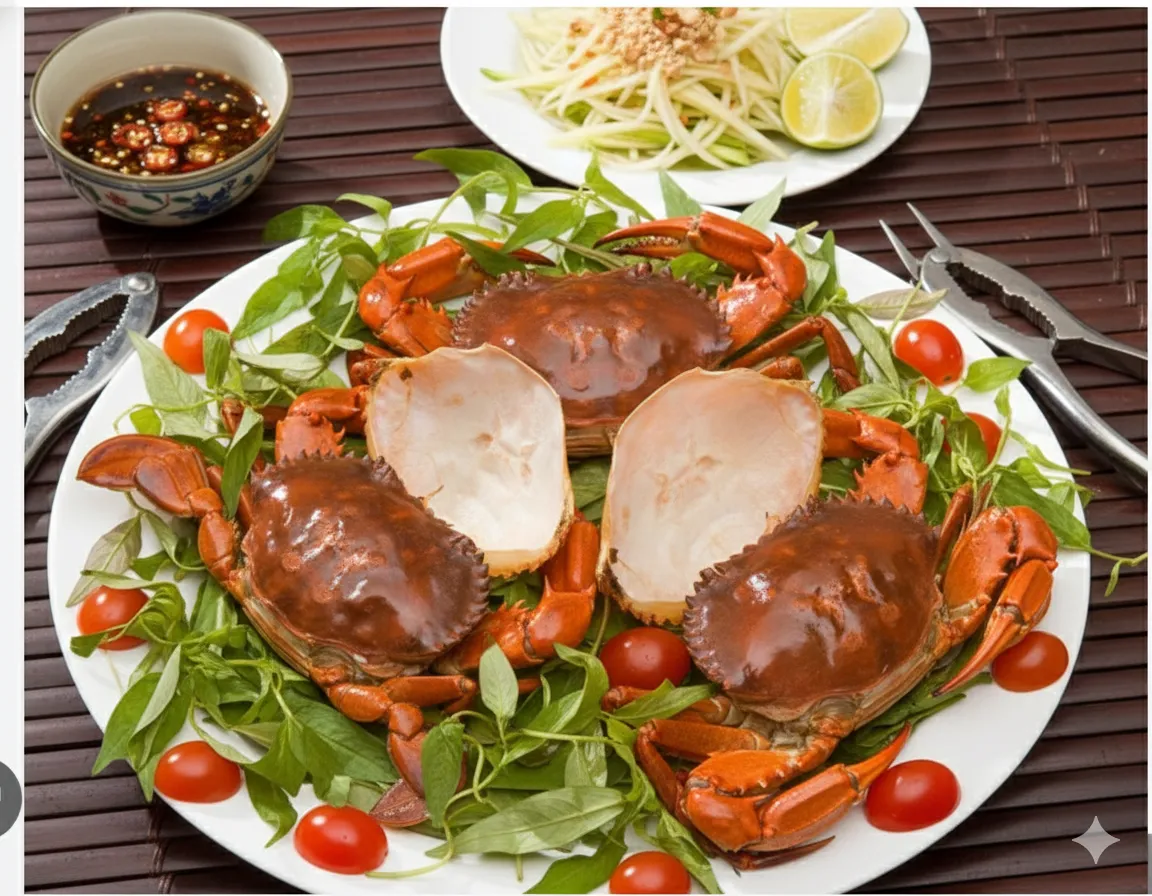
When you buy 1kg of *actual* crab meat (after shell and bands are removed), you are buying pure, unadulterated deliciousness. The process of extracting crab meat, especially from large mud crabs, is labor-intensive. A 1kg purchase might yield anywhere from 300g to 500g of meat, depending on the crab's sex, size, and whether it's carrying roe.
Consider a Ca Mau Jumbo Mud Crab. A single, large male crab might weigh around 700g to over 1kg. After cooking, the shell and internal organs are removed, leaving behind the substantial leg meat and body meat. This is what 1kg of pure crab meat looks and feels like.
Heritage Ingredient
Soft-Shell Butter Crab (Molting Crab)
Soft-Shell Butter Crab (Molting Crab)
A rare molting mud crab from Ca Mau, valued for its edible soft inner shell and exceptionally creamy roe, making it the closest local equivalent to soft-shell crab concepts familiar abroad.
Nature's rare masterpiece—a delicate transition where a soft inner layer protects golden, custard-like roe in a fleeting moment of flavor.
The image of pure crab meat should be one of richness and quality. If your "1kg" purchase leaves you with barely a handful of meat, you've likely been a victim of the rubber band scam.
6 Your Rights as a Traveler
Traveling is about experiencing the best a culture has to offer. While most vendors are honest and hardworking, it's crucial to be aware of potential scams. Knowing how to protect yourself empowers you to enjoy your trip fully and ensures you're supporting legitimate businesses.
Empowerment Through Knowledge:
- Do Your Research: Read travel blogs, forums, and guides (like this one!) to understand common tourist traps.
- Observe and Ask: Don't be afraid to ask questions about weights, prices, and preparation. Watch how locals shop.
- Polite but Firm: If you suspect a scam, calmly state your concern and be prepared to walk away. Your custom is valuable, but your trust is paramount.
- Report if Necessary: For egregious offenses, consider reporting to local tourism authorities or your accommodation provider.
7 The True Taste of the Delta
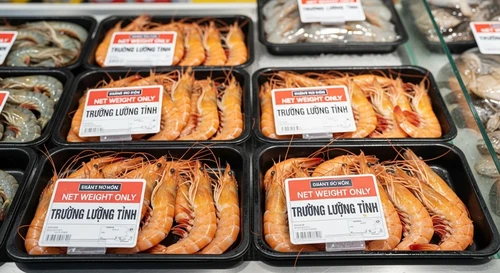
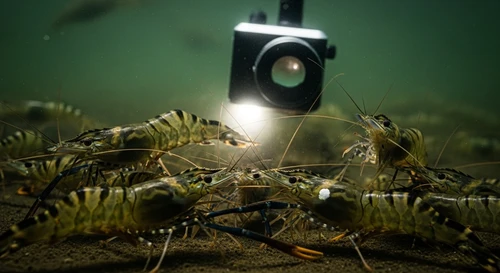
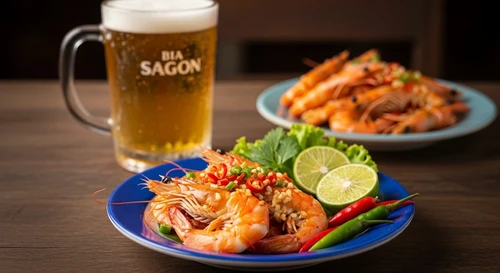
Don't let the fear of a scam prevent you from experiencing the incredible seafood the Mekong Delta has to offer. When you find an honest vendor, the rewards are immense. Imagine feasting on succulent mud crab, grilled to perfection, or savoring delicate shrimp harvested from the intricate canal systems. The flavors of the Mekong are rich, diverse, and deeply tied to the land and water.
Seek out local restaurants, ask your hotel for recommendations, or visit markets known for their quality rather than just tourist foot traffic. The true culinary heart of the Mekong Delta is there, waiting to be discovered.
8 A Final Word for the Traveler
The rubber band scam is a disheartening reality in some tourist areas of Vietnam, particularly when it comes to prized seafood like Ca Mau mud crab. It's a simple trick that exploits trust, but with a little awareness and vigilance, you can sidestep it entirely.
Always observe, ask questions, and trust your instincts. The true joy of the Mekong Delta lies in its genuine flavors and the warmth of its people. Don't let a few bad apples spoil your appetite. By being an informed traveler, you can ensure your seafood experiences are as authentic and delicious as they should be.