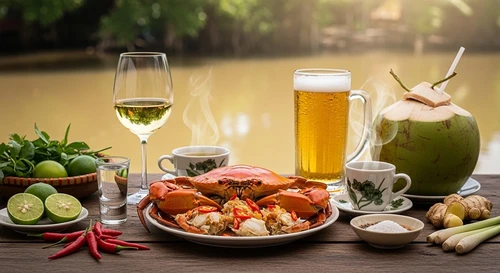
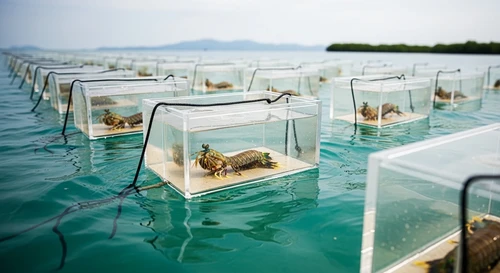
" In the humid, relentless rhythm of Vietnam's economic engine, a new entrepreneurial wave is cresting, fueled not by venture capital, but by the humble, briny allure of salted crab. Forget the spreadsheets and corporate jargon; these are the side-hustle soldiers of the Mekong. "

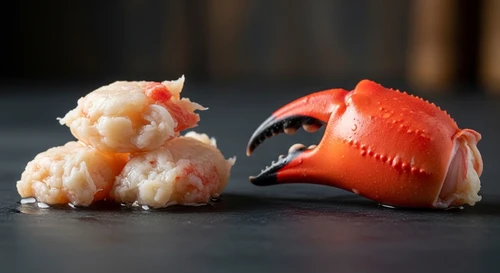
📸 Convenience is King: Pre-portioned crab mixes, ready to elevate any meal.
1 The Mekong's Hidden Gold: Crab Culture
The Mekong Delta, a labyrinth of waterways and lush plains, is Vietnam's food basket. And within its brackish waters and mangrove forests, a particular treasure thrives: crab. For generations, this has been more than just food; it's a livelihood, a staple, and a symbol of regional identity. Families have honed their techniques for preparing crab, passing down recipes that respect the creature's natural sweetness and the terroir it calls home.
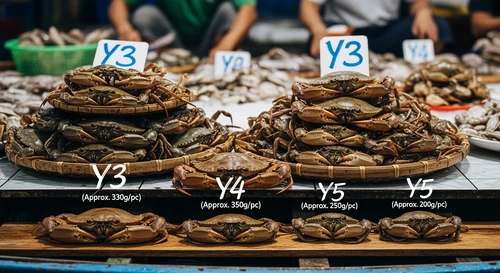
The region, particularly areas like Ca Mau, is renowned for its high-quality mud crabs. These aren't just any crabs; they are often prize specimens, with dense, sweet meat and rich roe, depending on the type. From the jumbo meat crabs prized for their substantial claws to the female crabs laden with vibrant orange roe, the variety is staggering. This rich natural heritage forms the bedrock of what these new entrepreneurs are building upon.
Ca Mau's Finest
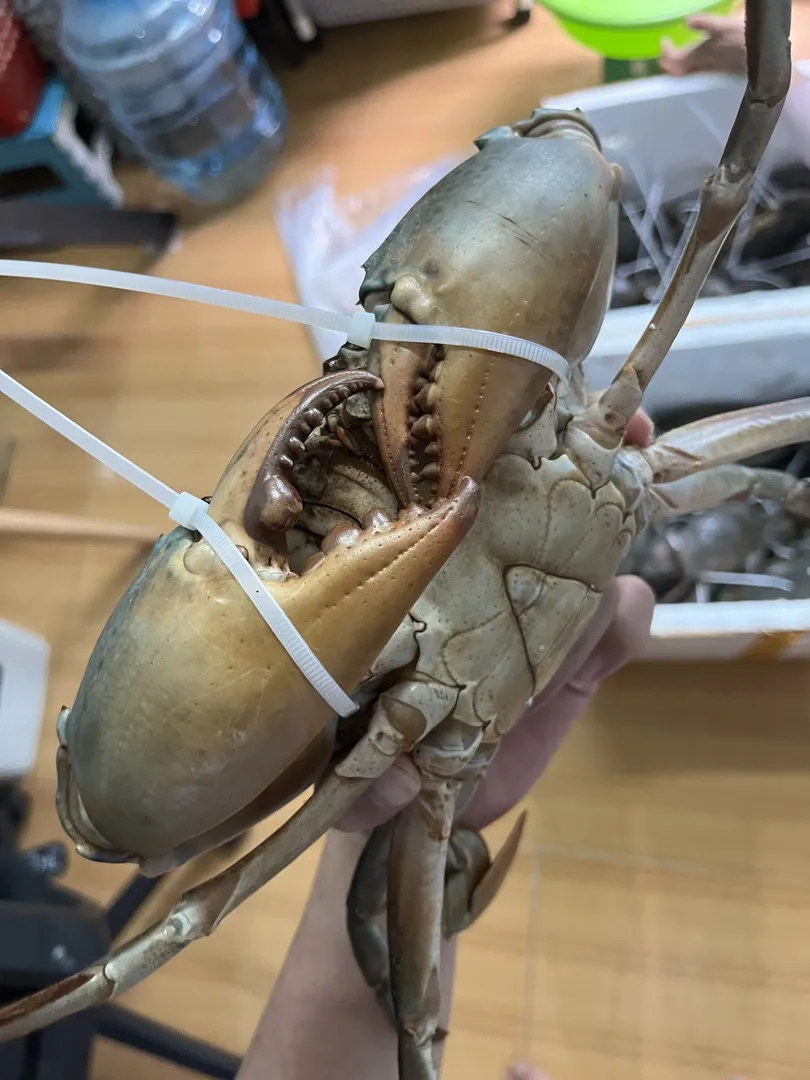
The region's reputation is built on crabs like the Jumbo Mud Crab, known for its substantial claws and sweet, firm flesh, perfect for classic Vietnamese preparations.
Heritage Ingredient
Ca Mau Jumbo Mud Crab
Ca Mau Jumbo Mud Crab
A large male mud crab prized for dense, sweet meat and thick claws, commonly used in steamed crab and grilled crab dishes across the Mekong Delta.
An icon of coastal culinary heritage, featuring firm, sweet meat that captures the raw power and freshness of Ca Mau's tides.
The Prized Roe
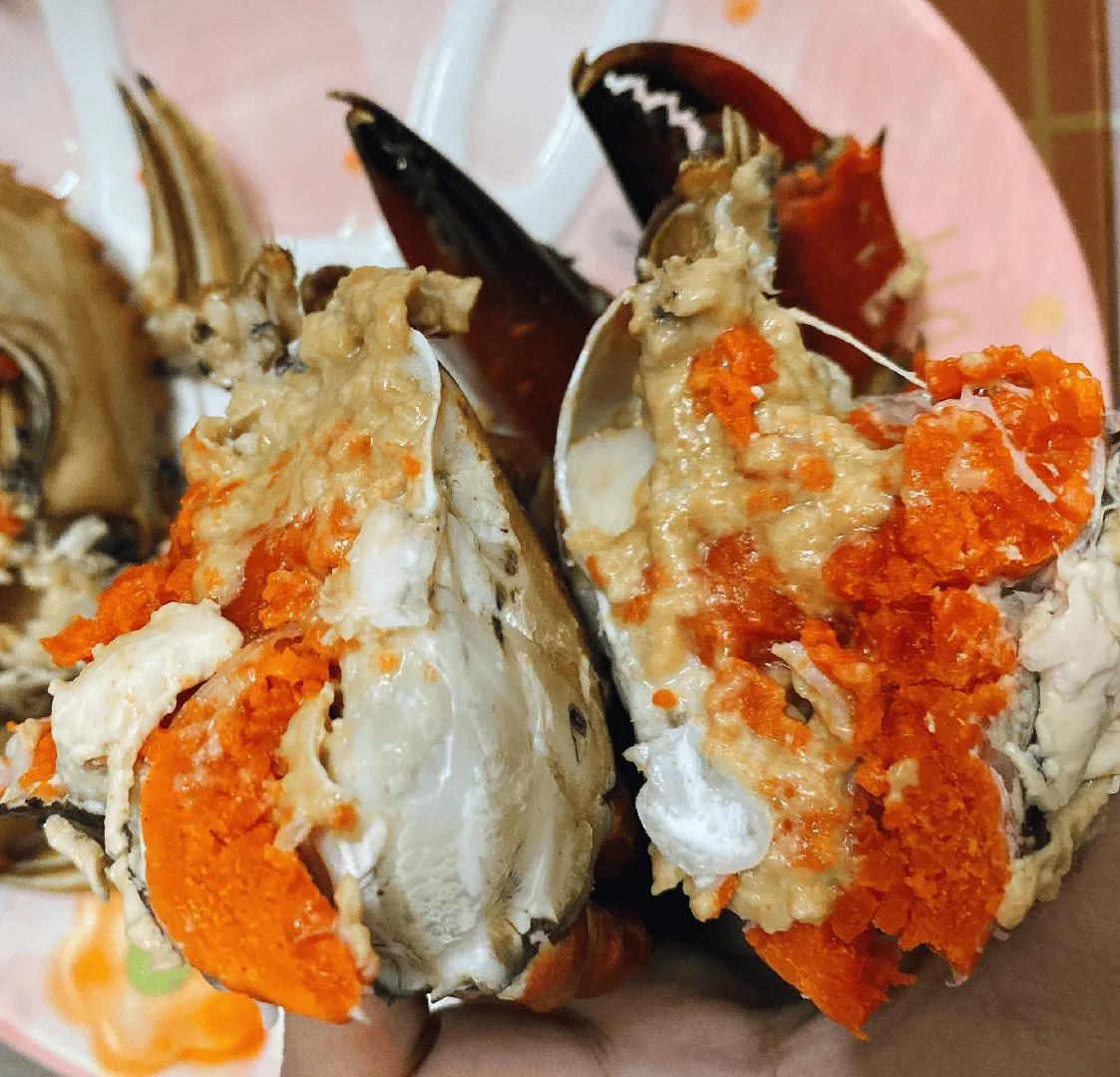
Female crabs, especially the famed Ca Mau Roe Mud Crab, are highly sought after for their rich, creamy roe, a delicacy in Southern Vietnamese cuisine.
Heritage Ingredient
Ca Mau Roe Mud Crab
Ca Mau Roe Mud Crab
A female mud crab known for deep orange roe and a rich, creamy finish, often featured in celebratory Southern Vietnamese seafood meals.
A crimson treasure hidden within a shell, boasting rich, creamy roe that melts on your tongue like a golden sunset over the delta.
2 The Kitchen Alchemy
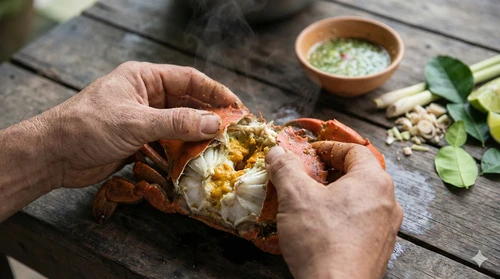
The magic often starts in a small, home kitchen. The recipe? Salted crab. But this isn't just any salted crab. It's a carefully calibrated blend of fresh crab, often a specific cut or type, marinated or mixed with a proprietary blend of seasonings. Think garlic, chili, lemongrass, a touch of sugar, maybe some secret spices passed down through families.
The innovation lies in convenience. Instead of customers having to buy live crabs, clean them, and mix their own marinades, these entrepreneurs pre-package the crab meat or whole small crabs with the pre-mixed seasoning. It’s a ready-to-cook (or ready-to-eat, in some variations) product that appeals to the modern consumer’s desire for speed and simplicity, without sacrificing authentic flavor. Imagine bringing home a tub of perfectly seasoned crab, ready to be steamed, stir-fried, or enjoyed as is.
Core Components
- Fresh Crab: Locally sourced, prioritizing quality and freshness.
- Aromatic Blend: Garlic, chili, lemongrass, and often secret spice mixes.
- Savory Base: Fish sauce or soy sauce to provide umami depth.
- Balancing Act: A touch of sugar to round out the flavors.
The Innovation
- Pre-Portioned: Convenient packaging for easy use.
- Pre-Mixed: No need for customer to prep individual ingredients.
- Ready-to-Cook: Streamlines meal preparation dramatically.
- Shelf-Stable (sometimes): Some entrepreneurs develop recipes with longer shelf lives.
3 The Hustle is Real
What’s remarkable is the demographic behind this burgeoning industry. Many of these entrepreneurs are young professionals, often working demanding 9-to-5 office jobs. The pandemic, with its shifts in work dynamics and increased focus on home life, provided the impetus for many to explore alternative income streams. The profitability of well-executed, in-demand food products became apparent.
They leverage their existing skills – marketing, logistics, customer service – honed in their corporate roles, and apply them to their passion projects. Evenings and weekends are dedicated to sourcing ingredients, preparing batches, packaging, and managing online orders. What starts as a small experiment, perhaps selling to friends and colleagues, quickly escalates as word-of-mouth and effective social media marketing take hold.
The Idea Germinates
Inspired by family recipes or market discoveries, the initial concept for a convenient crab product takes shape.
Kitchen Testing & Refinement
Countless hours are spent perfecting the seasoning blend, testing packaging, and ensuring consistent quality.
The Online Launchpad
Leveraging platforms like Facebook, Zalo, and Shopee to reach a wide audience. High-quality photos and engaging descriptions are key.
Scaling Operations
As demand grows, they optimize sourcing, production, and delivery, often coordinating with local fishermen and logistic partners.
Dollars from Deliciousness 💰
The numbers are impressive. Many of these side-hustlers report earning thousands of dollars a month, sometimes surpassing their primary salaries. This isn't just about supplemental income; for some, it's becoming a viable primary business.
Profit Margins
Careful sourcing and efficient production lead to healthy profit margins, especially with high demand.
Volume & Consistency
Achieving consistent quality and scaling production to meet growing orders is key.
Online Reach
Social media and e-commerce platforms democratize market access, connecting producers directly with consumers.
One entrepreneur, working in IT, found her pre-mixed crab selling out within hours of posting on Facebook, prompting her to consider leaving her corporate job within a year.
Beyond the Recipe Book
While the business model is proving fruitful, it's not without its hurdles. Sourcing consistent, high-quality crabs is paramount. Maintaining freshness, especially without heavy preservatives, requires efficient logistics and reliable cold chains. Competition is also heating up, with more individuals entering the market.
Furthermore, scaling a home-based operation requires navigating regulations, managing inventory effectively, and maintaining the personal touch that customers have come to expect. These entrepreneurs are not just cooks; they are supply chain managers, marketers, and customer service reps, all rolled into one.
A Taste of What's Next
This trend signifies a broader shift in Vietnam's entrepreneurial landscape. It highlights the power of leveraging traditional food culture with modern business practices and digital platforms. The success of these salted crab ventures is not just about profit; it's about validating home-cooked recipes, empowering individuals, and bringing the authentic flavors of the Mekong Delta to a wider audience, conveniently packaged for the modern world.
As more people seek authentic culinary experiences and convenient meal solutions, the market for well-executed, pre-packaged traditional foods is poised for continued growth. The humble crab, a symbol of the Mekong's rich aquatic resources, has become a symbol of this new, dynamic wave of Vietnamese entrepreneurship.
7 More Than Just Salt and Spice
The precise seasoning blend is often the unique selling proposition (USP) for these entrepreneurs. While the base ingredients – crab, garlic, chili, lemongrass – are common, the proportions and additions are where the magic happens.
For instance, some might focus on a 'sweet and savory' profile, balancing the saltiness of fish sauce with a touch of palm sugar. Others aim for a 'spicy kick,' incorporating bird's eye chilies or a specific chili paste. The inclusion of ingredients like finely minced kaffir lime leaves can add an aromatic citrus note, while a hint of fermented shrimp paste (mắm ruốc) can provide an intense umami depth, reminiscent of classic Southern Vietnamese cooking.
This meticulous attention to flavor profile is what transforms a simple seafood item into a sought-after product. It’s about recreating the comforting, complex tastes of home-style cooking in a format that fits busy modern lifestyles. It’s a direct link to the culinary heritage of the Mekong, presented in a convenient, ready-to-enjoy package.
8 The Leap of Faith
The transition from a side hustle to a full-time venture is a path many of these entrepreneurs are contemplating or have already taken. The success they've found with pre-mixed salted crab isn't just about financial gain; it's about autonomy, passion, and the validation of bringing a beloved local dish to a broader market.
This movement also reflects a growing confidence in Vietnam's small and medium-sized enterprises (SMEs). With strong government support for entrepreneurship and an increasingly digitally connected population, the barriers to entry for food-based businesses are lower than ever. These crab entrepreneurs are pioneers, demonstrating that with ingenuity, hard work, and a deep understanding of local tastes, significant success can be achieved, one delicious tub of crab at a time.
Craving More Mekong Flavors?
Discover other entrepreneurial ventures transforming traditional Vietnamese ingredients into modern delights.
🎣 Dive into Fermented Fish Sauce!