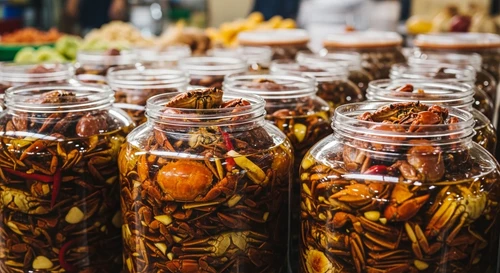
" The ocean gives, and the ocean takes away. But sometimes, what the ocean gives becomes too much for the market to bear. This is one of those times. "
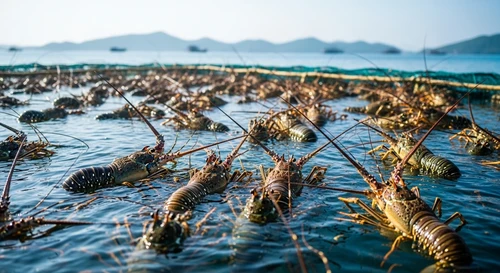
📸 A defining image of Cam Ranh's marine bounty.
1 The Cam Ranh Effect: A Coastal Story
Cam Ranh Bay, a strategic deep-water harbor on Vietnam's central coast, is more than just a naval base; it's a thriving ecosystem for aquaculture. For decades, local communities have honed the art of cage-farming ornate rock lobsters and the distinct green lobsters, prized for their rich, sweet meat. These crustaceans are not just seafood; they are the lifeblood of coastal villages, fueling economies and sustaining livelihoods.
Traditionally, the demand for these premium lobsters has been driven by a robust international tourism market and discerning export buyers. High-end restaurants in Hanoi, Ho Chi Minh City, and beyond, as well as global markets, have long set the benchmark prices. However, the global landscape has shifted dramatically. The prolonged slump in international travel and a general contraction in luxury spending have sent ripples through every tier of the seafood industry.
For the fishermen and farmers of Cam Ranh, this isn't just a market fluctuation; it's an economic reckoning. Their intensive labor, investment in feed and equipment, and the inherent risks of aquaculture are now met with a profoundly altered buyer's market. The luxury they harvest is now more accessible than it has been in years, creating an unusual, almost unprecedented, situation.
2 The Cause of the Crash: Tourism's Vanishing Act
The primary driver behind this price drop is the dramatic decline in international tourism. Vietnamese coastal cities, particularly those renowned for their seafood, heavily rely on foreign visitors. When flights are grounded, hotels are empty, and restaurants face reduced foot traffic, the demand for high-value items like lobster evaporates.
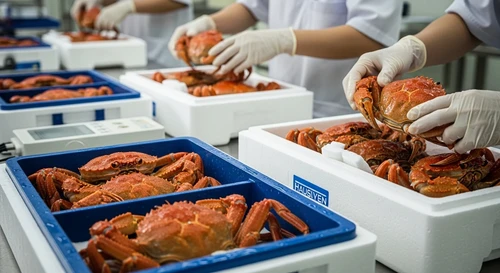
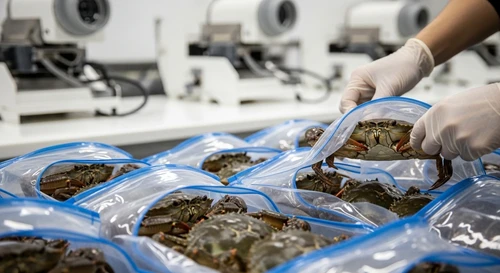
Consider the typical export flow: lobsters are caught, meticulously graded, packed with expert precision, and shipped to markets where they command top dollar. This supply chain is finely tuned to meet specific international demand. When that demand vanishes, supply begins to outstrip what the domestic market can absorb, especially at the premium prices these lobsters usually fetch.
This isn't to say Vietnamese locals don't consume lobster; they do. However, the sheer volume required to sustain the cage-farming operations in Cam Ranh relies heavily on the international appetite for luxury seafood. Without the foreign buyer, the local market, while appreciative, simply cannot absorb the entire harvest at previous price points. This imbalance is the core of the current situation.
3 Ornate Rock vs. Green Lobster: Know Your Catch
Cam Ranh is famous for two primary types of cage-farmed lobster:
Ornate Rock Lobster (Panulirus ornatus)
These are the showstoppers. Recognizable by their vibrant colors, distinctive markings (hence "ornate"), and large size, they are highly sought after for their dense, sweet meat. They are often considered the ultimate luxury seafood.
Heritage Ingredient
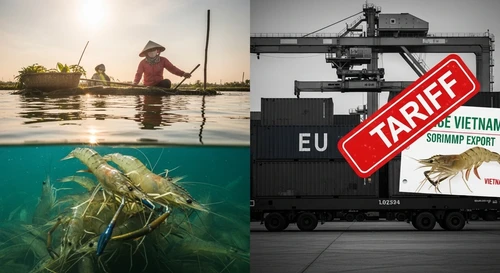
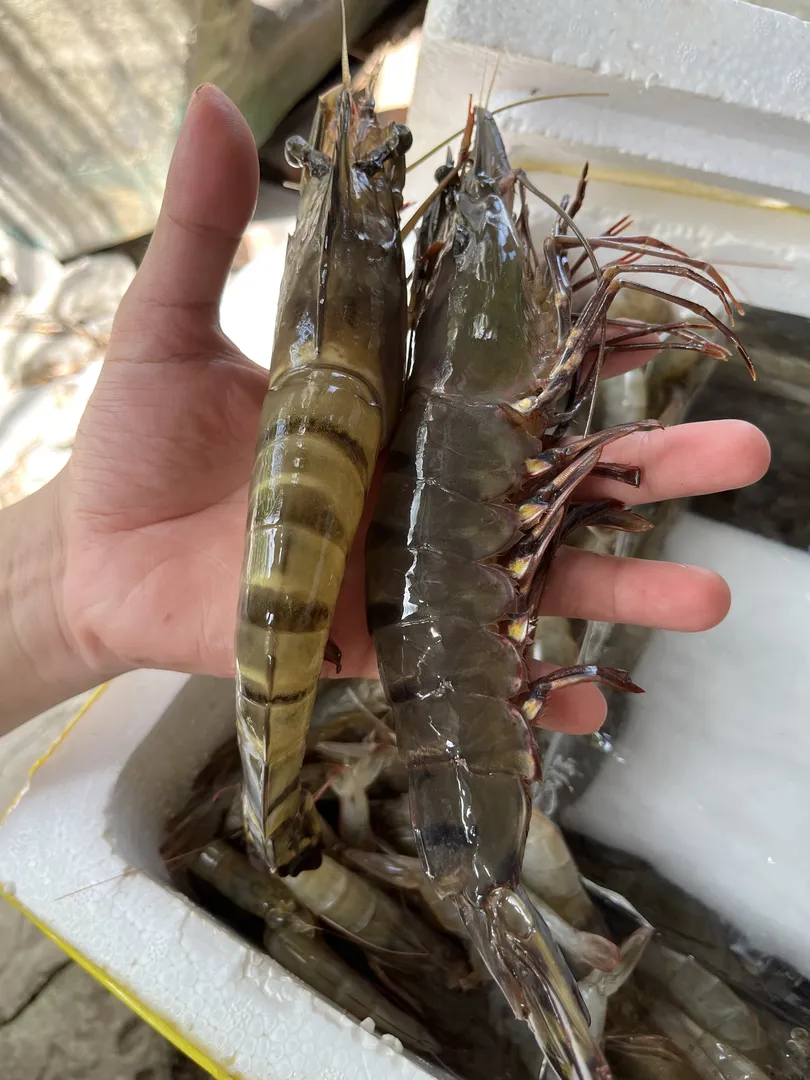
Ca Mau Black Tiger Shrimp
Ca Mau Black Tiger Shrimp
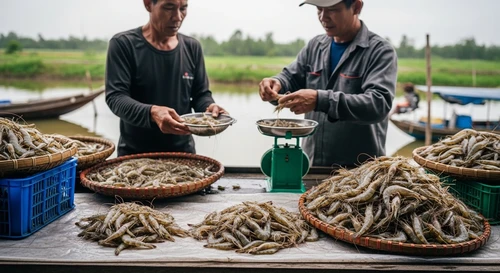
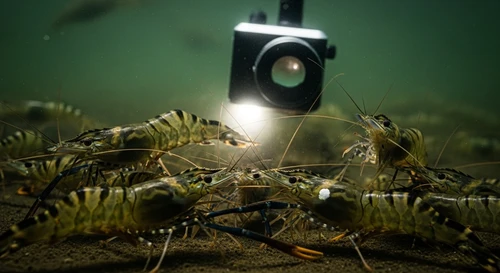
Large black tiger shrimp associated with mangrove aquaculture in Ca Mau, known for firm flesh and a cleaner, sweeter finish than intensively farmed shrimp.
Wild spirits of the mangroves, these black-banded gems deliver a firm, snappy texture and a sweetness that echoes the forest's vibrant life.
Green Lobster (Panulirus versicolor)
Slightly smaller and with a more subdued green-to-brown coloration, green lobsters offer a different but equally delightful flavor profile. Their meat is often described as slightly more delicate and sweet than rock lobsters.
Heritage Ingredient
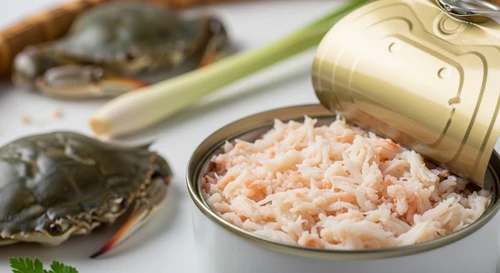
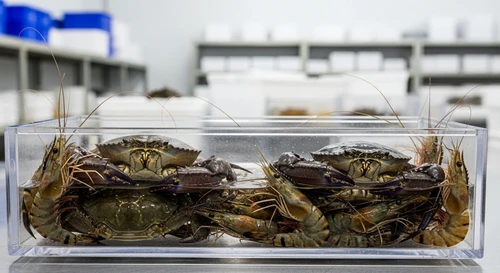
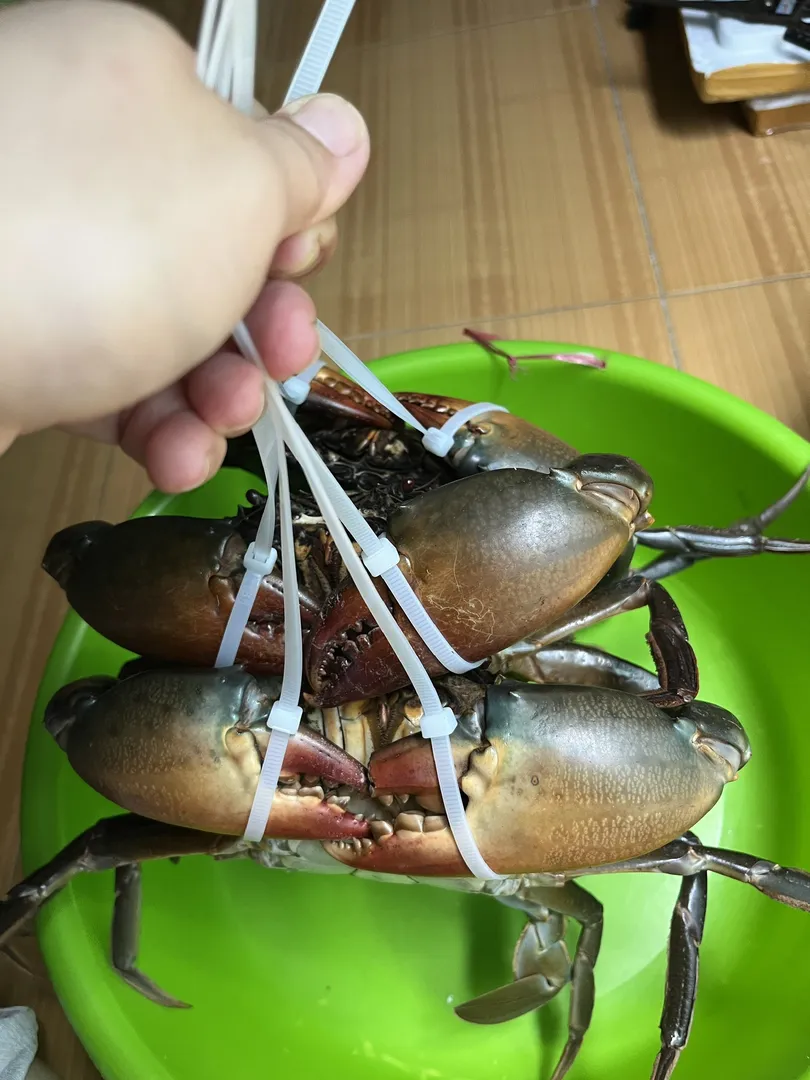
Giant Ca Mau Mud Crab
Giant Ca Mau Mud Crab
A larger export-grade mud crab with dramatic claws and thick meat, often used to illustrate oversized crab categories in Vietnamese seafood markets.
A titan of the ocean, offering colossal claws filled with muscular, succulent meat that elevates every feast into a royal experience.
Both species are meticulously raised in floating cages, where their diet is carefully controlled to ensure optimal growth and flavor. The price drop affects both types, though the ornate rock lobster, being the higher-value species traditionally, sees the most dramatic percentage shift.
4 The Price Revolution: A Buyer's Market Emerges
As of early 2026, anecdotal reports from Cam Ranh and surrounding fishing communities indicate a significant price drop, potentially 30-50% or even more for certain grades, compared to pre-pandemic highs. This has transformed the market.
For the Fishermen
- Reduced Profit Margins: While still earning, the profit per kilogram has shrunk considerably.
- Inventory Challenges: Holding onto live lobsters incurs daily costs (feed, labor) and risks mortality, forcing quicker sales at lower prices.
- Shift in Focus: Some may be exploring alternative, more domestically popular species if lobster farming becomes less viable.
For the Buyers
- Unprecedented Affordability: This is a rare opportunity for consumers and smaller restaurants to access premium seafood at much lower costs.
- Quality Remains High: The farming methods haven't changed, so the quality of the product is still top-notch.
- Logistical Considerations: For international buyers, the lower price may offset increased shipping costs and complexities.
5 The Mekong Delta Connection: A Broader Aquaculture Economy
While Cam Ranh is on the central coast, the economic shifts in its aquaculture sector echo challenges faced across Vietnam, including the vast Mekong Delta. The Delta, a sprawling network of rivers, canals, and rice paddies, is the country's food basket and a powerhouse of aquaculture, particularly for shrimp and catfish. Like the lobster farmers in Cam Ranh, Delta producers are heavily influenced by global demand and export markets.
The current downturn highlights the vulnerability of Vietnam's aquaculture economy when its primary export markets contract. The success of species like the Ca Mau Mud Crab, known for its rich roe and meaty claws, or the Black Tiger Shrimp, often raised in more natural mangrove environments, is also tied to international consumer confidence and purchasing power. A global slump impacts high-value products first, but the ripple effect can be felt across the entire spectrum of Vietnamese seafood exports. Understanding the Cam Ranh lobster situation is a microcosm of larger economic forces at play throughout Vietnam's critical seafood industry.
6 Navigating the New Landscape: Tips for Buyers
For those looking to capitalize on this unique market moment, direct engagement is key. Here's how to approach it:
Engage Directly
Connect with cage farm operators or local seafood cooperatives in Cam Ranh. Building relationships is crucial.
Understand Grading
Inquire about their grading system (size, meat-to-shell ratio) to ensure you're getting the quality you expect.
Consider Logistics
Plan for shipping, packaging, and any import regulations. Live seafood requires careful handling.
Think Long-Term
While this is a buyer's market now, conditions can change. Building sustainable relationships benefits everyone.
7 The Future of Cam Ranh's Lobsters
The current pricing situation in Cam Ranh is a stark reminder of the interconnectedness of the global economy and the vulnerability of specialized industries. It presents a challenge for the aquaculture communities but also an opportunity for a broader audience to experience some of Vietnam's finest seafood.
As international travel gradually recovers and market dynamics inevitably shift, prices will likely stabilize and then rebound. However, for the moment, Cam Ranh offers a unique window into a market where the ocean's treasures are more accessible than they have been in years. It's a story of coastal resilience, economic adaptation, and the enduring allure of Vietnam's bountiful waters.
8 Final Thoughts: The Ocean's Unpredictable Bounty
The story of lobster prices in Cam Ranh in 2026 is more than just a financial update; it's a narrative woven from global economics, coastal livelihoods, and the raw, untamed power of the sea. It's a testament to how quickly fortunes can change, and how seemingly distant events can impact the plates of people around the world.
For those who appreciate the finer things in life, and for those who understand the delicate balance of the seafood economy, this is a moment to observe, to learn, and perhaps, to indulge wisely. The ocean provides, and sometimes, it offers a rare, unexpected gift.