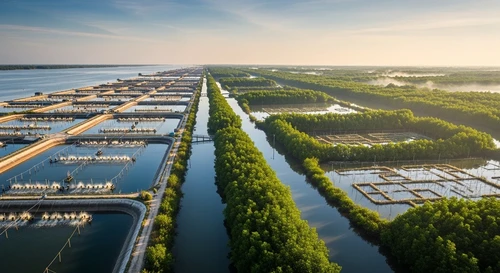
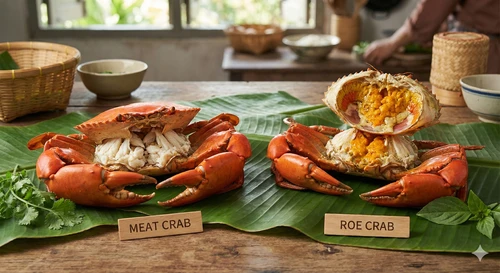
" The Mekong Delta, a sprawling tapestry of rivers and rice paddies, is also the beating heart of Vietnam's shrimp industry. For generations, life here has ebbed and flowed with the tides, tied intrinsically to the health of its waters and the bounty they yield. But the old ways, while rich in tradition, face new challenges: climate change, disease outbreaks, and the global demand for consistent, high-quality seafood. Enter a new generation of innovators, armed not with nets, but with algorithms and pixels. "
1 The Digital Dive: AI Meets the Prawn
Imagine peering into the murky depths of a shrimp pond. It's a world of shadows and subtle movements. Traditionally, assessing prawn health meant wading in, scooping up samples, or relying on visual cues from the surface. This is often too late to prevent significant losses. Now, a Vietnamese startup is changing the game. They're deploying underwater camera systems, equipped with AI, to become the vigilant eyes beneath the waves.
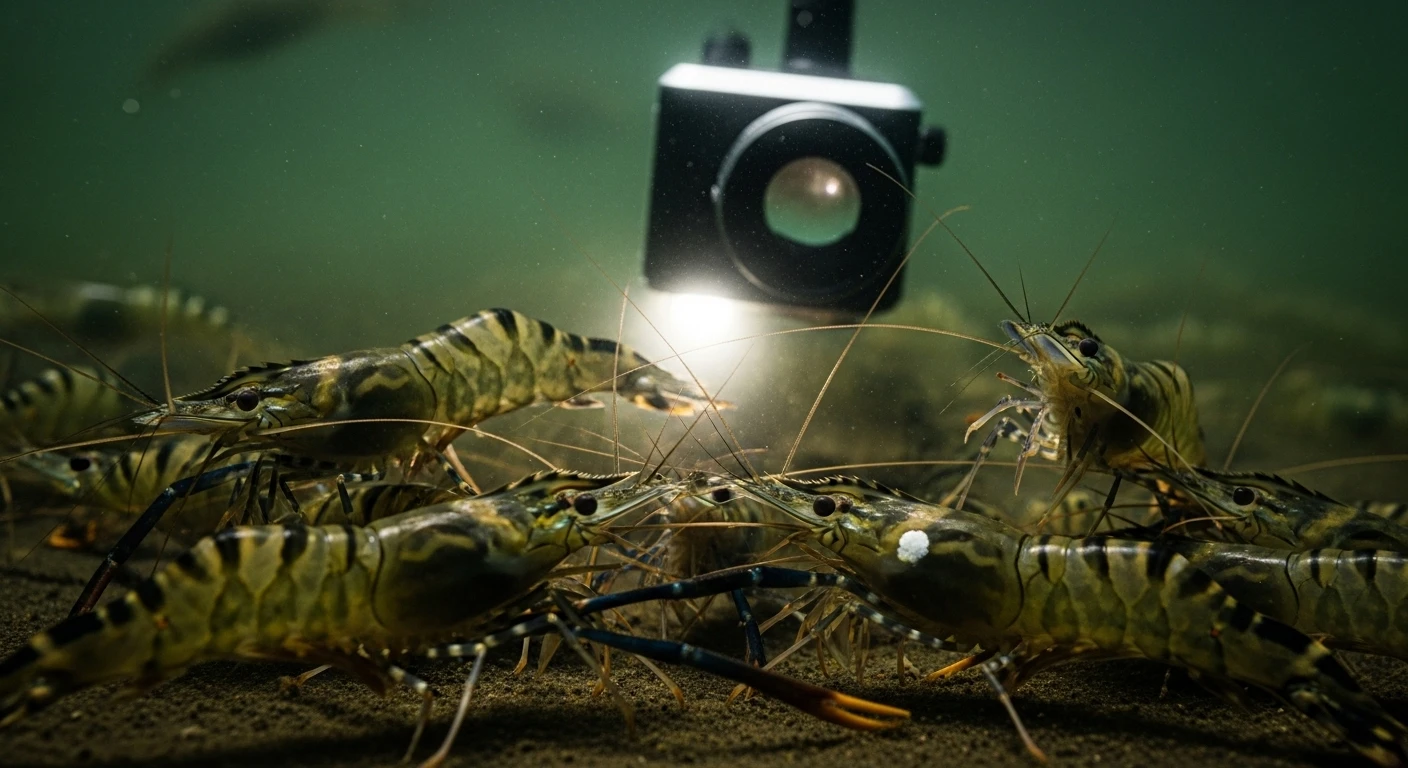
📸 High-tech surveillance: An AI-powered camera system observing a shrimp pond.
These aren't just any cameras. They're designed to operate in the challenging conditions of a farm pond – often turbid water, varying light levels, and at depths where manual inspection is impractical. Coupled with sophisticated artificial intelligence algorithms, these systems can analyze vast amounts of visual data in real-time.
2 The 'White Spot' and the Slow Mover
Early Disease Detection
The primary goal is to spot the earliest indicators of disease, significantly before they become visible to the naked eye or cause widespread mortality. This is where AI excels – pattern recognition on a scale impossible for humans.
Behavioral Analysis
AI analyzes the movement patterns of individual prawns. A sluggish prawn, one that's not feeding actively, or one showing unusual swimming behavior, can be an early sign of stress or infection.
Physical Anomalies
The system is trained to identify specific visual markers of illness. The most notorious is the dreaded 'white spot' – a clear sign of White Spot Syndrome Virus (WSSV), which can decimate a farm overnight.
The 'Alarm System'
Once potential issues are detected, the AI flags them. Alerts are then sent directly to the farmer's smartphone. This instant notification allows for rapid intervention, whether it's adjusting water quality, applying specific treatments, or isolating affected areas.
The Delta's Digital Harvest
The Mekong Delta's aquaculture is a critical part of the region's economy and identity. This technological leap is not just about efficiency; it's about sustainability and resilience.
Sustainable Practices
By preventing mass mortality events, AI helps reduce the need for drastic measures, promoting more stable and less resource-intensive farming.
Economic Stability
Consistent harvests mean more reliable income for farmers, bolstering communities across the Delta.
Premium Quality
Healthier prawns lead to better quality meat, meeting the stringent demands of international markets.
This innovation is driven by a deep understanding of Mekong aquaculture, combining local knowledge with cutting-edge technology. It's a true testament to Vietnamese ingenuity.
3 The Stars of the Show: Tiger Prawns
While the AI technology is groundbreaking, it's crucial to remember the magnificent creature it's monitoring. Vietnam, particularly the Mekong Delta, is renowned for its high-quality tiger prawns. Here are a few you might encounter:
Heritage Ingredient
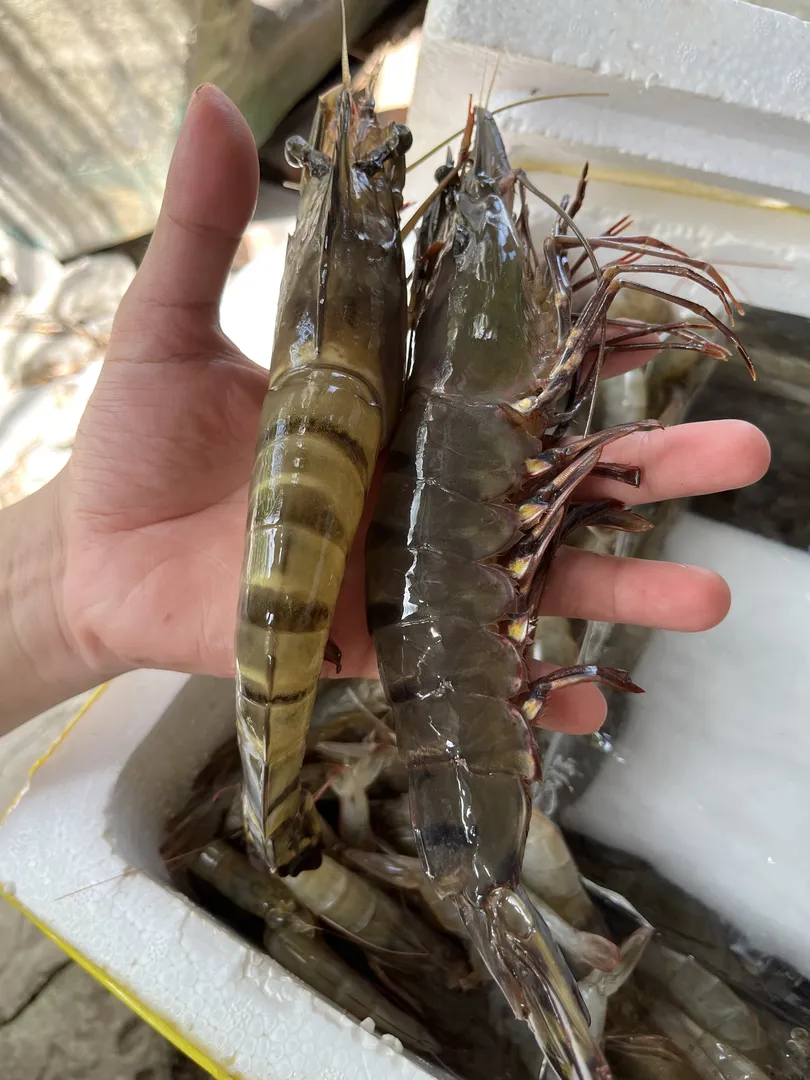
Ca Mau Black Tiger Shrimp
Ca Mau Black Tiger Shrimp
Large black tiger shrimp associated with mangrove aquaculture in Ca Mau, known for firm flesh and a cleaner, sweeter finish than intensively farmed shrimp.
Wild spirits of the mangroves, these black-banded gems deliver a firm, snappy texture and a sweetness that echoes the forest's vibrant life.

Heritage Ingredient
Mekong Giant Freshwater Prawn
Mekong Giant Freshwater Prawn
A river prawn with long blue claws and rich head fat, common in grilled prawn dishes and hotpot traditions across the Mekong basin.
Majestic blue-clawed warriors of the Mekong, famous for their rich, fatty heads and a savory depth that captures the essence of the delta's rivers.
Heritage Ingredient
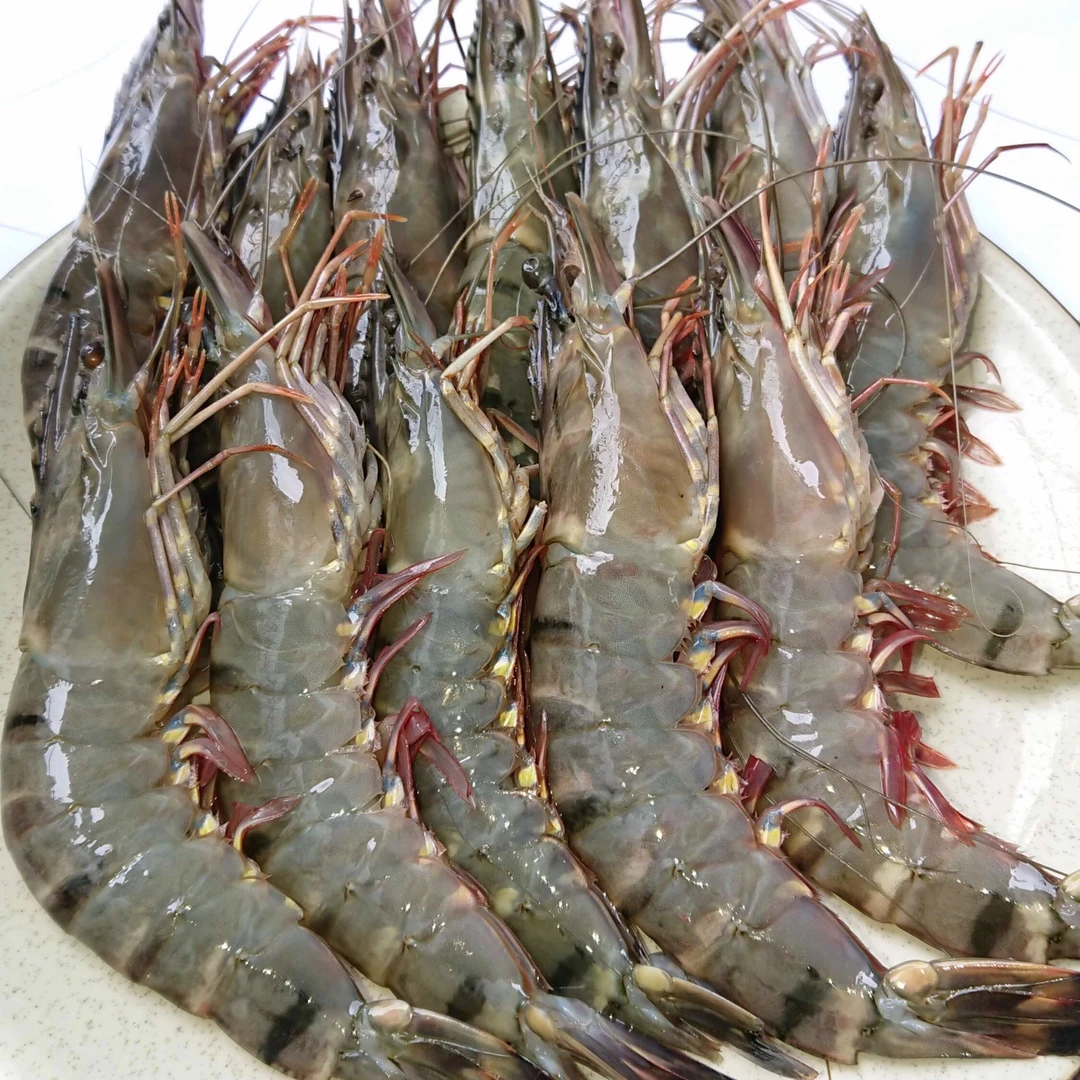
Whiteleg Shrimp
Whiteleg Shrimp
A widely used shrimp in Vietnamese home kitchens, suitable for stir-fries, soups, steamed dishes, and practical cooking articles that need a familiar shrimp reference.
Translucent jewels of the coast, thin-shelled and remarkably sweet, making every simple home meal feel like a seaside celebration.
4 Navigating the Currents of Innovation
Implementing advanced technology in a traditional farming environment isn't without its hurdles. Cost of initial investment, farmer training, and ensuring reliability in diverse pond conditions are significant factors.
The Road Ahead:
- Scalability: Making this technology accessible and affordable for smallholder farmers across the Delta.
- Data Integration: Combining AI insights with other farm management data (water quality, feed, etc.) for a holistic approach.
- Predictive Analytics: Moving beyond current disease detection to predict potential outbreaks based on environmental factors and historical data.
- Global Impact: Vietnam's success story could pave the way for similar AI-driven solutions in aquaculture worldwide, enhancing global food security.
A Healthier Plate, A Greener Future
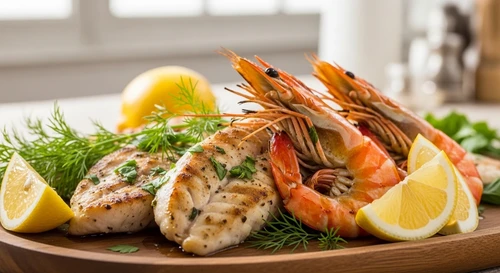
When you enjoy succulent tiger prawns, whether grilled, steamed, or in a flavourful stir-fry, you're tasting the culmination of a complex journey. Innovations like AI-powered pond monitoring mean that your seafood is not only delicious but also produced with greater care for the environment and the livelihoods of those who farm it. It's a step towards a more sustainable and trustworthy global seafood supply chain, originating from the heart of the Mekong.
5 The Future is Clear
This fusion of artificial intelligence and aquaculture in the Mekong Delta is more than just a technological advancement; it's a beacon of hope for sustainable food production. As these digital eyes continue to watch over the ponds, they promise a future of healthier prawns, more resilient farming communities, and a more reliable supply of one of the world's favorite seafoods. The depths of the Mekong are yielding secrets, and technology is helping us understand them, one prawn at a time.