" In the digital echo chamber of search engines, a new conversation is emerging. It’s a conversation about health, responsibility, and the very essence of what makes seafood truly valuable. "
1 The Quest for Wholesome Bites
The phrase "healthy seafood recipes" isn't just a search query; it's a consumer demand. In 2026, diners are scrutinizing ingredients and preparation methods like never before. They're looking for dishes that are not only delicious but also contribute positively to their well-being.
This translates to a surge in searches for:
- Simple Preparation Methods: Steaming, grilling, poaching, and baking are eclipsing deep-frying. Consumers want to see the seafood shine, unadorned by heavy sauces or excessive oil.
- Nutrient-Dense Options: Queries for omega-3 rich fish, lean proteins, and seafood high in essential vitamins and minerals are on the rise.
- Allergen-Friendly Cooking: Searches for gluten-free, dairy-free, or low-sodium seafood recipes are gaining traction as consumers become more aware of dietary needs and sensitivities.
- Sustainable Sourcing for Health: The understanding that sustainable practices often correlate with healthier ecosystems, and therefore healthier seafood, is growing.

📸 Freshly grilled seafood with lemon and herbs—a visual representation of healthy cooking.
2 The "Sustainable Shrimp Brands" Phenomenon
Perhaps the most striking trend is the explosion of interest in "sustainable shrimp brands." This isn't just about where the shrimp comes from; it's a holistic concern that encompasses environmental impact, ethical labor practices, and the long-term health of marine ecosystems.
Consumers are actively seeking brands that can demonstrate:
- Traceability: Knowing the origin of their seafood is paramount. They want to follow the journey from farm or sea to their plate.
- Environmental Stewardship: Practices like mangrove protection, responsible feed management, and minimizing water pollution are key differentiators.
- Ethical Sourcing: Fair labor, safe working conditions, and community well-being are increasingly important factors in purchasing decisions.
- Certifications: While not the sole driver, recognized certifications (like ASC, MSC) provide a valuable shorthand for consumers.
Mekong Delta Connection
The Mekong Delta, particularly regions like Ca Mau, is a crucial hub for shrimp aquaculture. The burgeoning demand for sustainable practices here reflects a global trend and presents both challenges and immense opportunities for local producers and exporters. Consumers searching for 'sustainable shrimp brands' are, unknowingly or knowingly, looking for seafood cultivated with respect for these vital mangrove environments.
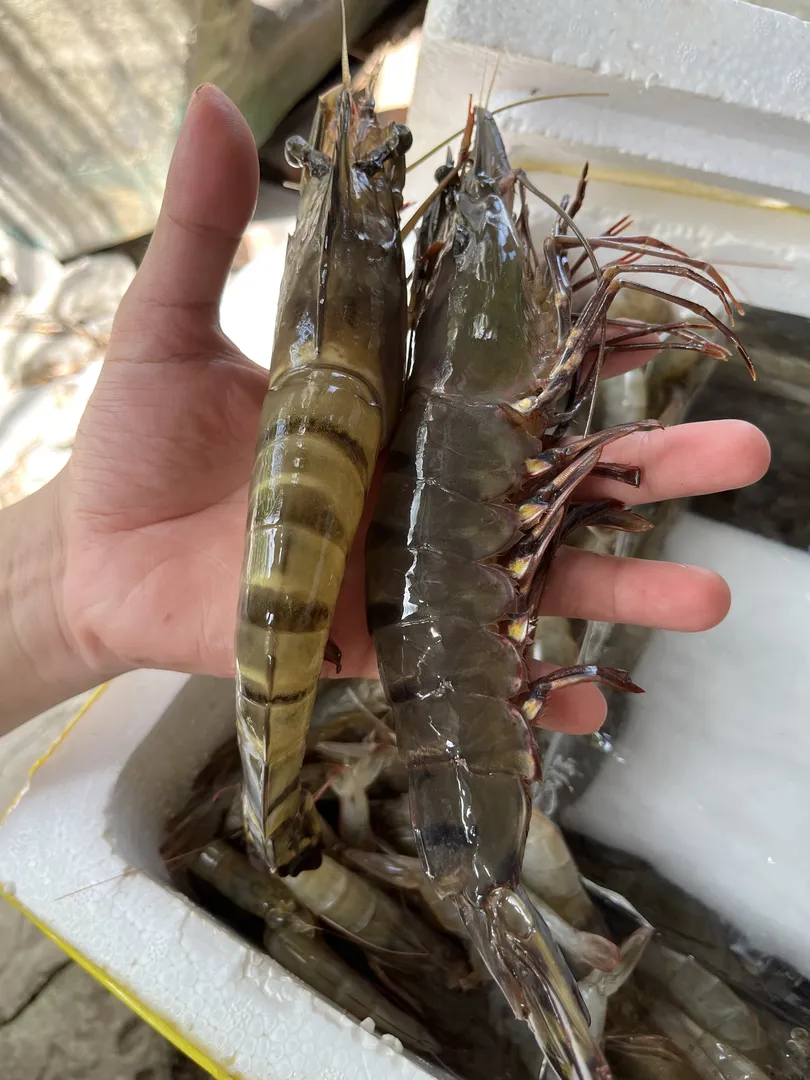
Heritage Ingredient
Ca Mau Black Tiger Shrimp
Ca Mau Black Tiger Shrimp
Large black tiger shrimp associated with mangrove aquaculture in Ca Mau, known for firm flesh and a cleaner, sweeter finish than intensively farmed shrimp.
Wild spirits of the mangroves, these black-banded gems deliver a firm, snappy texture and a sweetness that echoes the forest's vibrant life.
Beyond the Shrimp Bowl
This focus on sustainability extends to all seafood. Consumers are asking tougher questions about fishing methods for wild-caught varieties and the ecological footprint of farmed species. They are willing to pay a premium for seafood that aligns with their values, driving innovation in aquaculture and fisheries management.
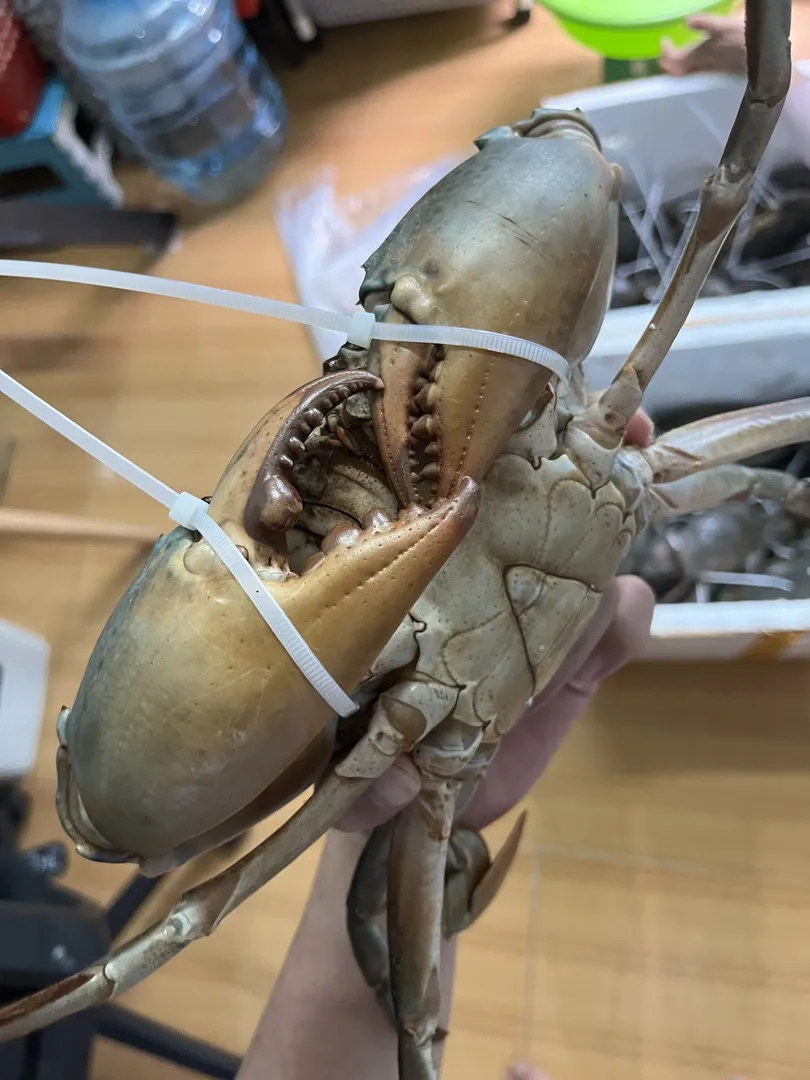
Heritage Ingredient
Ca Mau Jumbo Mud Crab
Ca Mau Jumbo Mud Crab
A large male mud crab prized for dense, sweet meat and thick claws, commonly used in steamed crab and grilled crab dishes across the Mekong Delta.
An icon of coastal culinary heritage, featuring firm, sweet meat that captures the raw power and freshness of Ca Mau's tides.
Navigating the New Seafood Landscape
These search trends are not just fleeting fads; they signal a permanent shift in consumer consciousness. For businesses in the seafood industry, adapting is not optional, it's essential for survival and growth.
Transparency is Key
Invest in robust traceability systems and be ready to share them openly with consumers.
Embrace Health-Conscious Marketing
Highlight the natural health benefits of your seafood and simple, healthy cooking methods.
Champion Sustainability
Go beyond compliance; actively promote and improve sustainable practices. This is your brand's future.
Early adopters who genuinely commit to health and sustainability will capture the trust and loyalty of the modern consumer.
3 Guardians of the Mangroves
The Mekong Delta, with its vast network of rivers, canals, and extensive mangrove forests, is uniquely positioned to meet these demands. This region is not merely a source of seafood; it's an ecosystem that, when managed responsibly, provides unparalleled natural benefits.
Mangrove ecosystems, for instance, are vital nurseries for many marine species, including shrimp. They act as natural filters, protect coastlines from erosion, and sequester significant amounts of carbon. Sustainable aquaculture practices that integrate with or protect these mangroves are becoming increasingly valuable:
Integrated Farming
Combining aquaculture with other forms of farming, like rice cultivation or shrimp-and-forest systems, promotes biodiversity and reduces the reliance on artificial inputs. This approach is deeply rooted in traditional Mekong Delta livelihoods.
Resource Management
Responsible water management, waste reduction, and minimizing the use of antibiotics are critical. Consumers are searching for brands that are transparent about their resource management strategies.
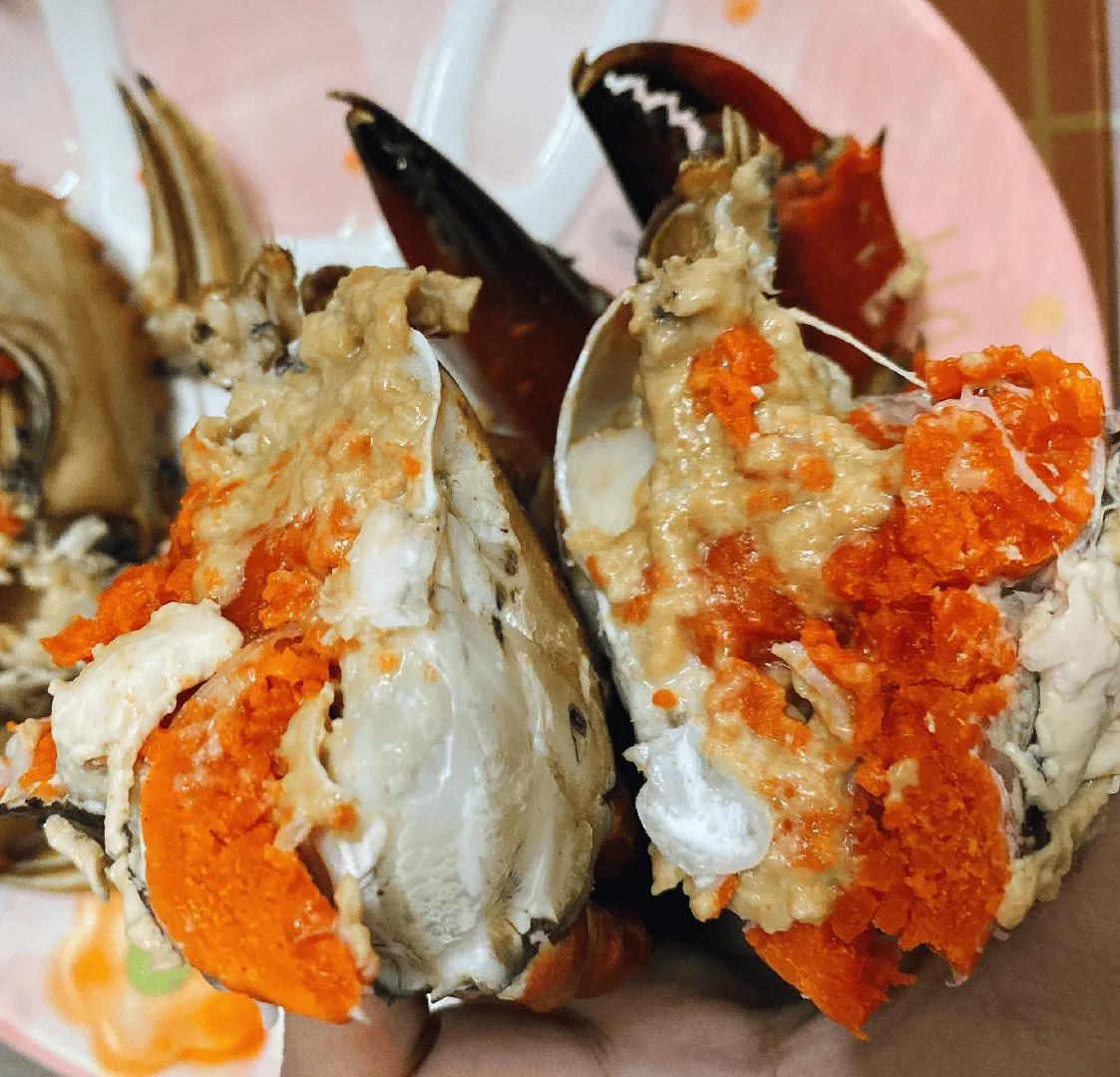
Heritage Ingredient
Ca Mau Roe Mud Crab
Ca Mau Roe Mud Crab
A female mud crab known for deep orange roe and a rich, creamy finish, often featured in celebratory Southern Vietnamese seafood meals.
A crimson treasure hidden within a shell, boasting rich, creamy roe that melts on your tongue like a golden sunset over the delta.
4 Beyond the Plate: Values and Identity
The search for "healthy seafood recipes" and "sustainable shrimp brands" is more than just about food; it's about identity. Consumers are increasingly aligning their purchasing decisions with their personal values.
When people search for these terms, they are often looking for:
- Peace of Mind: Knowing they are making a responsible choice for their health and the planet.
- Connection to Nature: A desire to support practices that honor and protect the natural world.
- Ethical Consumption: A statement against unsustainable or exploitative practices in the food industry.
- Trust: Seeking brands and sources they can rely on for quality, integrity, and transparency.
5 Search as the New Oracle
Search engines have become powerful tools for consumer education and discovery. The data derived from these queries offers unparalleled insights into evolving preferences. Brands that actively monitor and respond to these digital conversations will be best positioned to thrive.
Key Takeaways for Industry Players:
Content is King
Create content (blogs, recipes, social media) that directly addresses consumer interests in health and sustainability. Use keywords like "healthy seafood recipes" and "sustainable shrimp."
Digital Storytelling
Use digital platforms to tell the story of your sustainable practices. Showcase the people, places, and processes behind your seafood.
SEO is Non-Negotiable
Optimize your online presence for terms related to health-conscious and ethically sourced seafood.
Engage with Consumers
Participate in online discussions, answer questions, and build a community around your brand's values.
6 The Future is Informed, Healthy, and Responsible
As we look towards 2026 and beyond, the seafood landscape is being reshaped by informed consumers who demand more than just taste. They seek nourishment, integrity, and a connection to the natural world. The industry players who embrace transparency, prioritize health, and champion true sustainability will not only meet these demands but will define the future of seafood.
The digital footprints left by millions of searches are guiding us toward a more conscientious and delicious future. Are you listening?
Trending Topics:
Further Market Insights
View More Buyer's Guide
VietGAP Certified Whiteleg Shrimp Farming Model Earns Tens of Billions
Mekong Delta farmers transform by applying microbiological technology and water recirculation to help shrimp survive and yield high production.
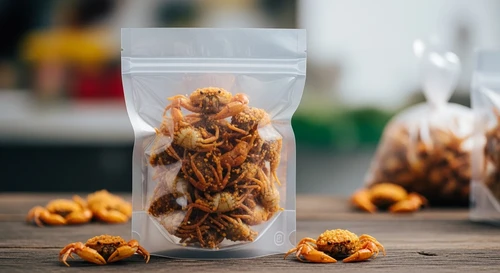
Dehydrated Seasoned Baby Crabs: A Potential Export Goldmine
How central Vietnamese processors are packaging crispy, spiced baby crabs to target international snack markets like Amazon.
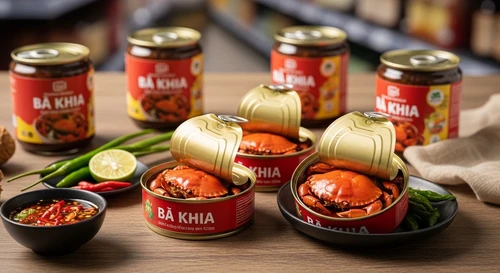
Vietnamese Salted Crab Goes Global: Exports to the US and Australia
How pasteurized, canned Ba Khia is passing strict FDA regulations to reach Asian supermarkets overseas.
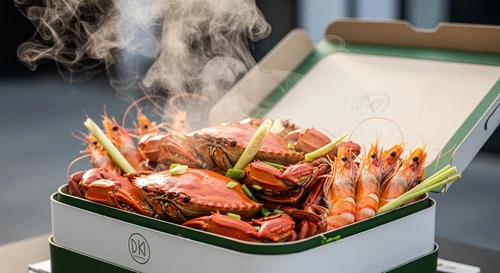
Massive Profits from a Fast & Convenient Seafood Takeaway Startup Model
The startup idea of portable, heat-retaining boxes of beer-steamed crabs and shrimp hits the psychological sweet spot of young people who don't want to cook.
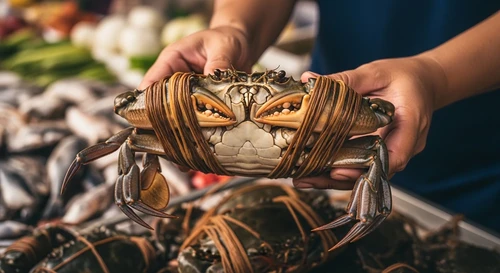
The Rubber Band Scam: Buying 1kg of Crab and Getting 400g of Meat
Vendors in tourist spots are using massive, thick rubber bands to weigh down small crabs. How to spot and avoid this blatant rip-off.
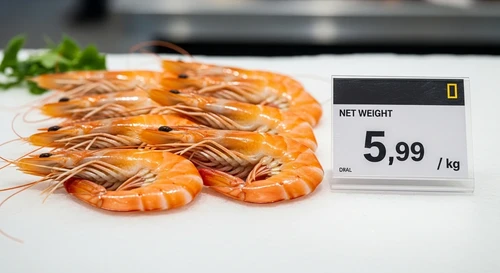
The 'Net Weight' Revolution: Supermarkets Selling Headless Prawns
Consumers rejoice as retailers stop charging premium prices for the heavy, inedible heads and shells of giant prawns.
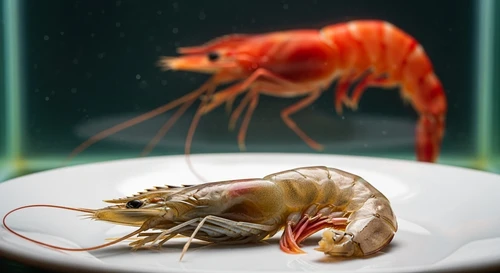
Restaurant Scam: Swapping Live Prawns for Dead Ones in the Kitchen
A persistent issue in coastal tourist towns. You pick a swimming prawn, but the kitchen serves you a mushy, pre-dead one.
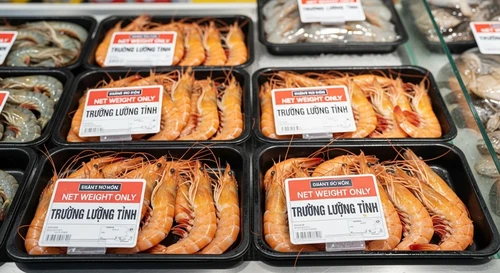
Supermarkets Introduce 'Net Weight Only' Pre-peeled Giant Prawns
A retail revolution where consumers no longer pay for the heavy heads and shells, sparking a price war among vendors.
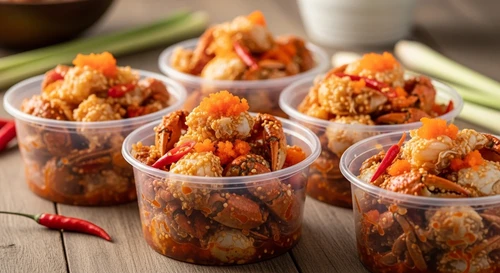
Office Workers Build Side Hustles Selling Pre-Mixed Salted Crabs
How a simple home recipe packaged in convenient plastic tubs is generating thousands of dollars for young entrepreneurs.