" In the intricate tapestry of Mekong Delta life, few threads are as vibrant, as valuable, and as logistically challenging as the live roe crab. These aren't just crustaceans; they're a symbol of the region's rich aquatic bounty and a testament to the ingenuity of its people. "
1 The Crown Jewel: Ca Mau Roe Crab
Ca Mau, Vietnam's southernmost province, is a sprawling labyrinth of brackish water, mangrove forests, and fertile plains. It's here, in the nutrient-rich waters where the Mekong's freshwater meets the sea, that the world's most prized mud crabs thrive. Among them, the female mud crab, or cua gạch, is king, especially when laden with its deep orange, creamy roe.
The Roe Crab ($Cua Gạch$)
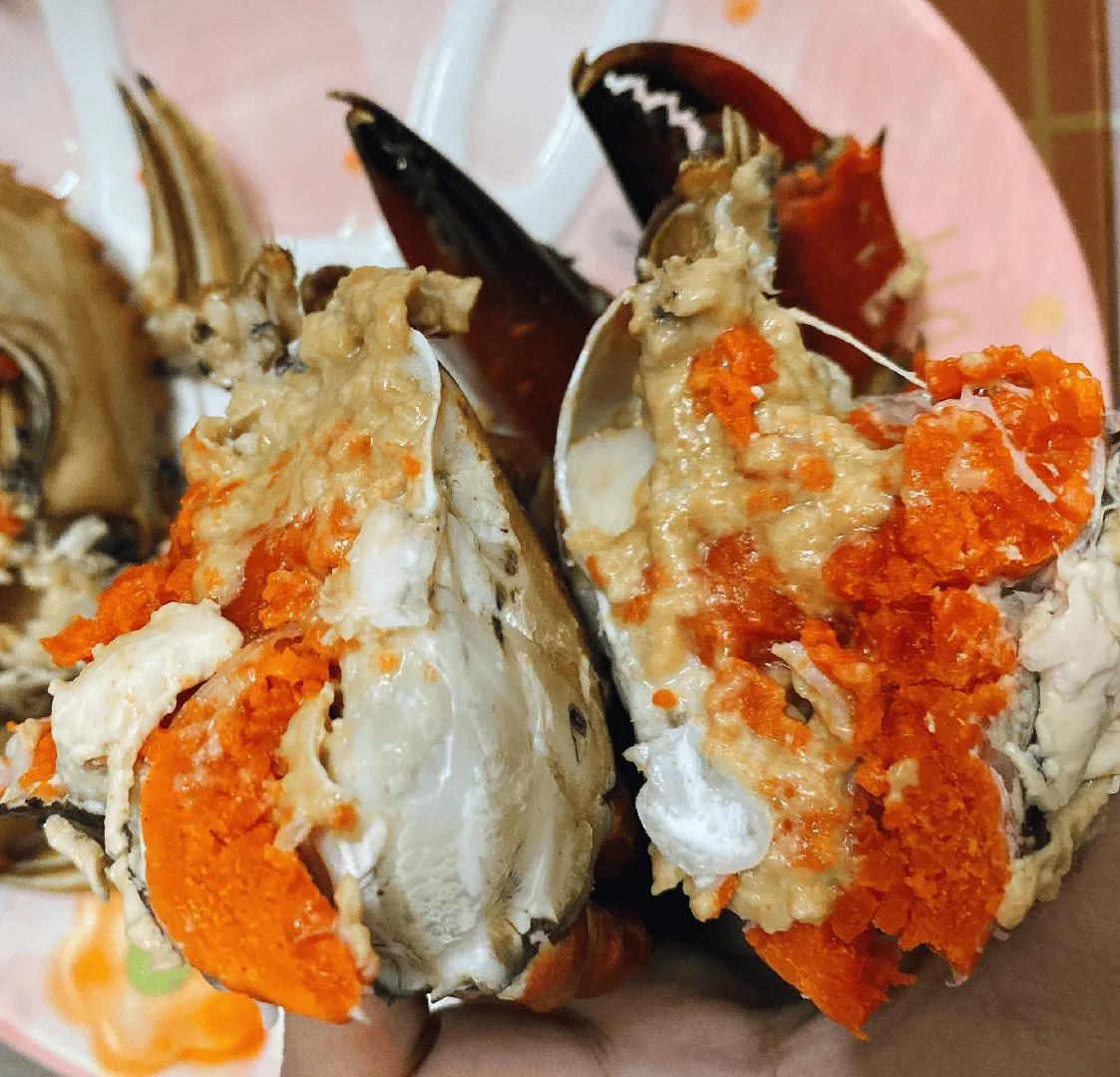
Prized for its rich, decadent roe, which imparts a velvety texture and intense flavor. This is the crab sought after by gourmands worldwide.
Heritage Ingredient
Ca Mau Roe Mud Crab
Ca Mau Roe Mud Crab
A female mud crab known for deep orange roe and a rich, creamy finish, often featured in celebratory Southern Vietnamese seafood meals.
A crimson treasure hidden within a shell, boasting rich, creamy roe that melts on your tongue like a golden sunset over the delta.
The Meat Crab ($Cua Thịt$)
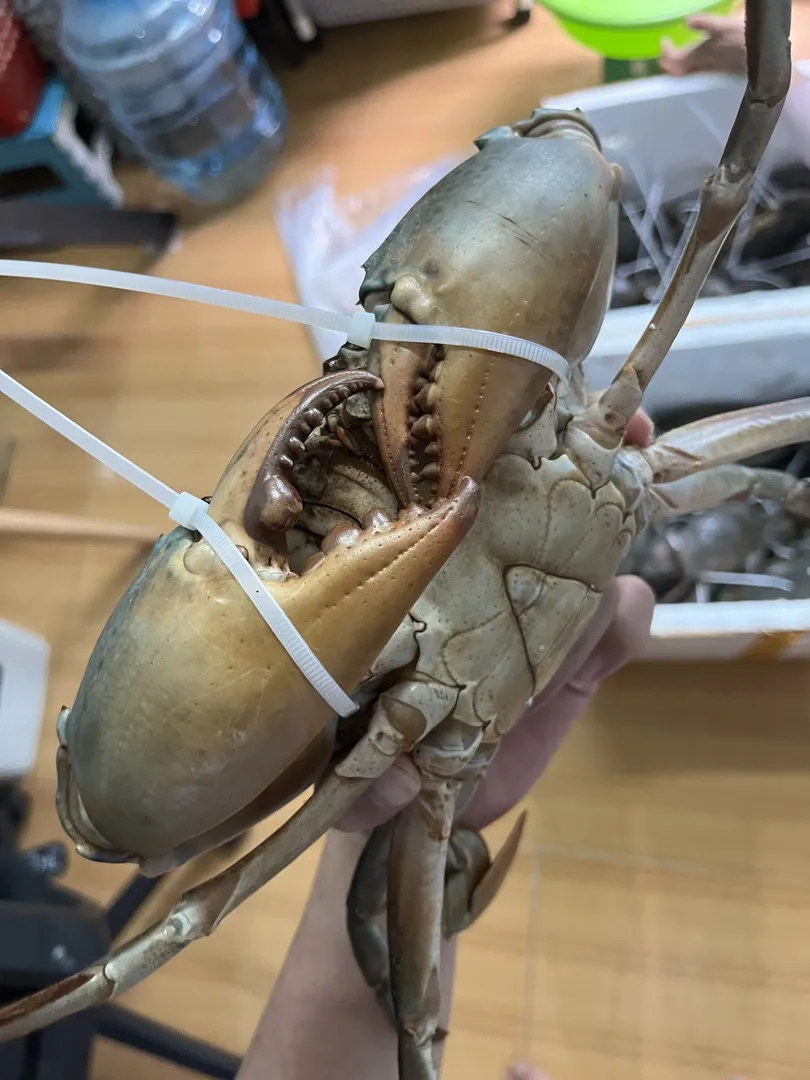
While the roe crab is the star for export, the male mud crab, known for its dense, sweet meat and substantial claws, is also highly valued.
Heritage Ingredient
Ca Mau Jumbo Mud Crab
Ca Mau Jumbo Mud Crab
A large male mud crab prized for dense, sweet meat and thick claws, commonly used in steamed crab and grilled crab dishes across the Mekong Delta.
An icon of coastal culinary heritage, featuring firm, sweet meat that captures the raw power and freshness of Ca Mau's tides.
These crabs are not farmed in intensive ponds. Instead, they are raised in semi-wild conditions within the protected mangrove ecosystems, feeding on a natural diet of small fish, mollusks, and other crustaceans. This natural diet is credited with their superior flavor and firm texture.
2 From Mangrove to Metropolis: The Air Cargo Challenge
Selection & Handling
The process begins long before dawn. Fishermen, using traditional methods, carefully harvest crabs from the mangrove channels. The finest specimens – large, active, and heavy for their size – are selected. For export, especially to discerning markets like Japan, crabs are meticulously inspected for shell quality, limb integrity, and, crucially for roe crabs, the visual cues of a full roe sac.
Live seafood export is a race against time and a battle against nature. Each crab is handled with extreme care. They are kept moist but not submerged, often in specialized tanks with filtered, aerated water. Temperature control is paramount to minimize stress and mortality.
The Air Freight Secret
This isn't a slow boat to China. To reach the demanding Japanese market fresh, these crabs embark on a journey via air cargo. This requires a complex coordination between harvesters, local processors, freight forwarders, and airlines.
Crabs are typically packed into insulated containers with gel packs or dry ice (handled with expert care to avoid freezing the live product) and sometimes breathable membranes to ensure oxygen flow. The goal is to maintain a cool, stable environment that mimics their natural habitat for as long as possible during transit.
3 The Sushi Bar Standard
Japan's culinary landscape, particularly its sushi and kaiseki traditions, places an almost religious emphasis on the purity and quality of ingredients. When it comes to crab, the discerning palate of Japanese chefs and diners demands specific characteristics:
Unrivaled Roe Quality
The deep orange, custardy roe of Ca Mau crabs is renowned for its richness and delicate, sweet-savory profile, perfectly complementing the subtle flavors of sushi rice and sashimi.
Sweet, Dense Meat
The white meat is naturally sweet, firm, and succulent, holding its own against the intense flavor of the roe. It's a luxurious addition to any high-end Japanese seafood menu.
The ability to transport these delicate crabs live, maintaining their pristine condition, is what allows Japanese high-end restaurants to serve them as if they were caught that very morning. It's a direct connection from the productive waters of the Mekong Delta to the meticulous preparation in Tokyo.
4 A Visual of the Chain

📸 Illustrative: The complex network required for premium seafood export.
The entire supply chain operates under immense pressure to ensure the crabs arrive alive and of the highest quality. This involves skilled handlers, rapid transport networks, and strict temperature control. It's a testament to the global demand for authentic, high-quality ingredients.
5 Beyond the Catch: Export-Grade Selection
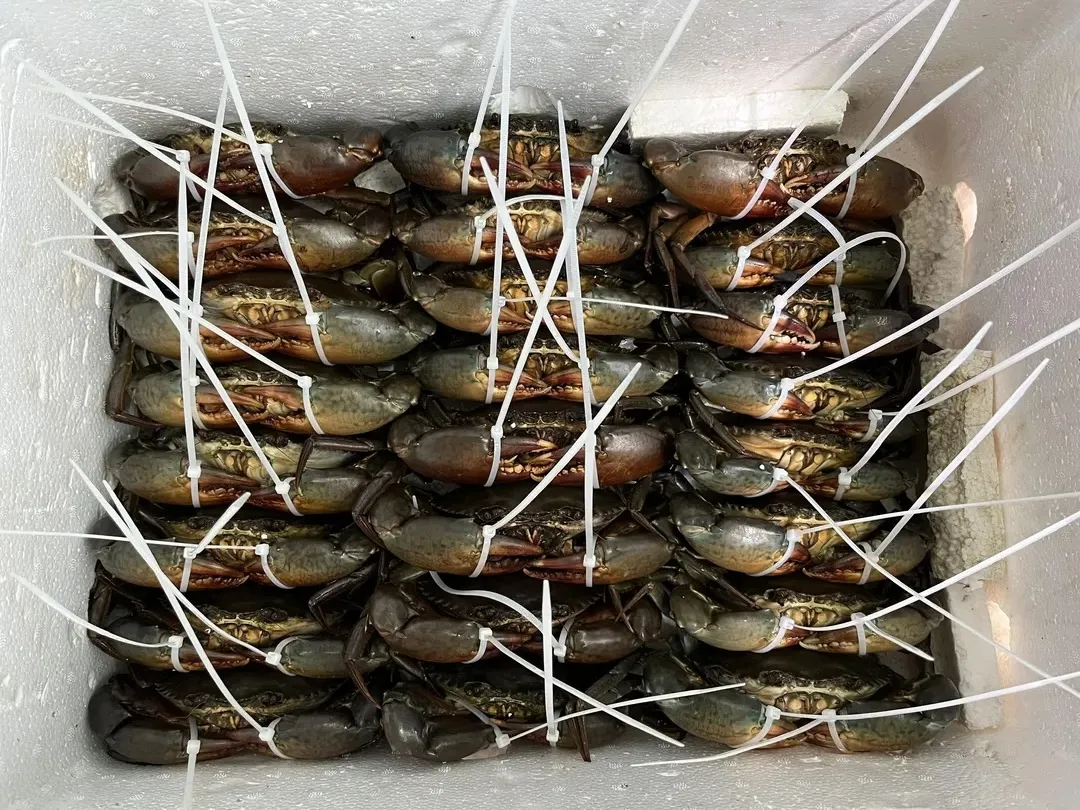
Not all roe crabs are created equal, especially when destined for a market as demanding as Japan. Exporters employ rigorous grading systems. Crabs are sorted by size, shell condition, and the vibrancy and fullness of their roe. This "export-grade" selection ensures that only the absolute best make it onto the plane.
Heritage Ingredient
Export-Grade Ca Mau Roe Crab
Export-Grade Ca Mau Roe Crab
A carefully sorted roe crab selected for size, shell quality, and roe consistency, suitable for explaining premium grading in Vietnamese crab culture.
The pinnacle of perfection—pristine shells and bursting roe, meticulously selected to conquer the hearts of global gourmets.
This meticulous selection process is what commands the premium price and ensures that Japanese chefs can confidently incorporate these crabs into their most celebrated dishes, knowing they are serving the pinnacle of what the Mekong Delta has to offer.
6 A Taste of the Mekong, Miles Away
When a chef in a Tokyo establishment plates a Ca Mau roe crab, they are not just serving seafood; they are presenting a story. A story of the mangrove roots, the saline embrace of the South China Sea, the skilled hands of the fishermen, and the sophisticated cold chain that bridges continents. The delicate, sweet flavor carries the essence of the Mekong Delta's unique ecosystem.
This premium export highlights the global connectivity of food culture. It showcases how a remote region's natural bounty can enrich the culinary experiences in some of the world's most sophisticated dining capitals. It's a direct link, forged by logistics and respect for quality, between the muddy banks of Ca Mau and the gleaming sushi counters of Tokyo.
7 Sustaining the Flow
The high demand for Ca Mau roe crabs has significant economic implications for the region, providing livelihoods for many. However, it also brings challenges related to sustainability. Responsible harvesting practices, strict quotas, and the protection of mangrove habitats are crucial to ensure that these "flying jewels" continue to grace tables for generations to come.
This intricate export operation, while showcasing premium quality, also underscores the importance of ethical sourcing and environmental stewardship in the global seafood trade. The journey from the Mekong to Tokyo is a powerful reminder of the interconnectedness of our planet's ecosystems and economies.
Related Topics:
Further Insights
View More Buyer's Guide
How to Spot a Fake Ca Mau Crab
Distinguishing authentic crabs from cheap farm crabs.
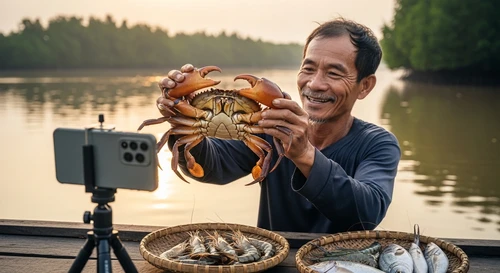
The TikTok Livestream Boom: Farmers Selling Directly to Consumers
How fishermen in Ca Mau are bypassing middlemen by hosting live auctions of their daily catch on social media.
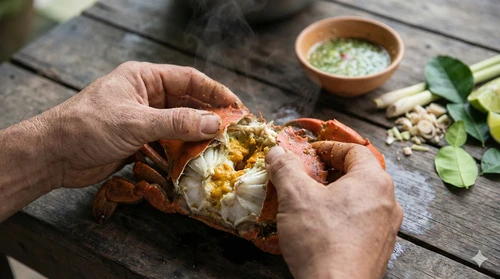
How to Eat Mud Crab Like a Pro
Extract every bit of meat without wasting anything.
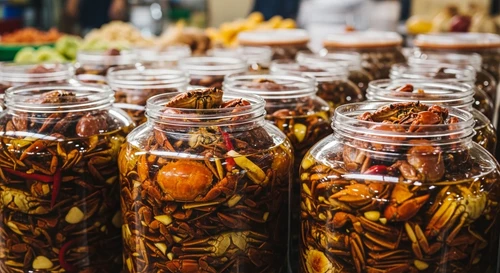
Current Wholesale Prices of Fermented Ba Khia in Western Markets
A pricing guide for tourists and bulk buyers looking to purchase authentic jars of salted crab directly from the source.
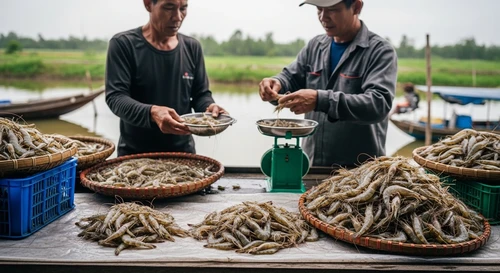
Farm-Gate Shrimp Prices Today: Soc Trang & Bac Lieu Updates
Live tracking of wholesale prices for 20, 30, and 40-count per kilo shrimp sizes to help farmers and traders.
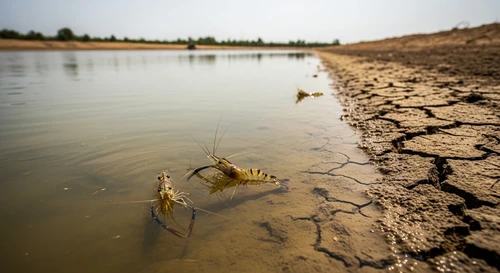
Risk of Complete Crop Failure for Semi-Intensive Tiger Prawn Farming Due to El Niño Salinity Intrusion
Climate change causes saltwater to intrude deep into the inland Mekong Delta, causing thermal shock and mass die-offs of prawns in ponds.
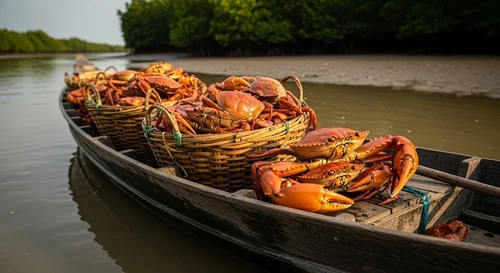
Surge in Demand for Giant Y1 Crabs from Chinese Buyers
Fierce competition at the borders pushes the price of 1kg+ size mud crabs to record highs, causing local shortages.
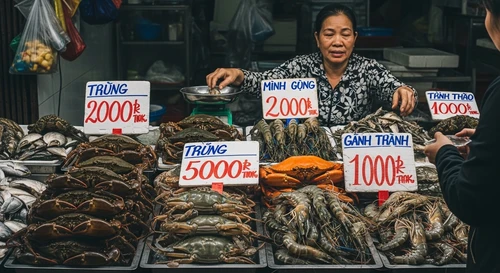
The Ghost Month (July) Sales Slump: Seafood Vendors Slash Prices
Understanding the cultural superstition that reduces dining out, and how vendors use flash sales to survive the month.
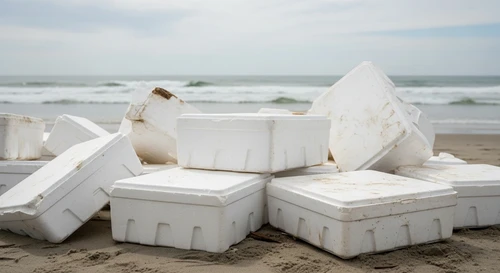
Seafood Packaging Innovations: The End of Polystyrene?
Exploring biodegradable alternatives to styrofoam boxes for shipping live crabs and shrimp across the country.